Thisispaper Community
Join today.
Enter your email address to receive the latest news on emerging art, design, lifestyle and tech from Thisispaper, delivered straight to your inbox.
Oops! Something went wrong while submitting the form.
Instant access to new channels
The top stories curated daily
Weekly roundups of what's important
Original features and deep dives
Exclusive community features
Alexander Zaxarov
Jun 15, 2026

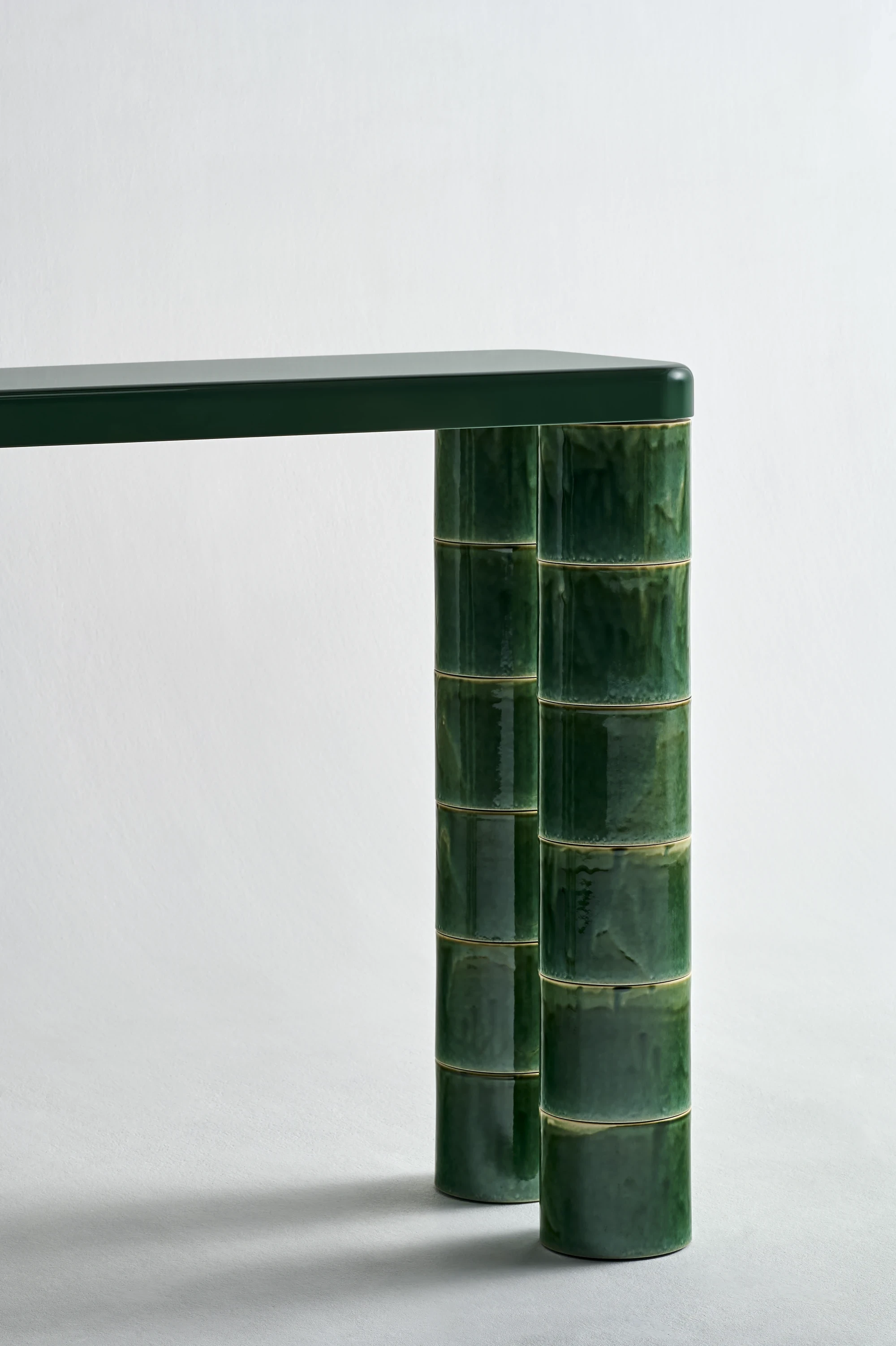
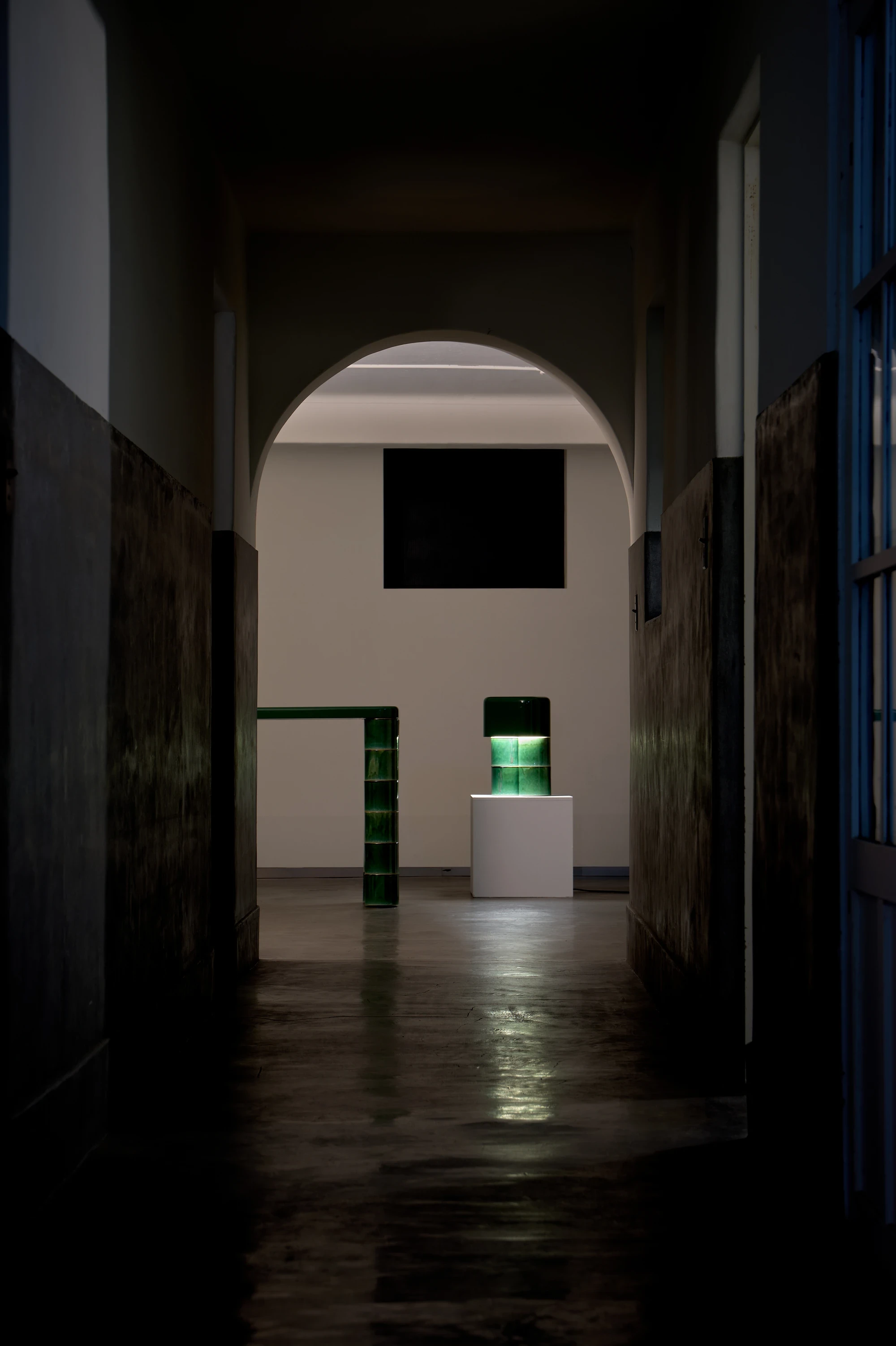
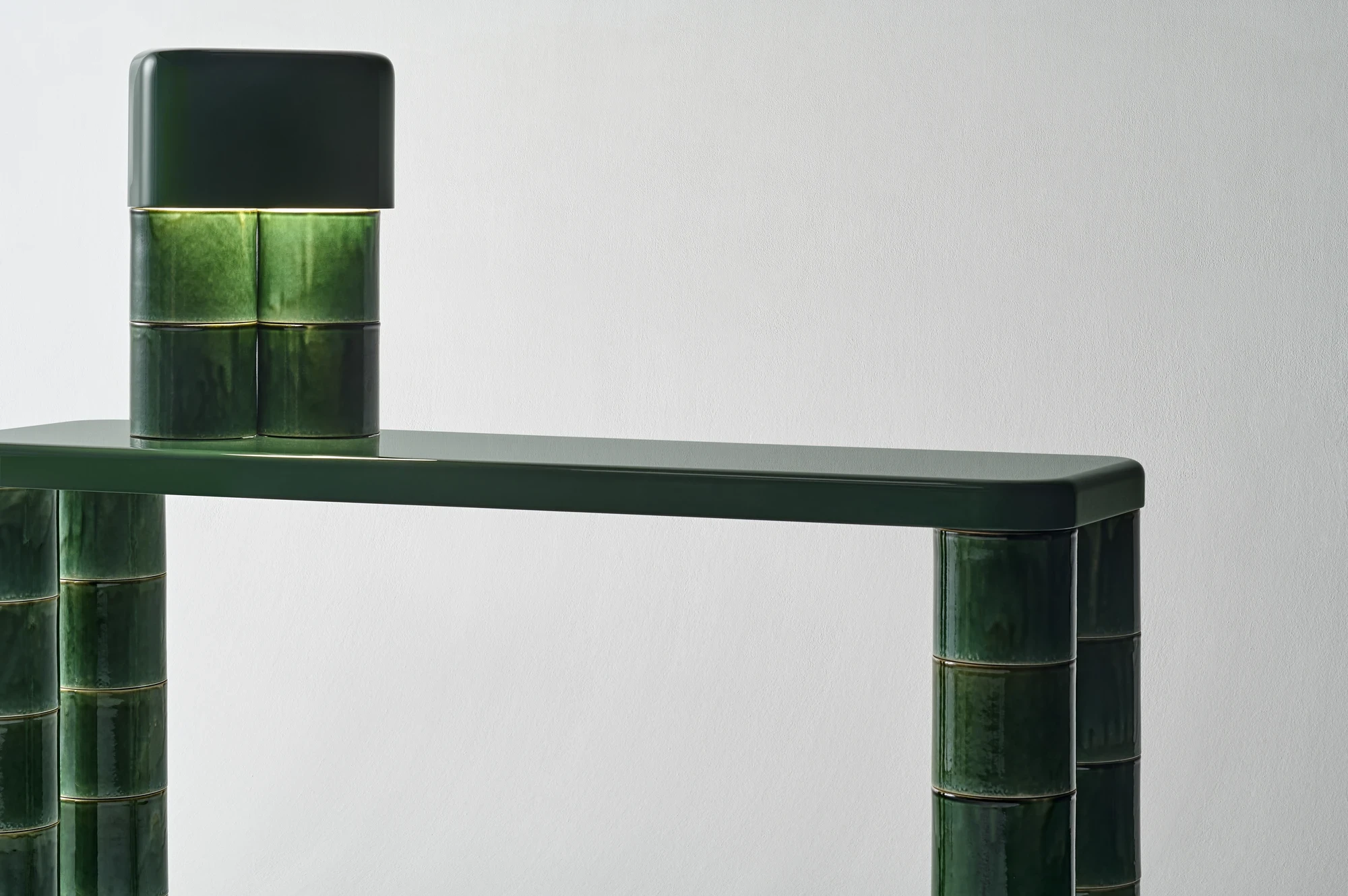
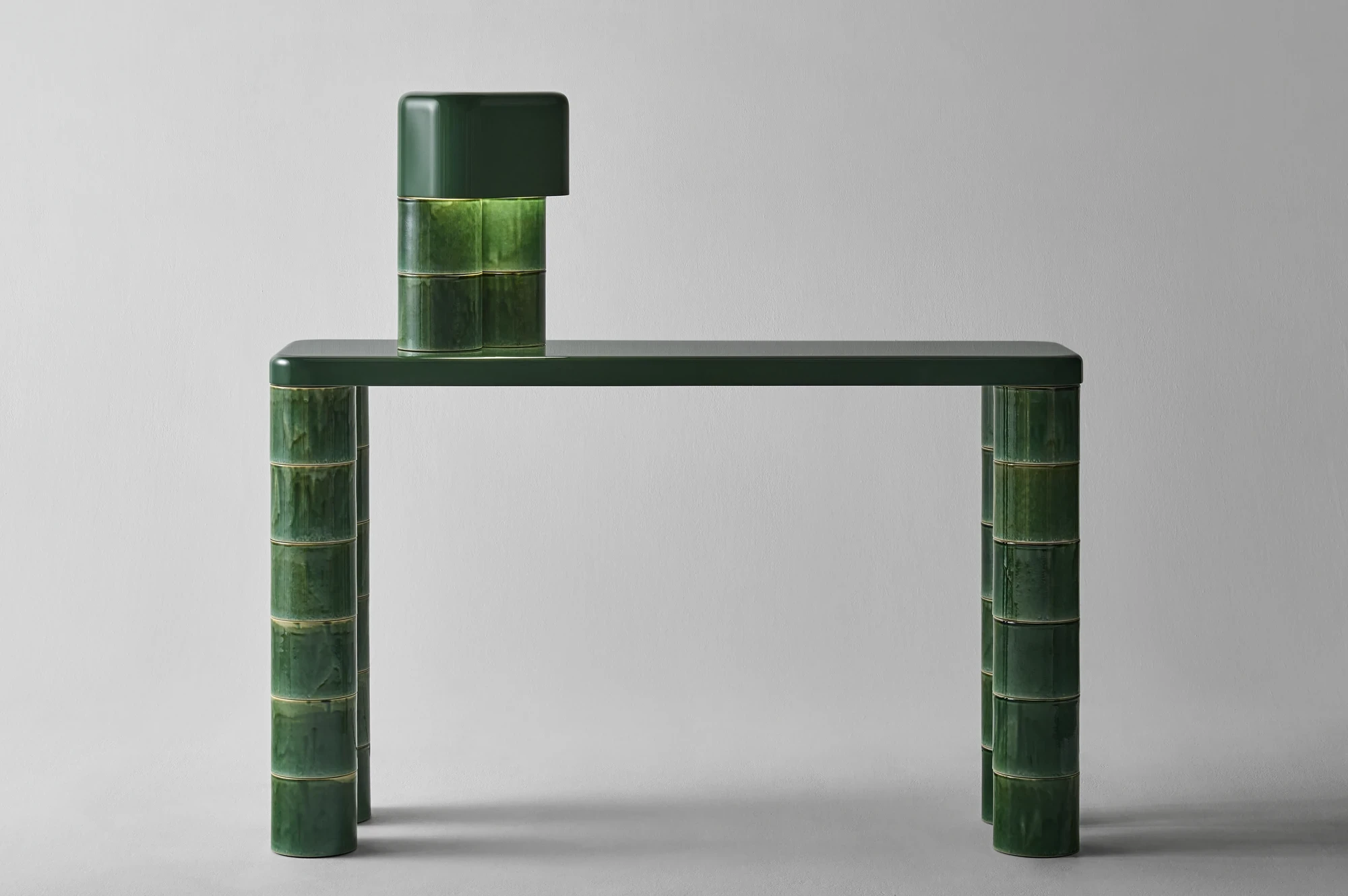
From a studio in Tokyo, David Caon develops FUSHI with Gifu kiln Fudogama, a modular system in which a single Mino Yaki cylinder builds both a console and a lamp.

FUSHI is the latest release in the Craft x Tech Tokai Project, a programme that pairs international designers with Japanese craft masters to see what happens when an industrial logic is laid over a tradition that has resisted one for thirteen centuries. Caon's collaborator is Yohei Ito, third-generation head of the Fudogama kiln, working in a tradition known as Mino Yaki and animated by what the Momoyama period called Hyouge Mono, a sense of aesthetic rebellion and creative freedom that still lives in the kiln's everyday tableware.

The brief was scale. Mino Yaki rarely strays beyond the size of a tea bowl, and the collaboration set out to take it into the domain of furniture without losing what makes the craft itself.

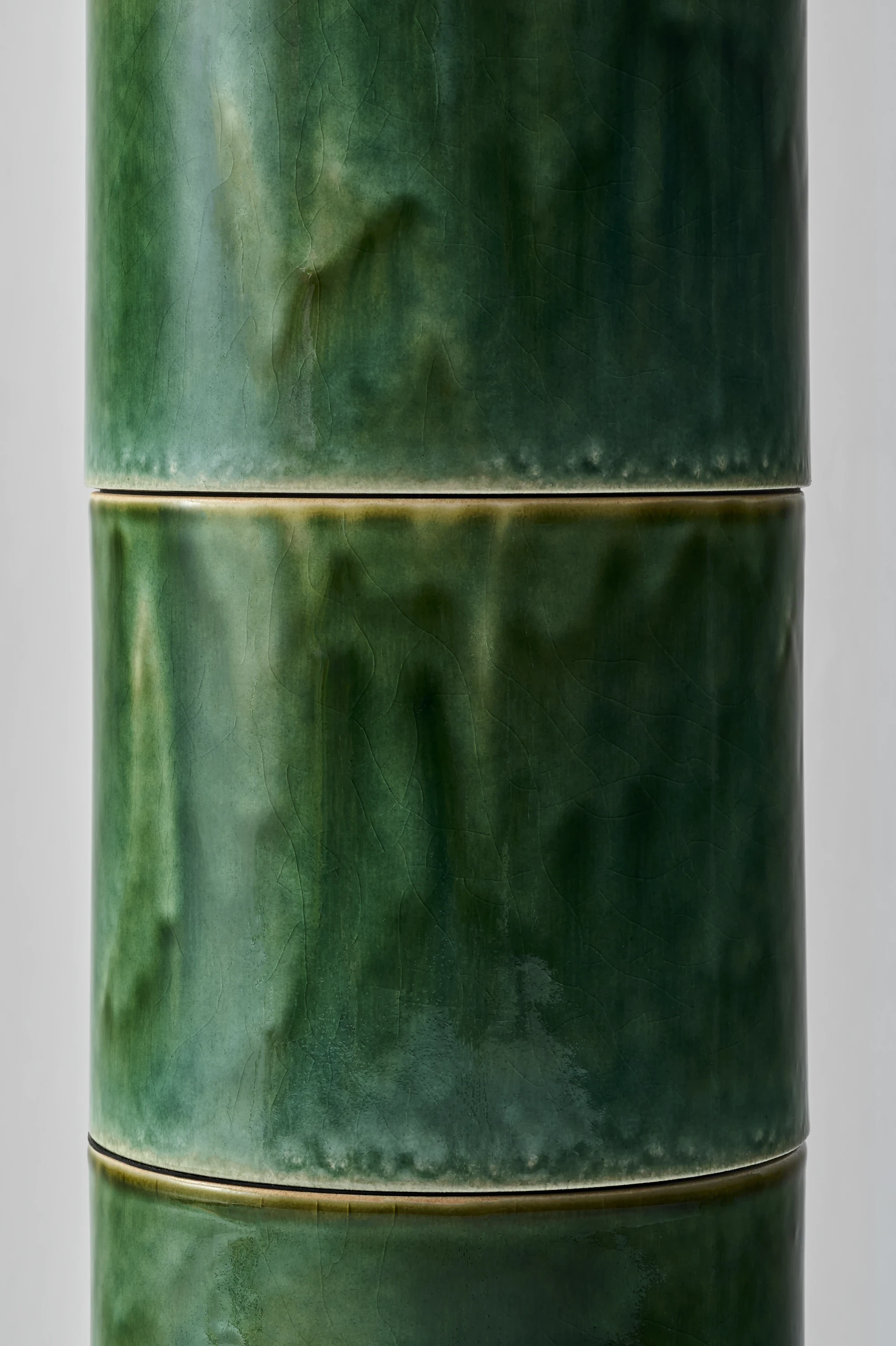
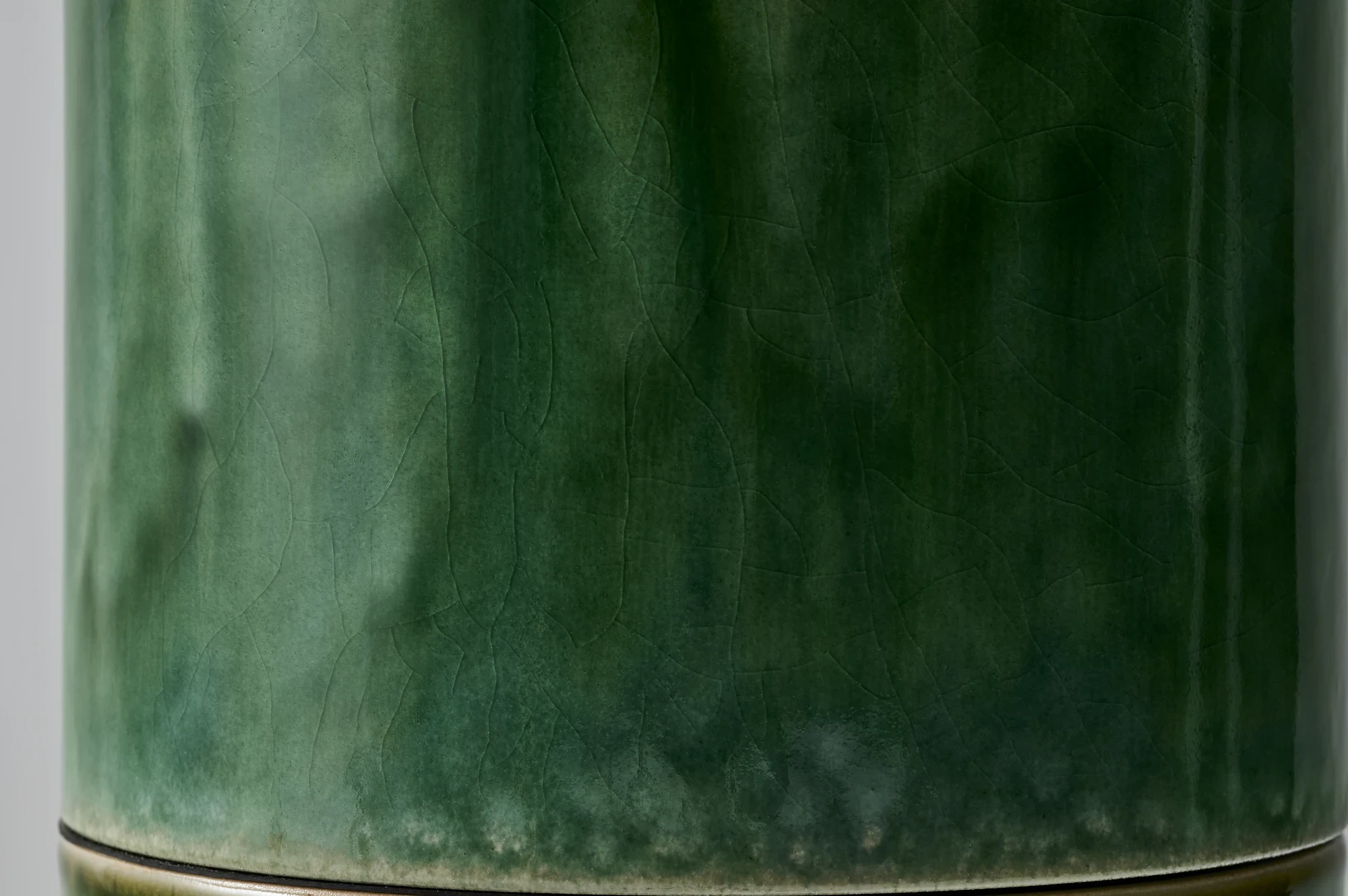
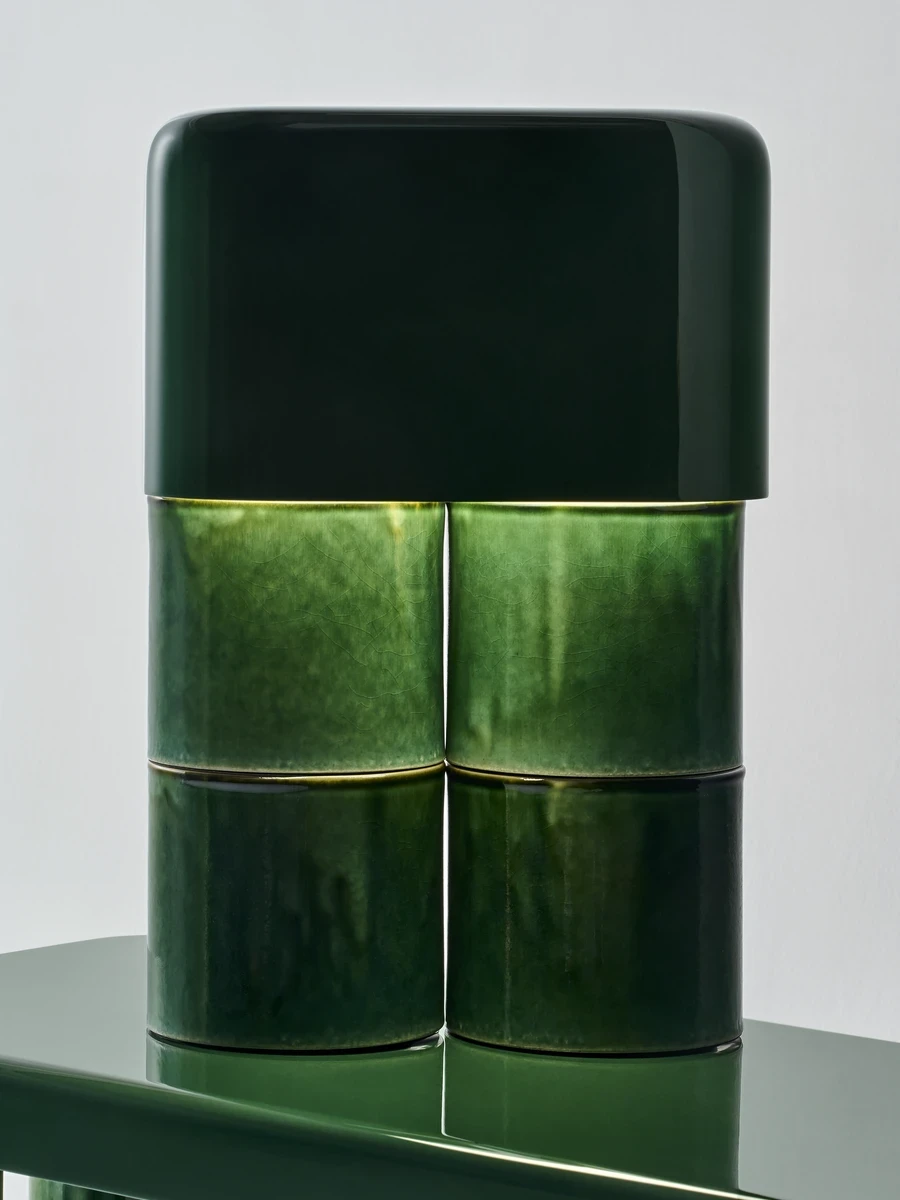
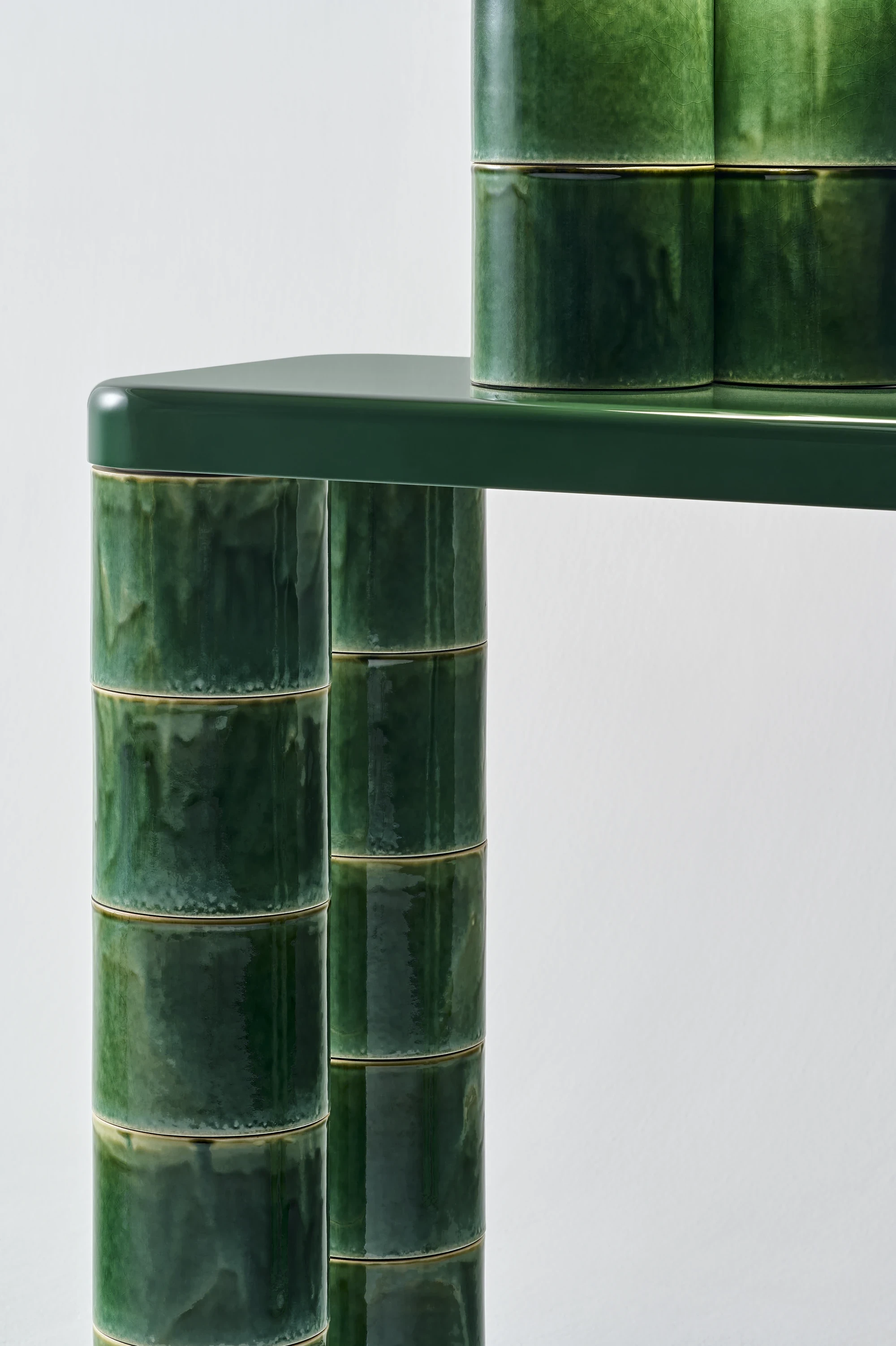
The answer is a single ceramic module: a short cylinder, cast in a mould, dried, fired, dipped in Fudogama's heritage Oribe glaze, and fired again. The form is industrial in spirit; the surface is anything but. In the second firing the green glaze runs, pools, and crackles, leaving each cylinder with its own unrepeatable pattern of streaks and the soft caramel halo where the glaze gathers and burns at the rim. Stacked, those rims become the visible joints of the finished object, a visible echo of the segmented stem of bamboo that gives the project its name.

From this one component, two pieces emerge. The Console is 1400 millimetres wide, supported on four ceramic columns; the Lamp is a 300-millimetre stack on a flat plinth. A precise internal armature of steel and aluminium threads each module onto the next; a contrasting unifying element, a glossy dark-green cap, closes the top of the lamp and forms the top surface of the console. The same cylinder, scaled and re-configured, holds light and holds weight.

What the collaboration tests is whether mass-production and the wilful chemistry of an ancient glaze can occupy the same object without one of them winning. Caon and Ito let the modules arrive identical and let the kiln throw them into chaos. The result is two pieces of furniture that look, at a distance, like a designer's exercise in modularity, and on closer inspection like seven hundred years of pottery refusing to be standardised.
Interested in Showcasing Your Work?

If you would like to feature your works on Thisispaper, please visit our Submission page and sign up to Thisispaper+ to submit your work. Once your submission is approved, your work will be showcased to our global audience of 2 million art, architecture, and design professionals and enthusiasts.
No items found.
We love less
but there is more.
Become a Thisispaper+ member today to unlock full access to our magazine, advanced tools, and support our work.
Get two months FREE
with annual subscription
We love less
but there is more.
Become a Thisispaper+ member today to unlock full access to our magazine, advanced tools, and support our work.
Get two months FREE
with annual subscription
No items found.
Alexander Zaxarov
Jun 15, 2026

From a studio in Tokyo, David Caon develops FUSHI with Gifu kiln Fudogama, a modular system in which a single Mino Yaki cylinder builds both a console and a lamp.

FUSHI is the latest release in the Craft x Tech Tokai Project, a programme that pairs international designers with Japanese craft masters to see what happens when an industrial logic is laid over a tradition that has resisted one for thirteen centuries. Caon's collaborator is Yohei Ito, third-generation head of the Fudogama kiln, working in a tradition known as Mino Yaki and animated by what the Momoyama period called Hyouge Mono, a sense of aesthetic rebellion and creative freedom that still lives in the kiln's everyday tableware.

The brief was scale. Mino Yaki rarely strays beyond the size of a tea bowl, and the collaboration set out to take it into the domain of furniture without losing what makes the craft itself.

The answer is a single ceramic module: a short cylinder, cast in a mould, dried, fired, dipped in Fudogama's heritage Oribe glaze, and fired again. The form is industrial in spirit; the surface is anything but. In the second firing the green glaze runs, pools, and crackles, leaving each cylinder with its own unrepeatable pattern of streaks and the soft caramel halo where the glaze gathers and burns at the rim. Stacked, those rims become the visible joints of the finished object, a visible echo of the segmented stem of bamboo that gives the project its name.

From this one component, two pieces emerge. The Console is 1400 millimetres wide, supported on four ceramic columns; the Lamp is a 300-millimetre stack on a flat plinth. A precise internal armature of steel and aluminium threads each module onto the next; a contrasting unifying element, a glossy dark-green cap, closes the top of the lamp and forms the top surface of the console. The same cylinder, scaled and re-configured, holds light and holds weight.

What the collaboration tests is whether mass-production and the wilful chemistry of an ancient glaze can occupy the same object without one of them winning. Caon and Ito let the modules arrive identical and let the kiln throw them into chaos. The result is two pieces of furniture that look, at a distance, like a designer's exercise in modularity, and on closer inspection like seven hundred years of pottery refusing to be standardised.
Interested in Showcasing Your Work?

If you would like to feature your works on Thisispaper, please visit our Submission page and subscribe to Thisispaper+. Once your submission is approved, your work will be showcased to our global audience of 2 million art, architecture, and design professionals and enthusiasts.
No items found.

Join Thisispaper+
Unlock access to 2500 stories, curated guides + editions, and share your work with a global network of architects, artists, writers and designers who are shaping the future.
Get two months FREE
with annual subscription
Travel Guides
Immerse yourself in timeless destinations, hidden gems, and creative spaces—curated by humans, not algorithms.
Explore All Guides +
Submission Module
Submit your project and gain the chance to showcase your work to our worldwide audience of over 2M architects, designers, artists, and curious minds.
Learn More+
Curated Editions
Dive deeper into carefully curated editions, designed to feed your curiosity and foster exploration.
Off-the-Grid
Jutaku
Sacral Journey
minimum
The New Chair
Explore All Editions +
Atlas
A new and interactive way to explore the most inspiring places around the world.
Interactive map
Linked to articles
300+ curated locations
Google + Apple directions
Smart filters
Subscribe to Explore+
Become a Thisispaper+ member today to unlock full access to our magazine, submit your project and support our work.
Join Thisispaper+Join Thisispaper+
€ 9 EUR
/month
Cancel anytime
Get two months FREE
with annual subscription