Thisispaper Community
Join today.
Enter your email address to receive the latest news on emerging art, design, lifestyle and tech from Thisispaper, delivered straight to your inbox.
Oops! Something went wrong while submitting the form.
Instant access to new channels
The top stories curated daily
Weekly roundups of what's important
Original features and deep dives
Exclusive community features
The New Chair
under the patronage of
The Woman's Chair by Shushana Khachatrian
Alexander Zaxarov
Sep 16, 2026

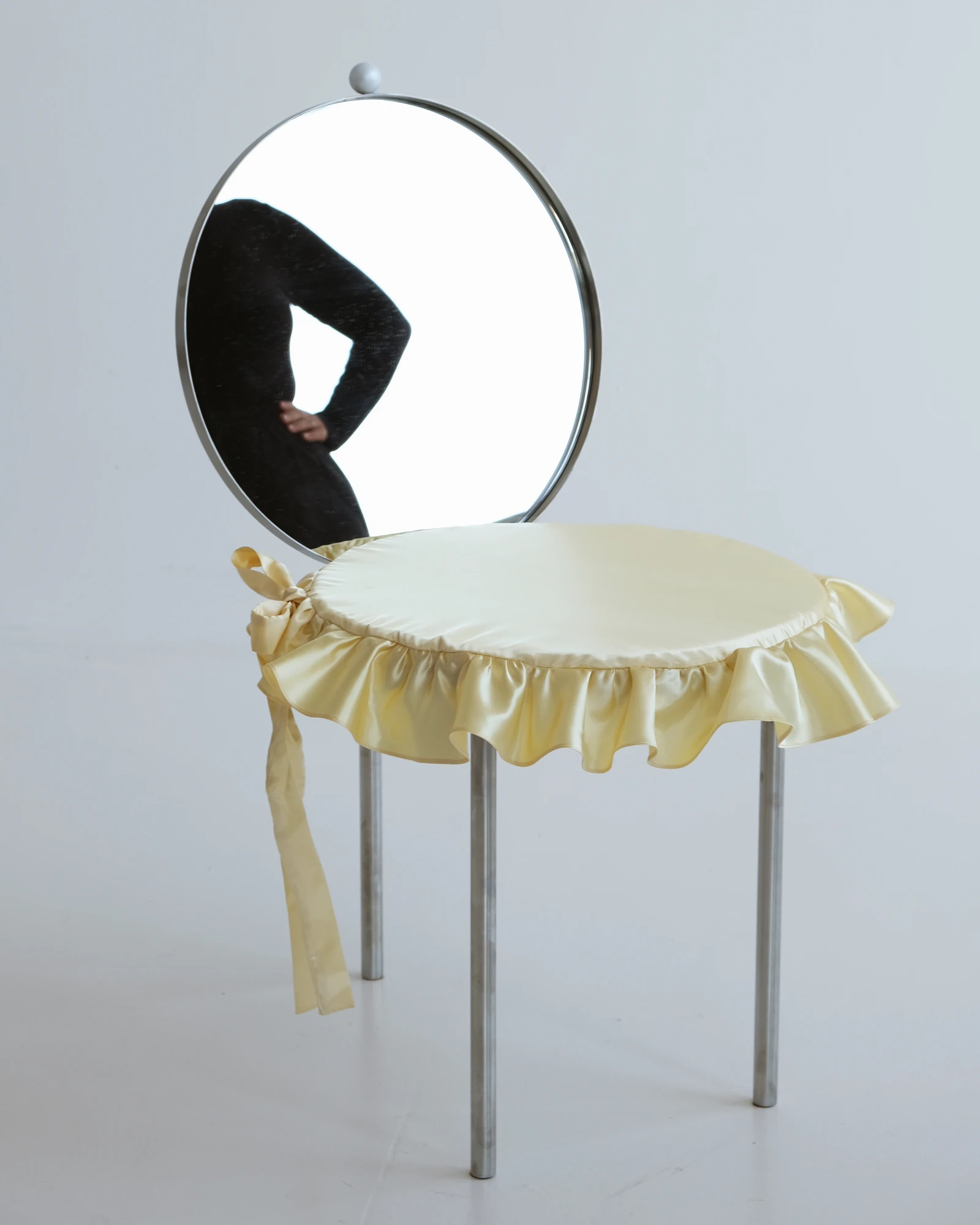
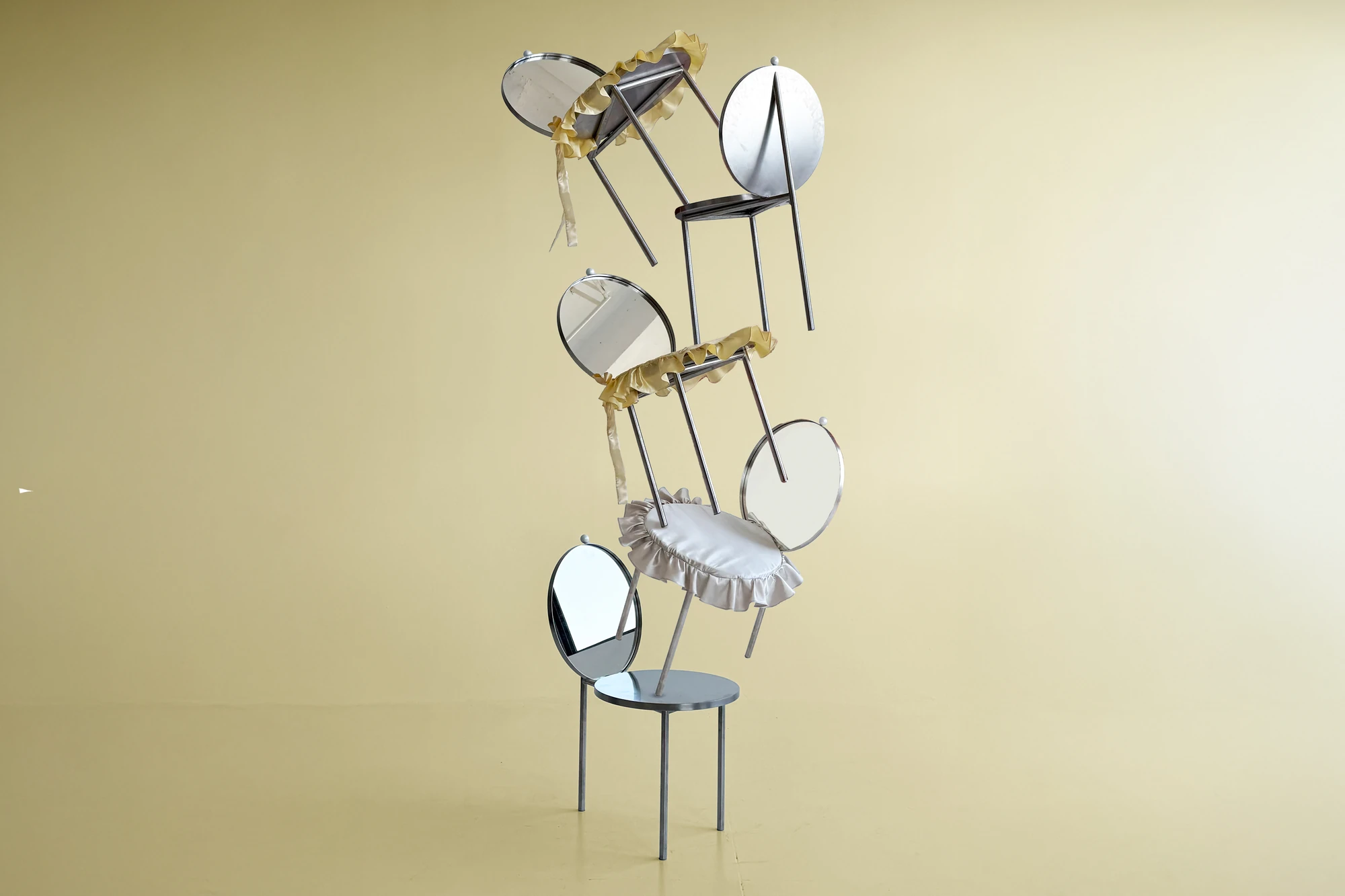
In Yerevan, designer Shushana Khachatrian of Studio Shoo builds The Woman's Chair, a sculptural seat on three stainless-steel legs whose angled backrest refuses to let anyone recline.

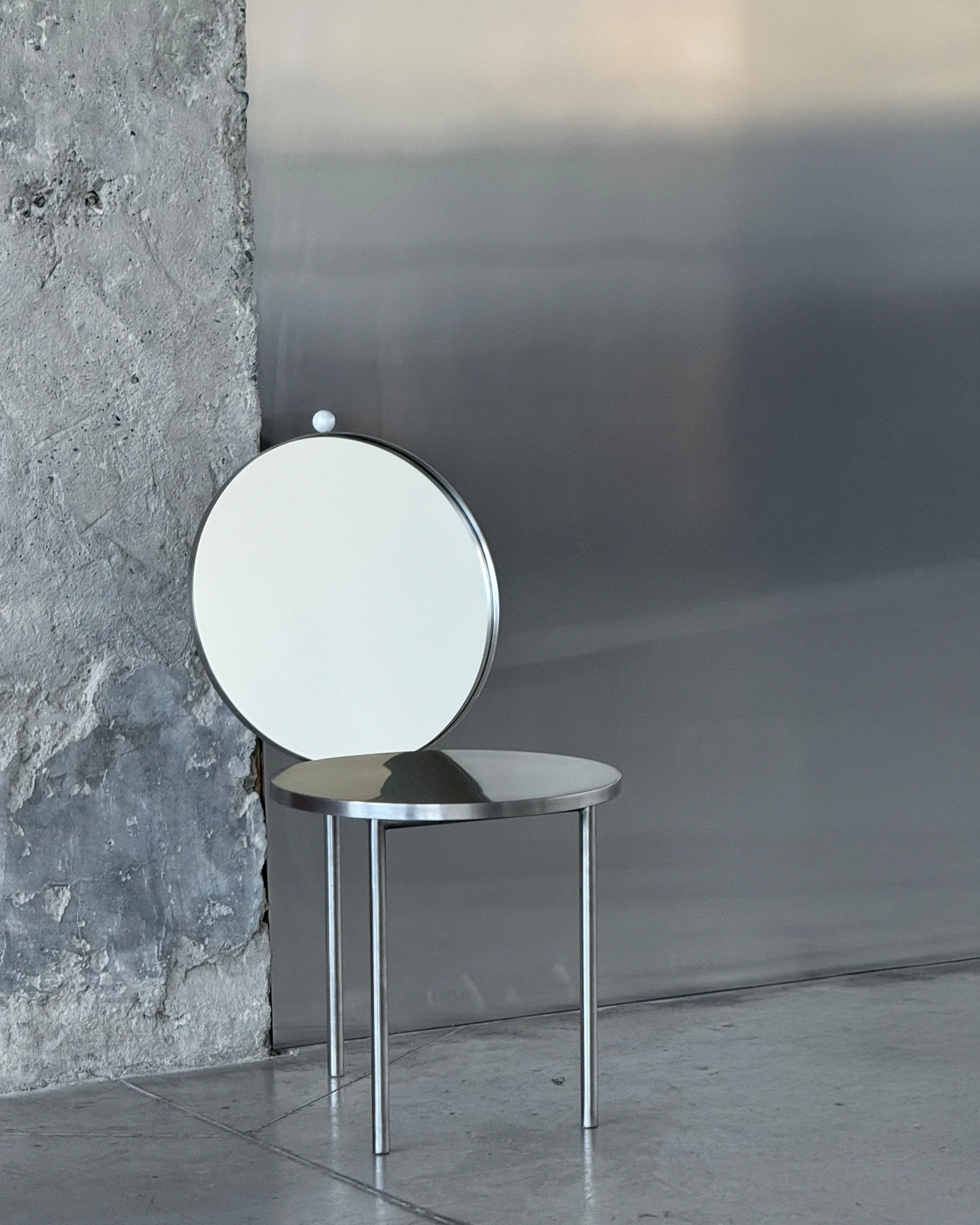
The Woman's Chair looks, at first, like a piece of furniture that wants to please. Shushana Khachatrian, the designer behind Studio Shoo, built it to do the opposite. It is a sculptural object about the pressures placed on women, and its function “deliberately resists comfort, turning the familiar act of sitting into a physical and symbolic experience.”

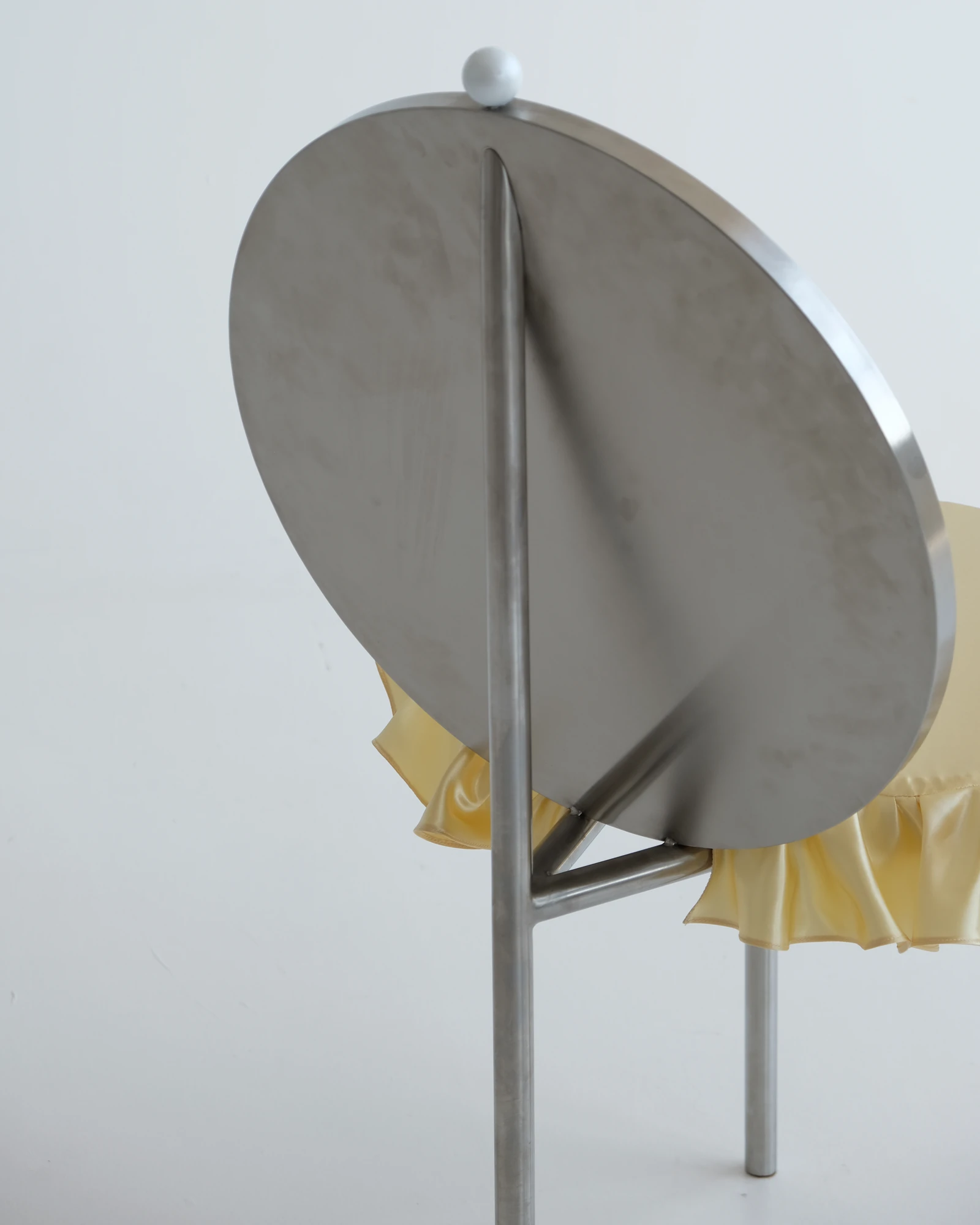
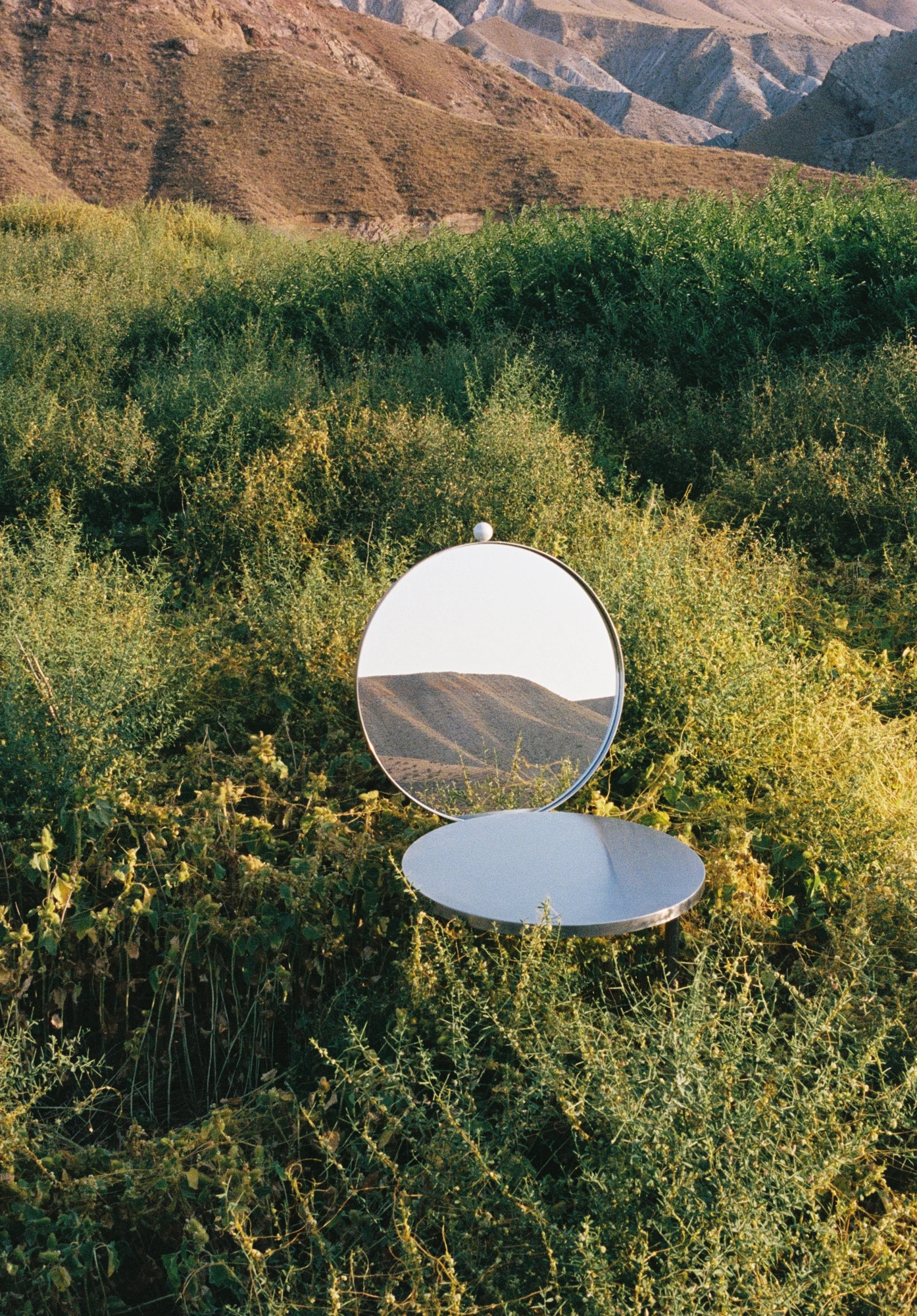
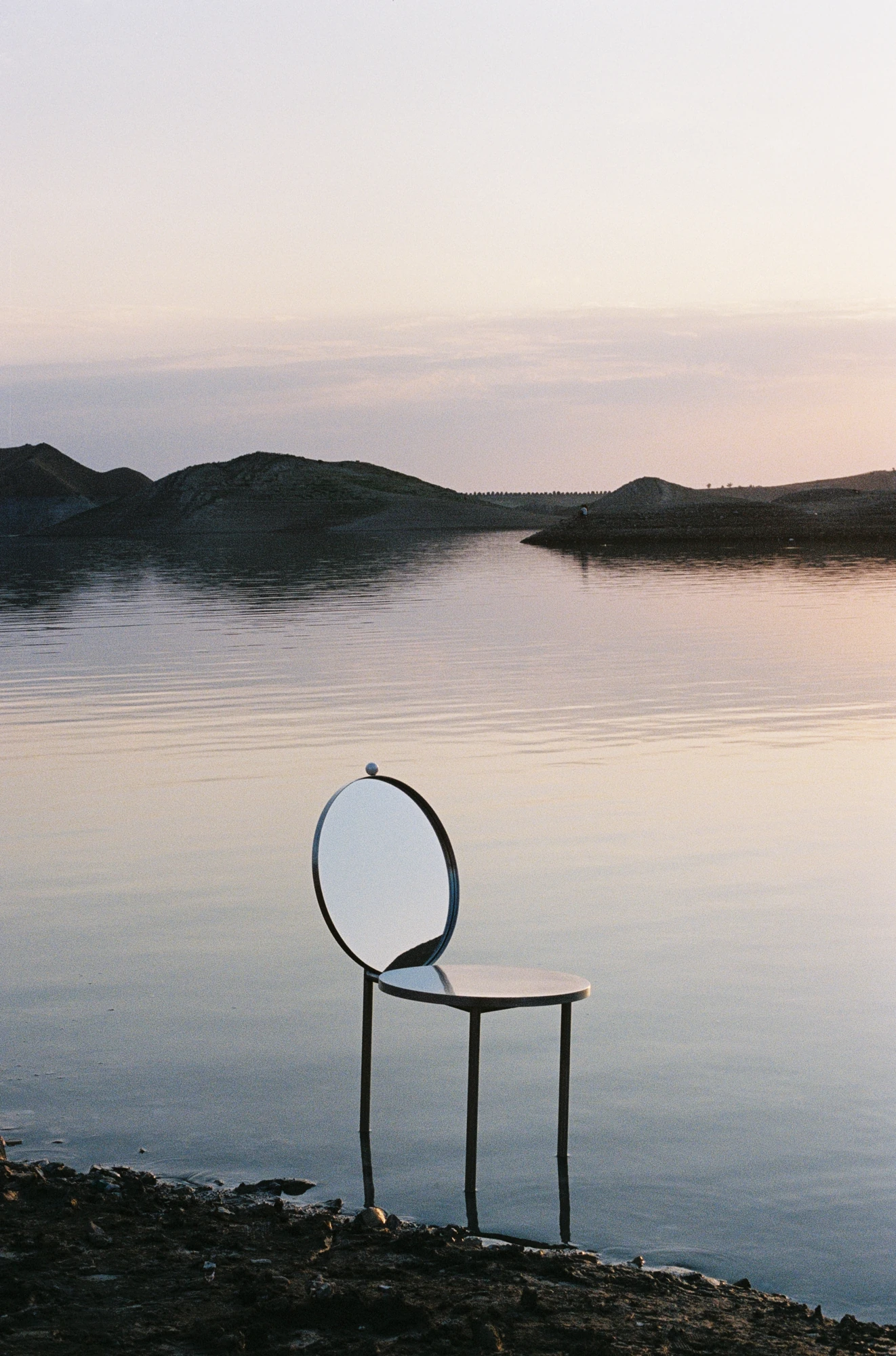
The seat rests on three stainless-steel legs, a count that introduces a subtle sense of instability. The backrest is angled so the sitter cannot lean into it, holding the body upright. Khachatrian reads those limits as the demands a woman is taught to meet: “to sit still, remain composed, occupy space carefully, and adapt themselves to expectations imposed by culture and society.”

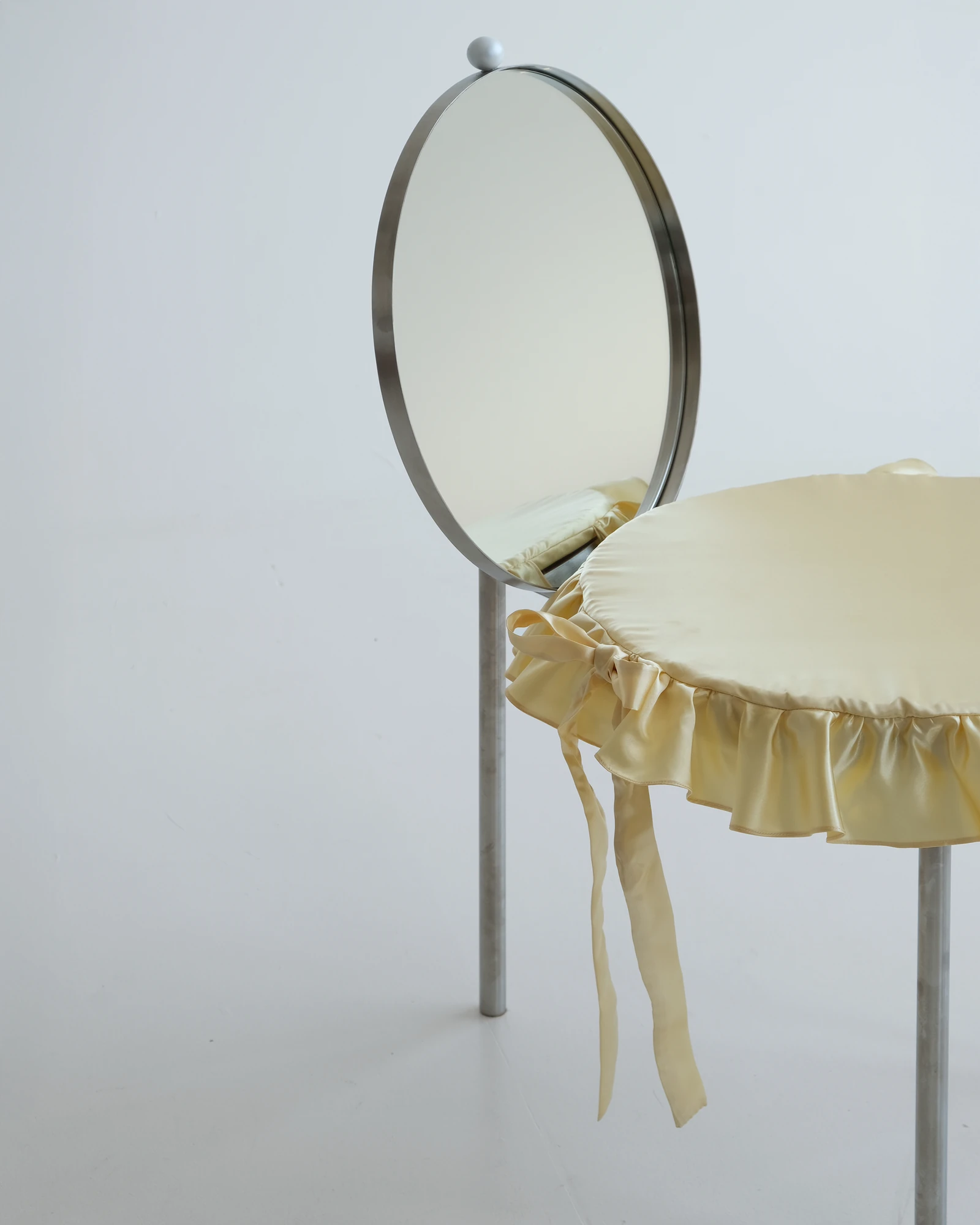
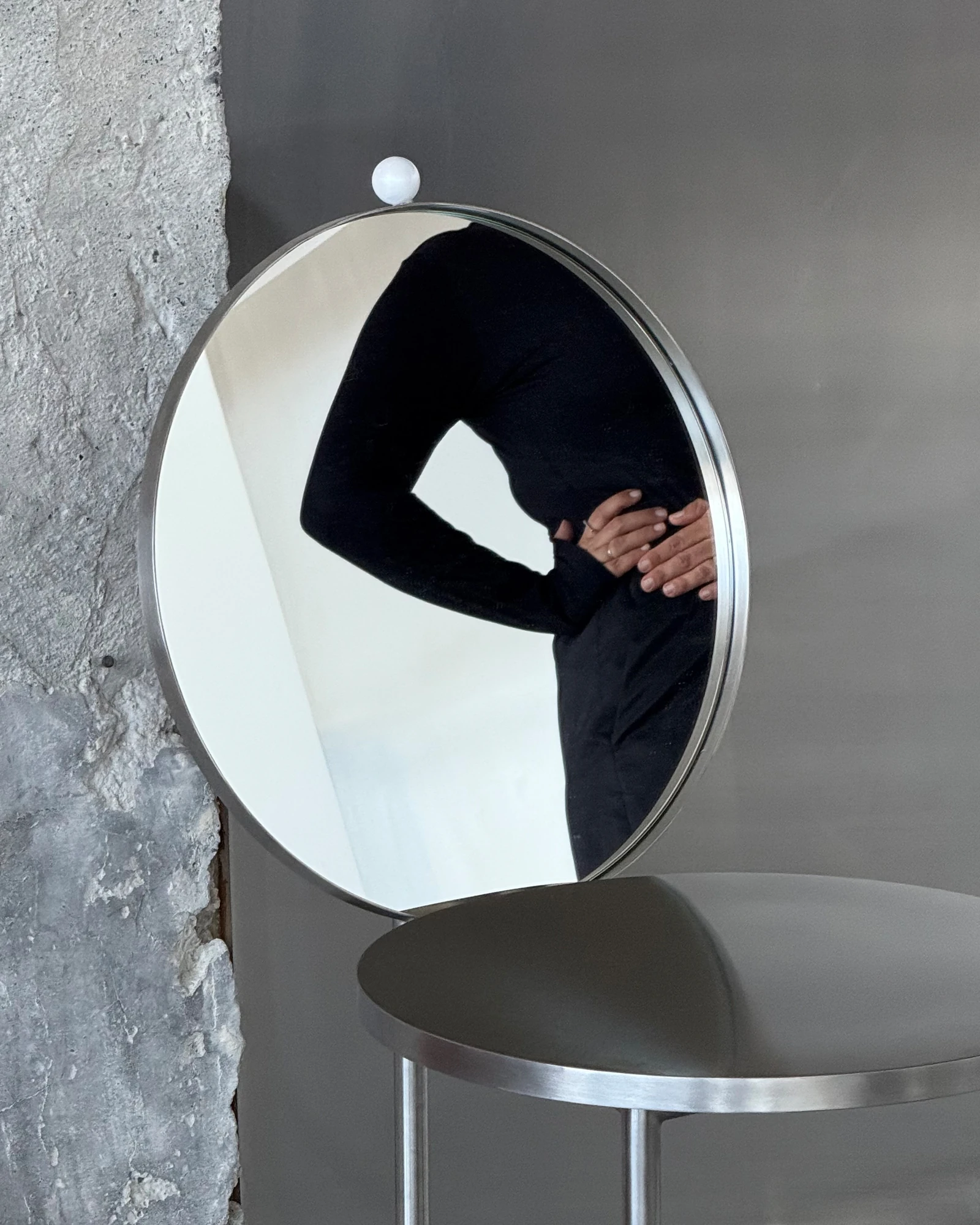
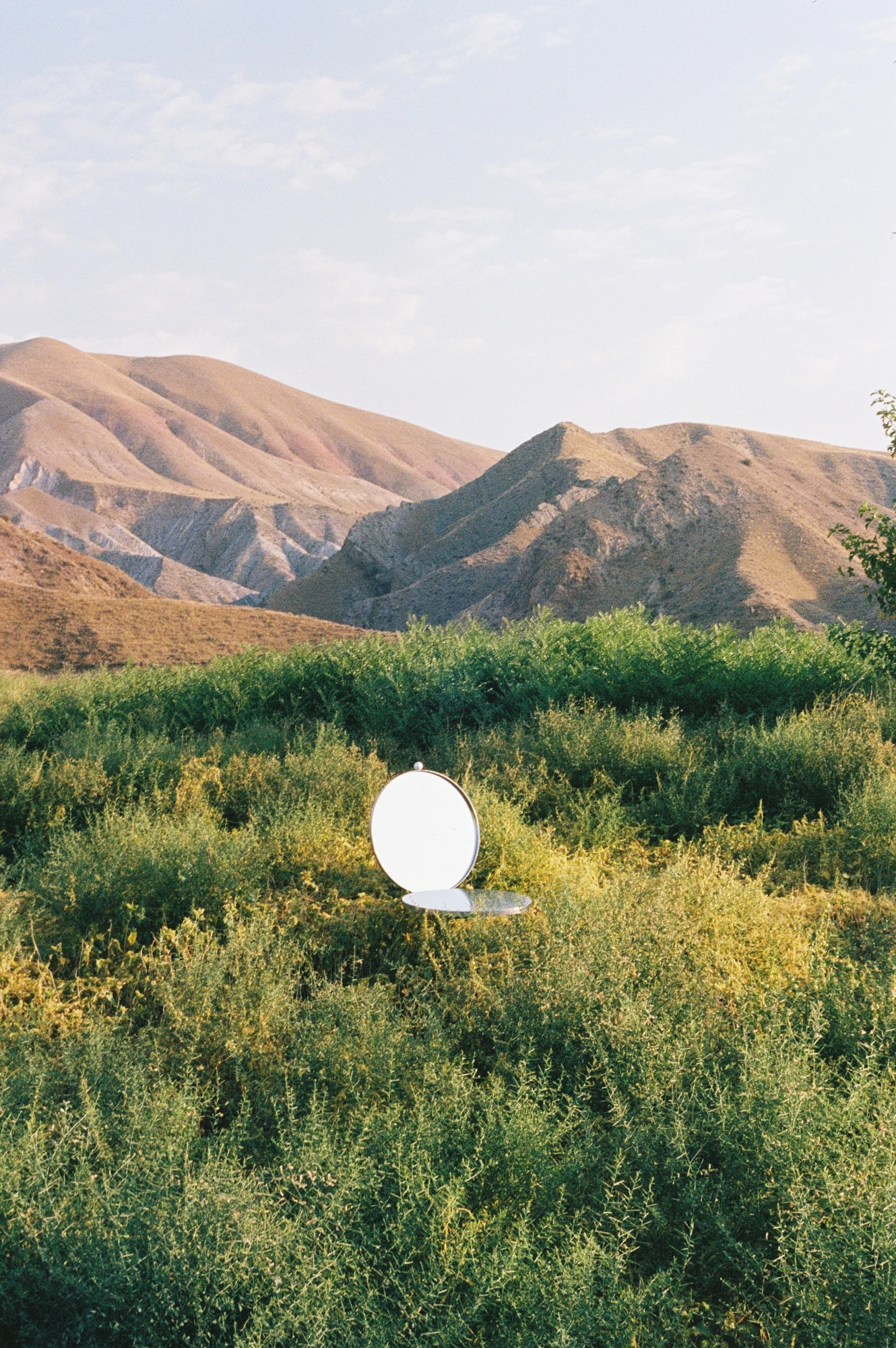
Set into the backrest is a mirror. It returns only a fleeting reflection, one that disappears the moment the sitter moves, so it never settles into a portrait. Rather than showing the person seated, it stands in for visibility, identity, and control, and for how quickly perception can shift.

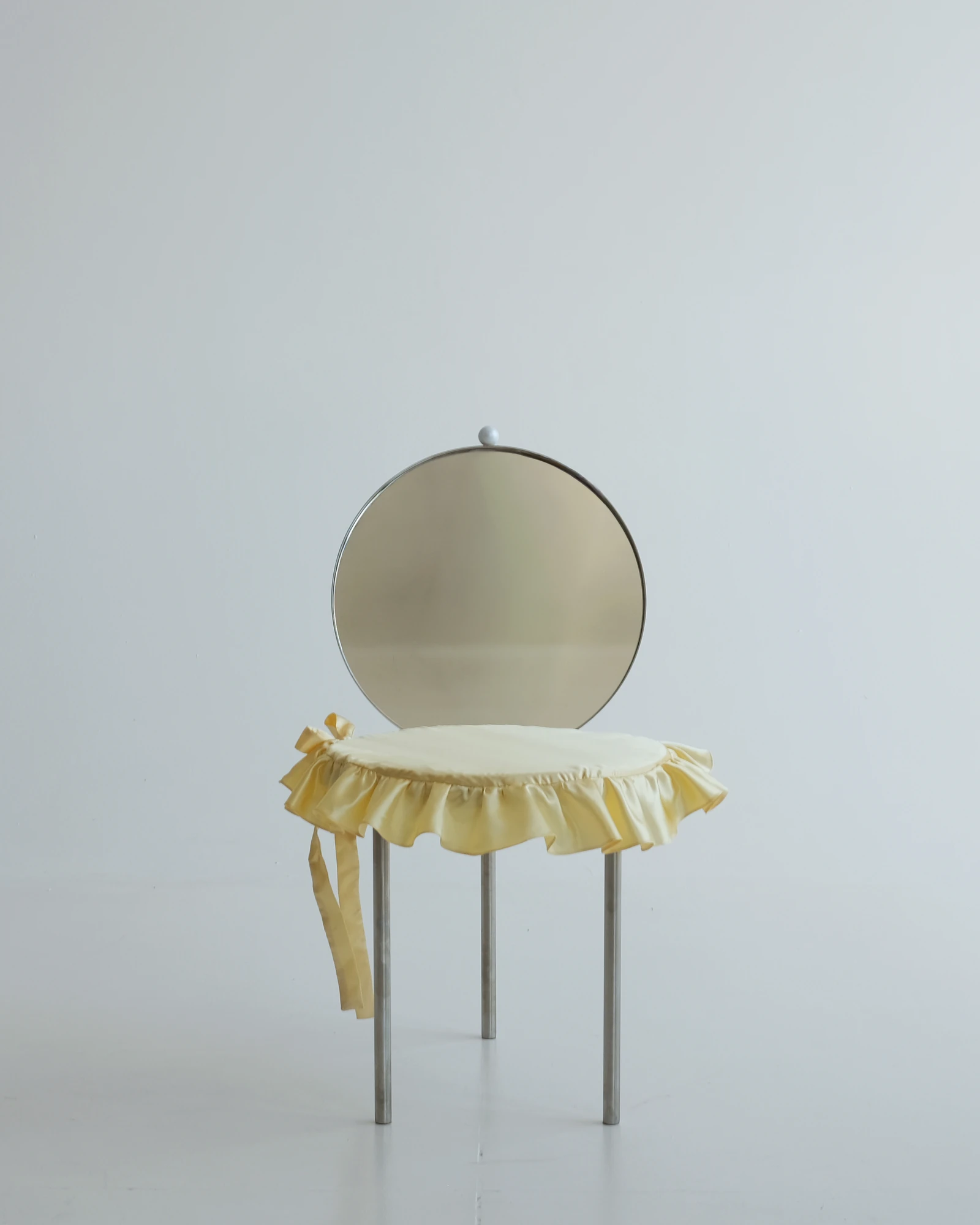
The material palette carries the same argument. Stainless steel was chosen for its strength and durability, a hard structural frame. Against it, the seat can be dressed with a satin cushion finished in frills, its softness an intentionally unexpected note. The frilled satin suggests ornament, the metal resistance, and together they hold the contradictory demand on women to be “simultaneously strong yet gentle, visible yet restrained, confident yet composed.”

Canate, an Armenian furniture manufacturer, translated the concept into a built object, and the satin cushion was handmade by fashion designer Hrachuhi Martirosyan, giving the piece an artisanal edge. The Woman's Chair sits between furniture, sculpture, and social commentary. Its discomfort is the point, a physical manifestation of the invisible boundaries that continue to shape how women are encouraged to occupy the world.
Interested in Showcasing Your Work?

If you would like to feature your works on Thisispaper, please visit our Submission page and sign up to Thisispaper+ to submit your work. Once your submission is approved, your work will be showcased to our global audience of 2 million art, architecture, and design professionals and enthusiasts.
No items found.
Less, with more behind it.
Explore guides. Search the archive. Walk the atlas.
Become a Thisispaper+ member today to unlock full access to our magazine, advanced tools, and support our work.
Get two months FREE
with annual subscription
Less, with more behind it.
Explore guides. Search the archive. Walk the atlas.
Become a Thisispaper+ member today to unlock full access to our magazine, advanced tools, and support our work.
Get two months FREE
with annual subscription
No items found.
Alexander Zaxarov
Sep 16, 2026

In Yerevan, designer Shushana Khachatrian of Studio Shoo builds The Woman's Chair, a sculptural seat on three stainless-steel legs whose angled backrest refuses to let anyone recline.

The Woman's Chair looks, at first, like a piece of furniture that wants to please. Shushana Khachatrian, the designer behind Studio Shoo, built it to do the opposite. It is a sculptural object about the pressures placed on women, and its function “deliberately resists comfort, turning the familiar act of sitting into a physical and symbolic experience.”

The seat rests on three stainless-steel legs, a count that introduces a subtle sense of instability. The backrest is angled so the sitter cannot lean into it, holding the body upright. Khachatrian reads those limits as the demands a woman is taught to meet: “to sit still, remain composed, occupy space carefully, and adapt themselves to expectations imposed by culture and society.”

Set into the backrest is a mirror. It returns only a fleeting reflection, one that disappears the moment the sitter moves, so it never settles into a portrait. Rather than showing the person seated, it stands in for visibility, identity, and control, and for how quickly perception can shift.

The material palette carries the same argument. Stainless steel was chosen for its strength and durability, a hard structural frame. Against it, the seat can be dressed with a satin cushion finished in frills, its softness an intentionally unexpected note. The frilled satin suggests ornament, the metal resistance, and together they hold the contradictory demand on women to be “simultaneously strong yet gentle, visible yet restrained, confident yet composed.”

Canate, an Armenian furniture manufacturer, translated the concept into a built object, and the satin cushion was handmade by fashion designer Hrachuhi Martirosyan, giving the piece an artisanal edge. The Woman's Chair sits between furniture, sculpture, and social commentary. Its discomfort is the point, a physical manifestation of the invisible boundaries that continue to shape how women are encouraged to occupy the world.
Interested in Showcasing Your Work?

If you would like to feature your works on Thisispaper, please visit our Submission page and subscribe to Thisispaper+. Once your submission is approved, your work will be showcased to our global audience of 2 million art, architecture, and design professionals and enthusiasts.
Thisispaper+
The New Chair
65+ Projects
Web Access
Link to Maps
The smallest brief in the discipline. Bent beech, riveted aluminium, forged steel, salvaged timber set in molten aluminum, plywood veneer, flat-pack logic. Chairs that lean into process, into material memory, into sculpture; chairs that refuse the distinction between furniture and object. Argued out one piece at a time — because the chair is where form and function meet most visibly, and most honestly.
The chair as argument. Backrest, seat, four legs, and every generation's question of what design is.
Explore
The New Chair

Join Thisispaper+
Unlock access to 2500 stories, curated guides + editions, and share your work with a global network of architects, artists and designers who are shaping the future.
Get two months FREE
with annual subscription
Travel Guides
Immerse yourself in timeless destinations, hidden gems, and creative spaces—curated by humans, not algorithms.
Explore All Guides +
Submission Module
Submit your project and gain the chance to showcase your work to our worldwide audience of over 2M architects, designers, artists, and curious minds.
Learn More+
Curated Editions
Dive deeper into carefully curated editions, designed to feed your curiosity and foster exploration.
Off-the-Grid
Jutaku
Sacral Journey
minimum
The New Chair
Explore All Editions +
Atlas
A new and interactive way to explore the most inspiring places around the world.
Interactive map
Linked to articles
450+ curated locations
Google + Apple directions
Smart filters
Subscribe to Explore+
Become a Thisispaper+ member today to unlock full access to our magazine, submit your project and support our work.
Join Thisispaper+Join Thisispaper+
€9/month
Get two months FREE
with annual subscription