Thisispaper Community
Join today.
Enter your email address to receive the latest news on emerging art, design, lifestyle and tech from Thisispaper, delivered straight to your inbox.
Oops! Something went wrong while submitting the form.
Instant access to new channels
The top stories curated daily
Weekly roundups of what's important
Original features and deep dives
Exclusive community features
No items found.
A User Guide by Tian Jianxin
Alexander Zaxarov
Jun 15, 2026

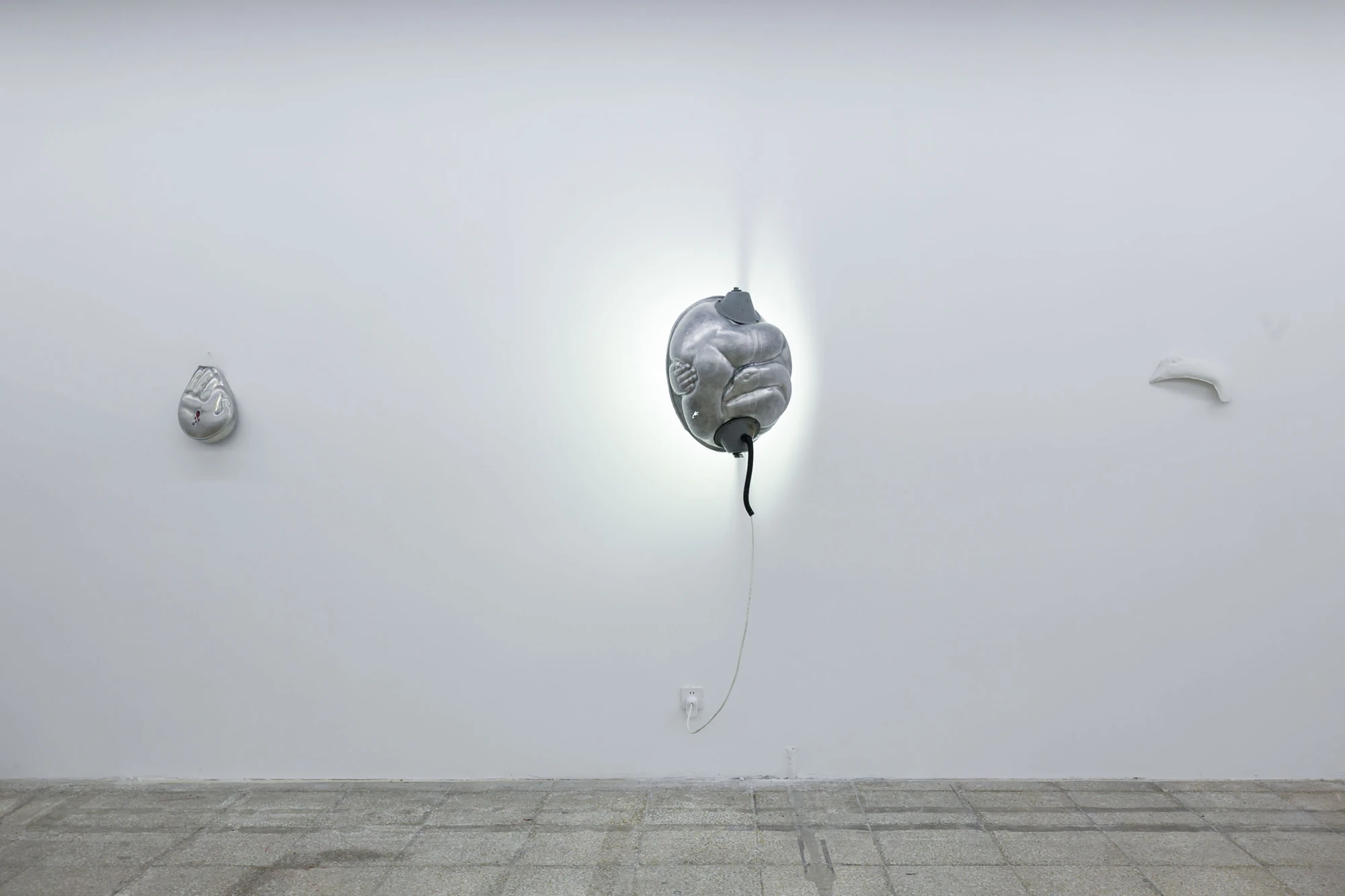
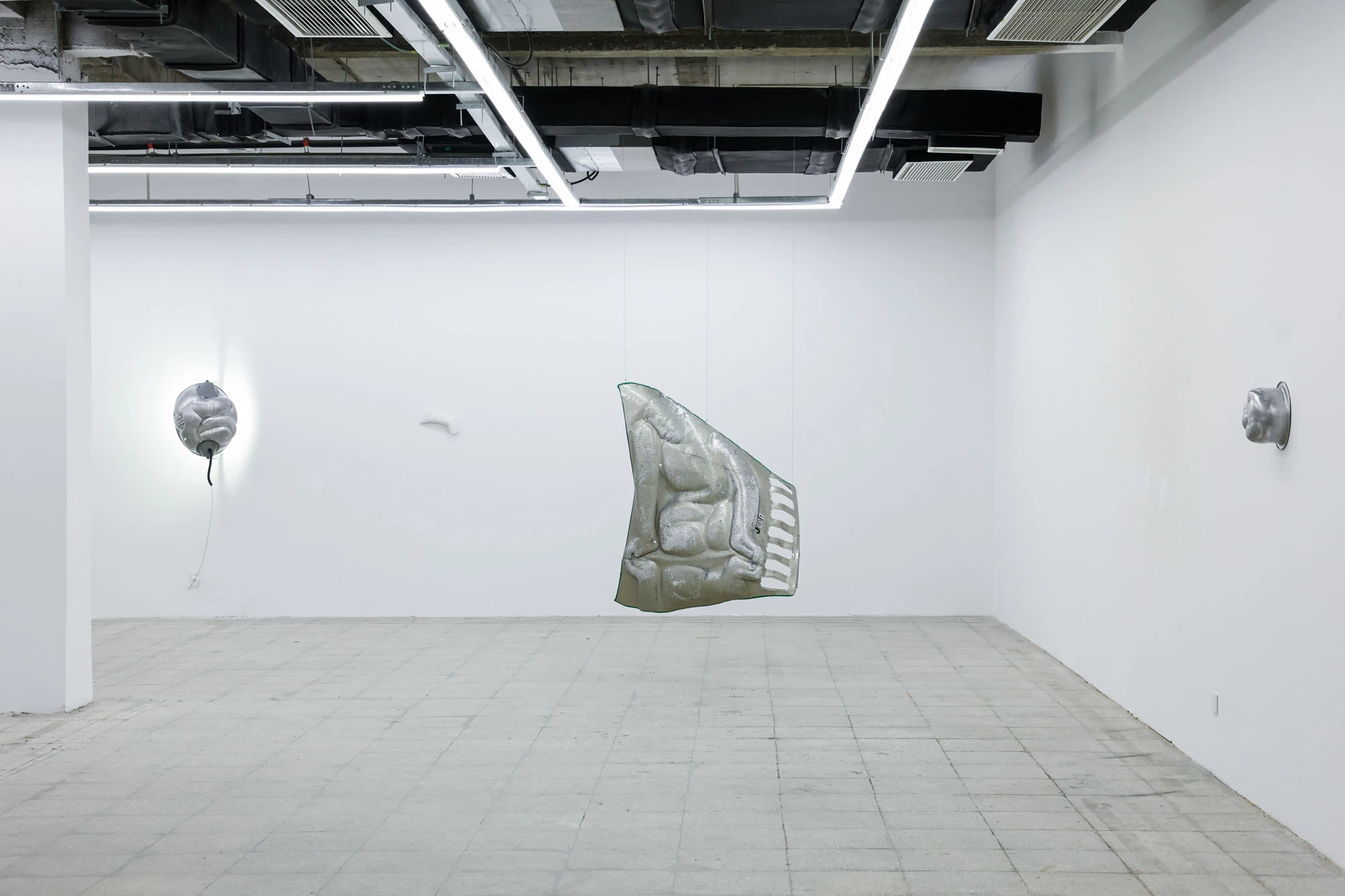
Inside a raw-ceiling space in Beijing's 798 Art District, Capsule stages A User Guide, Tian Jianxin's hammered manual of figures pulled from rice cooker pots, dustpans, and a Soviet fuel barrel.

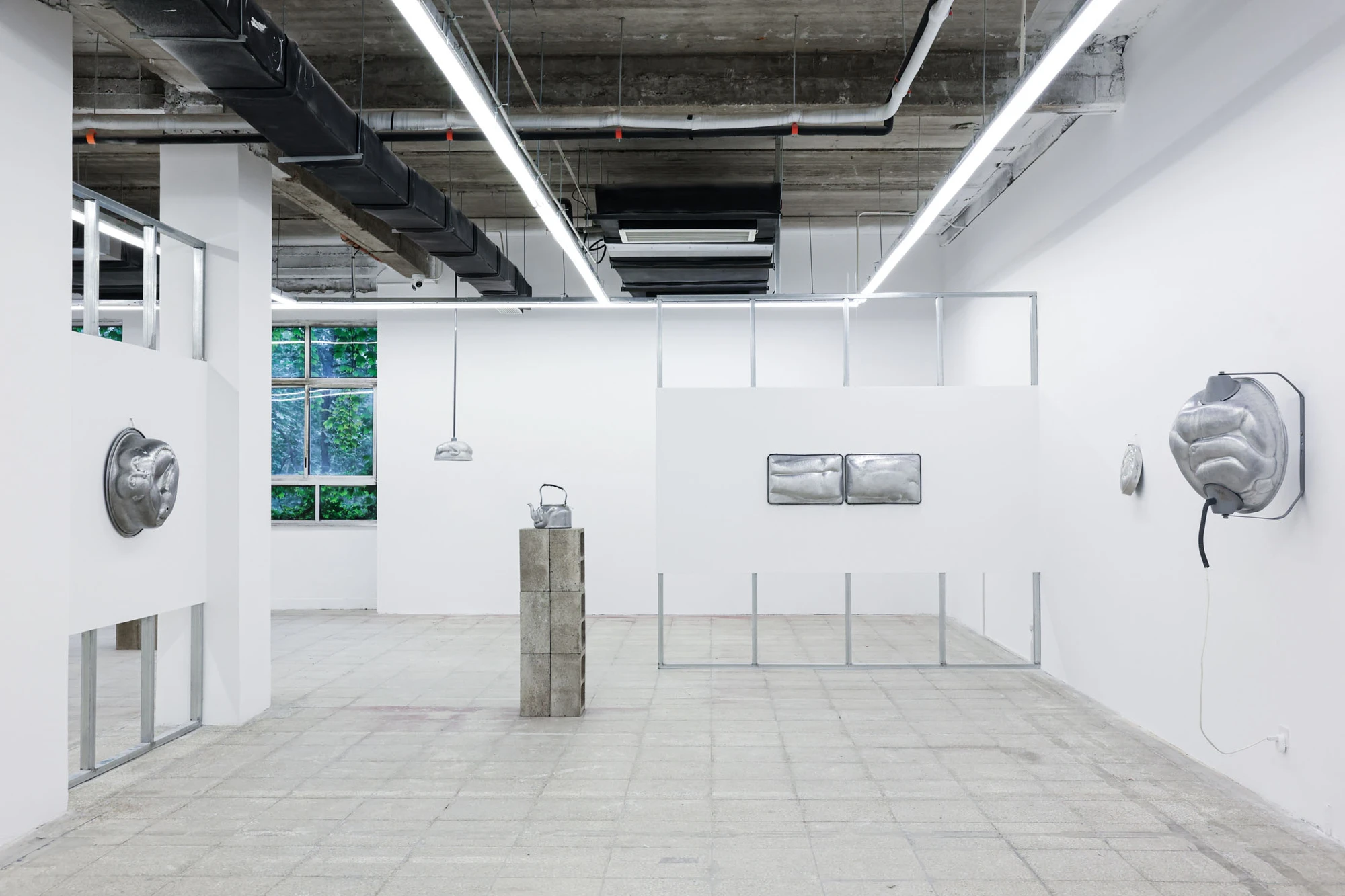
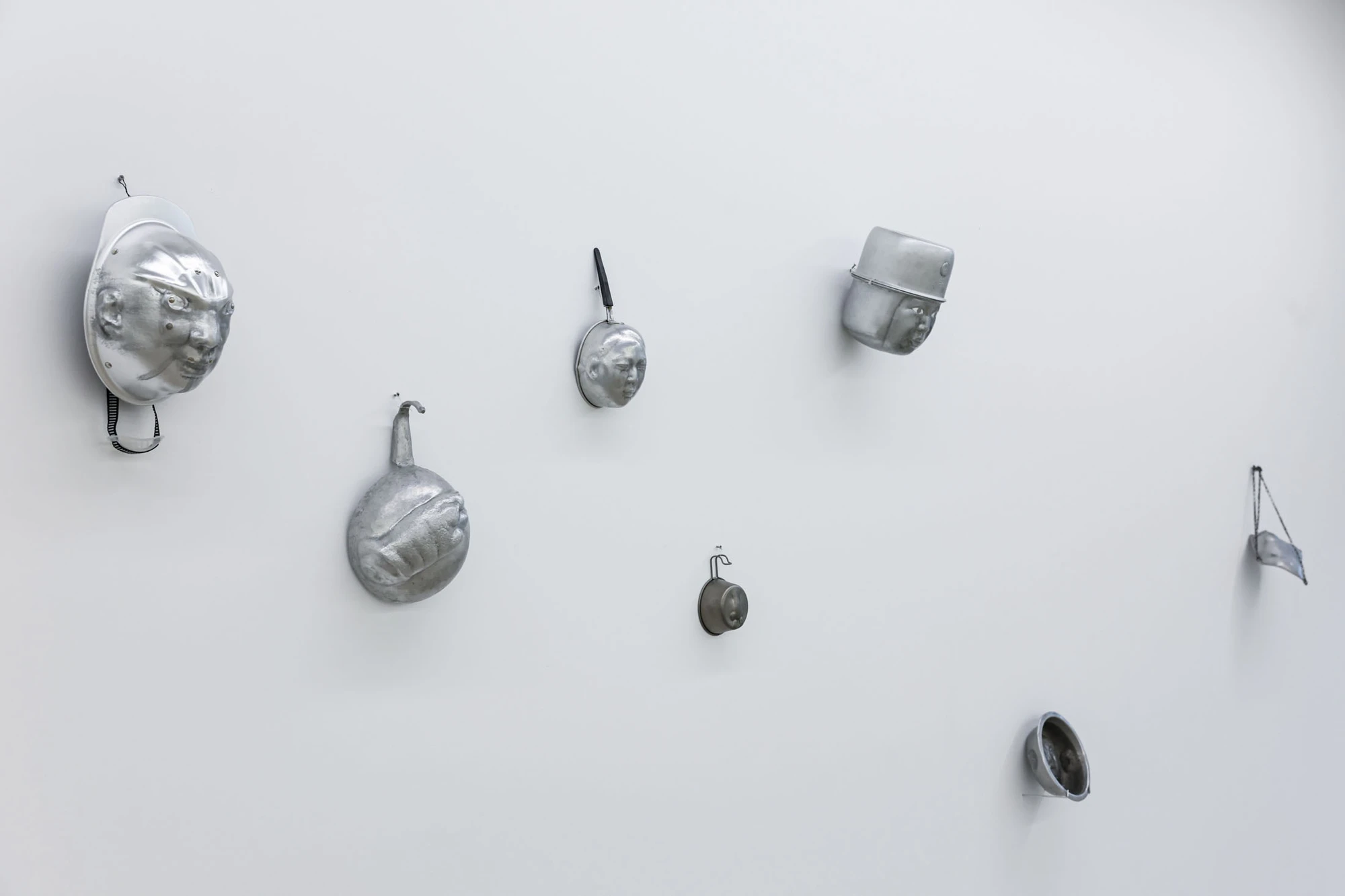
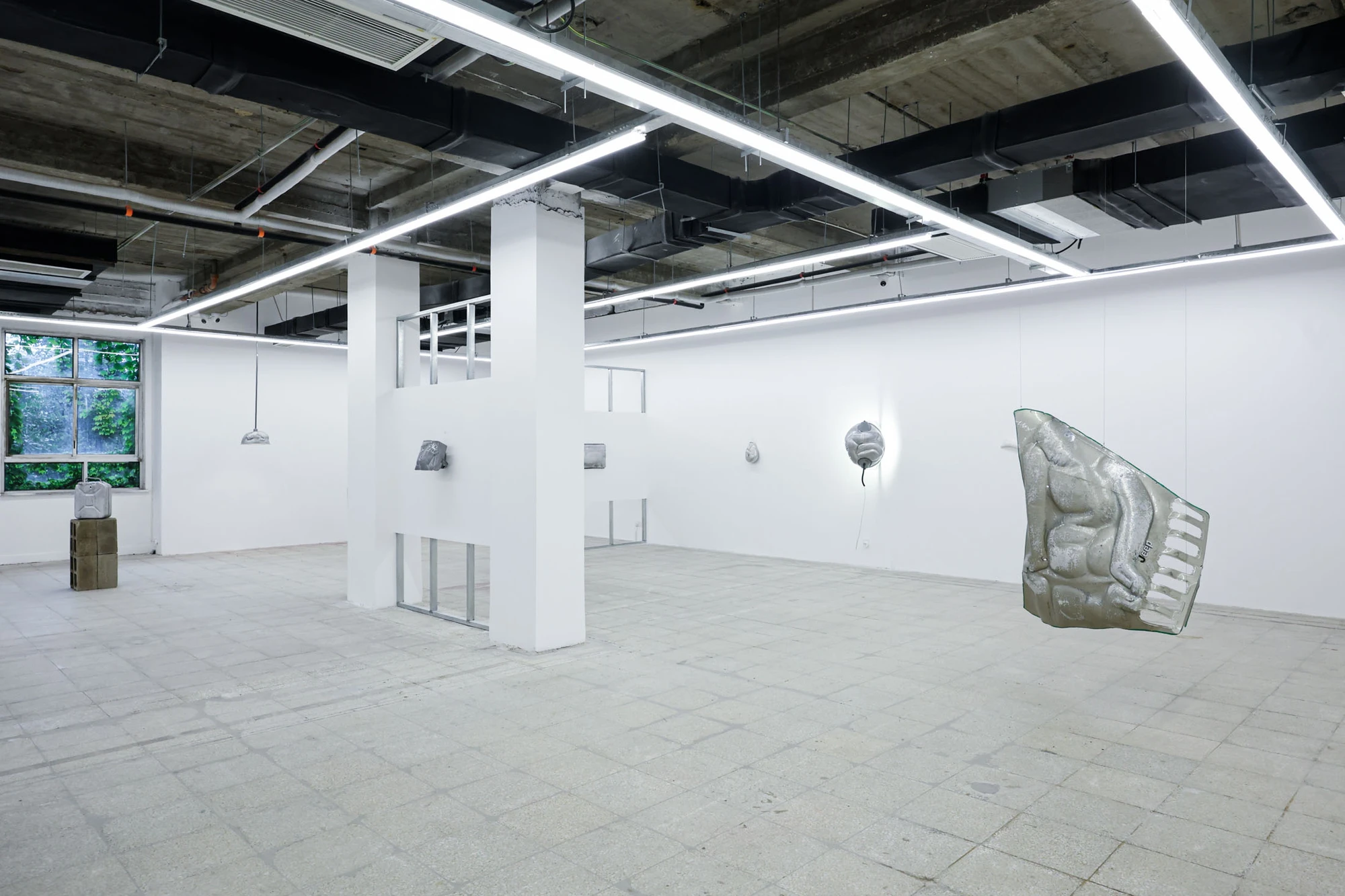
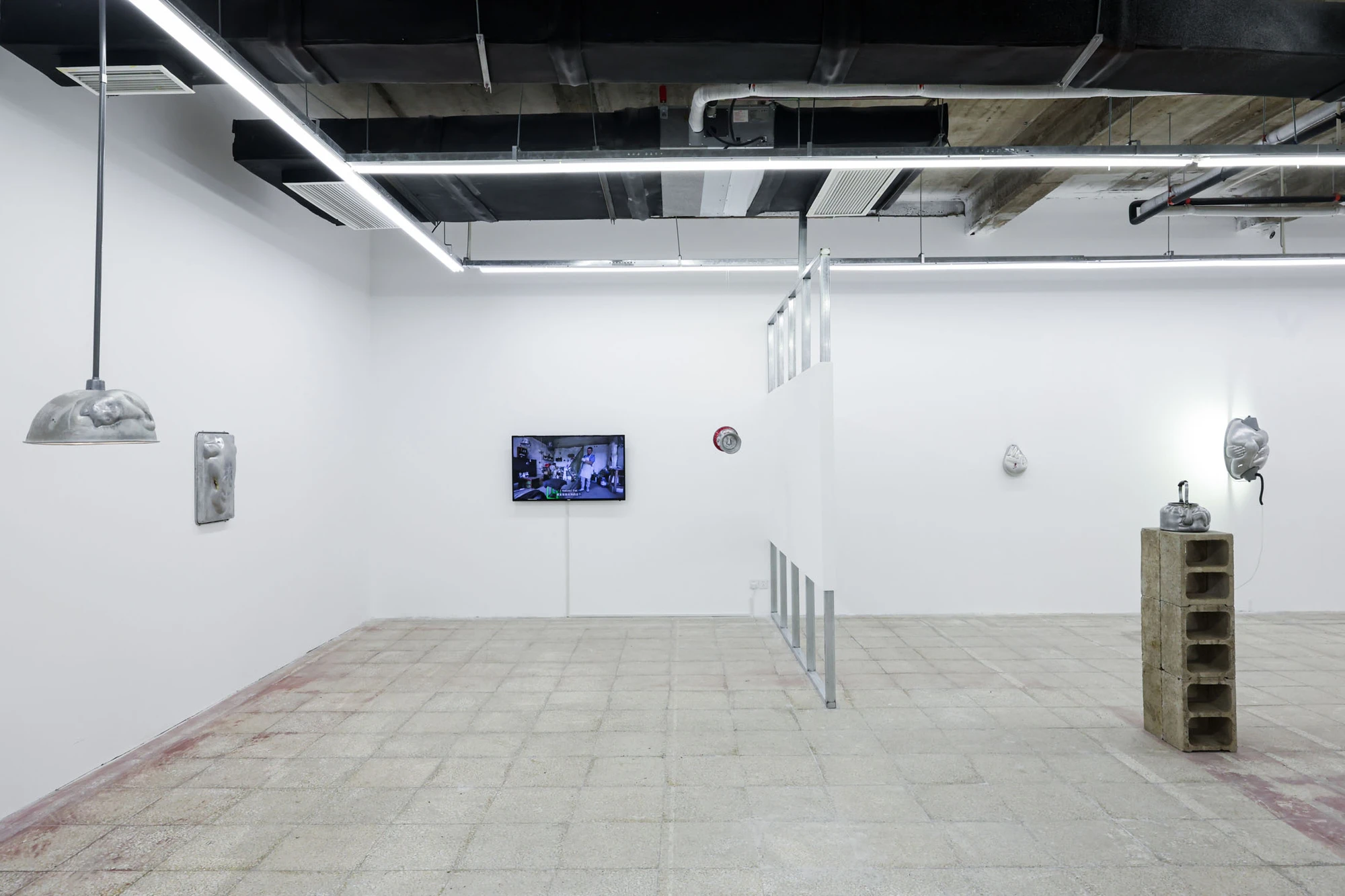
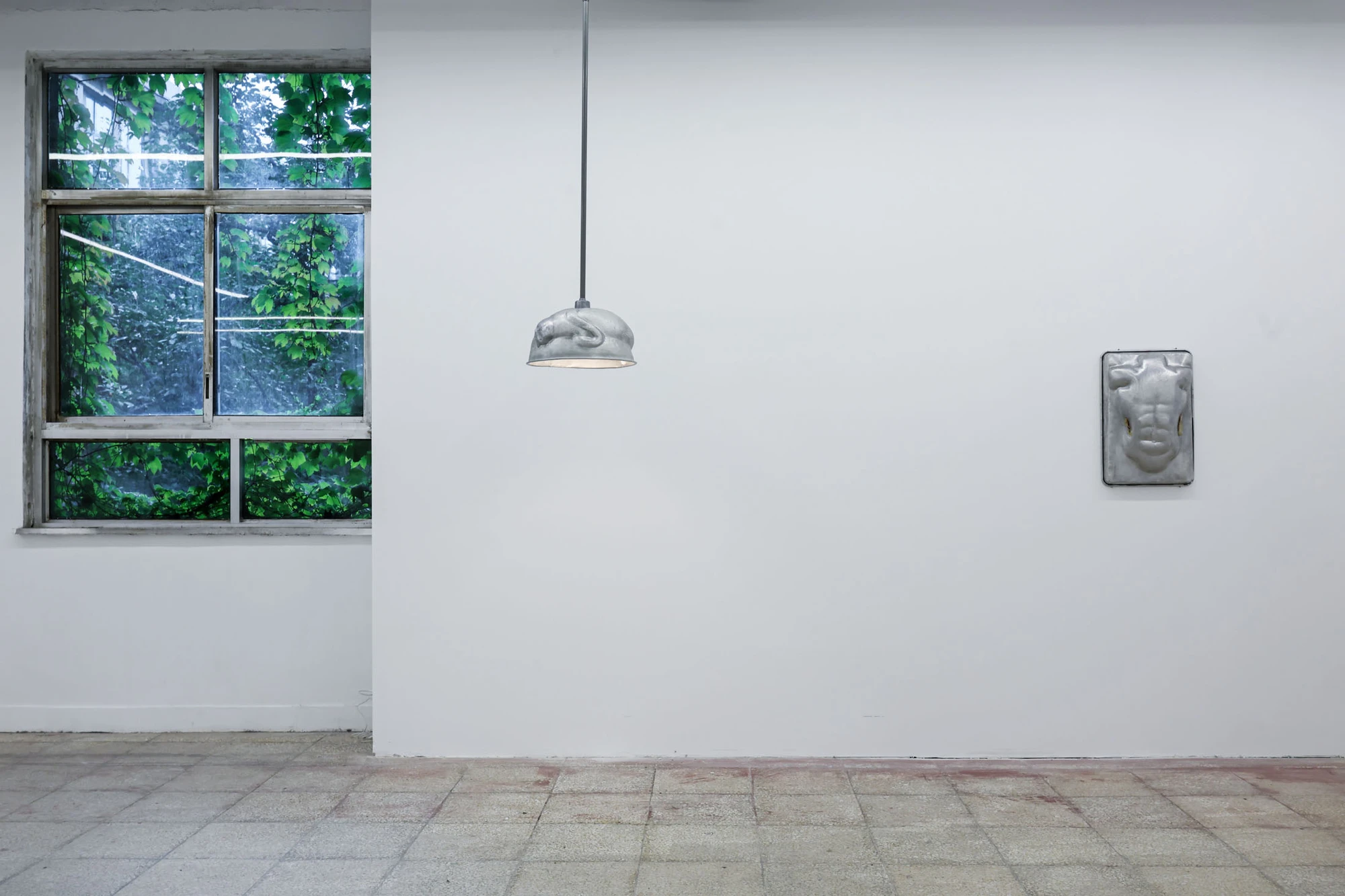
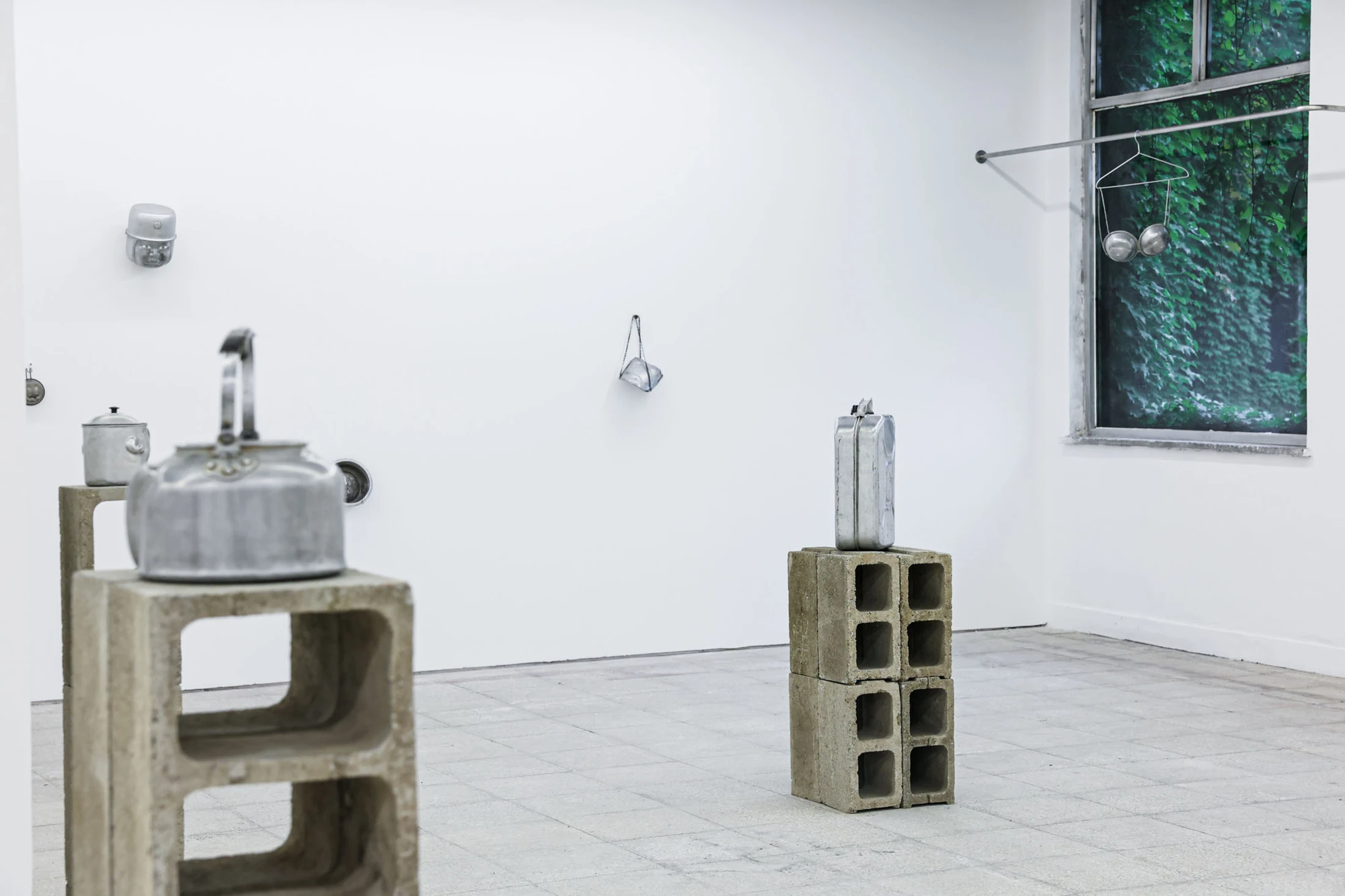
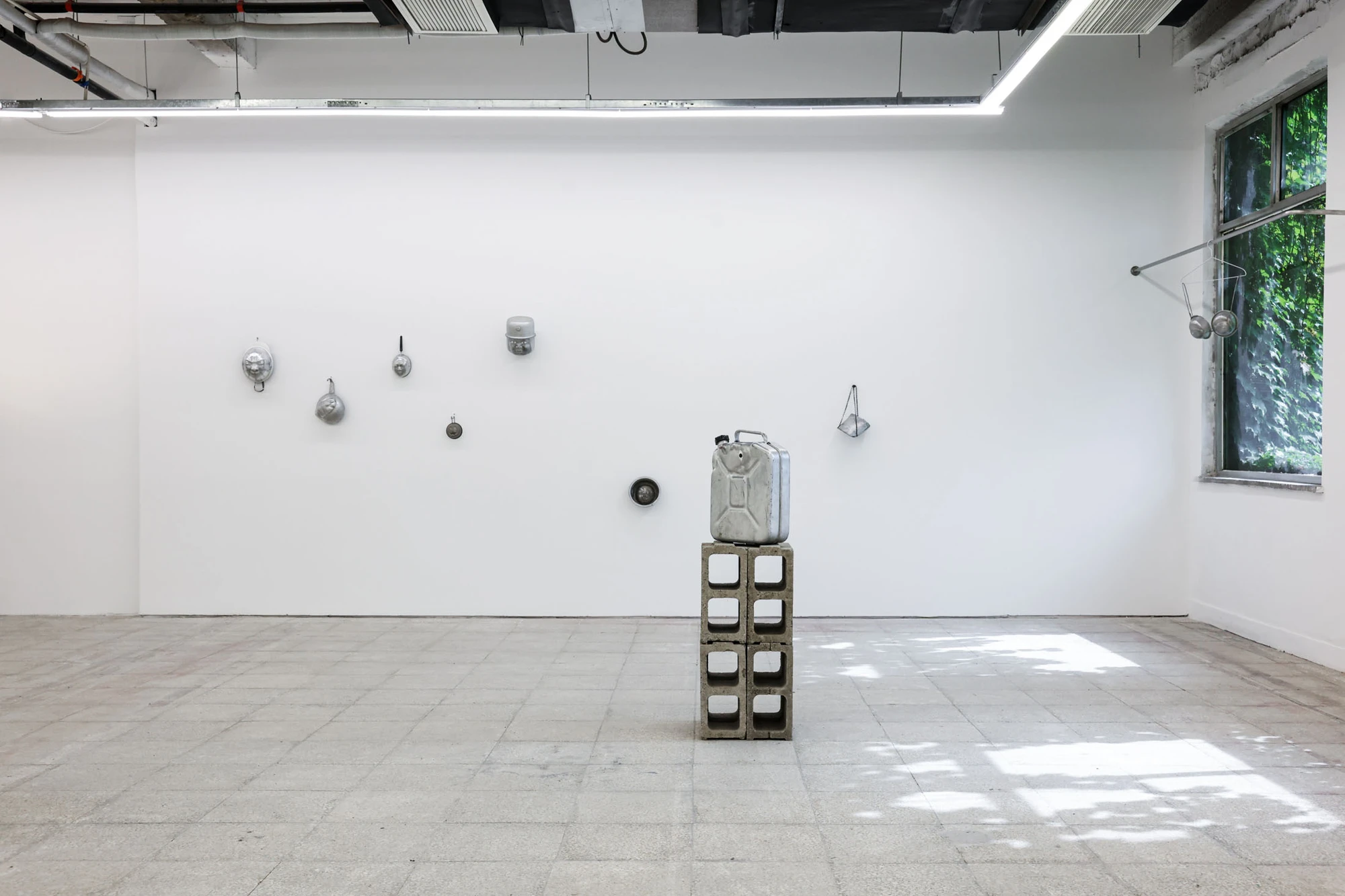
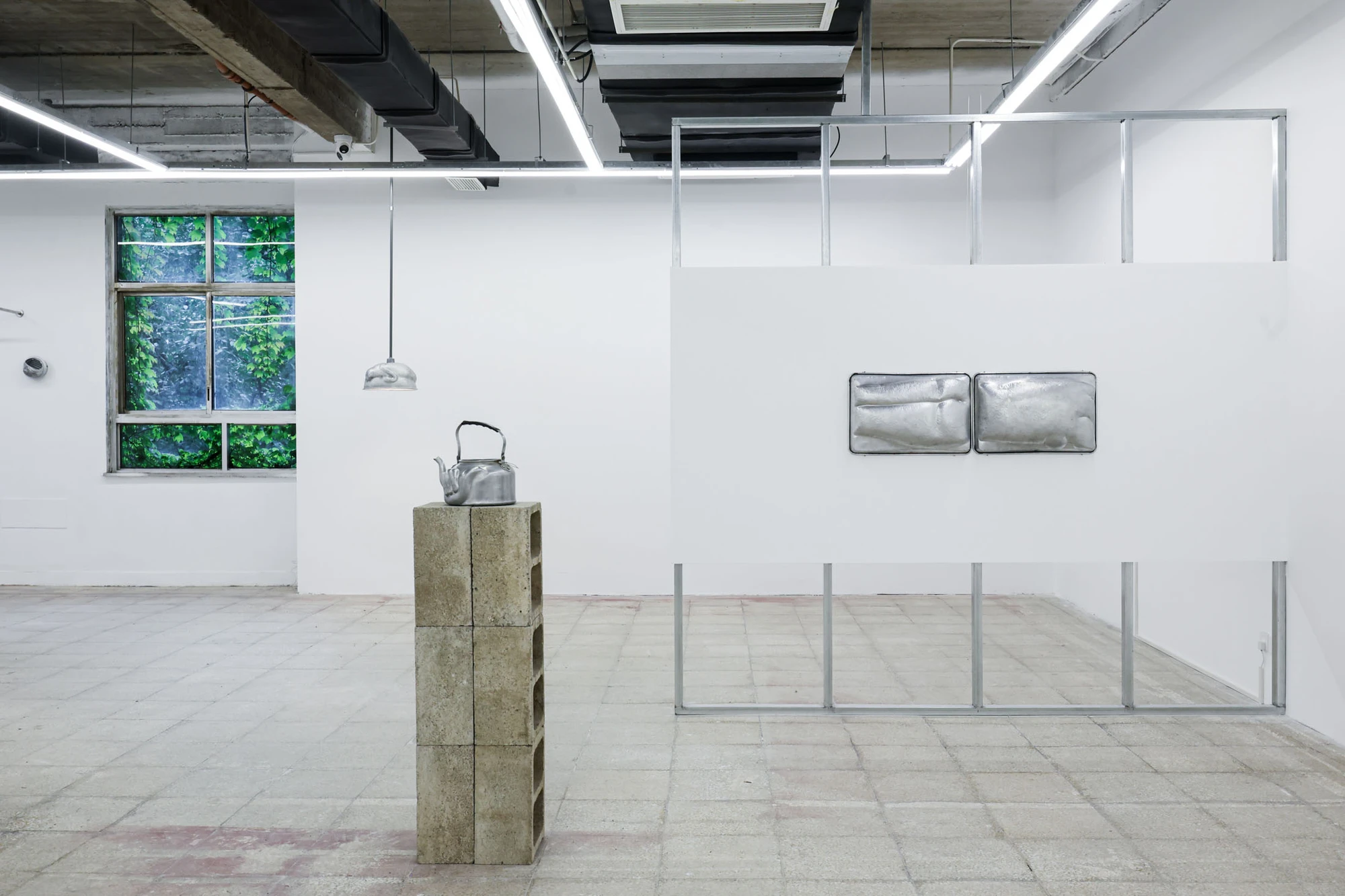
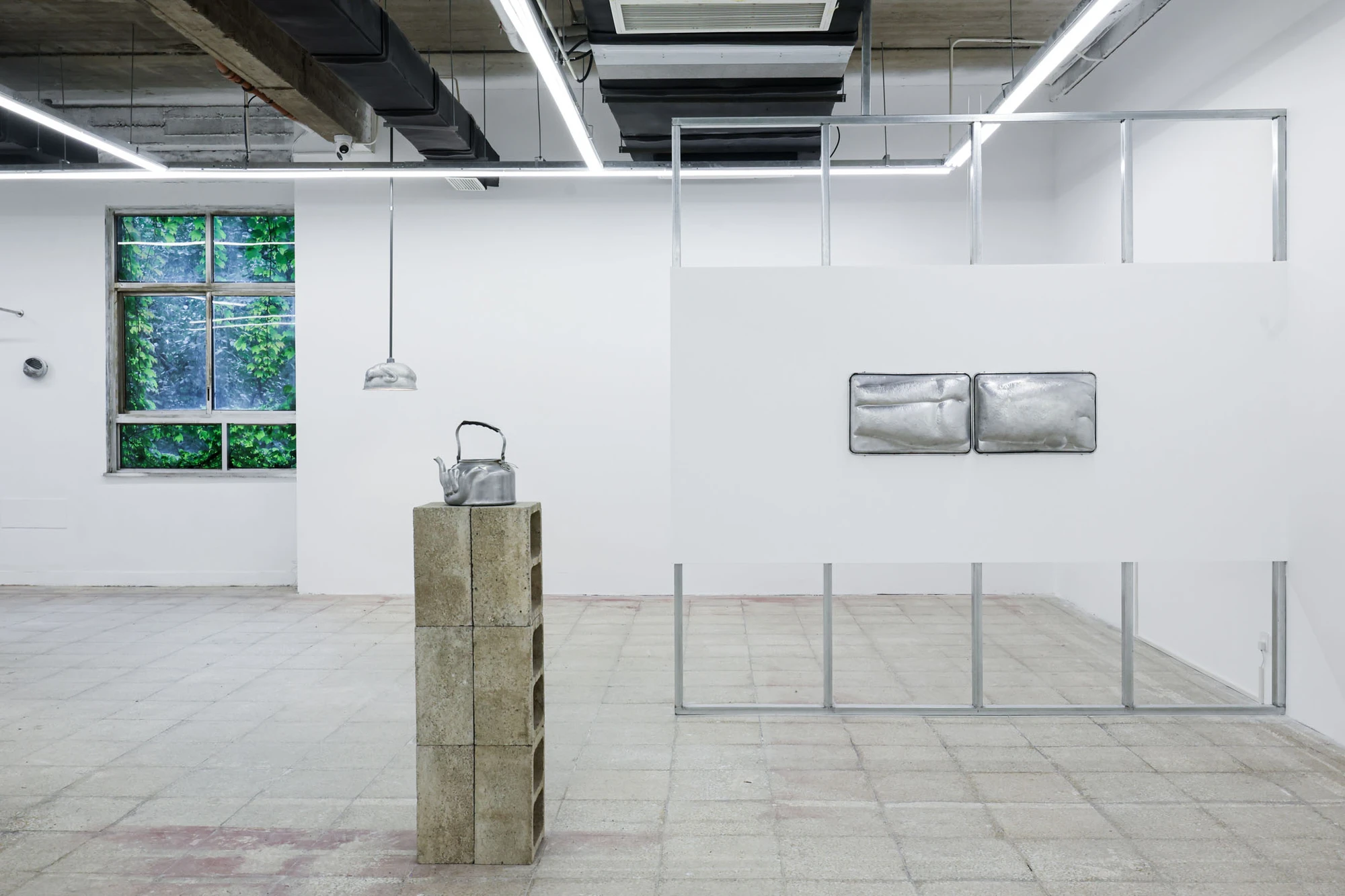
Tian Jianxin works the way a cook reads a pantry. Born in Baoding in 1994, he collects discarded domestic and industrial objects, an aluminium kettle, a herbal medicine scoop, a dustpan, a car hood, then hammers them until faces and limbs lift from the metal. The new solo show A User Guide, on view at Capsule from 21 to 31 May 2026 as part of Gallery Weekend Beijing, gathers a group of these sculptures in a 798 District room with exposed ducts, fluorescent strip lights, and a granite-tiled floor.

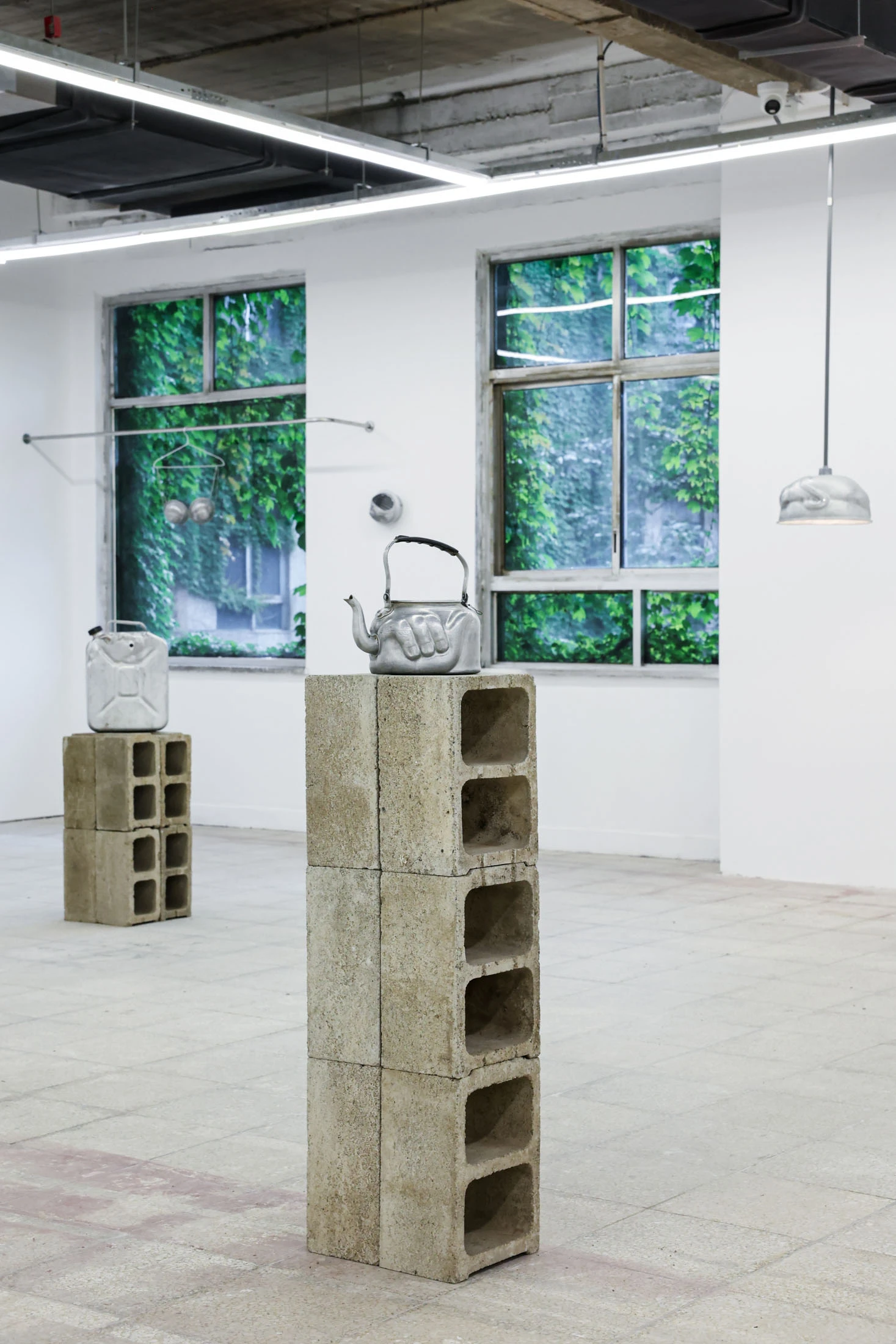
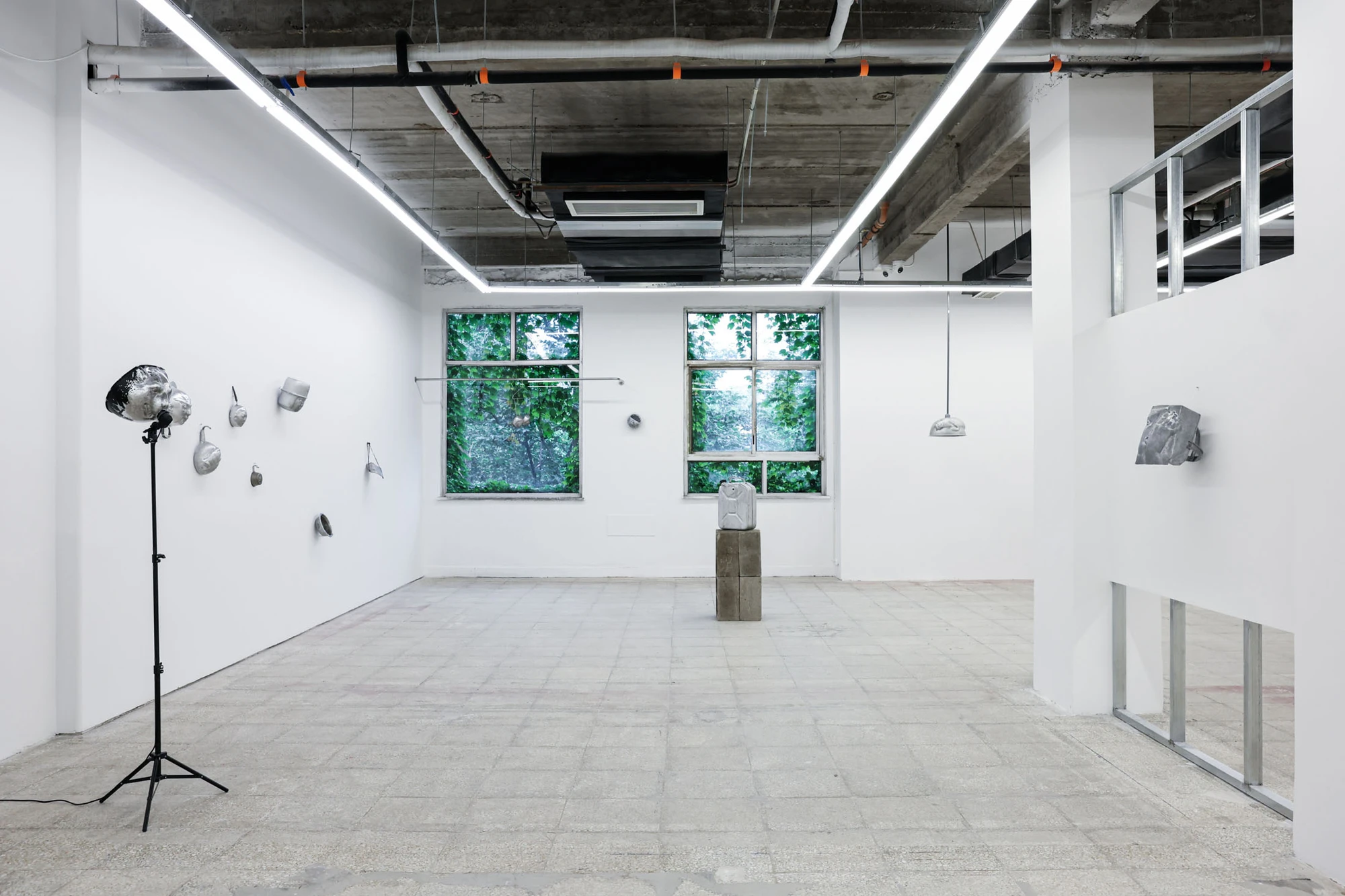
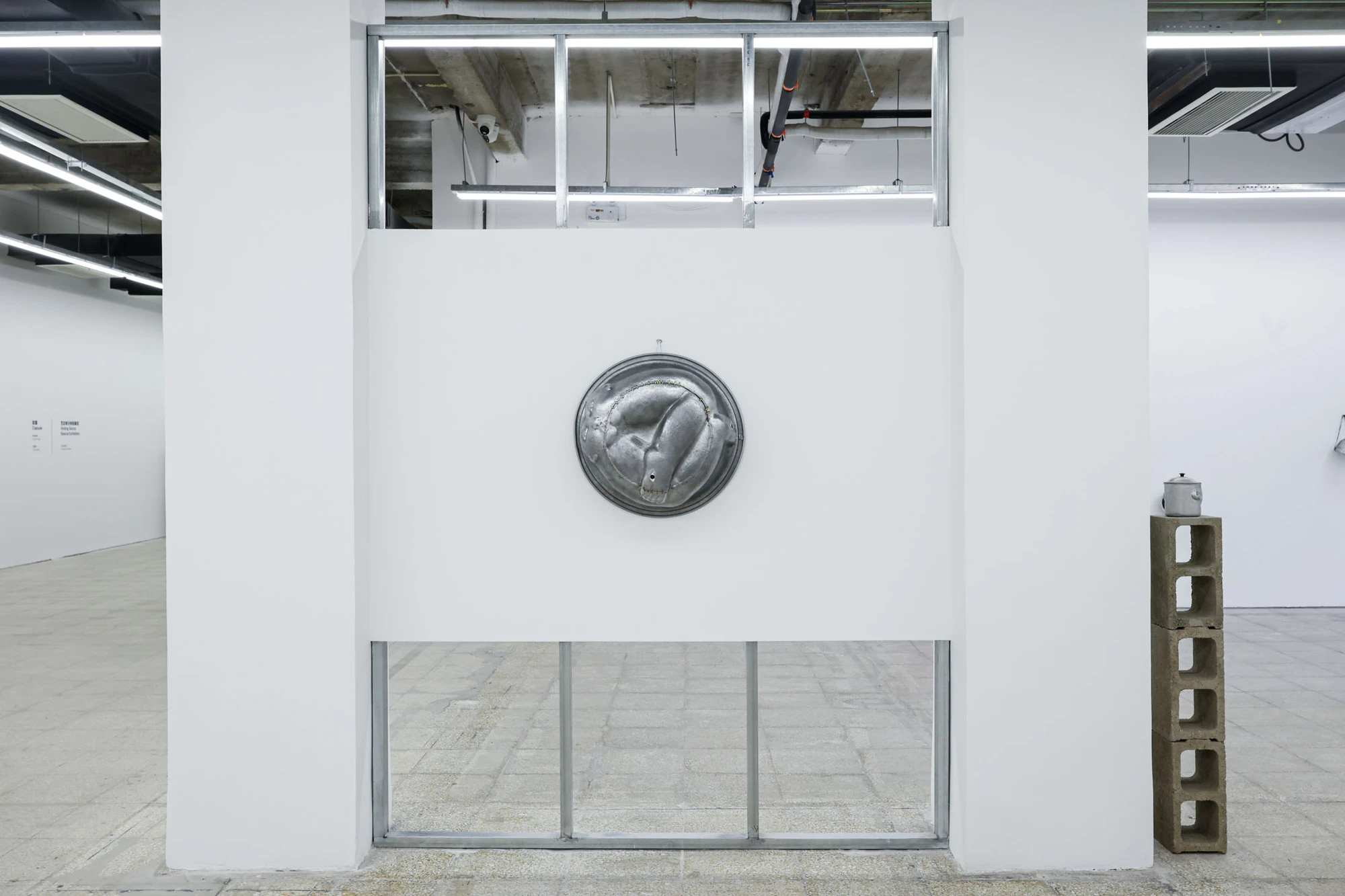
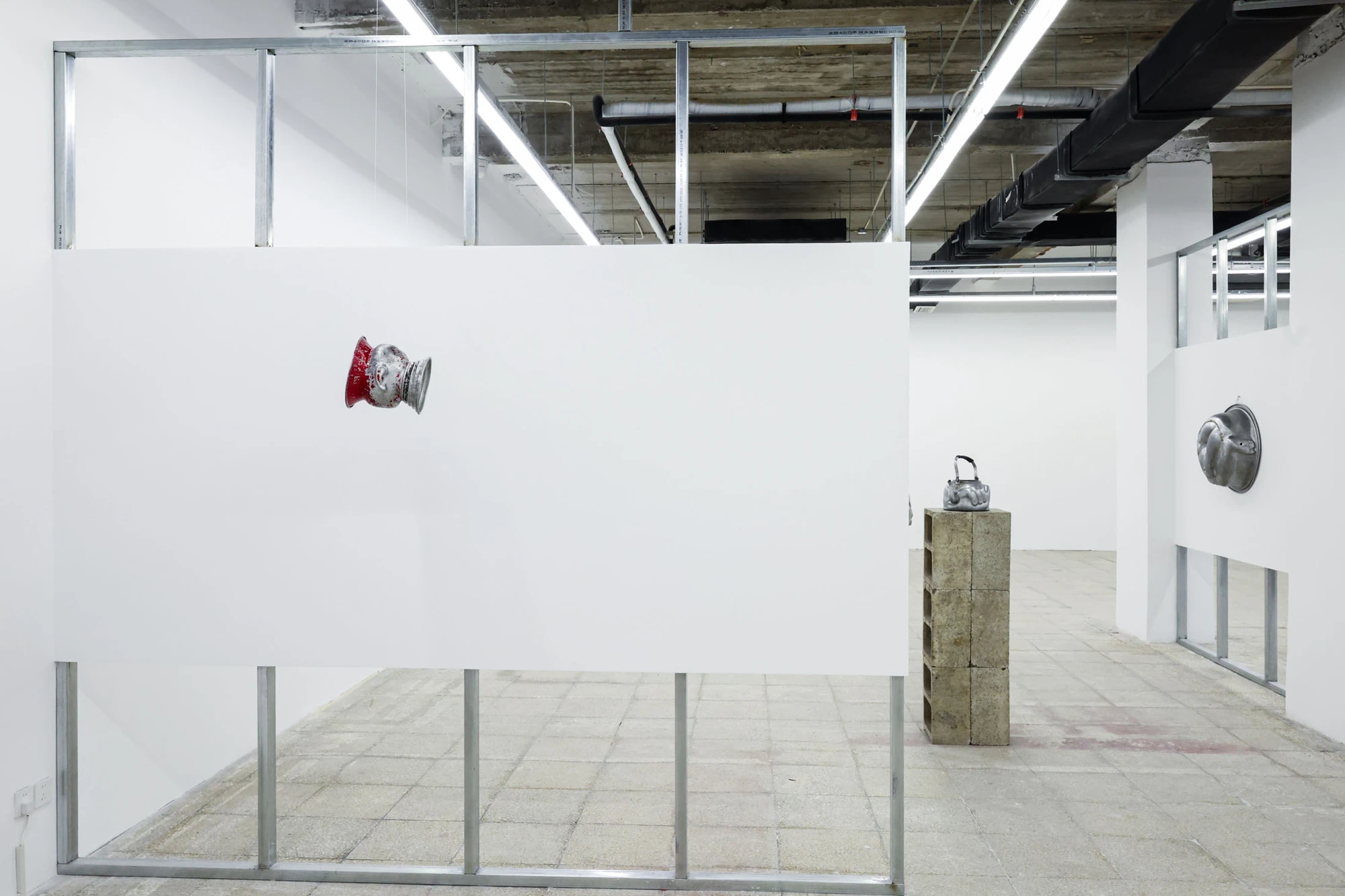
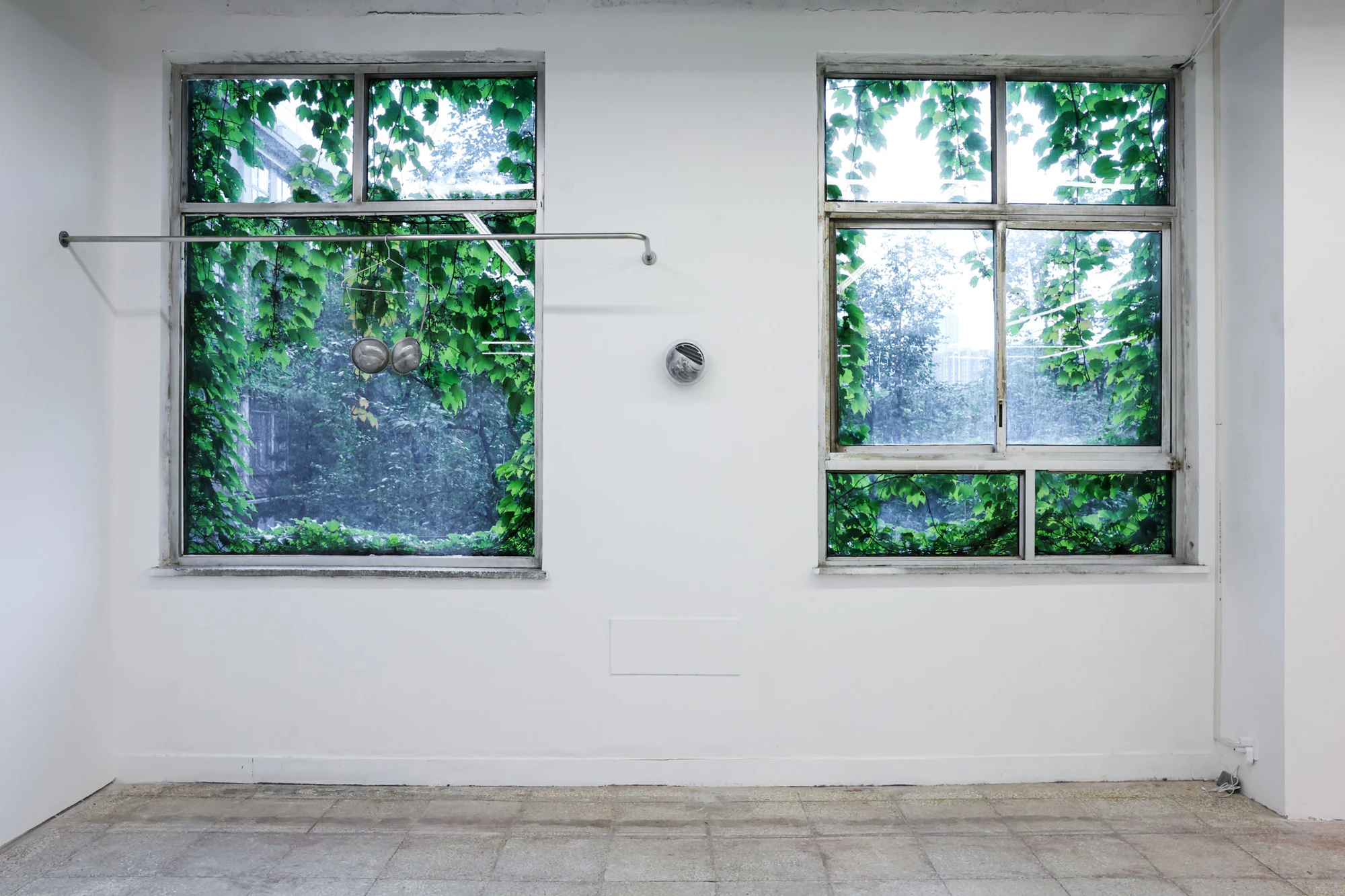
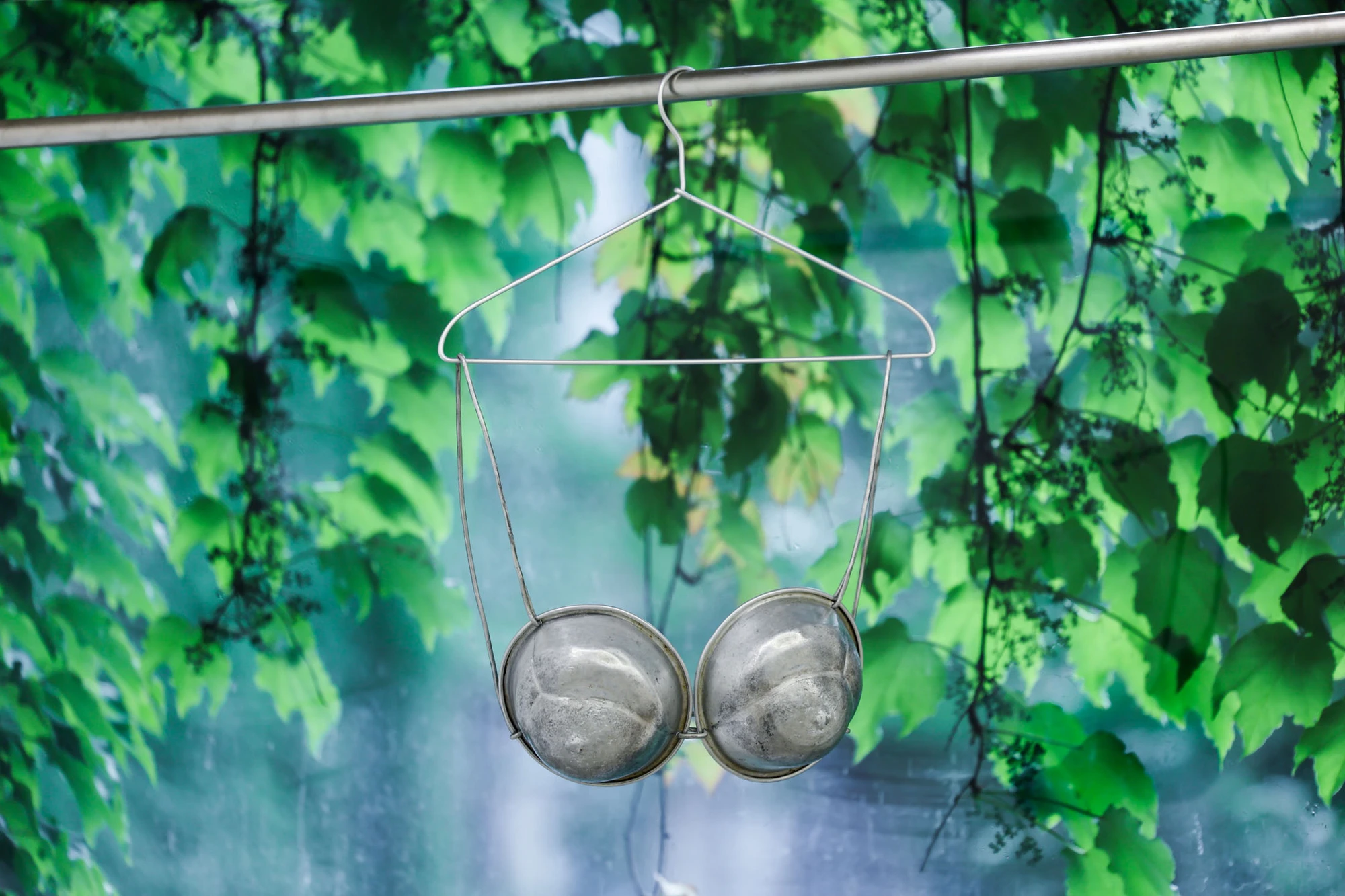
The premise is instructional, almost deadpan. Capsule's press release opens with a recipe: "How to use a rice cooker inner pot? First, place it on a workstation at a suitable height. Next, hammer it into a form of your liking. Finally, hang it on a wall where you see fit." The show unfolds as the artist's tongue-in-cheek manual for useless things, and the room reads accordingly. Vessels rest on stacked cinder blocks. Bowls dangle from a metal coat hanger like a clavicle. A red-streaked searchlight lodges in a partition wall, leaking a wound of paint.

The technique is uncomplicated and the labour is not. Tian hammers, collages, and adds occasional localised colour, and he refuses to cut. "Tian's practice is a constant tango with limitation," Capsule writes; the studio works within the framework of the given object, treating its existing form as a brief rather than a constraint. In Hercules (2024), the rivets of a safety helmet animate a wide-eyed glare and the helmet's ridges harden into brow bones and bulging veins. In Second Skin (2025), copper mesh erupts from a fractured aluminium pan like gauze pulled from a wound on an idealised torso.

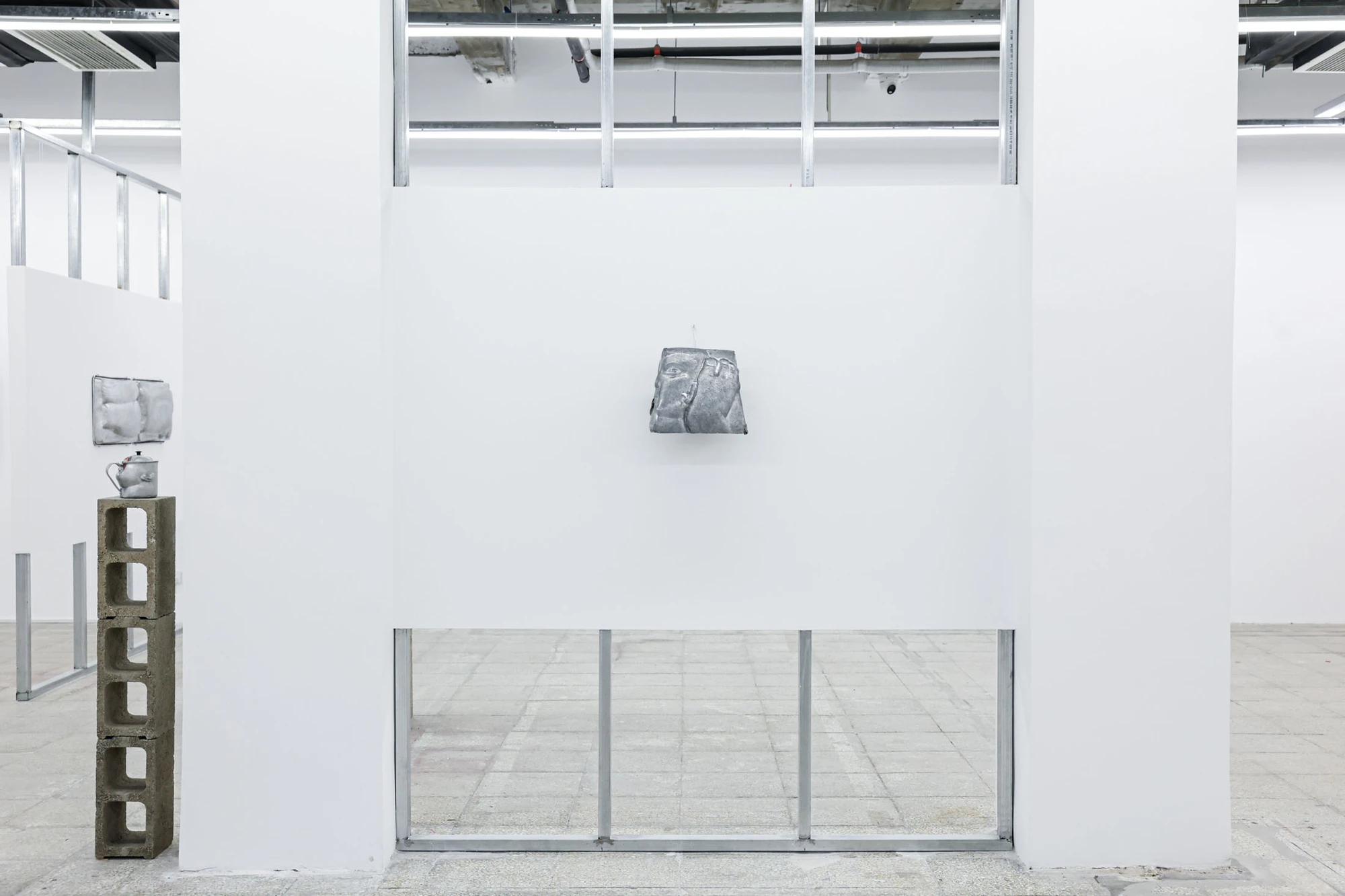
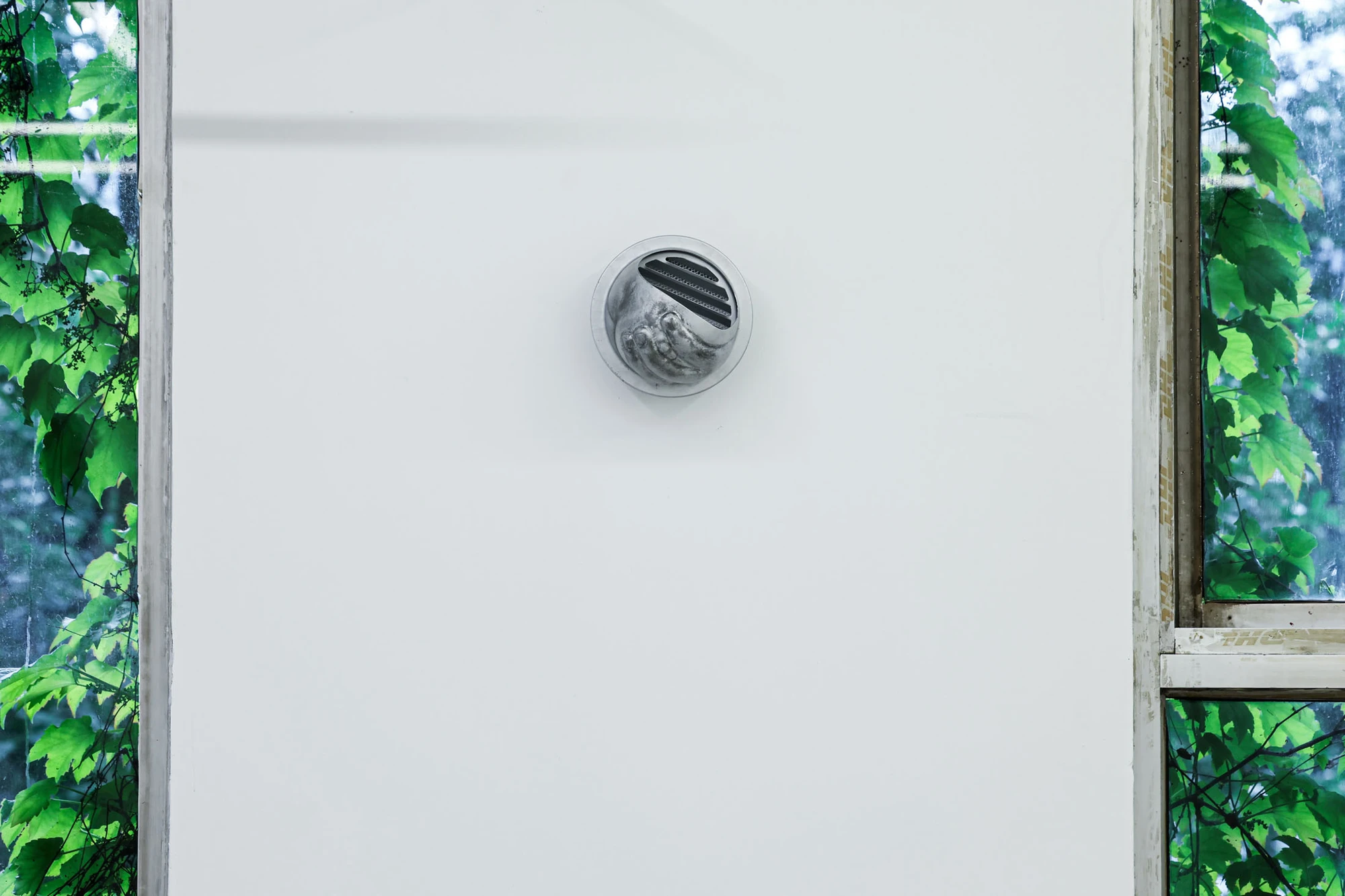
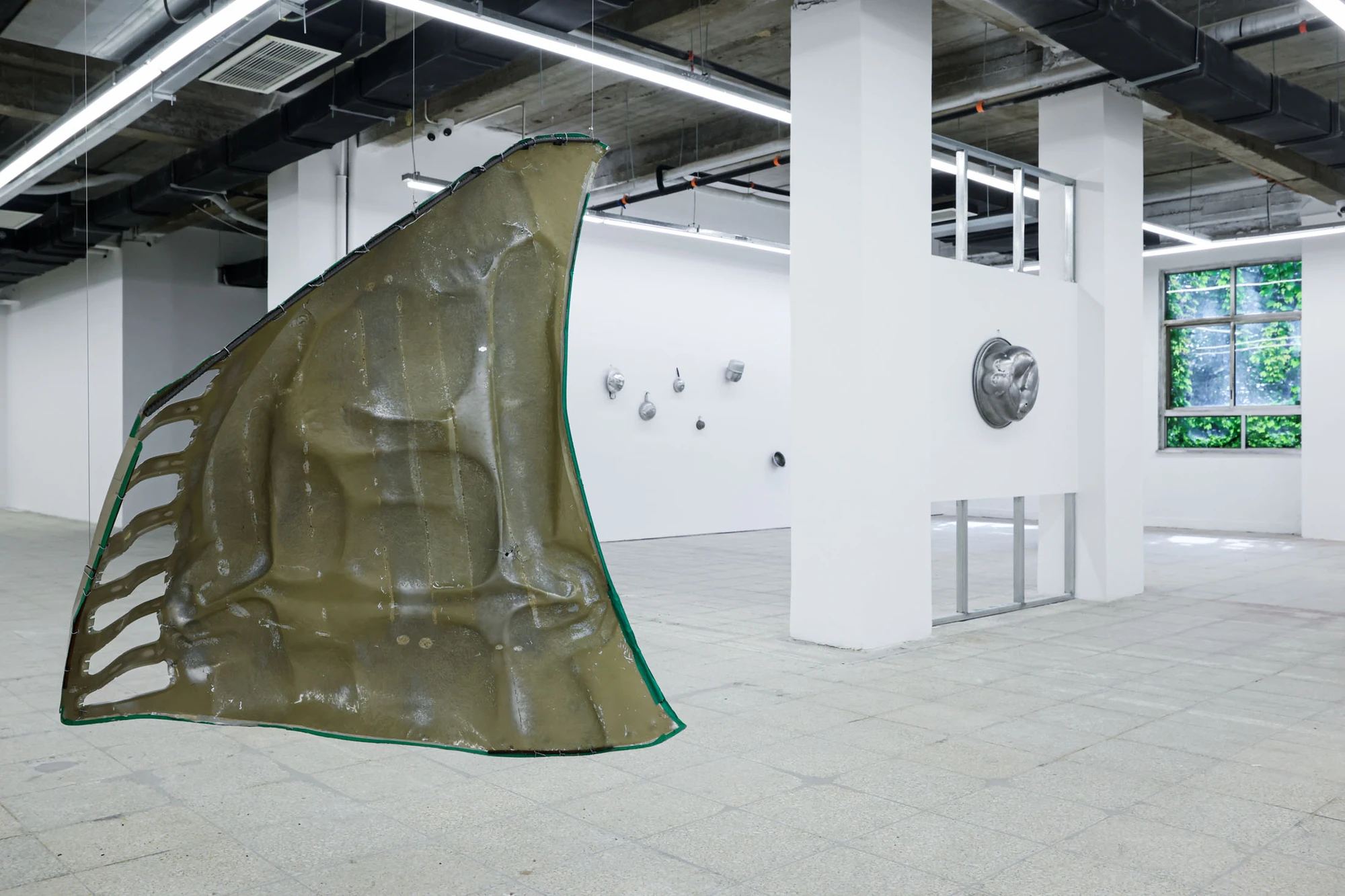
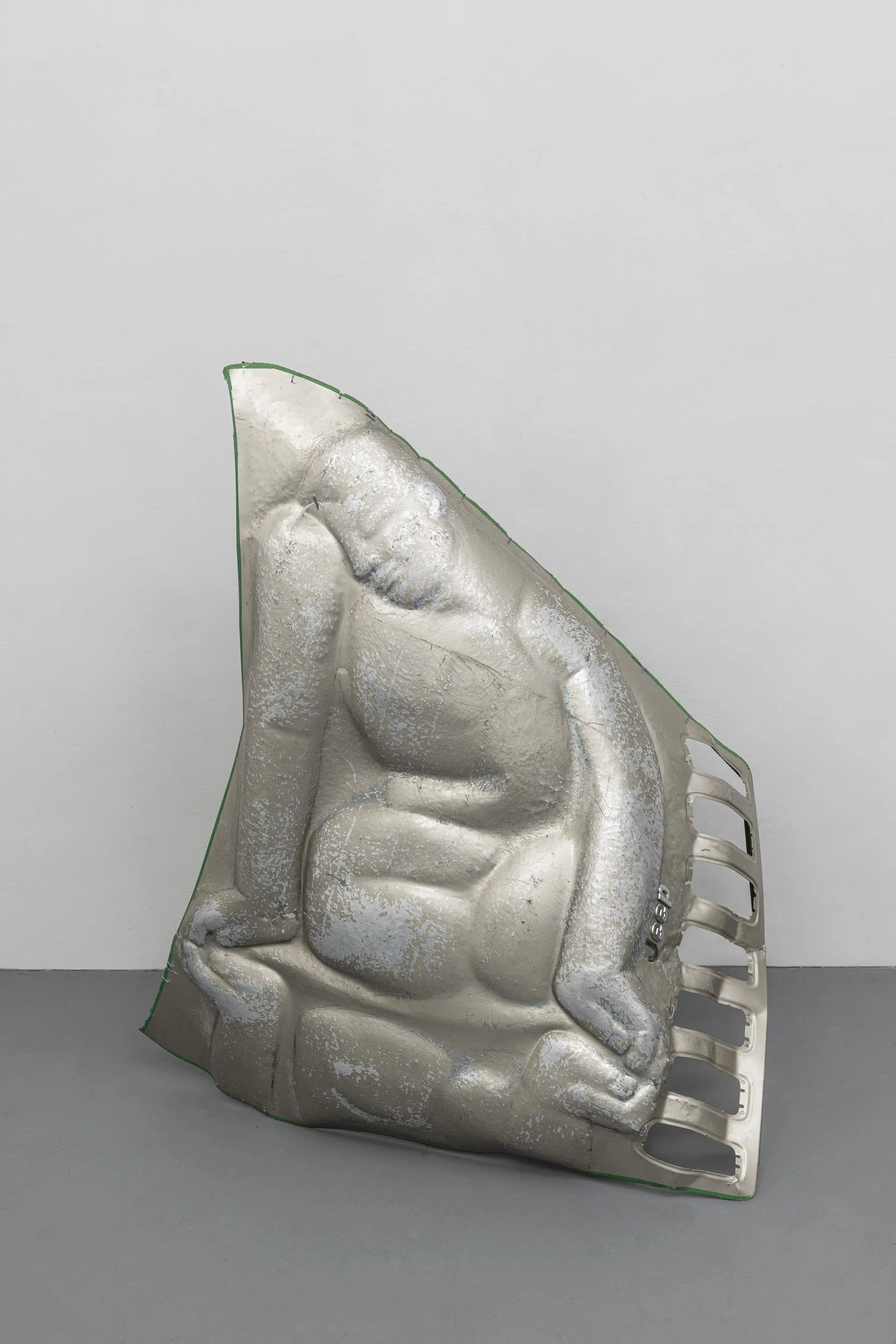
Looking is the real method. The artist temporarily banishes preconceived notions of an object's function, origin, and value, approaching the thing in front of him with what Capsule calls an almost ignorant curiosity. "In the same way that Michelangelo saw the angel in the marble, Tian uncovers latent possibilities embedded within mundane objects," the gallery writes. Narcissus (2026), the largest work to date, presses a Greek myth into the buckled steel of a car hood, while Lotus Position (2026) folds an aluminium basin and staples into a folkloric surreal. Other pieces, Hand, Half the Sky, eschew the complete figure for a single gesture, recalling Rodin's fascination with the partial body.

The references migrate across centuries. At times the figures swell with the rounded fullness of Tang dynasty Buddhist statuary; at others they slide toward the rustic naïveté of festival masks and carved guardian beasts. A row of small hammered faces, kettles with finger-prints, a barrel reborn as a mouth, reads like a wall of folk icons reassembled from a domestic scrapyard. "The exhibition as a whole forms an uncanny yet whimsical post-industrial ruin," Capsule writes, "quietly registering the residues of what we produce, consume, create, and think."

The title delivers on its promise without ever quite resolving its irony. A manual implies use; these objects, stripped of their original chores, propose another one, a way of looking that does not require the thing to do anything. Walking the room, viewers may begin to uncover the hidden value and poetics of ordinary things, a phrase the gallery uses without flinching. Capsule's Beijing debut closes 31 May 2026, and what remains afterwards is a small, durable proposition: every found object is already a figure, waiting to be heard out.
Interested in Showcasing Your Work?

If you would like to feature your works on Thisispaper, please visit our Submission page and sign up to Thisispaper+ to submit your work. Once your submission is approved, your work will be showcased to our global audience of 2 million art, architecture, and design professionals and enthusiasts.
No items found.
We love less
but there is more.
Become a Thisispaper+ member today to unlock full access to our magazine, advanced tools, and support our work.
Get two months FREE
with annual subscription
We love less
but there is more.
Become a Thisispaper+ member today to unlock full access to our magazine, advanced tools, and support our work.
Get two months FREE
with annual subscription
No items found.
Alexander Zaxarov
Jun 15, 2026

Inside a raw-ceiling space in Beijing's 798 Art District, Capsule stages A User Guide, Tian Jianxin's hammered manual of figures pulled from rice cooker pots, dustpans, and a Soviet fuel barrel.

Tian Jianxin works the way a cook reads a pantry. Born in Baoding in 1994, he collects discarded domestic and industrial objects, an aluminium kettle, a herbal medicine scoop, a dustpan, a car hood, then hammers them until faces and limbs lift from the metal. The new solo show A User Guide, on view at Capsule from 21 to 31 May 2026 as part of Gallery Weekend Beijing, gathers a group of these sculptures in a 798 District room with exposed ducts, fluorescent strip lights, and a granite-tiled floor.

The premise is instructional, almost deadpan. Capsule's press release opens with a recipe: "How to use a rice cooker inner pot? First, place it on a workstation at a suitable height. Next, hammer it into a form of your liking. Finally, hang it on a wall where you see fit." The show unfolds as the artist's tongue-in-cheek manual for useless things, and the room reads accordingly. Vessels rest on stacked cinder blocks. Bowls dangle from a metal coat hanger like a clavicle. A red-streaked searchlight lodges in a partition wall, leaking a wound of paint.

The technique is uncomplicated and the labour is not. Tian hammers, collages, and adds occasional localised colour, and he refuses to cut. "Tian's practice is a constant tango with limitation," Capsule writes; the studio works within the framework of the given object, treating its existing form as a brief rather than a constraint. In Hercules (2024), the rivets of a safety helmet animate a wide-eyed glare and the helmet's ridges harden into brow bones and bulging veins. In Second Skin (2025), copper mesh erupts from a fractured aluminium pan like gauze pulled from a wound on an idealised torso.

Looking is the real method. The artist temporarily banishes preconceived notions of an object's function, origin, and value, approaching the thing in front of him with what Capsule calls an almost ignorant curiosity. "In the same way that Michelangelo saw the angel in the marble, Tian uncovers latent possibilities embedded within mundane objects," the gallery writes. Narcissus (2026), the largest work to date, presses a Greek myth into the buckled steel of a car hood, while Lotus Position (2026) folds an aluminium basin and staples into a folkloric surreal. Other pieces, Hand, Half the Sky, eschew the complete figure for a single gesture, recalling Rodin's fascination with the partial body.

The references migrate across centuries. At times the figures swell with the rounded fullness of Tang dynasty Buddhist statuary; at others they slide toward the rustic naïveté of festival masks and carved guardian beasts. A row of small hammered faces, kettles with finger-prints, a barrel reborn as a mouth, reads like a wall of folk icons reassembled from a domestic scrapyard. "The exhibition as a whole forms an uncanny yet whimsical post-industrial ruin," Capsule writes, "quietly registering the residues of what we produce, consume, create, and think."

The title delivers on its promise without ever quite resolving its irony. A manual implies use; these objects, stripped of their original chores, propose another one, a way of looking that does not require the thing to do anything. Walking the room, viewers may begin to uncover the hidden value and poetics of ordinary things, a phrase the gallery uses without flinching. Capsule's Beijing debut closes 31 May 2026, and what remains afterwards is a small, durable proposition: every found object is already a figure, waiting to be heard out.
Interested in Showcasing Your Work?

If you would like to feature your works on Thisispaper, please visit our Submission page and subscribe to Thisispaper+. Once your submission is approved, your work will be showcased to our global audience of 2 million art, architecture, and design professionals and enthusiasts.
No items found.

Join Thisispaper+
Unlock access to 2500 stories, curated guides + editions, and share your work with a global network of architects, artists, writers and designers who are shaping the future.
Get two months FREE
with annual subscription
Travel Guides
Immerse yourself in timeless destinations, hidden gems, and creative spaces—curated by humans, not algorithms.
Explore All Guides +
Submission Module
Submit your project and gain the chance to showcase your work to our worldwide audience of over 2M architects, designers, artists, and curious minds.
Learn More+
Curated Editions
Dive deeper into carefully curated editions, designed to feed your curiosity and foster exploration.
Off-the-Grid
Jutaku
Sacral Journey
minimum
The New Chair
Explore All Editions +
Atlas
A new and interactive way to explore the most inspiring places around the world.
Interactive map
Linked to articles
300+ curated locations
Google + Apple directions
Smart filters
Subscribe to Explore+
Become a Thisispaper+ member today to unlock full access to our magazine, submit your project and support our work.
Join Thisispaper+Join Thisispaper+
€ 9 EUR
/month
Cancel anytime
Get two months FREE
with annual subscription