Rino Claessens’ Modular Ceramics dismantles the physical limits of the kiln, proposing a modular system that transforms clay into an adaptable, architectural language of assembly and reassembly.
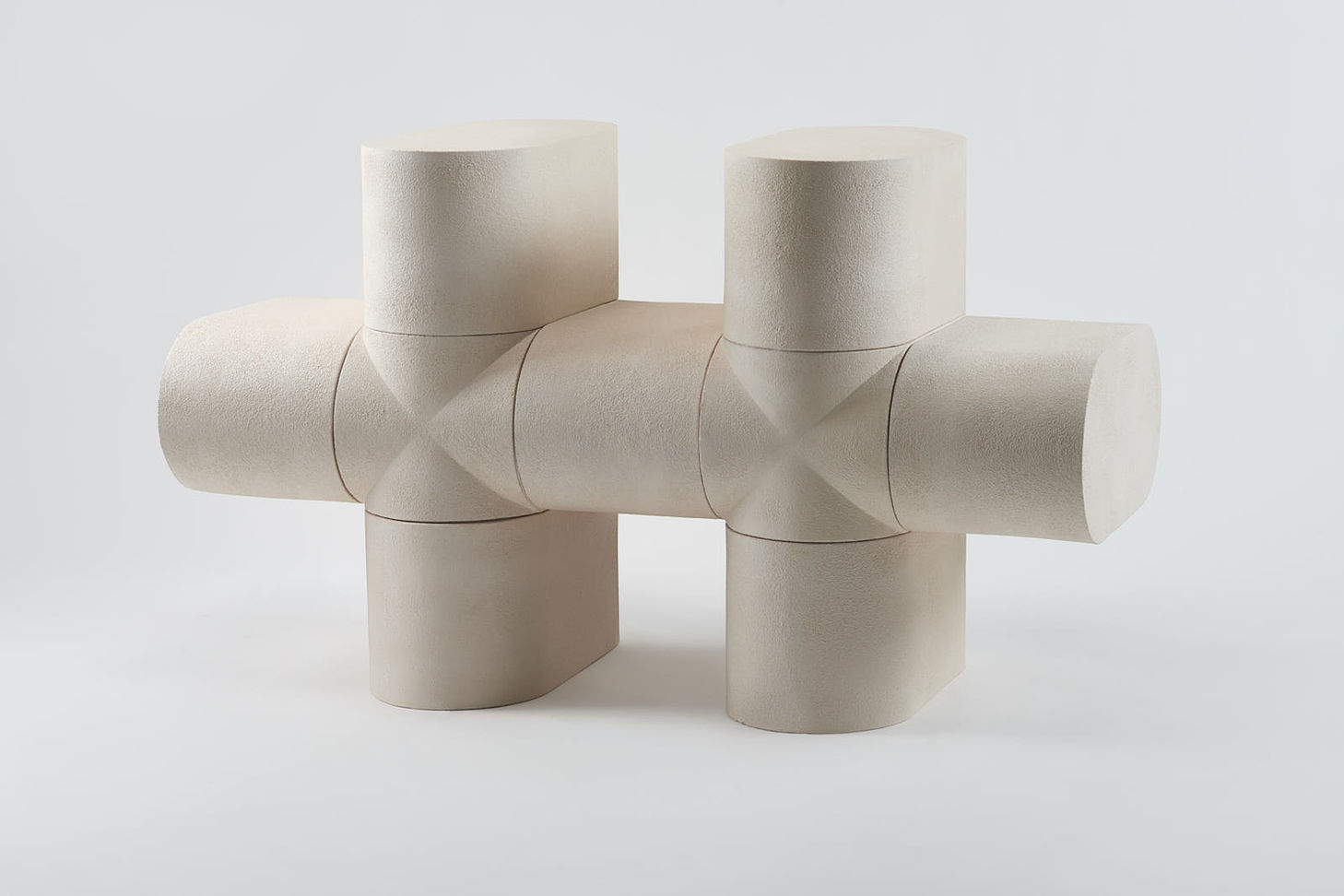
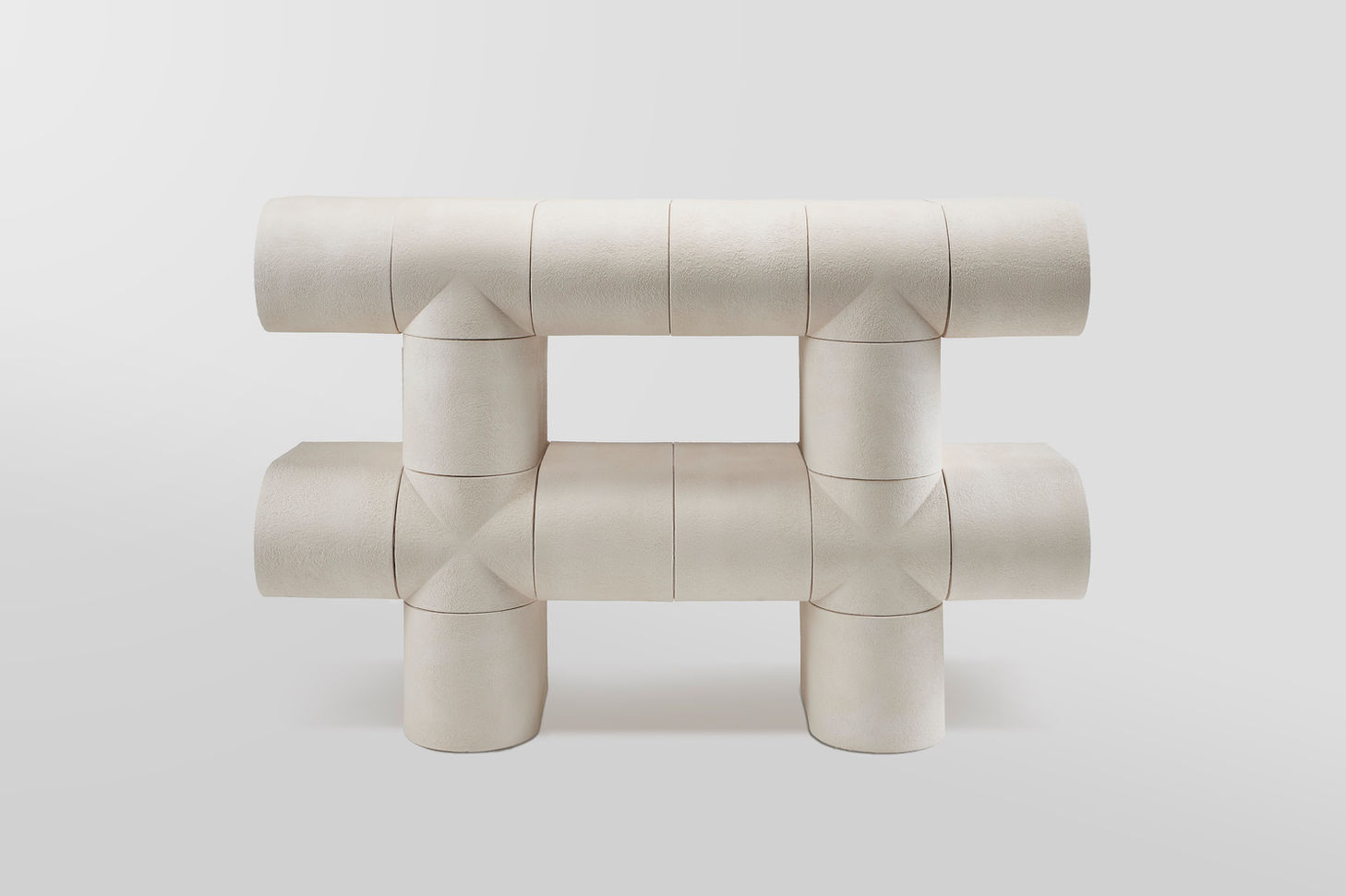
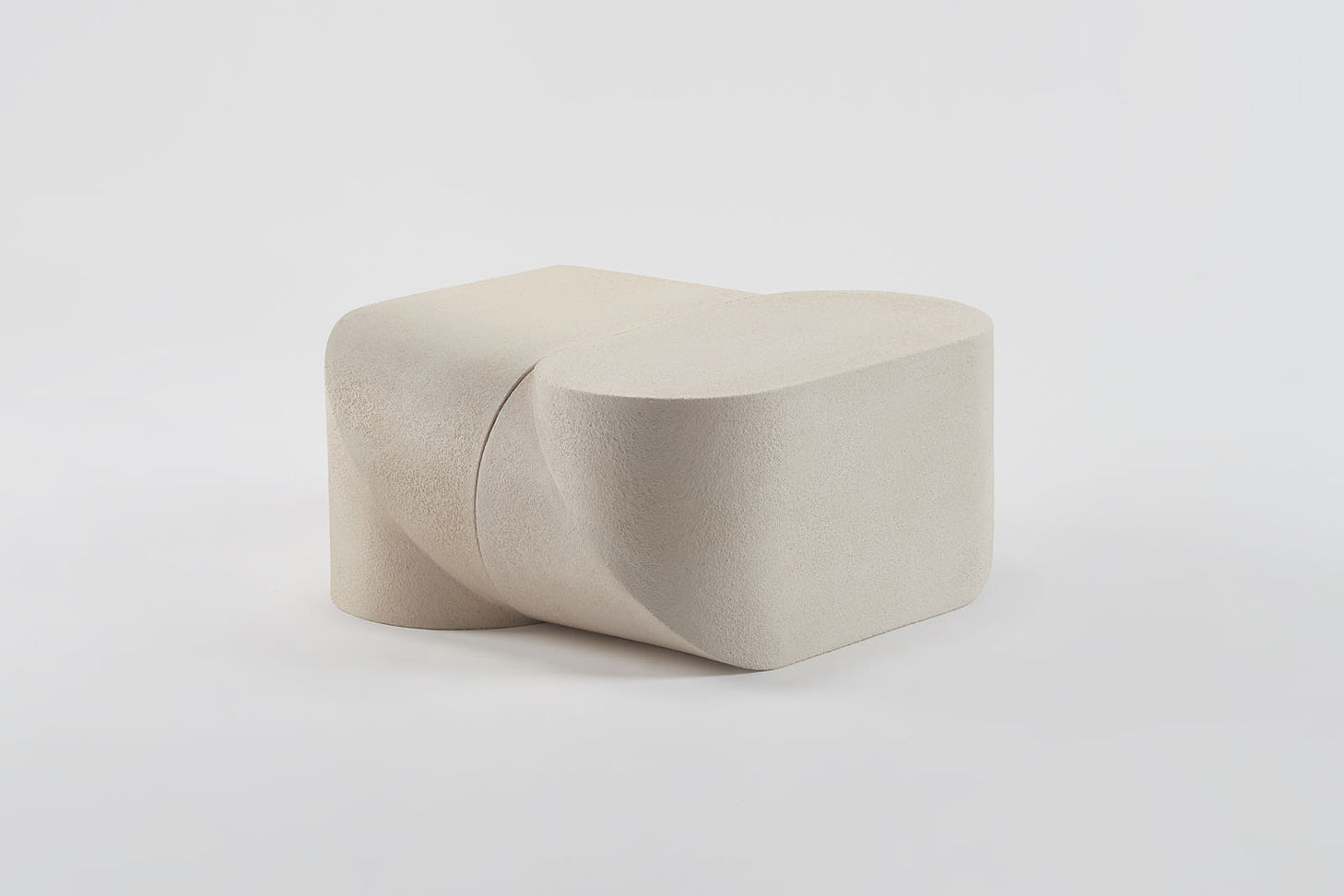
The project unfolds as a modular system of stoneware components—cross, T-shape, corner, and straight—each independently fired and later joined by concealed bolts. The result is a structure liberated from the traditional limits of ceramic production, one that can be endlessly assembled, dismantled, and reconfigured.
Claessens’ approach brings a language of architecture into the realm of ceramics. By fragmenting the process into interchangeable modules, he redefines scale and permanence. A vessel becomes a column, a column becomes furniture, a wall perhaps. The logic of repetition and connection imbues his work with a quiet structural intelligence—an ode to both craft and construction.
Surface plays a central role in the system’s tactile identity. The stoneware, brushed and sponged by hand, yields a soft irregularity, an interplay of matte and mineral hues. This deliberate imperfection anchors the modular system in the sensual tradition of ceramics, counterbalancing its engineered precision with a distinctly human gesture.
For Claessens, who studied in the Public & Private department at Design Academy Eindhoven, Modular Ceramics is both an experiment and a philosophy. It embodies a tension between process and play—between the industrial and the intimate. In a field so often defined by singularity and fragility, his work proposes a ceramic future built on adaptability, resilience, and touch.