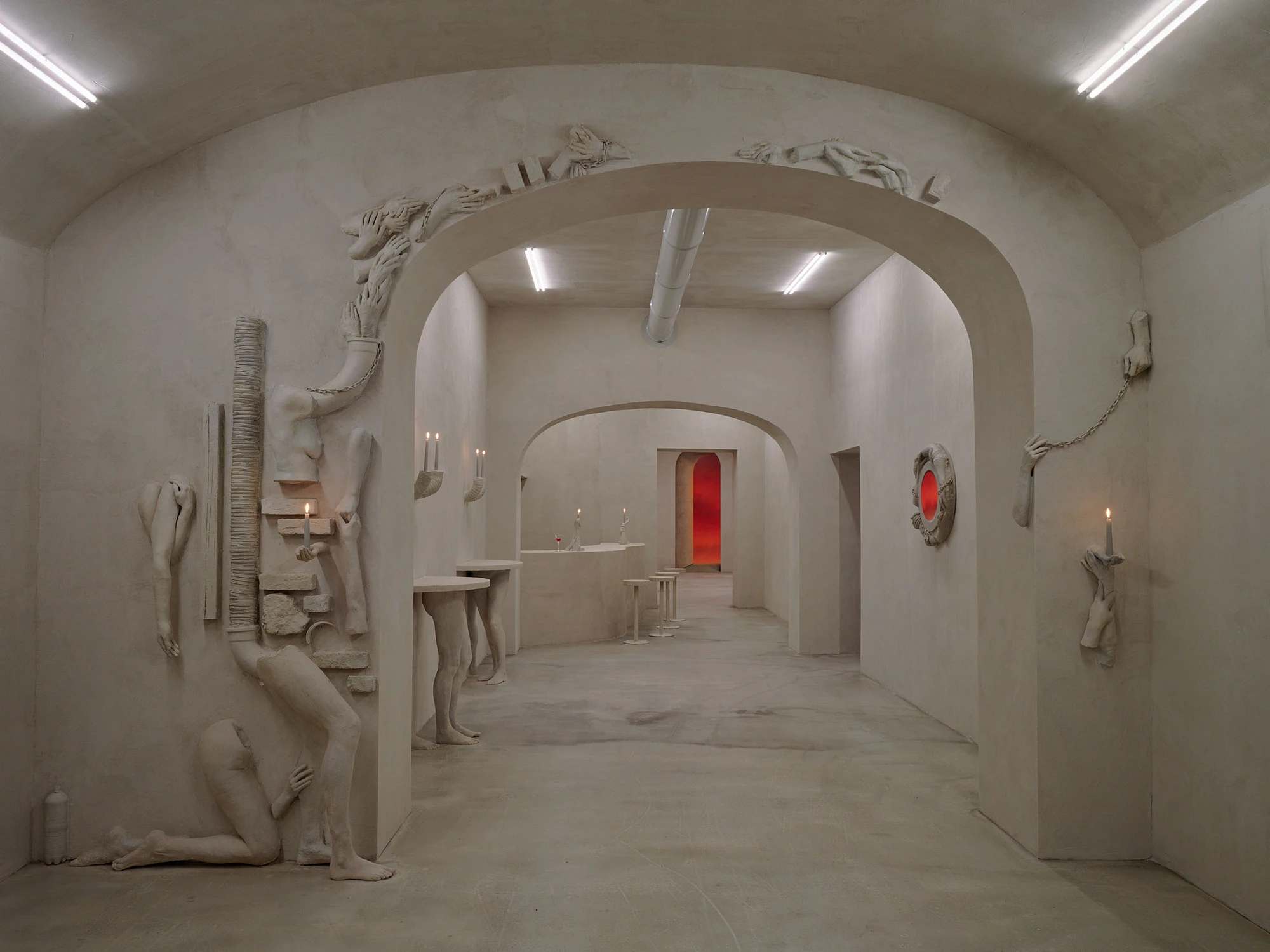
In Rome’s Trastevere, Clementine Keith-Roach and Christopher Page present Bar Far at Villa Lontana — a hallucinatory gesamtkunstwerk where sculpture, painting, and architecture collapse into playful illusion.
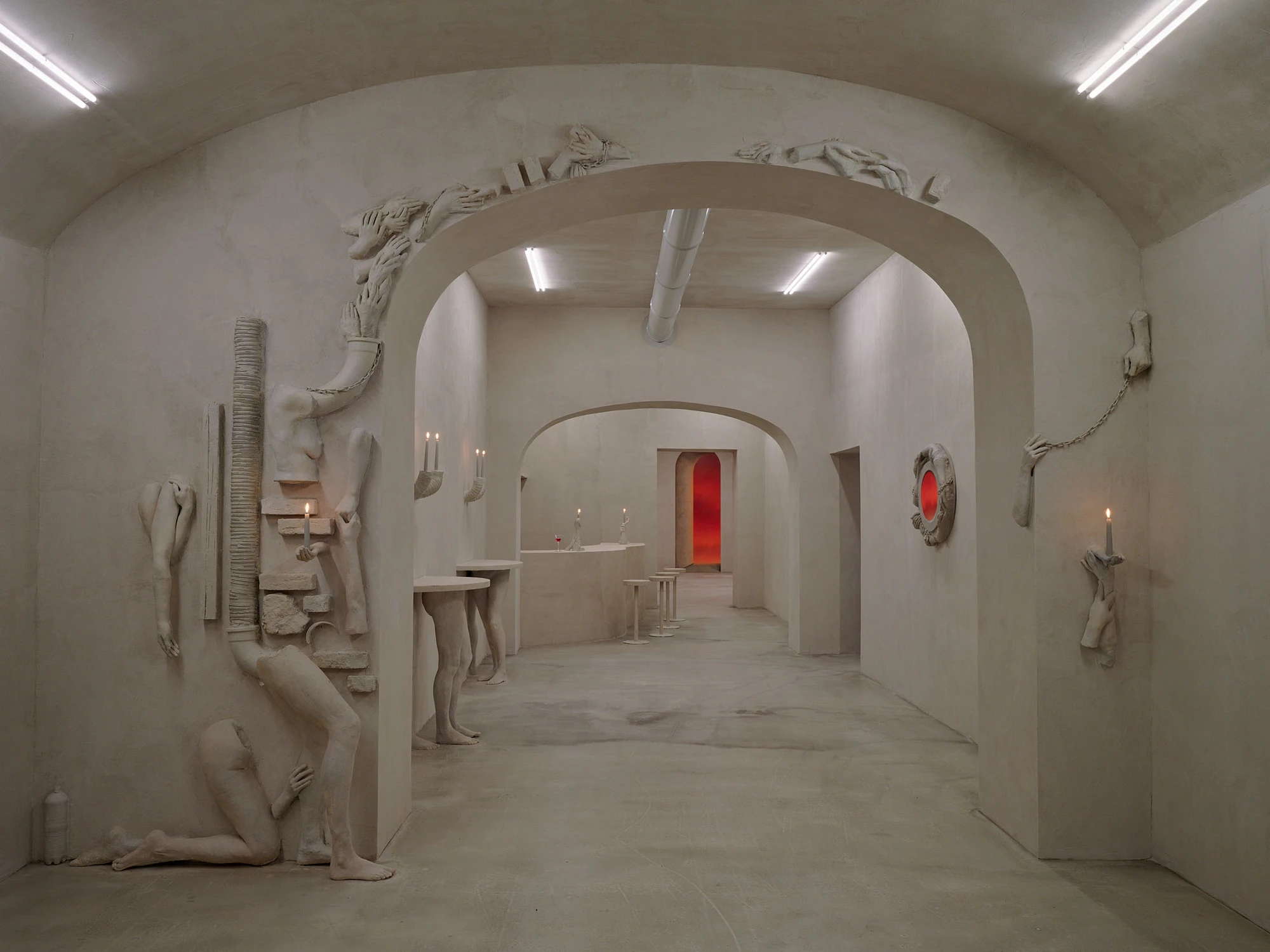
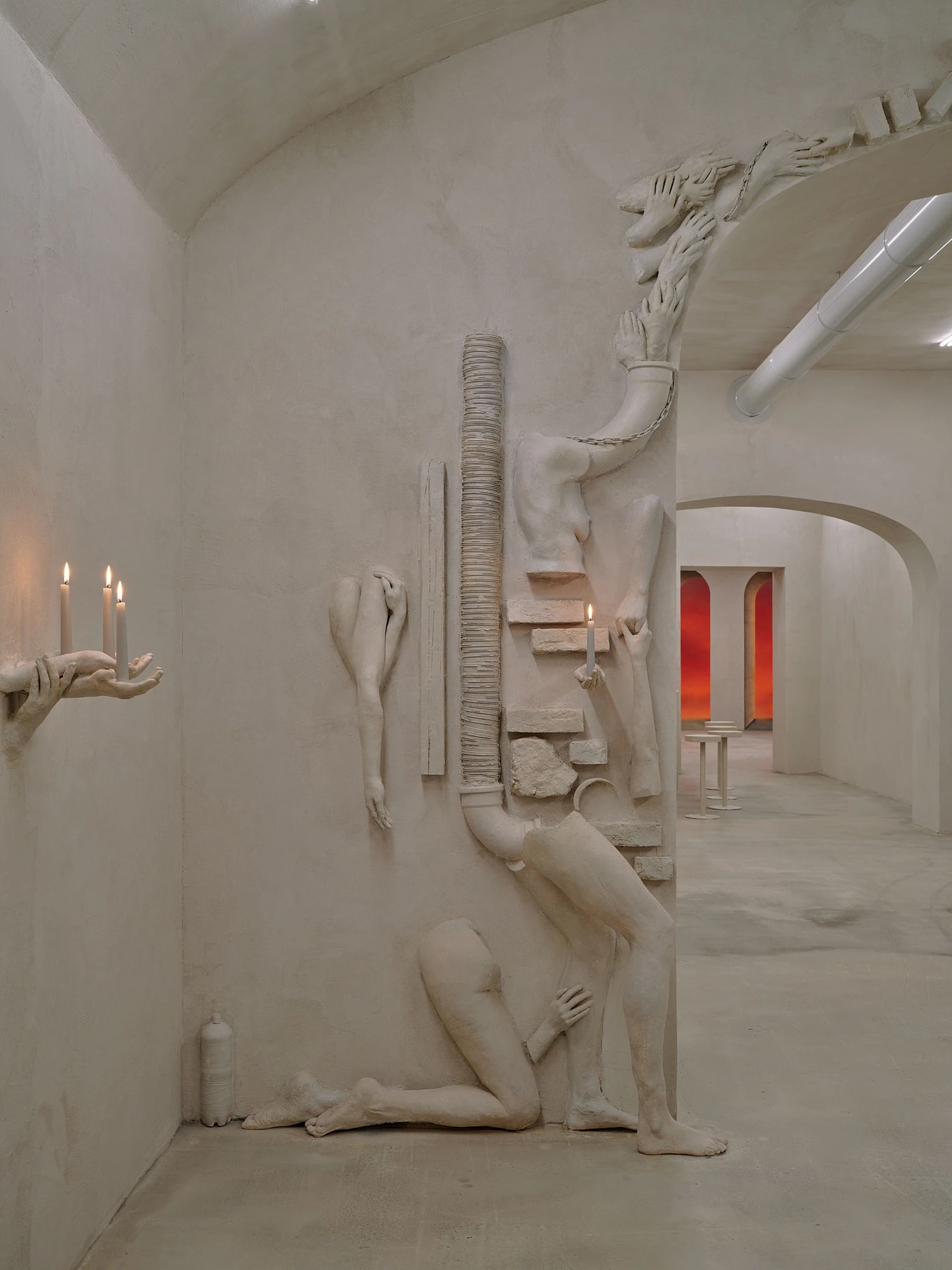
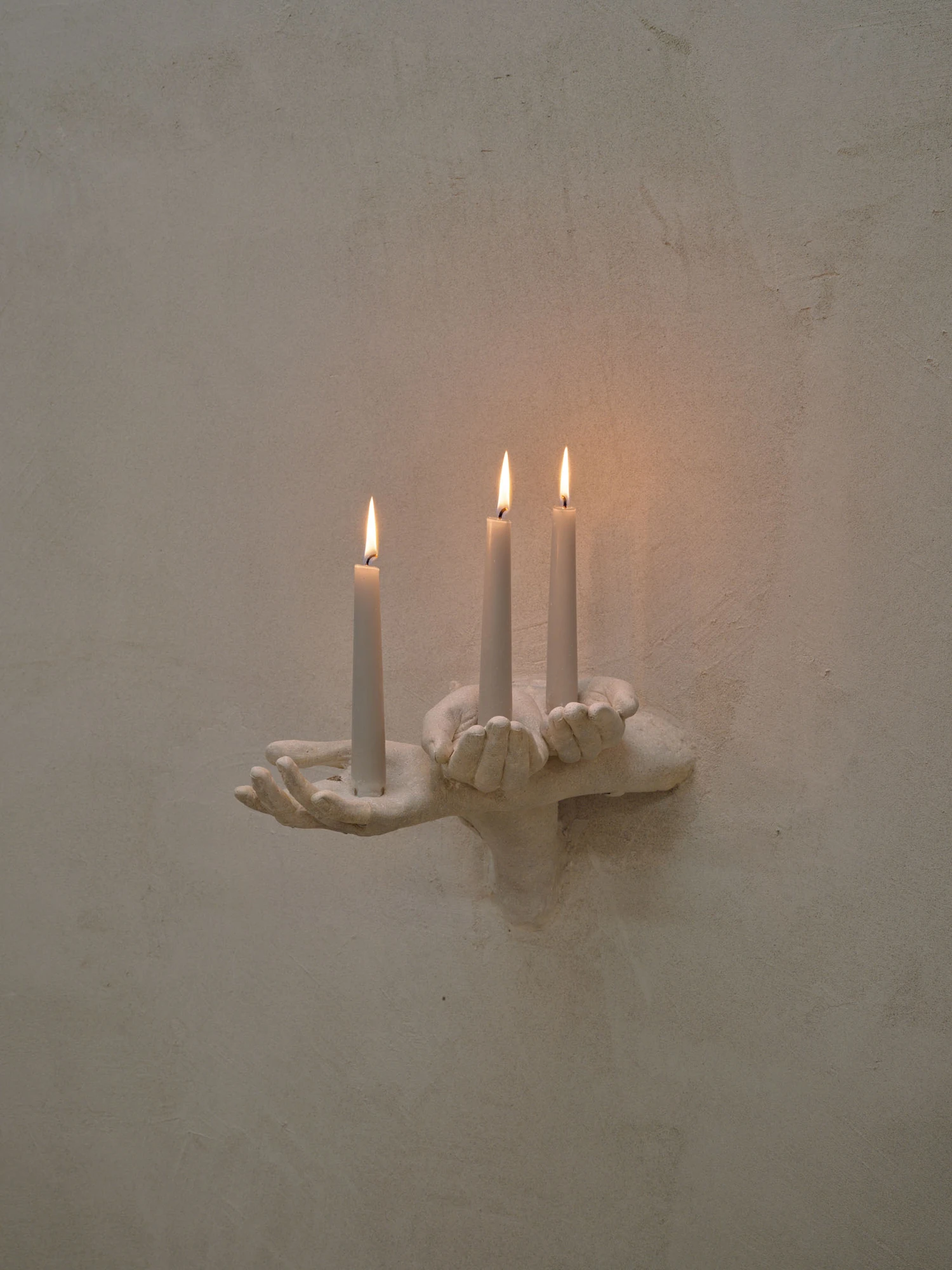
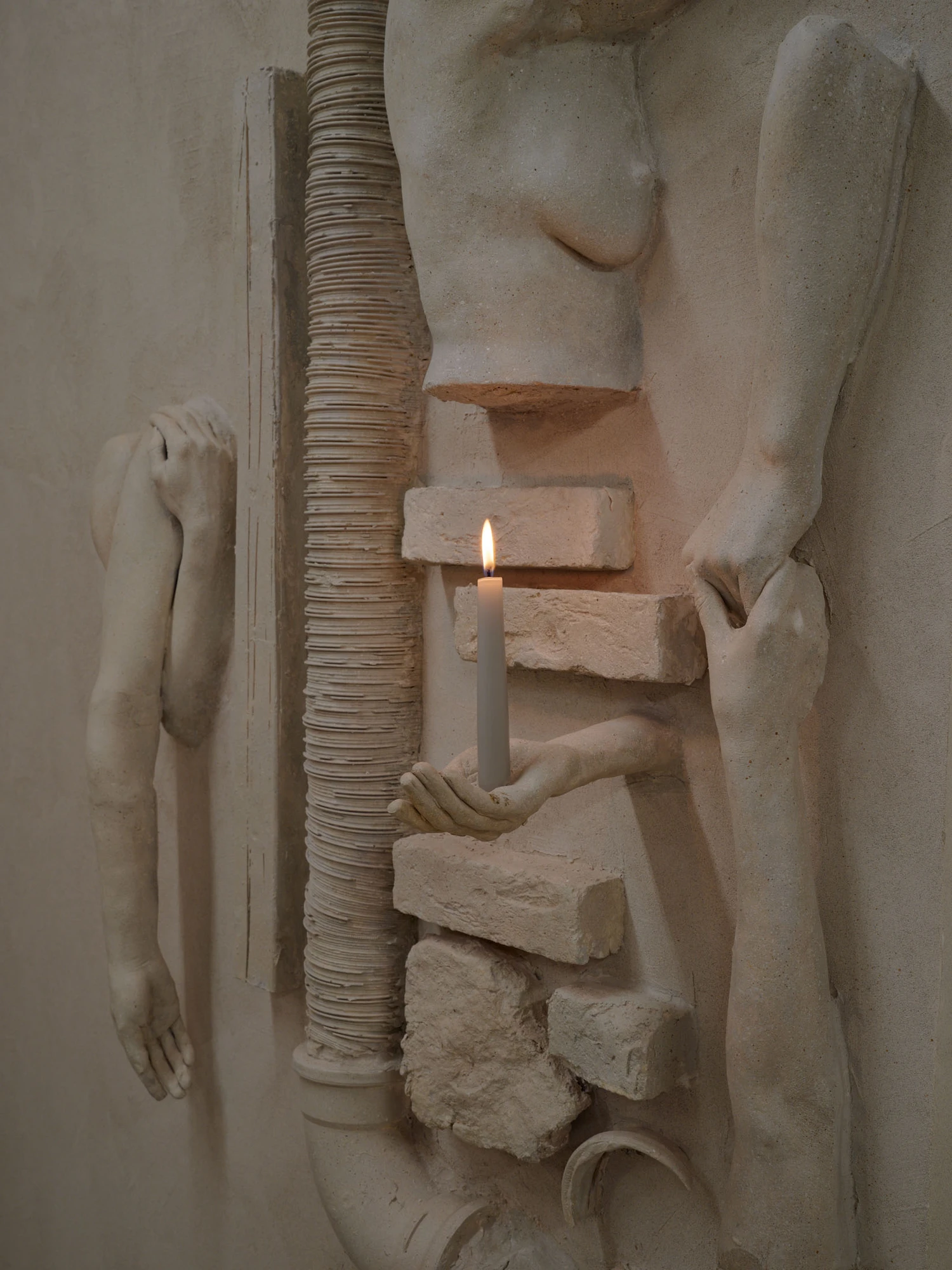
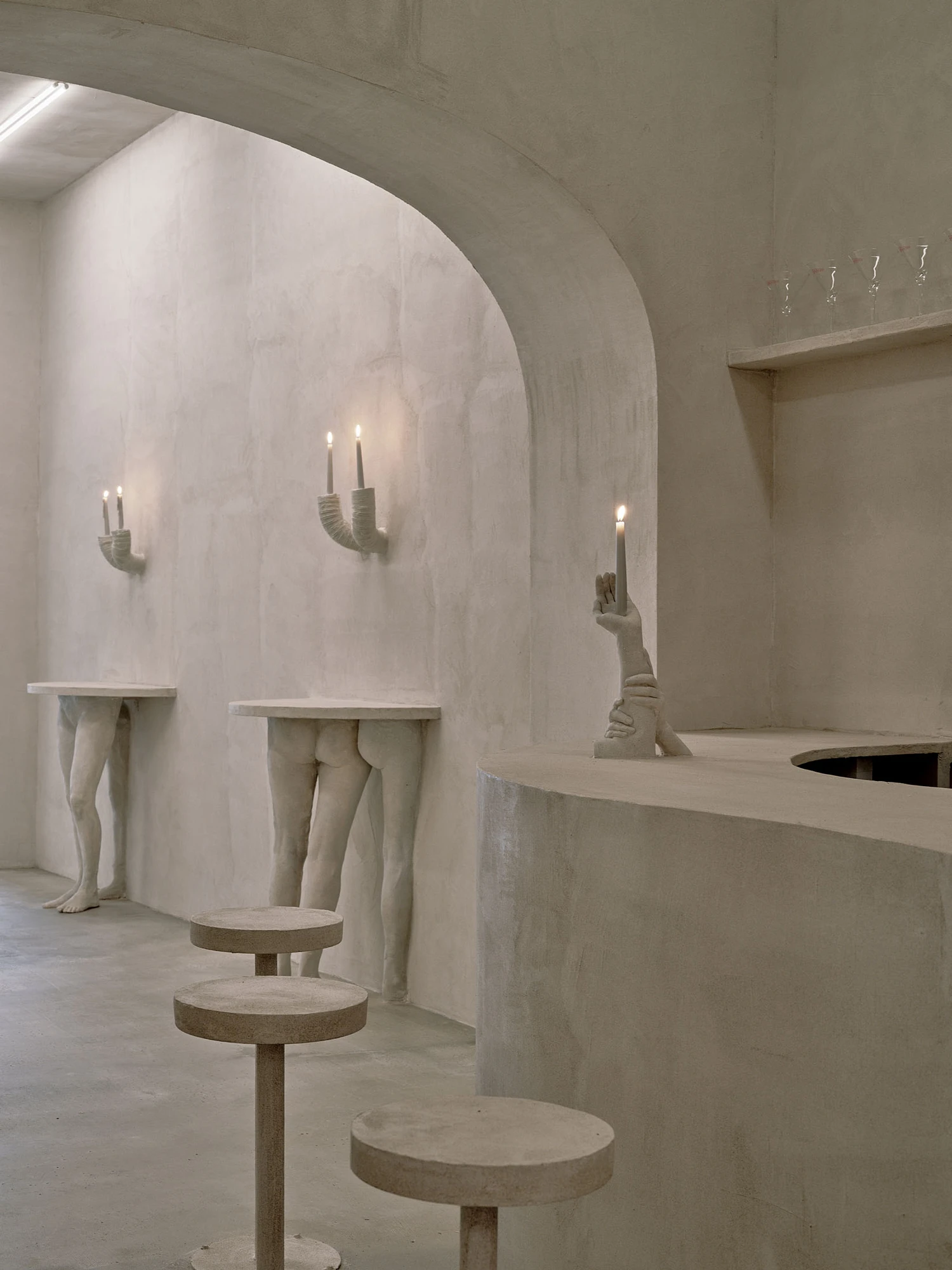
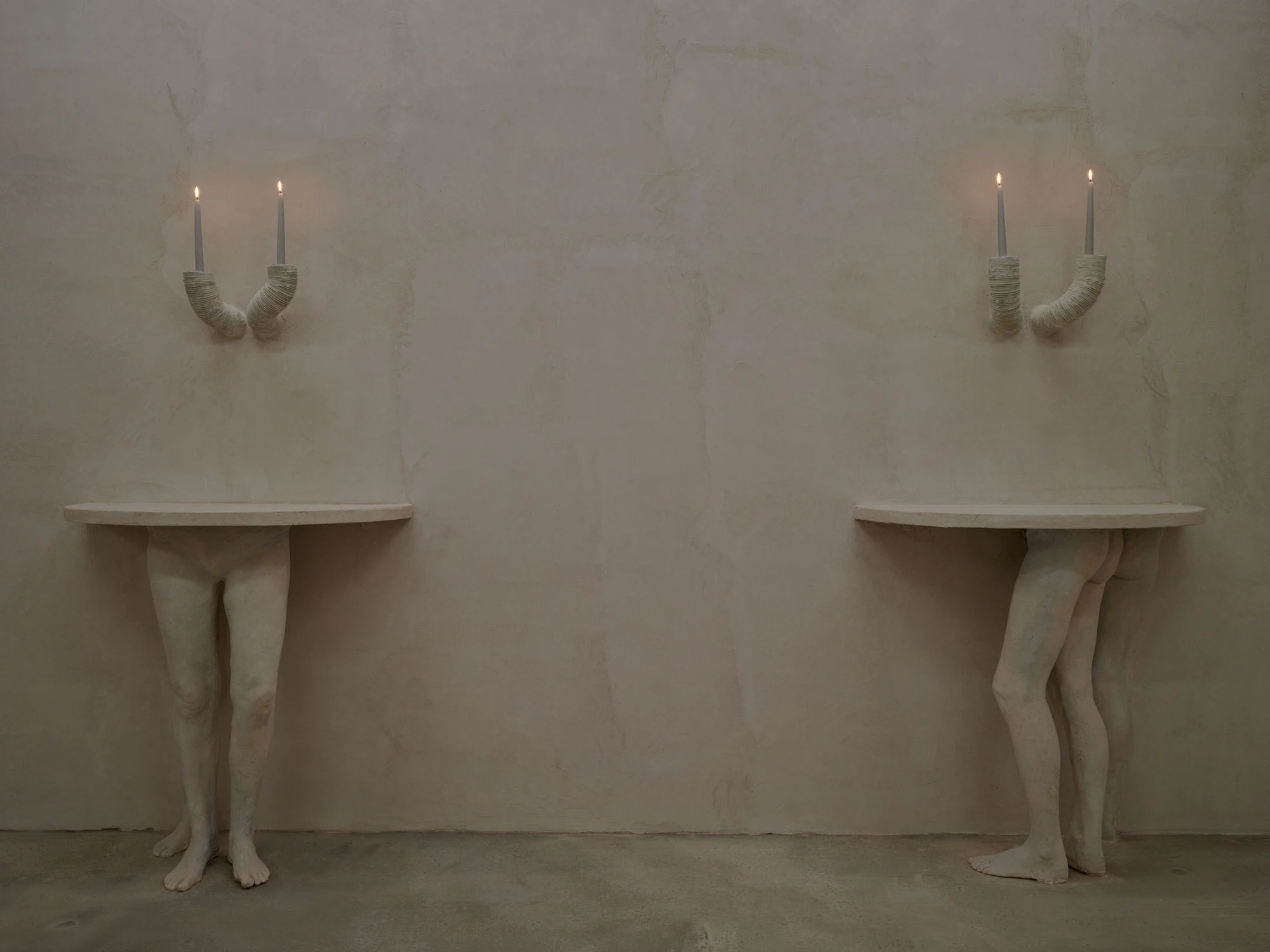
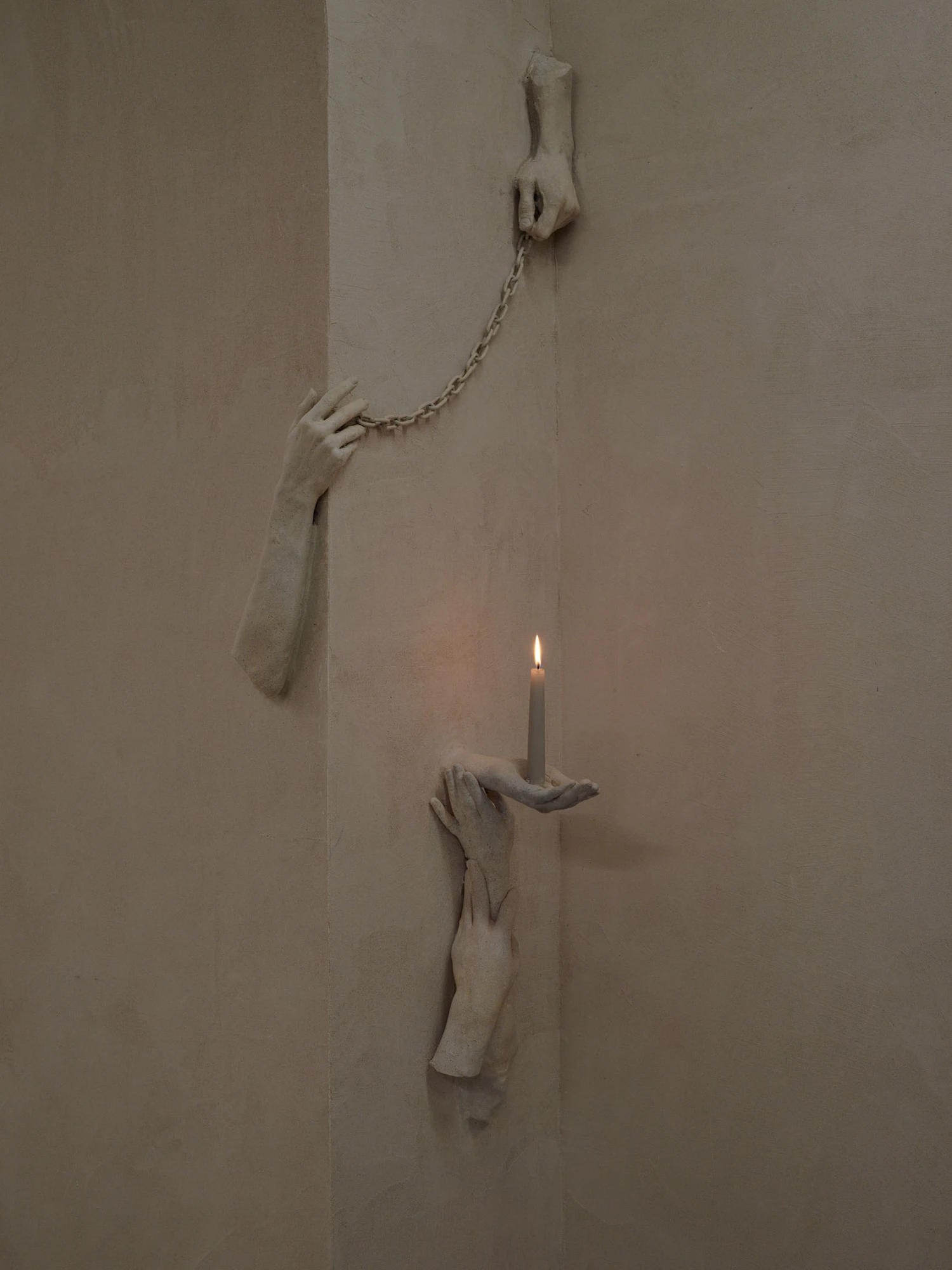
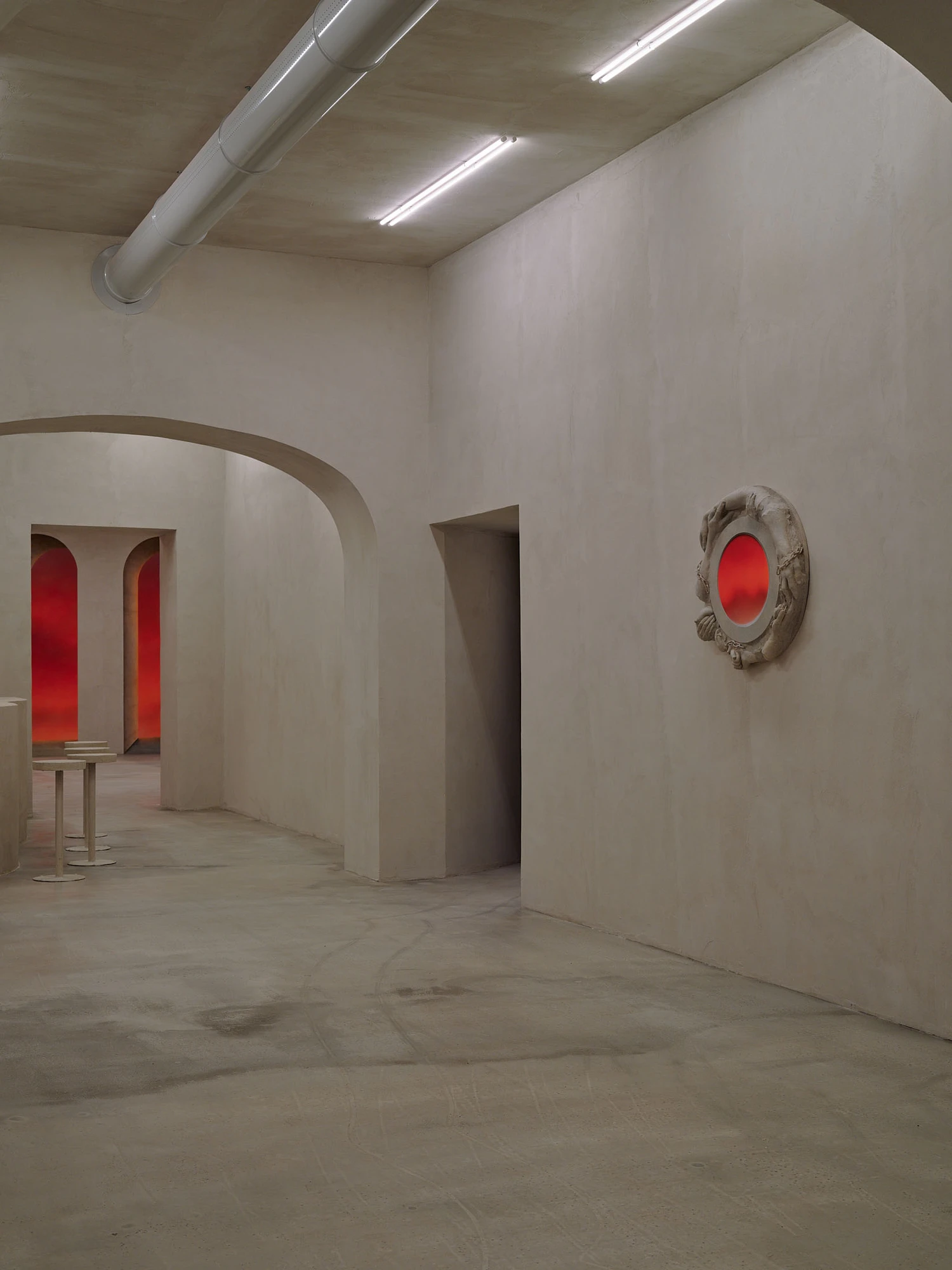
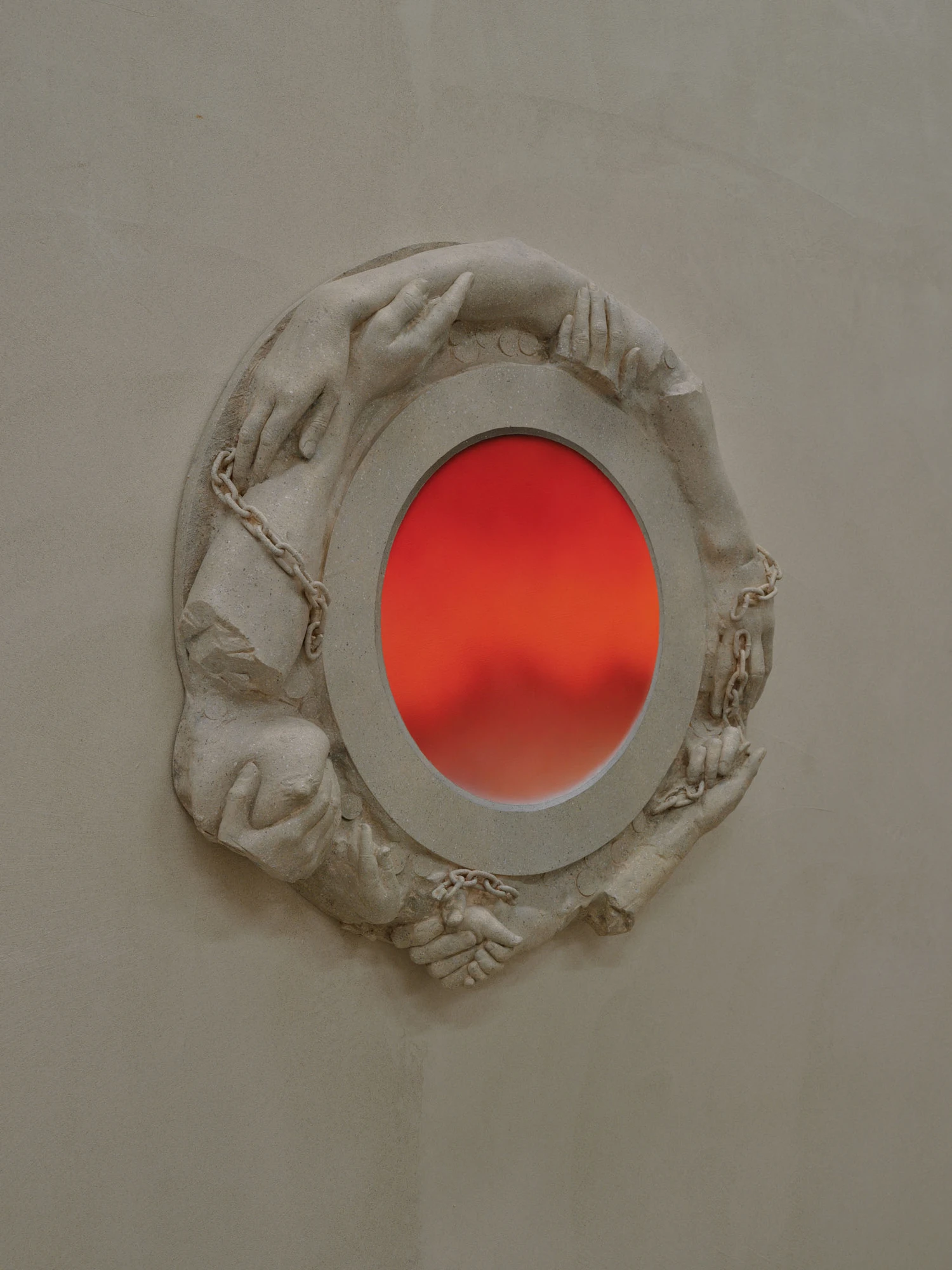
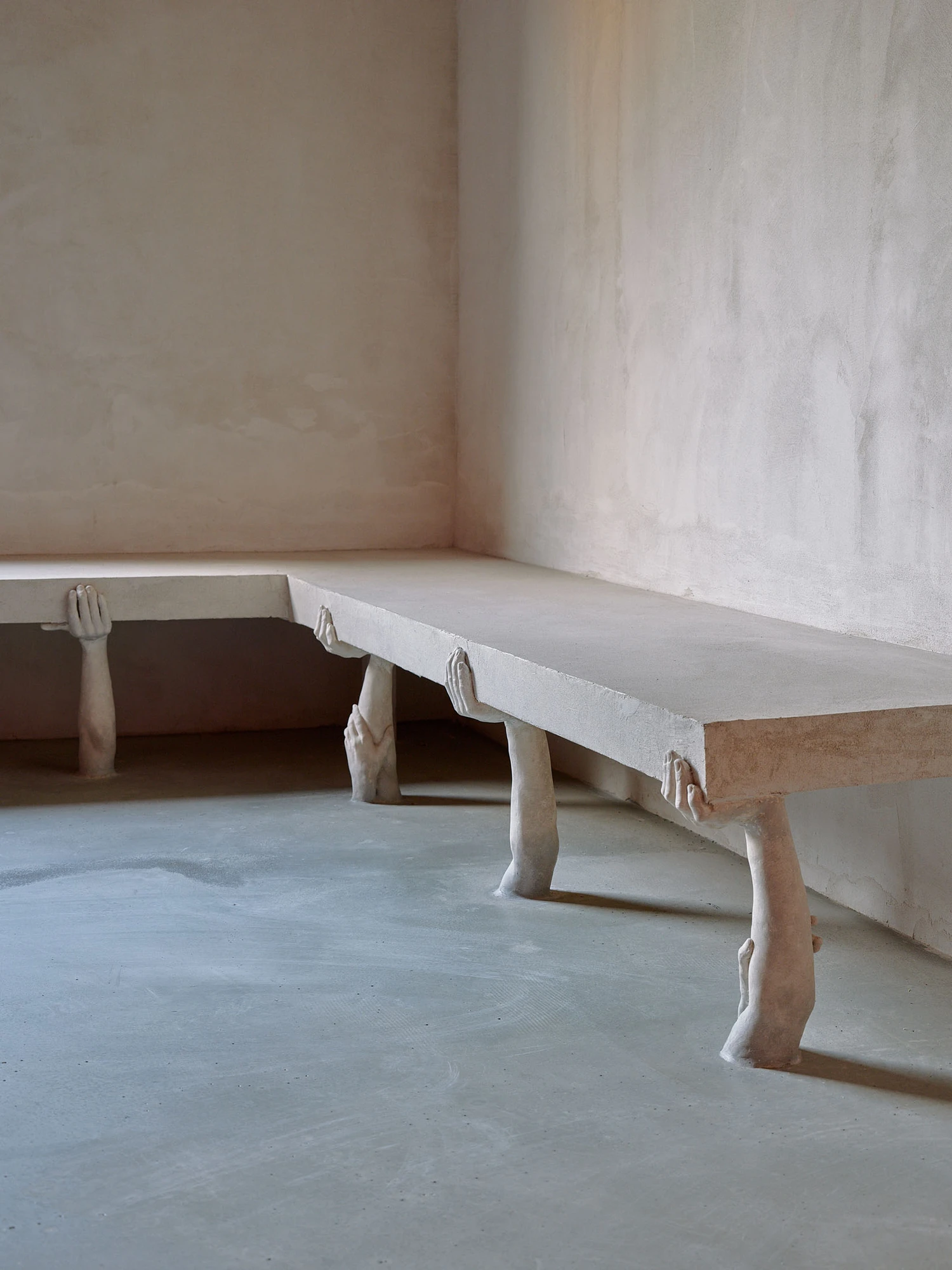
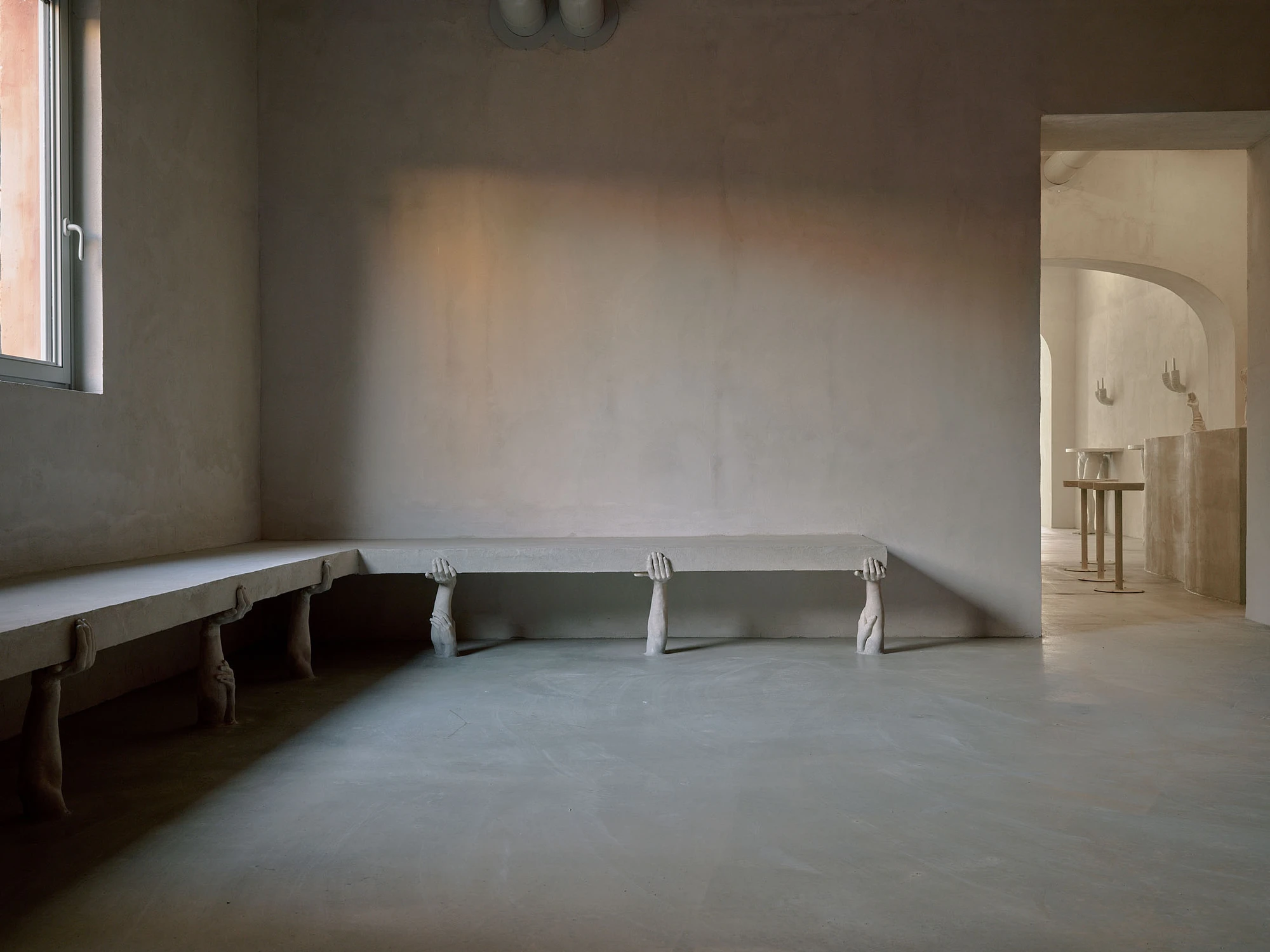
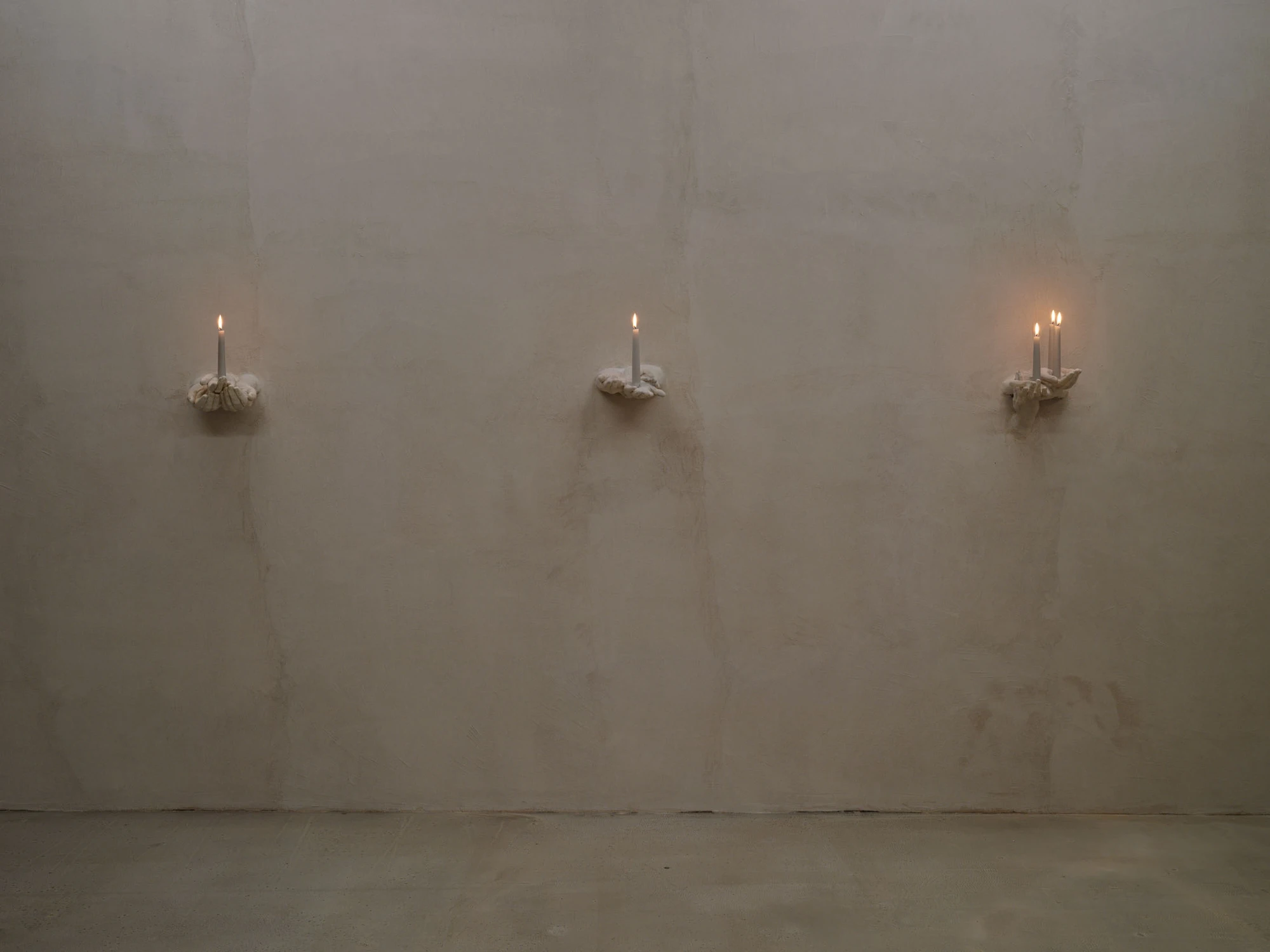
Walk into Bar Far and your first instinct is to touch the walls. They look like stone — old stone, Roman stone, the kind that has survived centuries of weather and indifference. Body parts emerge from the surface: an arm here, a fragment of torso there, fused with brick and timber as though the building were assembling itself from human remains. Then you get close and realize it is painted plaster. Clementine Keith-Roach has pulled off a deception so convincing that its unmasking feels personal, almost embarrassing. You believed what you saw. The work asks you to sit with that.
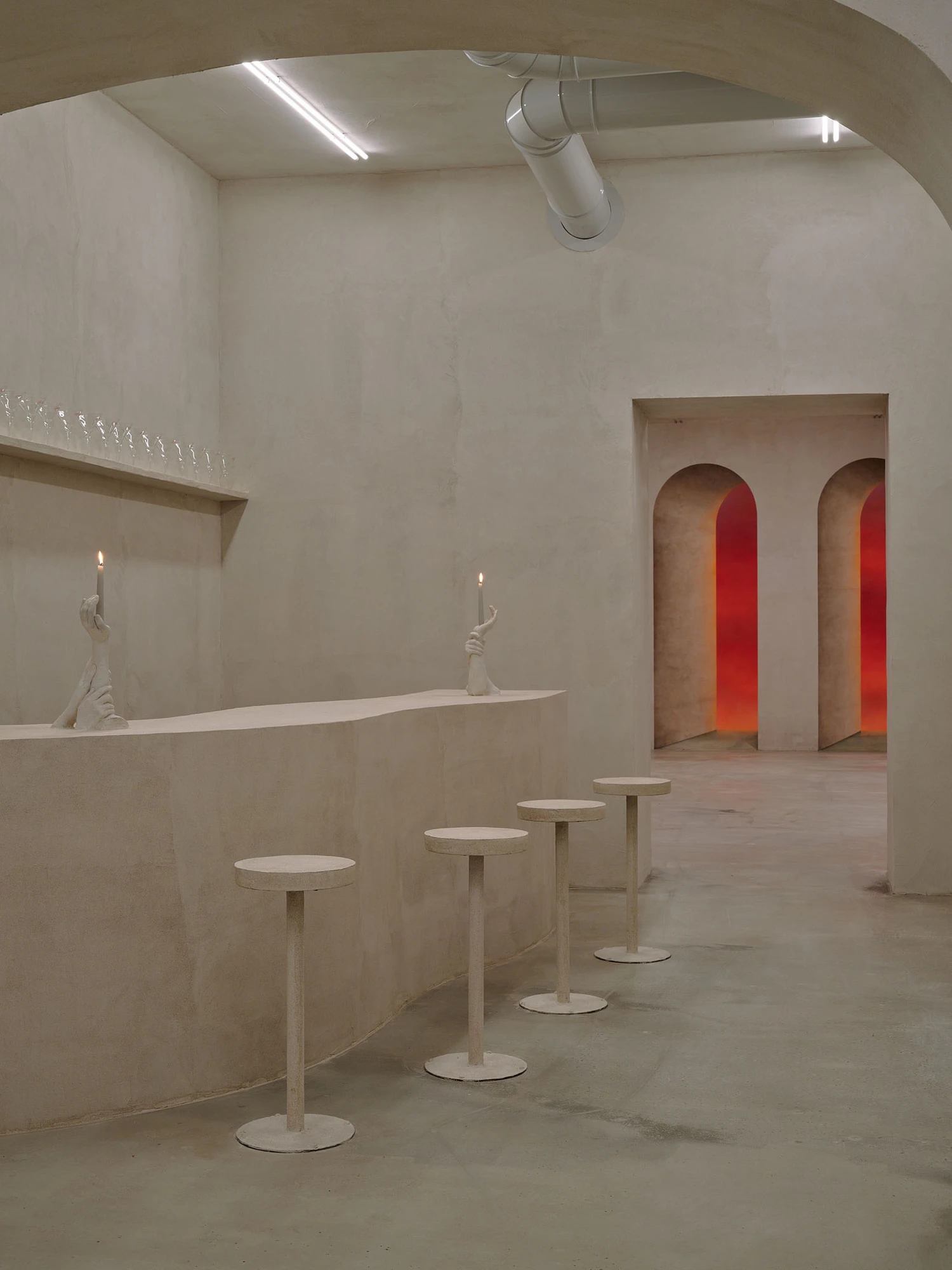
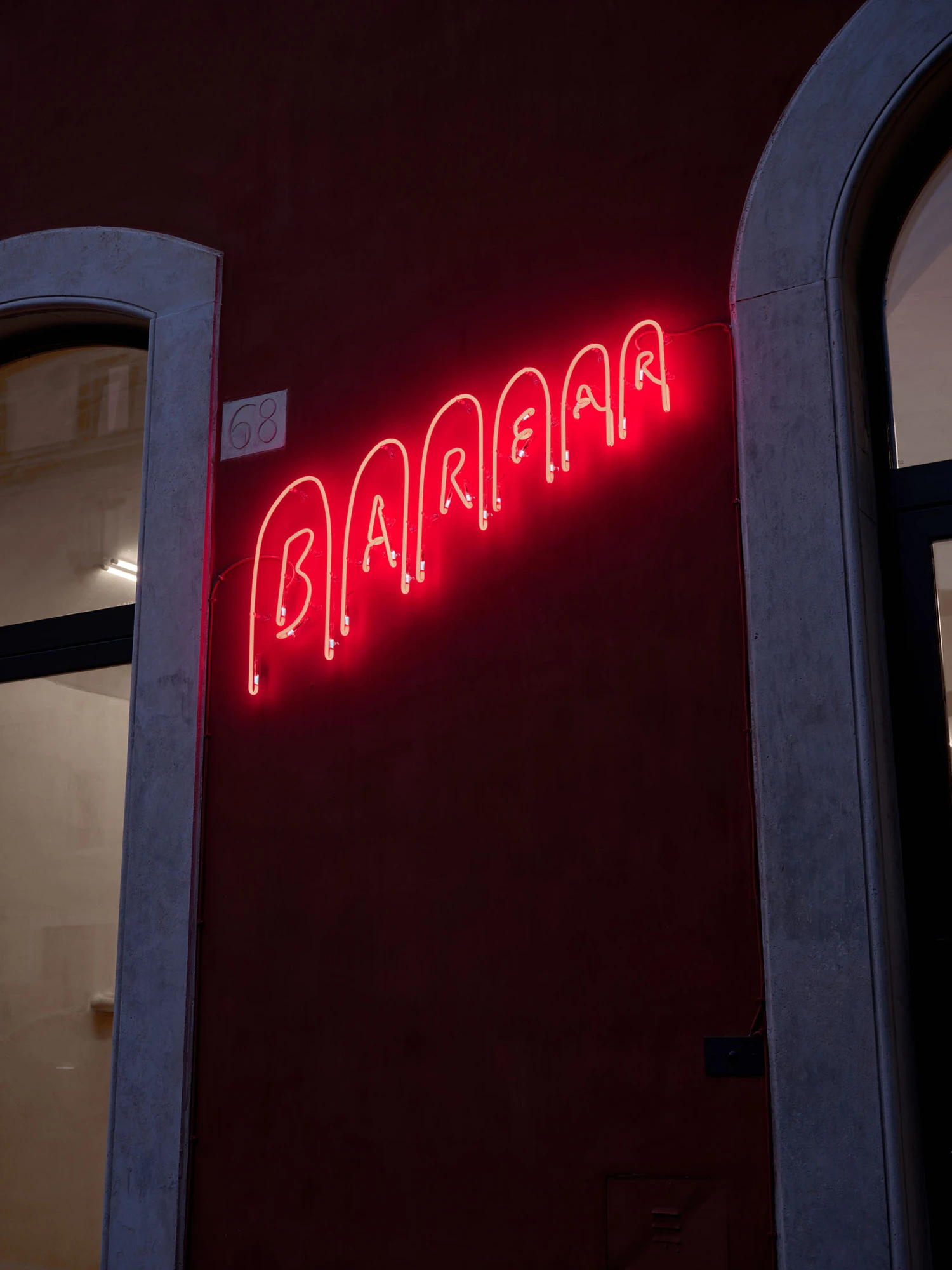
Keith-Roach and Christopher Page have transformed Villa Lontana’s new Trastevere space — renovated in collaboration with Studio Strato — into something that defies easy classification. It is a bar, yes, operational and serving drinks. But it is also an installation, a collaboration, and a provocation about perception. The name echoes Villa Lontana itself (‘Faraway Villa’), and the distance it conjures is not geographical but metaphysical: the manifold illusions that comprise Bar Far point toward an ambiguous beyond.
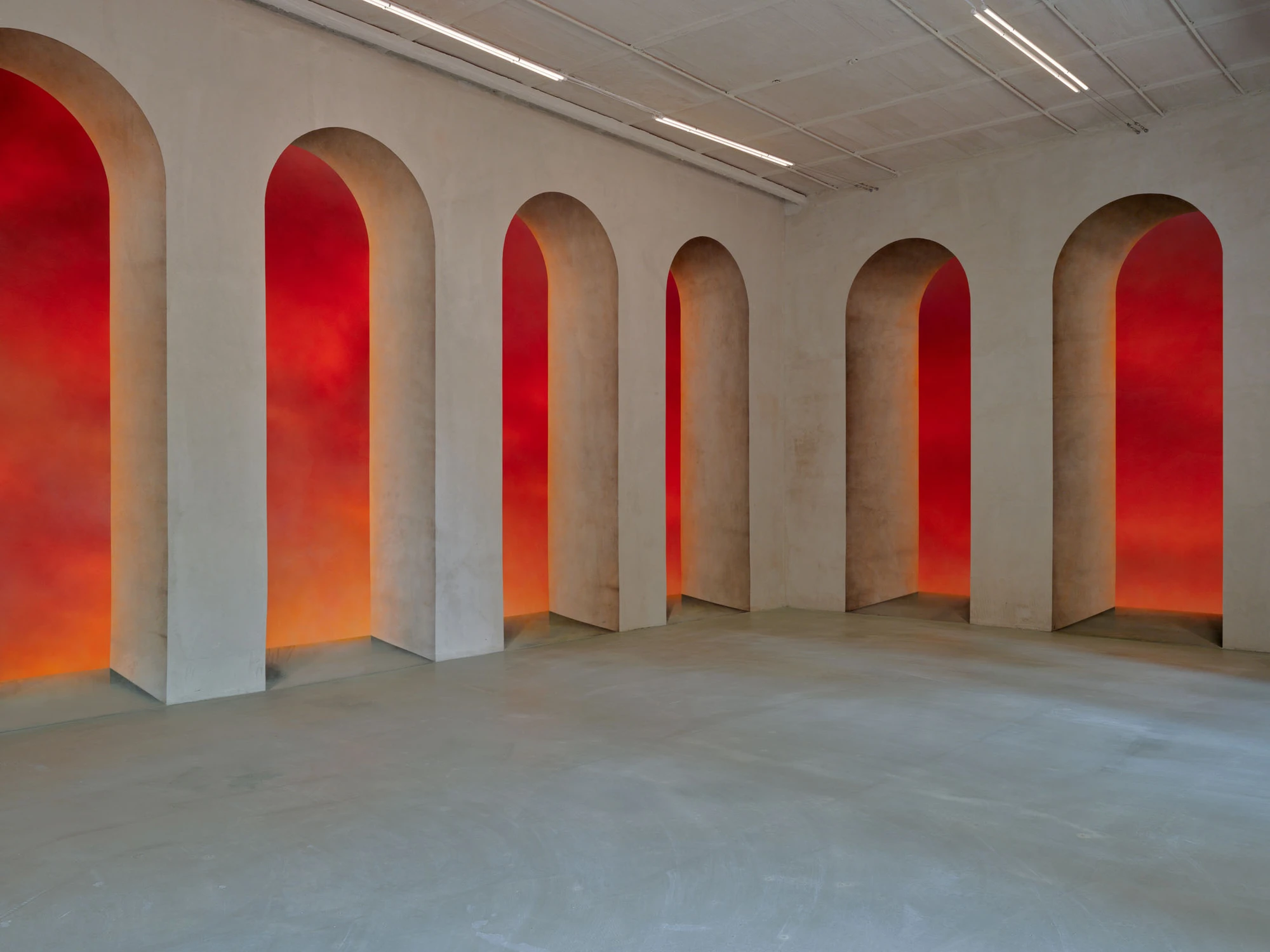
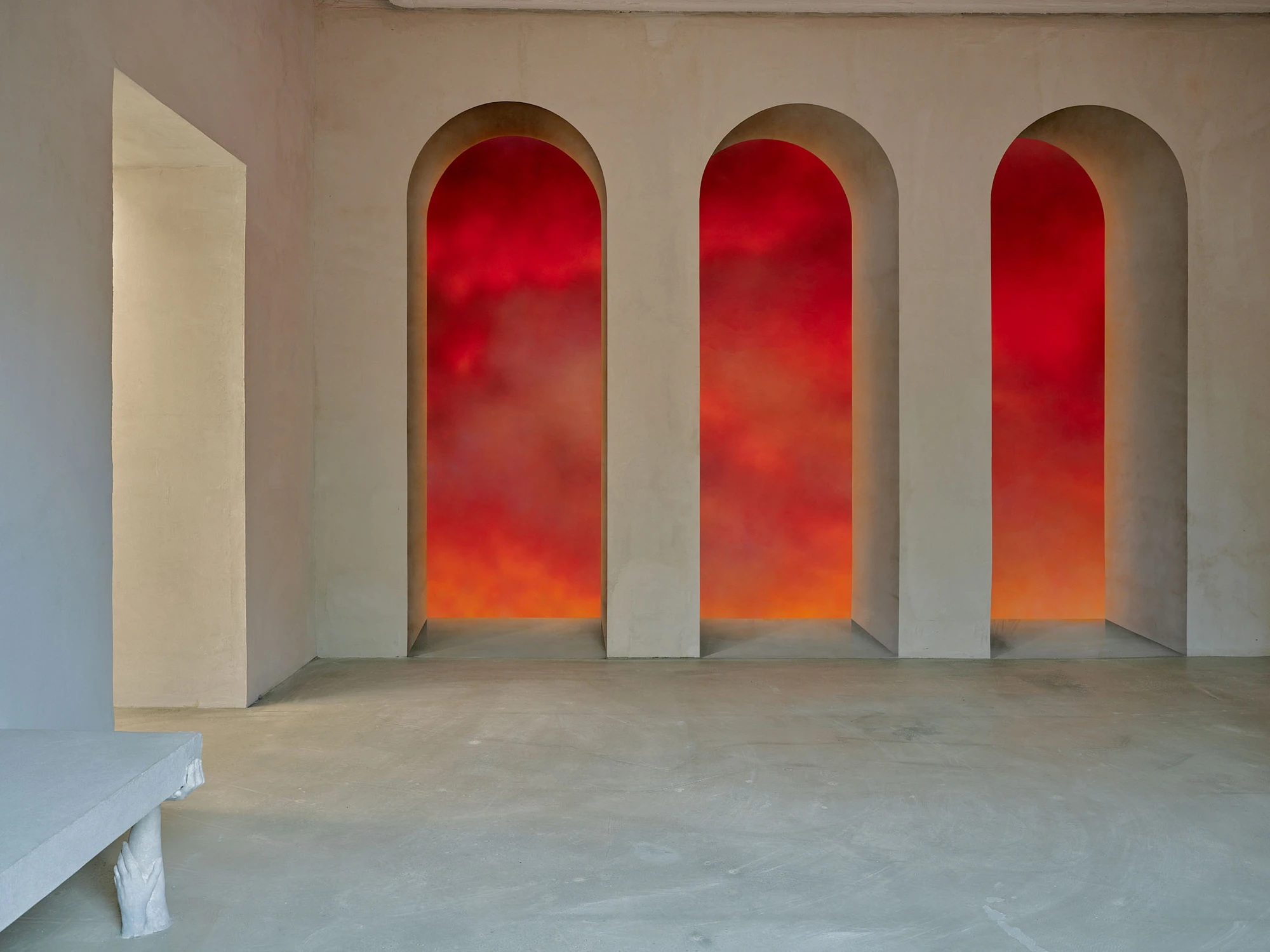
Page’s contribution occupies the final room, where a painted colonnade opens onto what appears to be infinite depth. Move two steps to the left and the perspective warps, the columns bend, the vista compresses into flat pigment on plaster. The illusion doesn’t just fail — it fails beautifully, and that failure is the content. Both artists see in trompe l’oeil not a parlour trick but a method of interrogation. To paint something that looks real is to invite the viewer to discover the lie, and in that discovery, to understand something about how they construct reality from surfaces.
The lineage is deliberate: Cabaret Voltaire, the Colony Room, de Chirico’s Caffè Greco. Art-bars born during upheaval, places where the drink was incidental to the encounter. Bar Far arrives at its own moment of uncertainty and offers the same proposition: a space for conversation conducted amidst contradictions, where the walls cannot be trusted and the depths are painted on.
A programme of live performances will animate the space throughout the exhibition — poet Florence Uniacke, soprano Nyla van Ingen, musician Lukas De Clerck among the first. The dreamlike interior seems to demand it. Bar Far is not a space for passive looking. It is a space for being inside a question, drink in hand, surrounded by things that are not what they seem.