.webp)
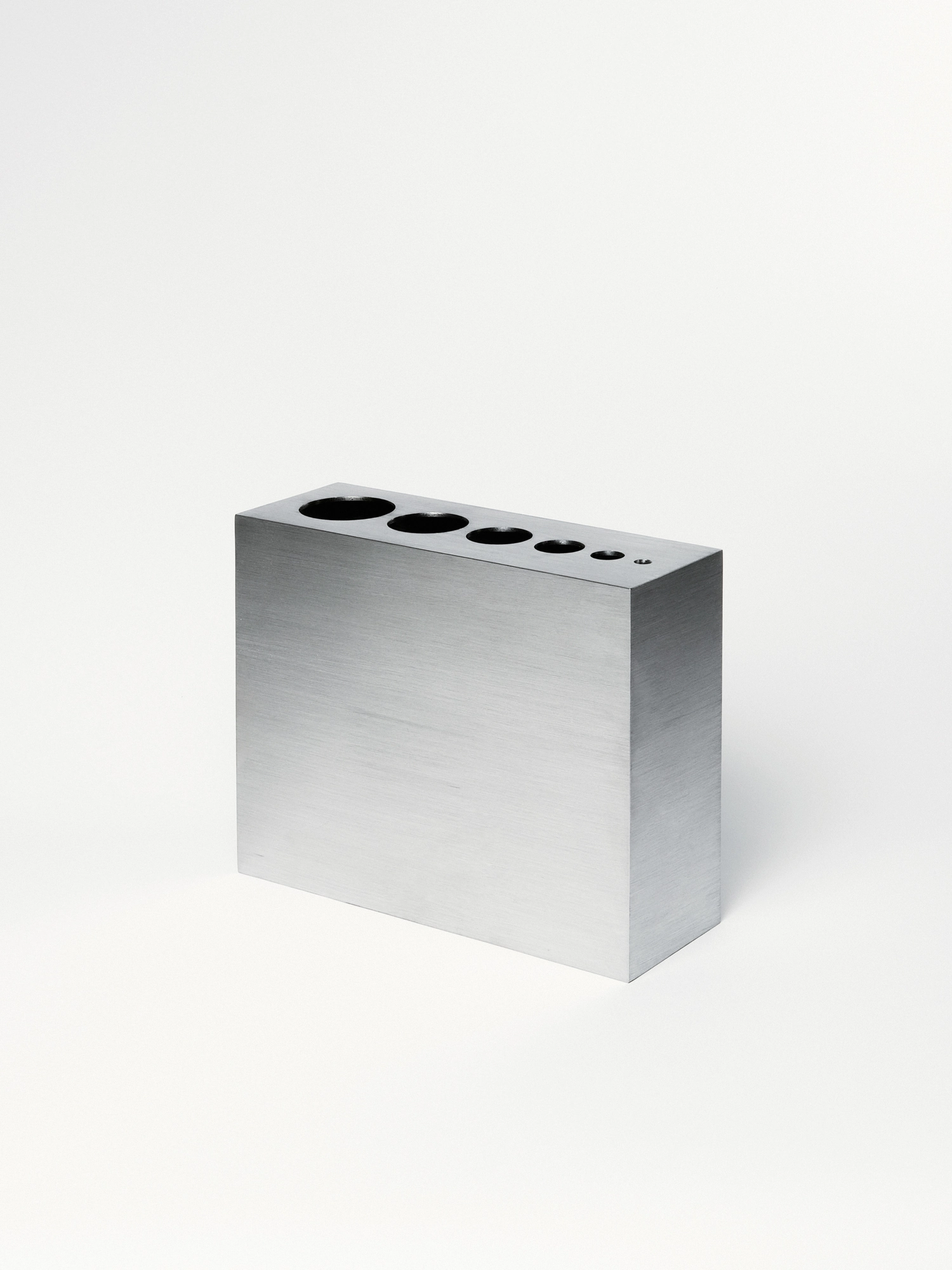
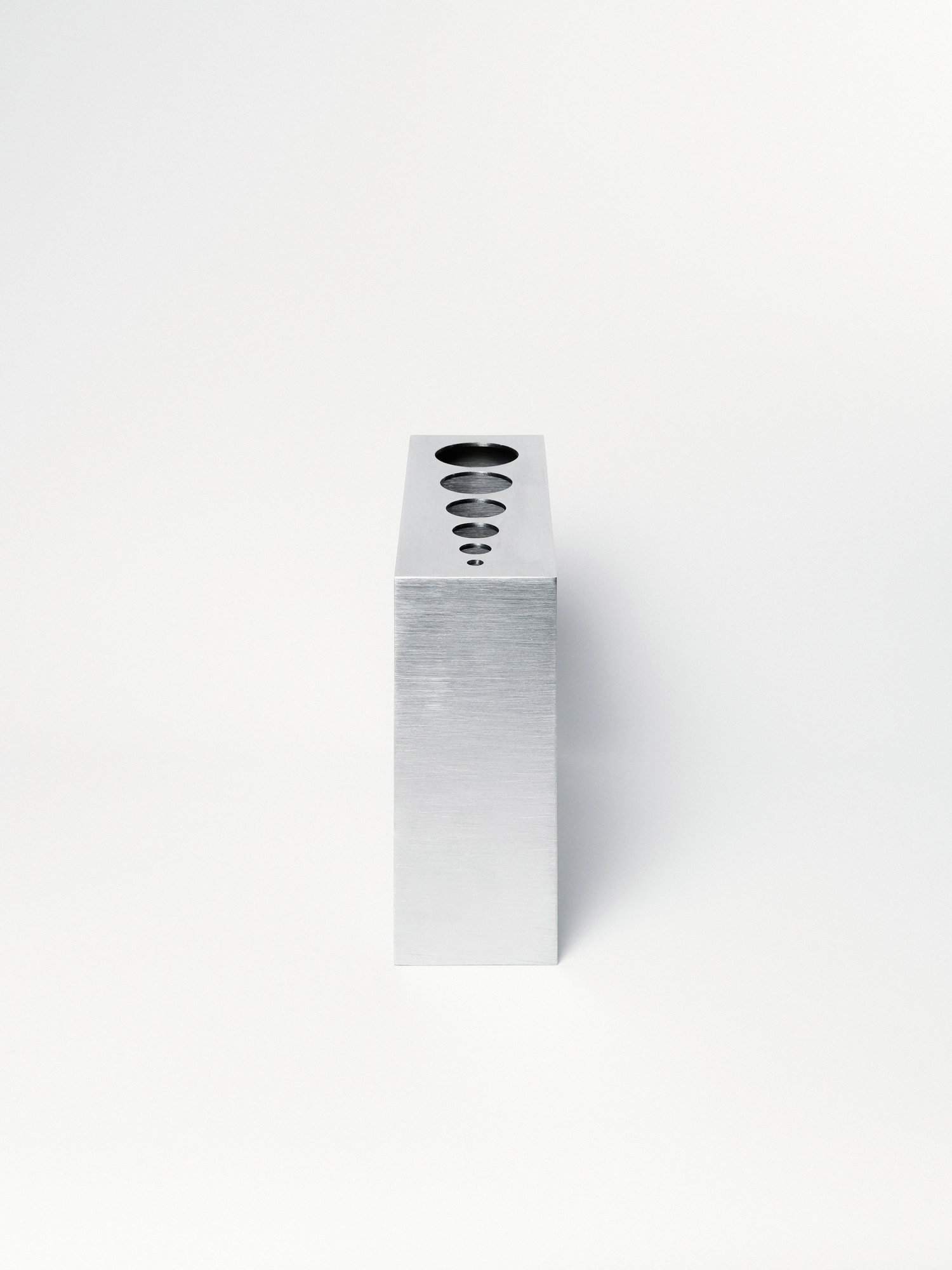
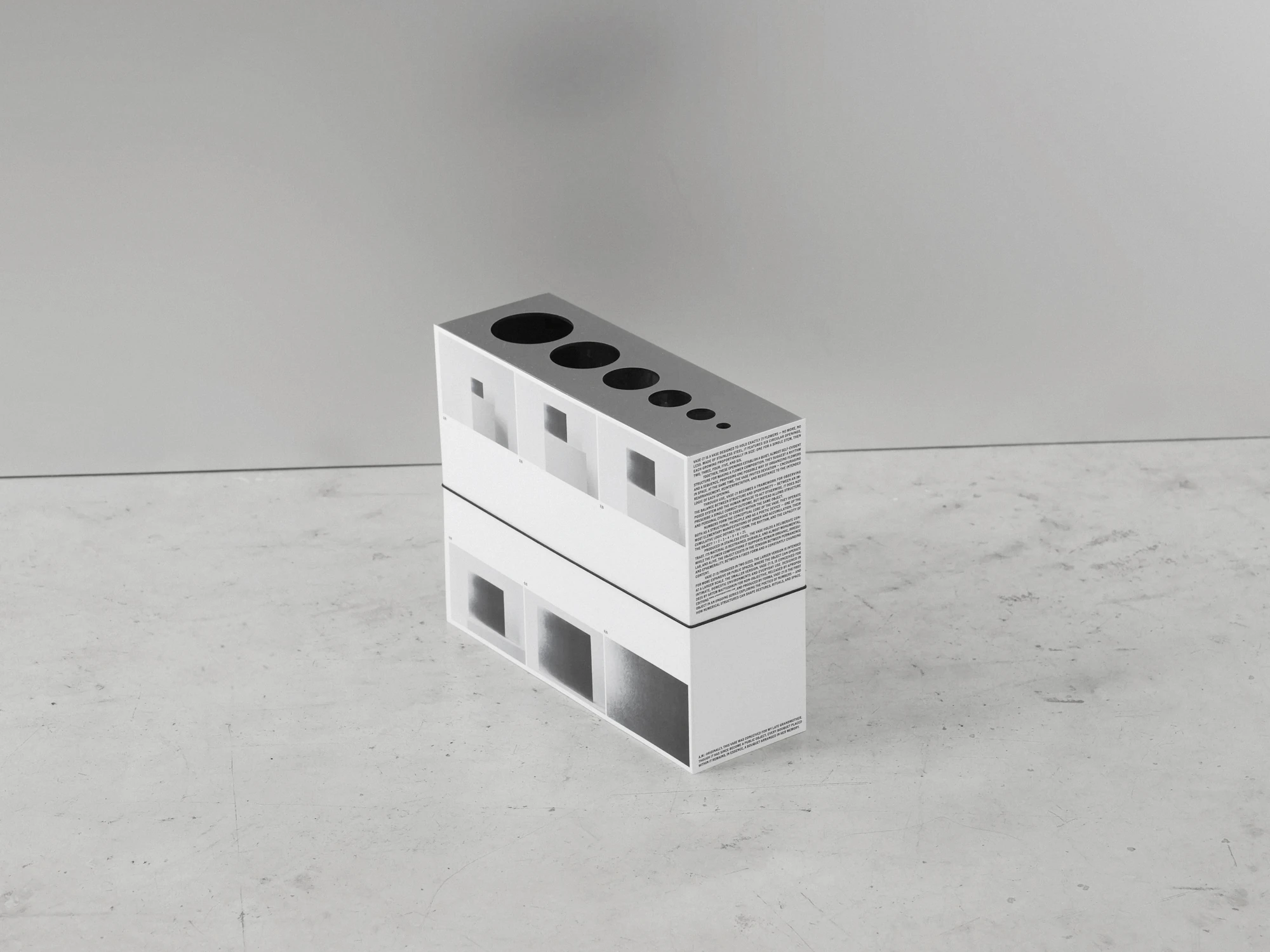
Six round openings, each larger than the last, from one stem to six, let Tbilisi studio Non-Objective make VASE-21 a sum: 1 plus 2 plus 3 plus 4 plus 5 plus 6, resolving to 21 flowers.
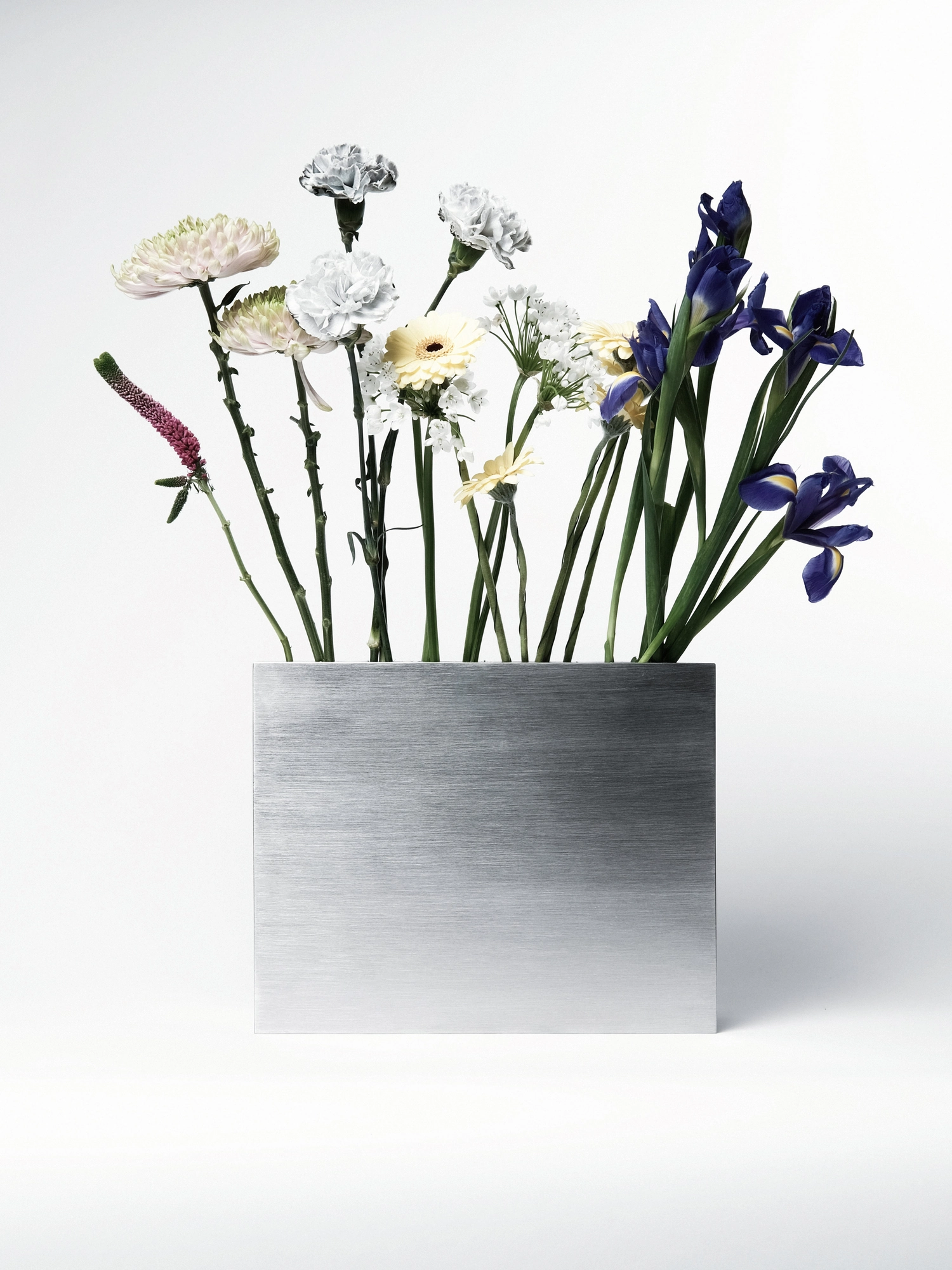
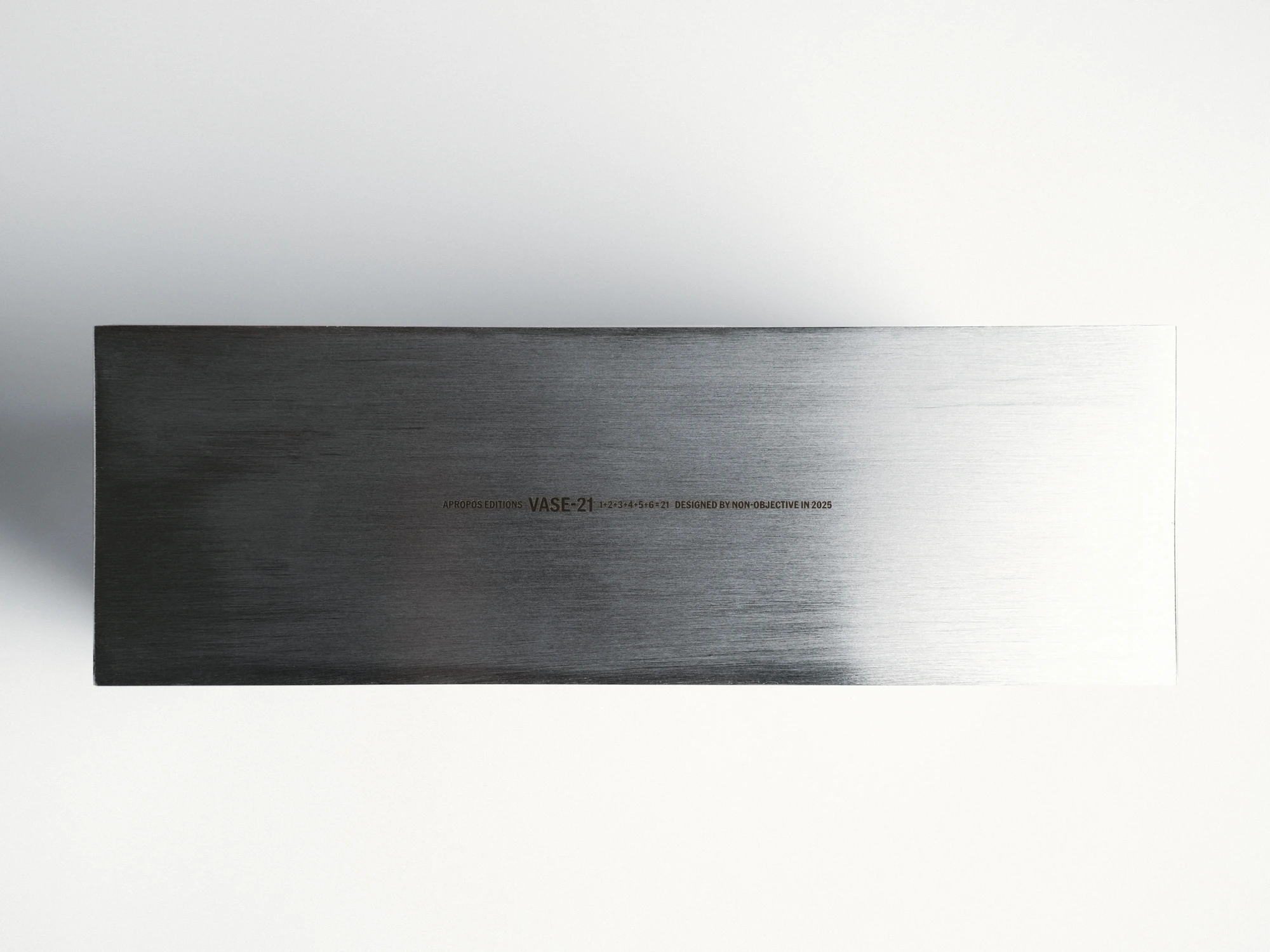
VASE-21 holds exactly twenty-one flowers, no more and no fewer. Artem Matyushkin designed it in 2025 for Non-Objective, Apropos Editions released it, and it is the first object in a series exploring the poetics of numbers: a line of inquiry into how a numerical structure can shape an object, a person and a space.
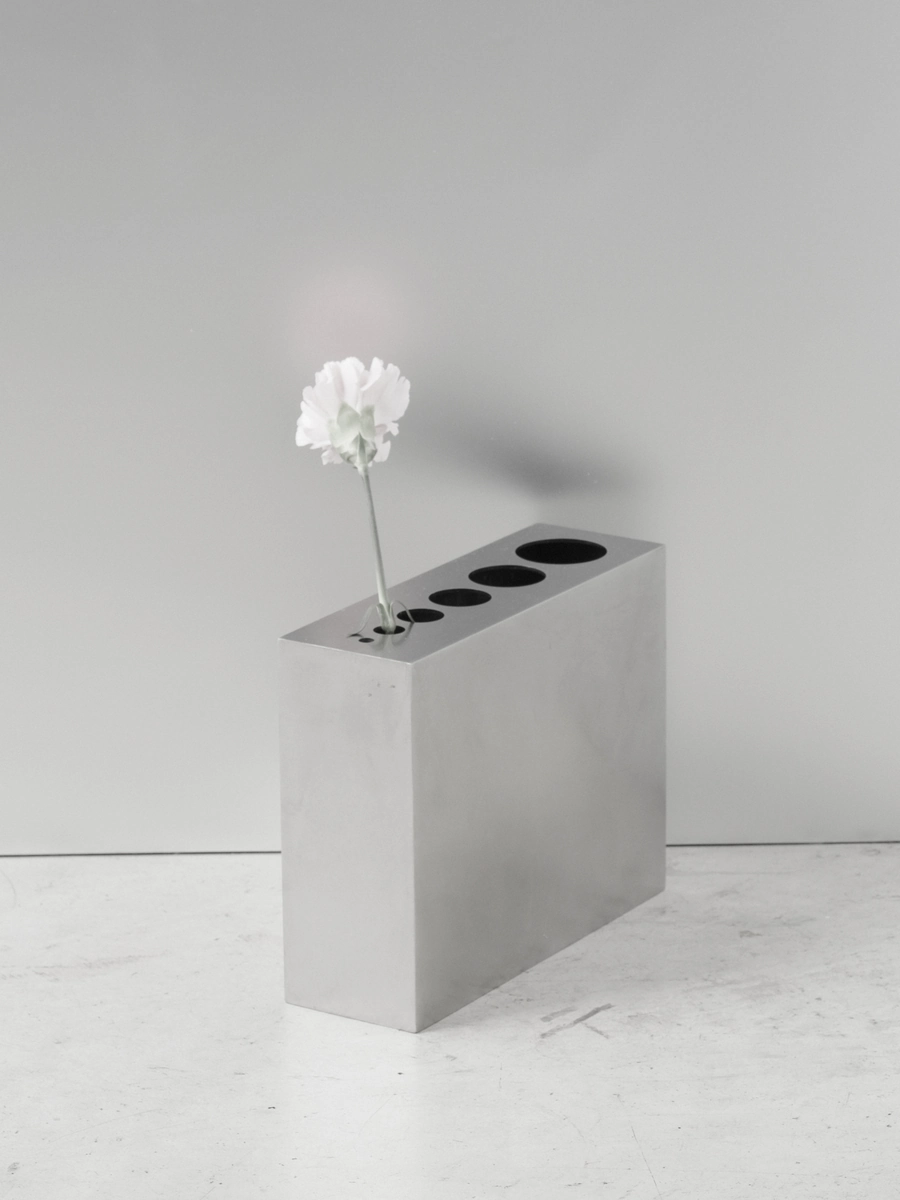
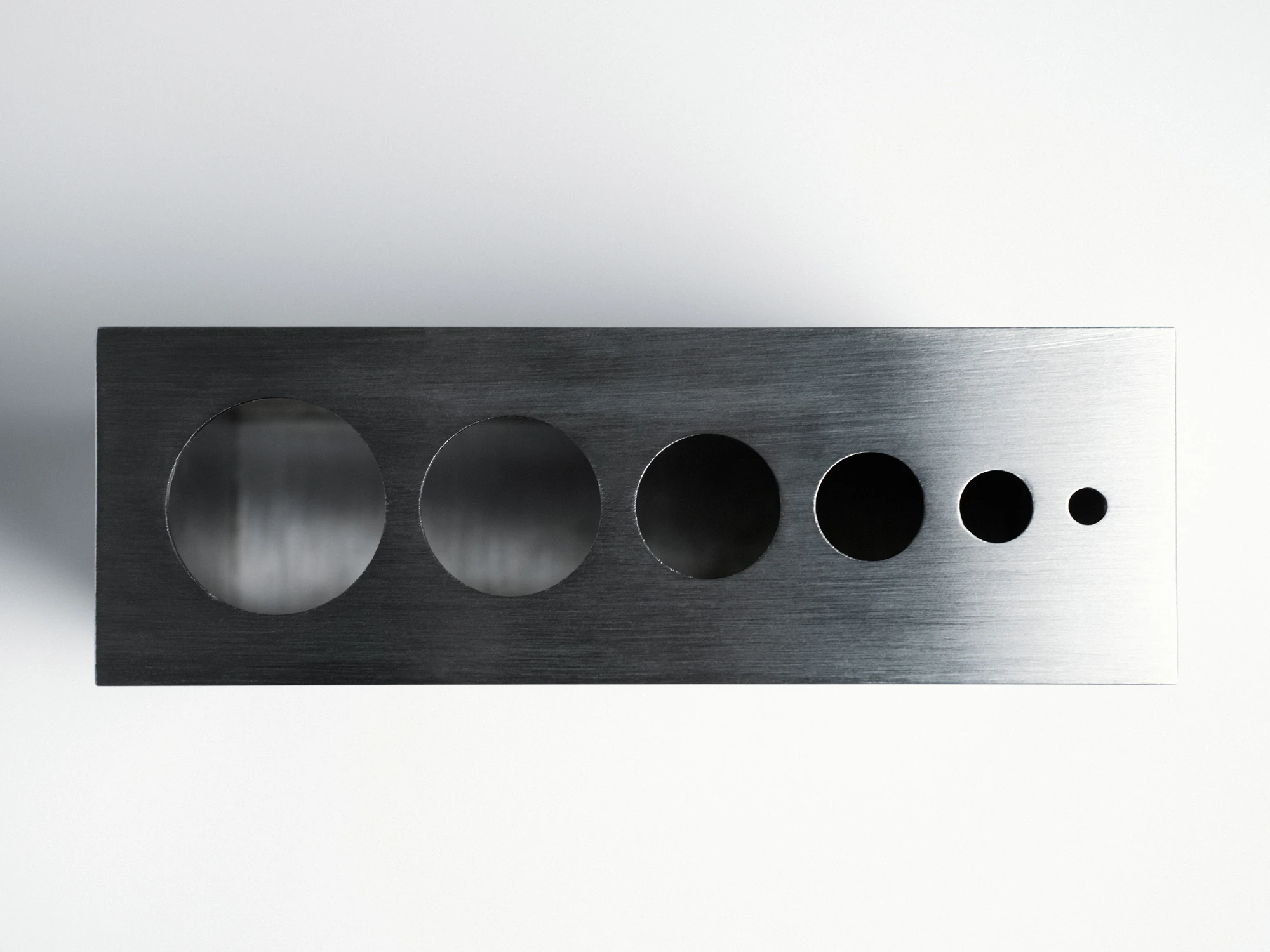
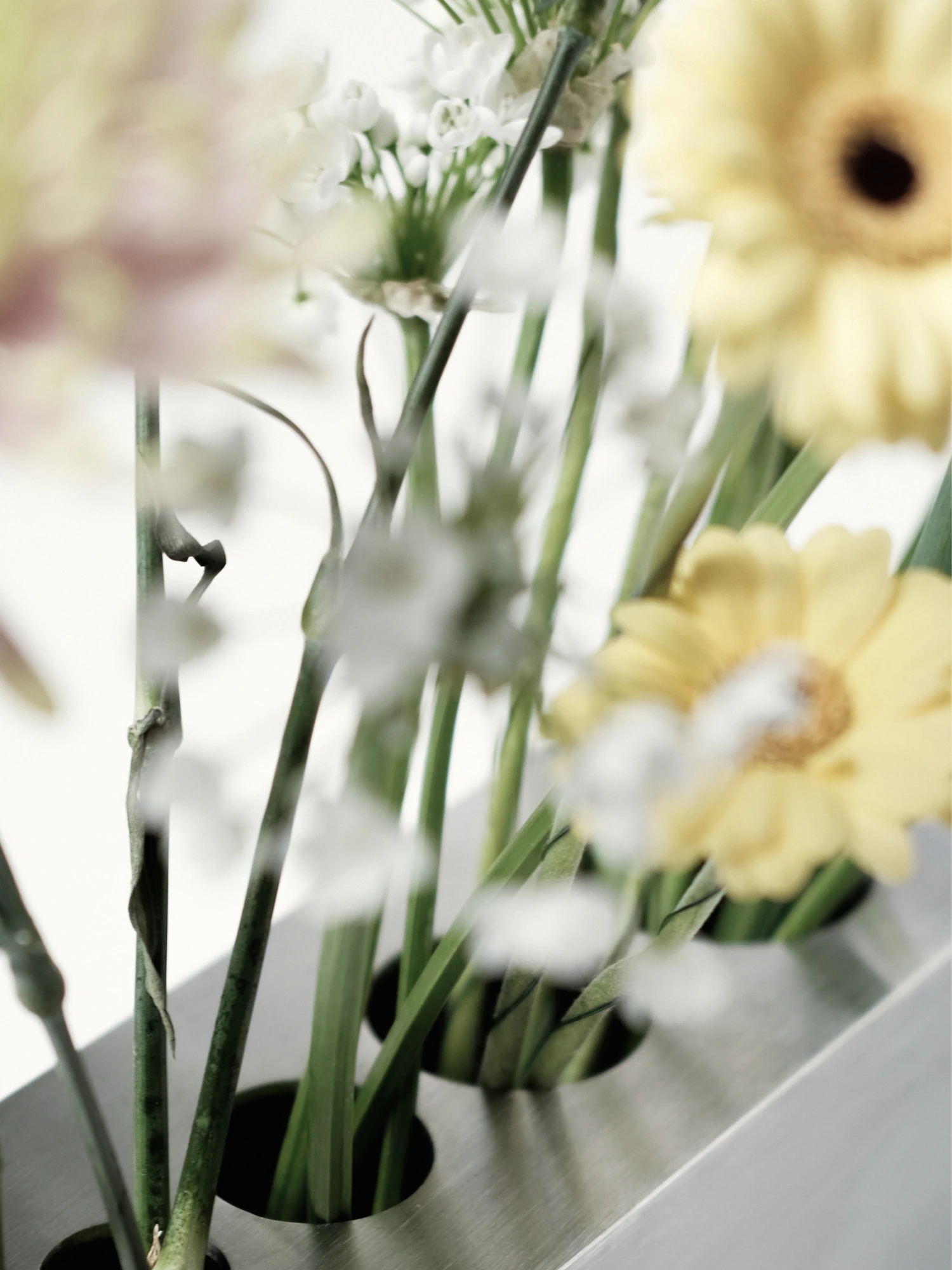
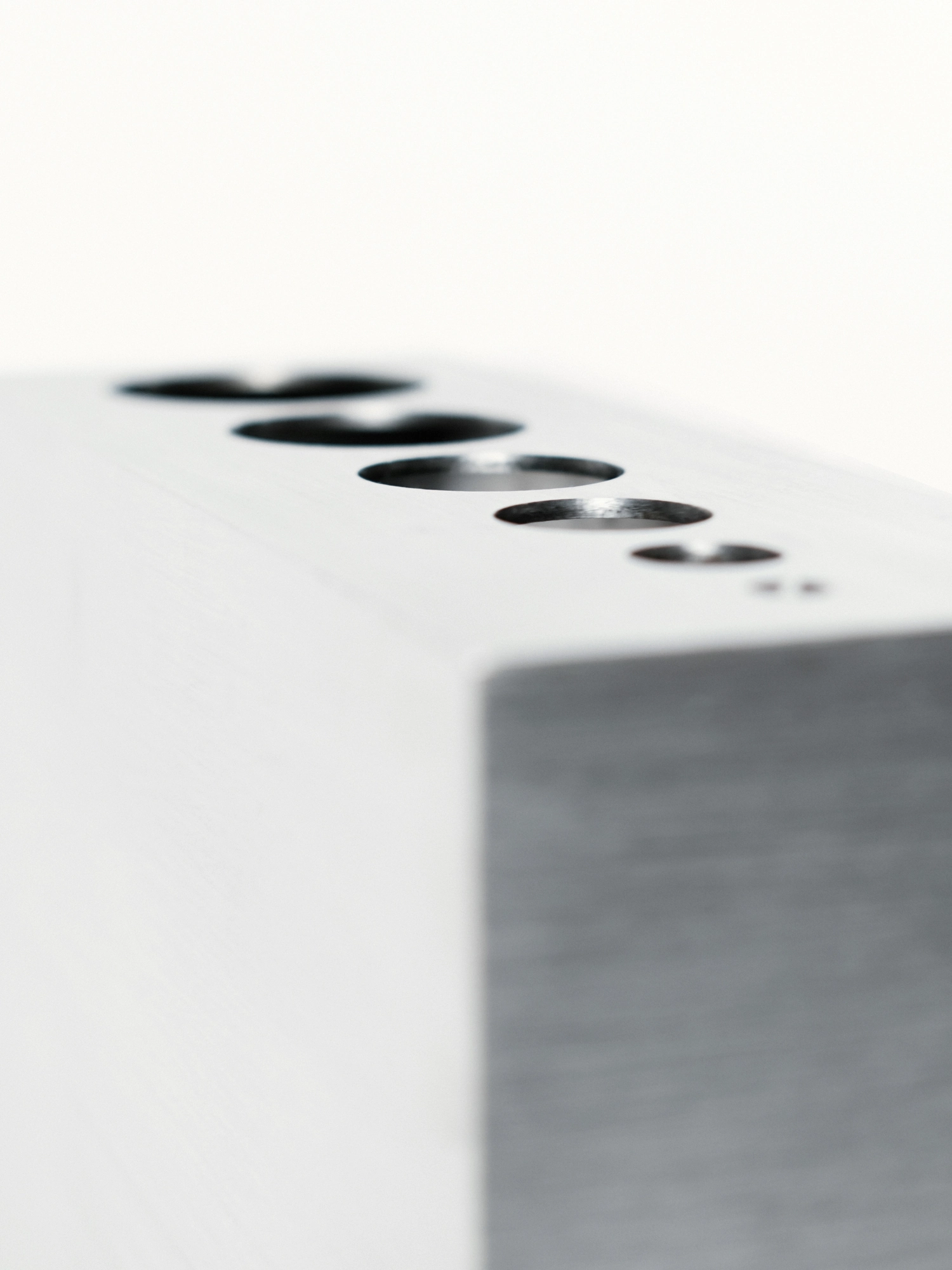
The count is not arbitrary. Six round openings run across the top, each one larger than the last, so the first takes a single stem, the next two, then three, four, five and six. Add them and the arithmetic resolves cleanly: 1 + 2 + 3 + 4 + 5 + 6 = 21. The openings give a bouquet a rhythm and a sequence, one way of ordering flowers in space, but they leave the final call to whoever is holding the stems. "There is no single correct result as the object allows structure and personal choice to coexist within one form," says Non-Objective.
Seen from above, the vase reads less like a vessel than a page. Its top plane is set by the progression of circles, but also by a geometry of alignment and spacing that the studio carries over from graphic design, its native language.
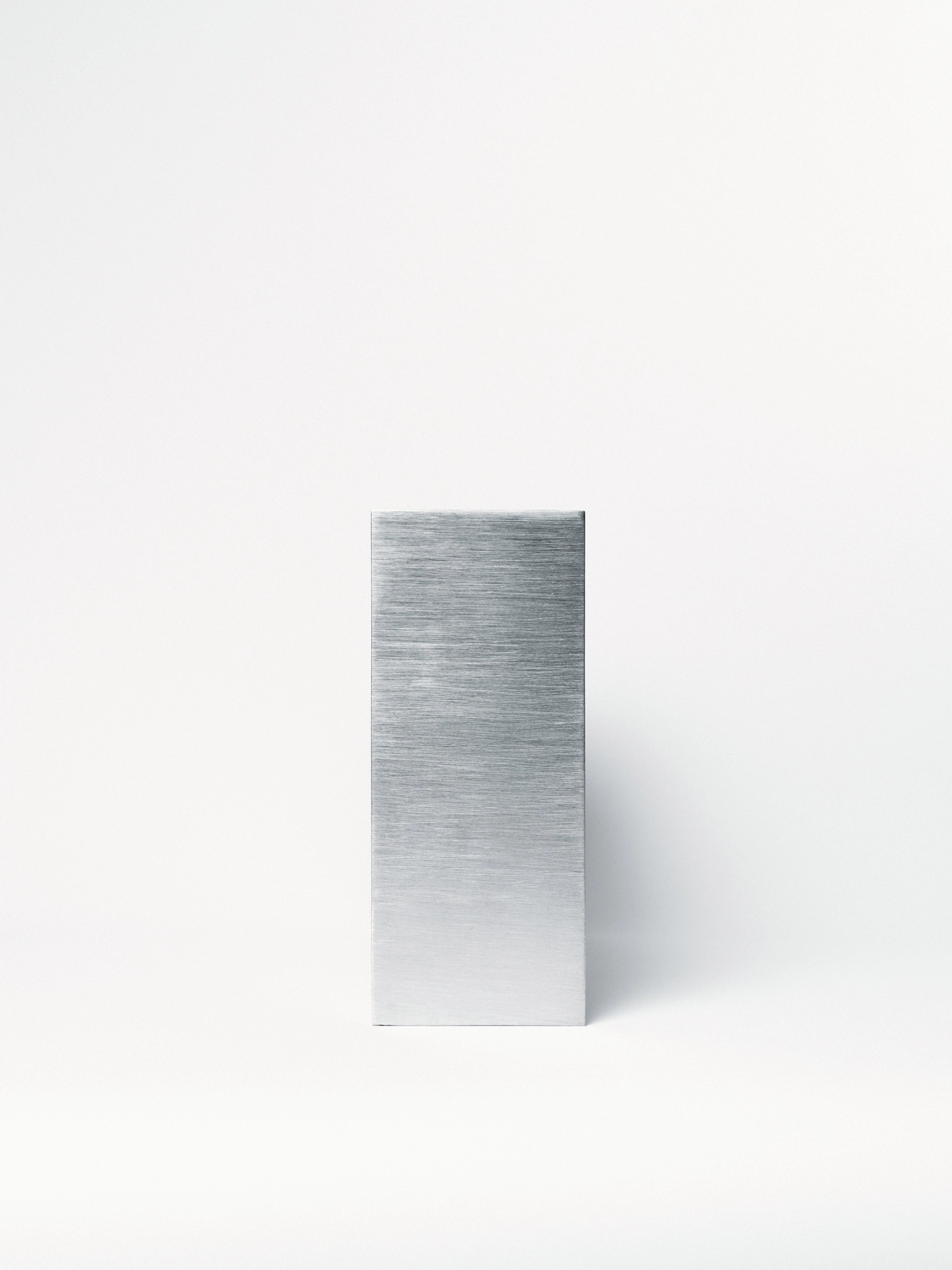
Stainless steel is a deliberate choice, picked for contrast. "The material is restrained, durable and, in some sense, monumental, while the flowers gathered in it remain natural, uneven and alive," the studio writes. The steel stays permanent while its contents open, lean and wilt, so the object lives in the tension between permanence and transience.
That tension is the real subject. Numbers work here as both a structural principle and a poetic device, one of the most elementary manifestations of order and accumulation, and VASE-21 hands that order back to be reassembled, rethought, even argued with. The sum stays twenty-one; everything else is left open.