Thisispaper Community
Join today.
Enter your email address to receive the latest news on emerging art, design, lifestyle and tech from Thisispaper, delivered straight to your inbox.
Oops! Something went wrong while submitting the form.
Instant access to new channels
The top stories curated daily
Weekly roundups of what's important
Original features and deep dives
Exclusive community features
Alexander Zaxarov
Nov 18, 2026

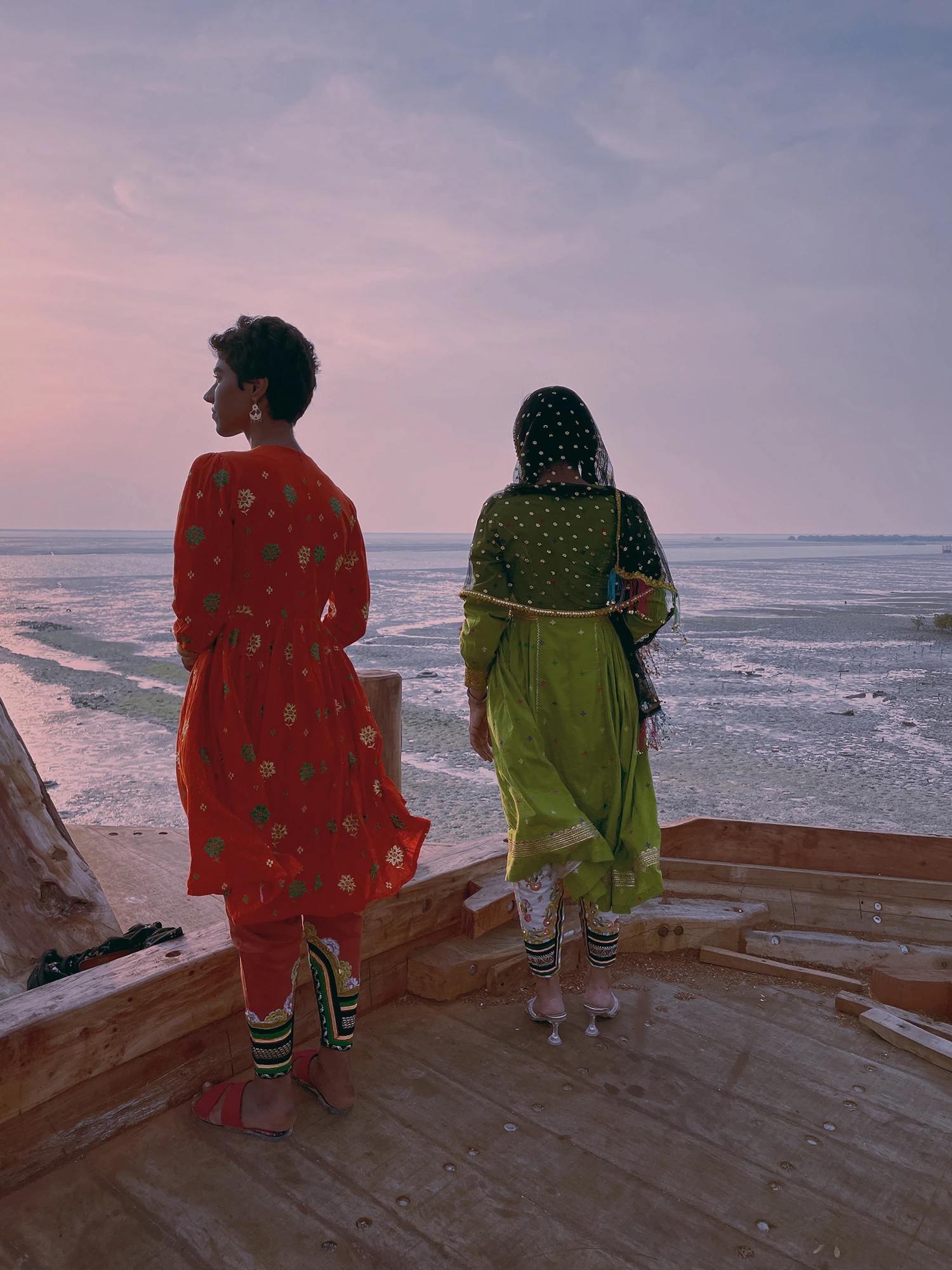
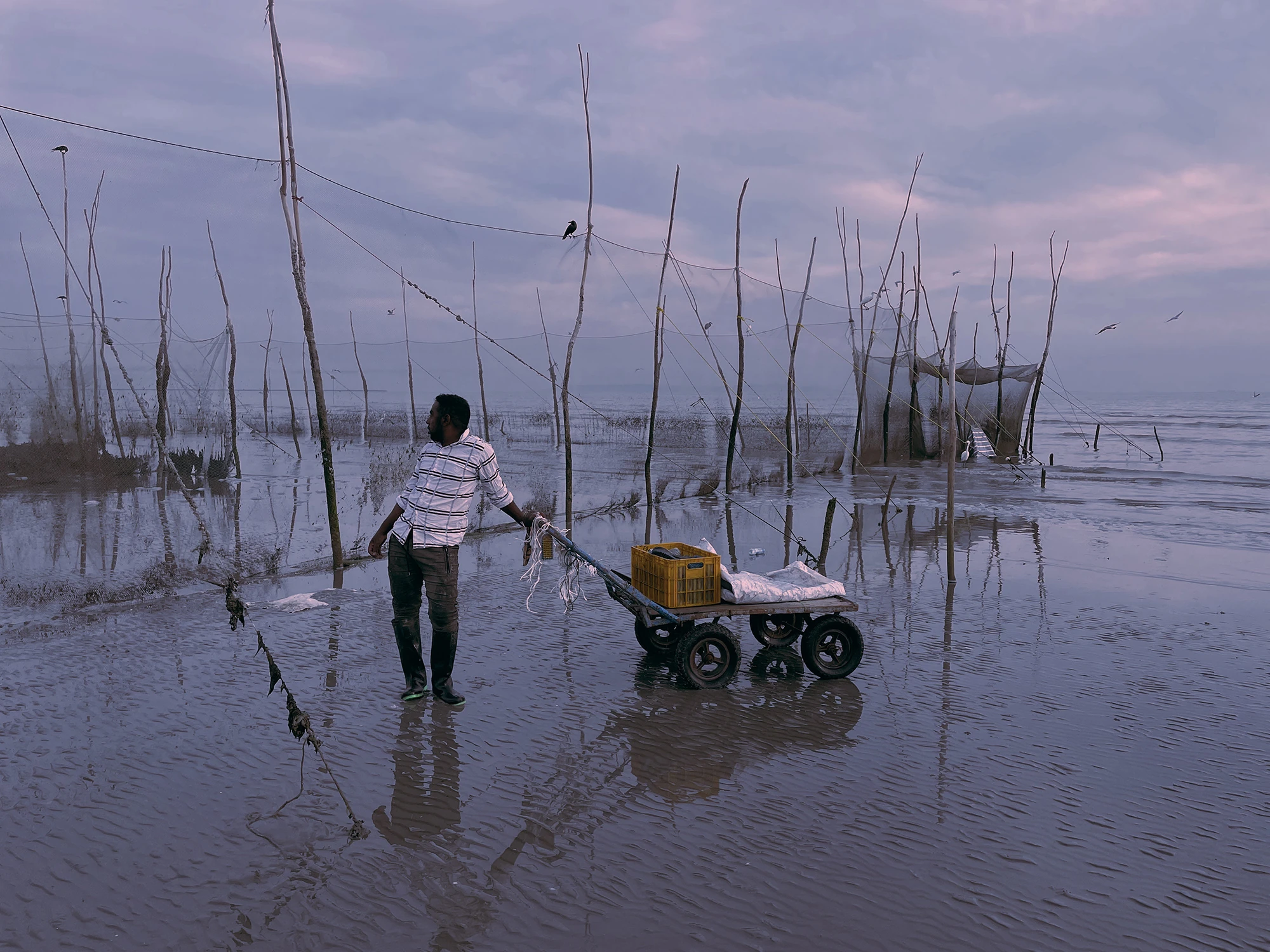
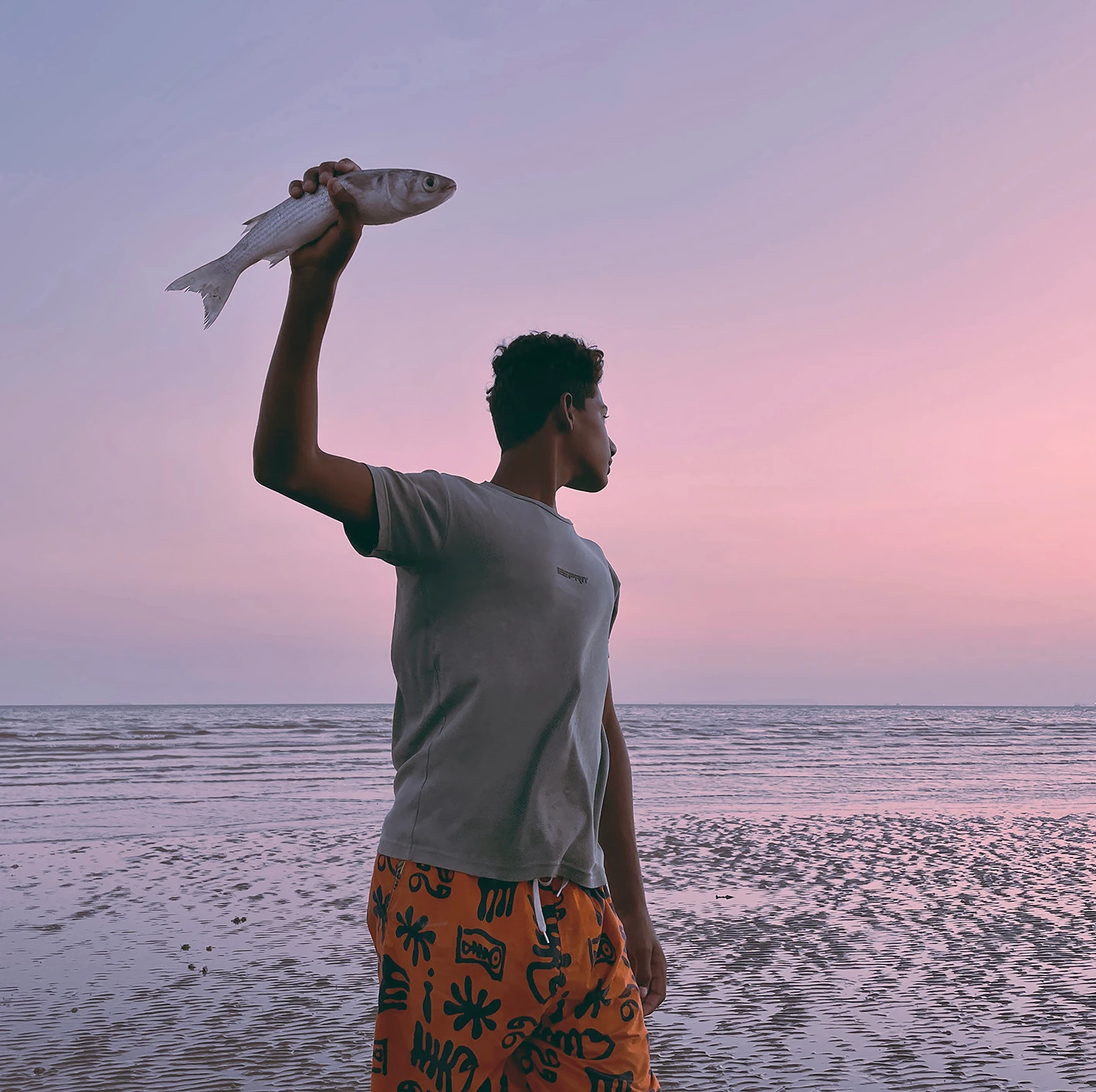
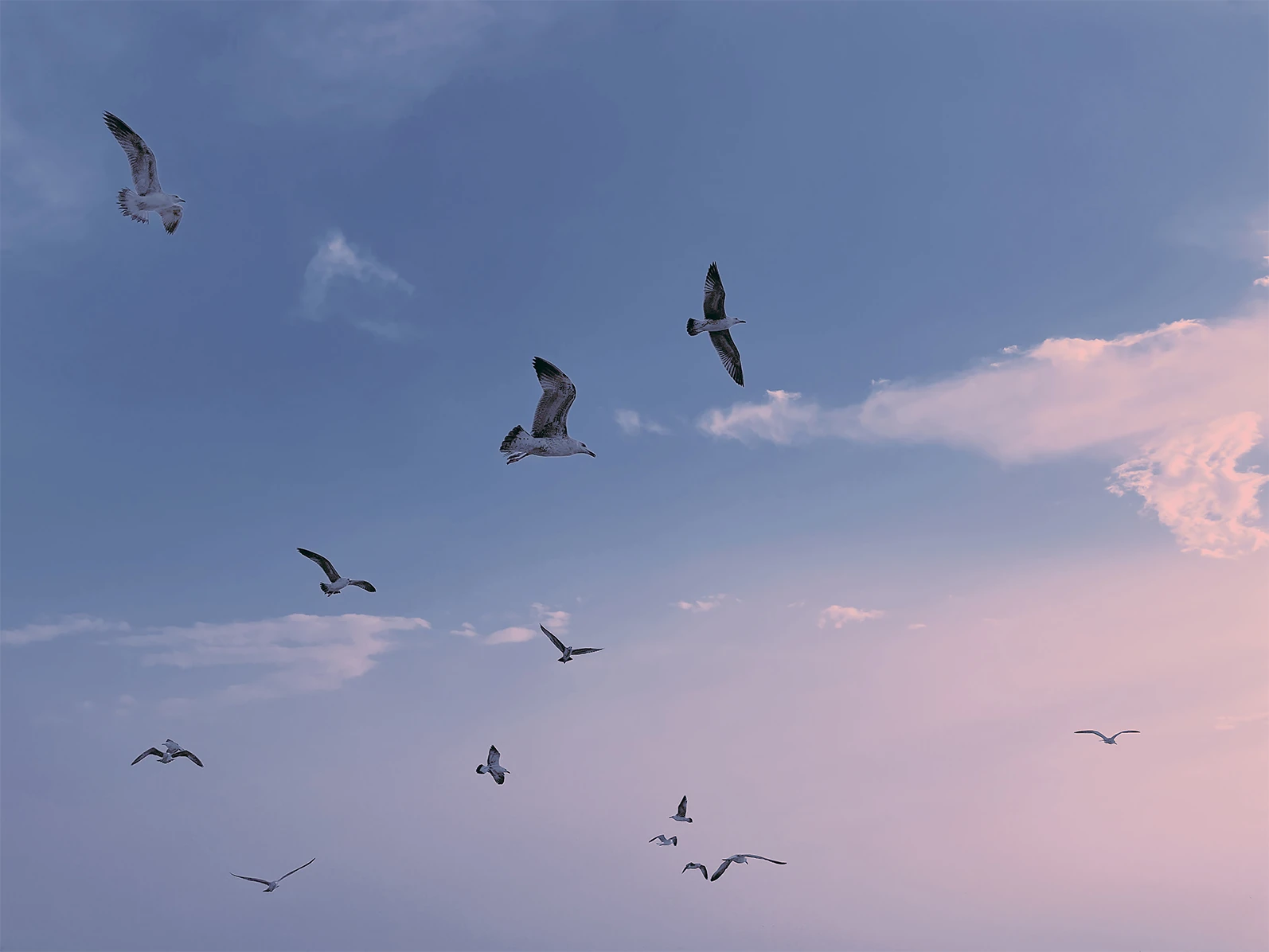
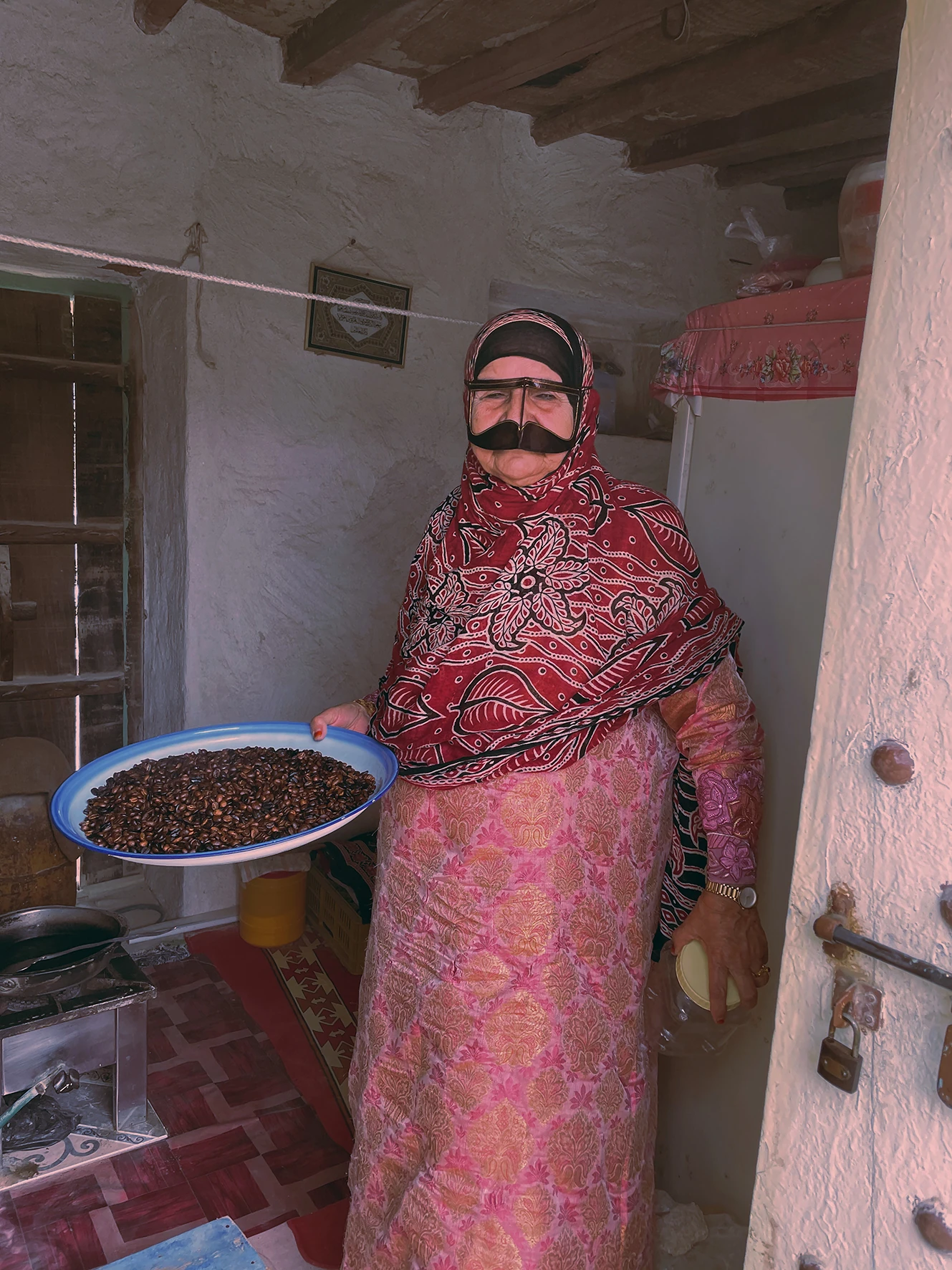
The Persian Gulf the world reads through politics, energy and trade is not the sea the people of its shore live beside; in Bandar Abbas, Mehrdad Mosaferi photographs the second one in Tide.

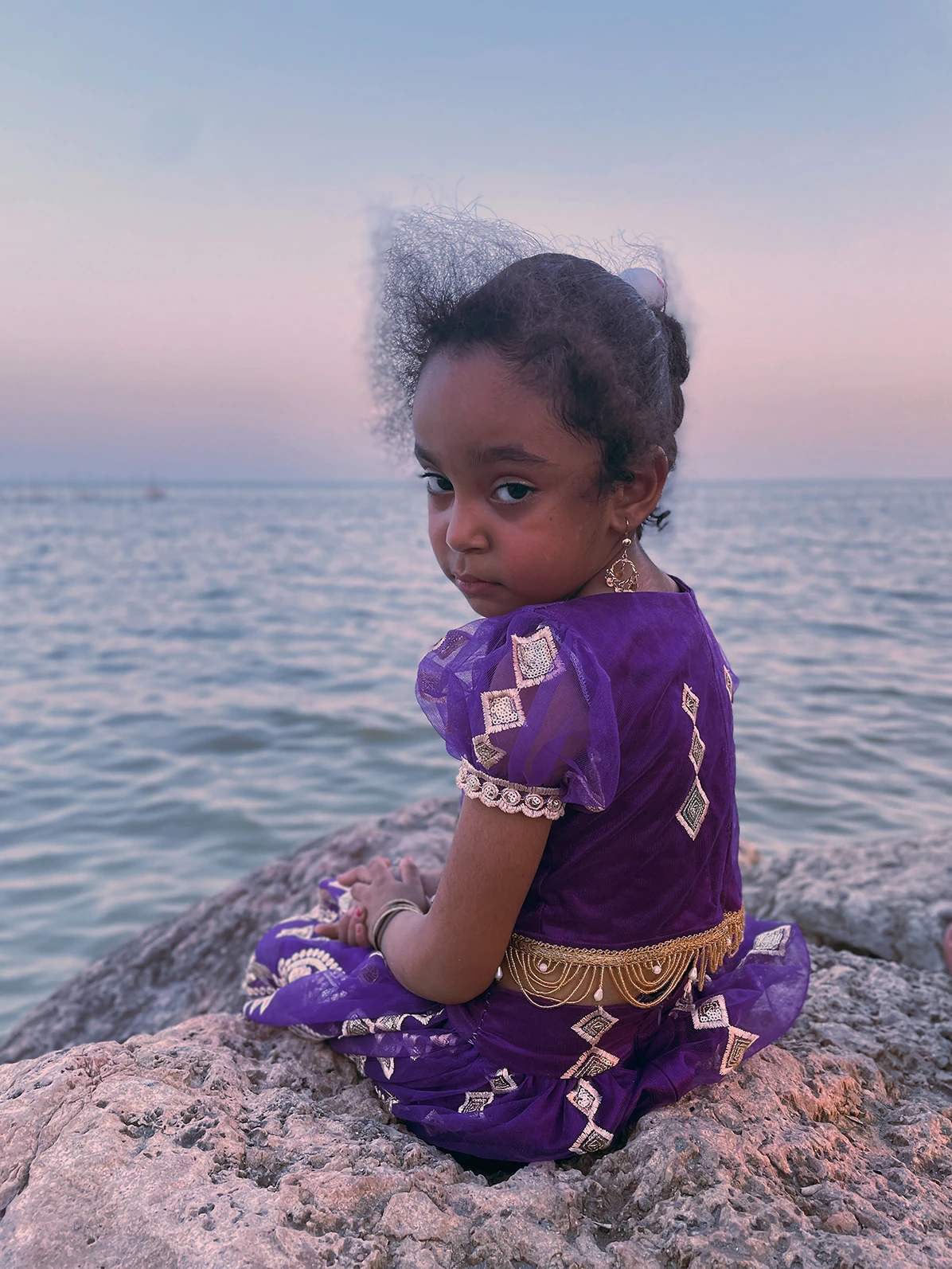
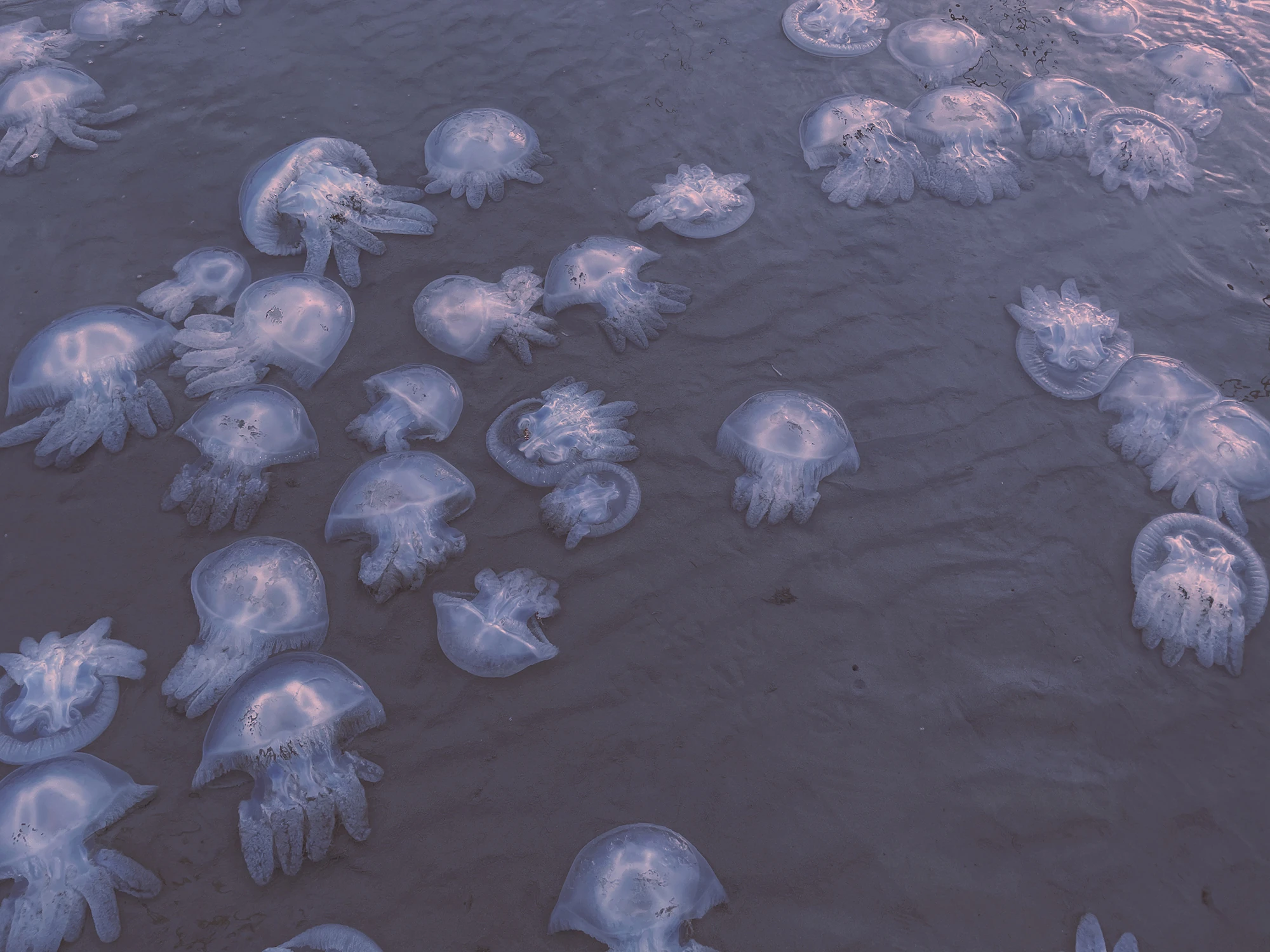
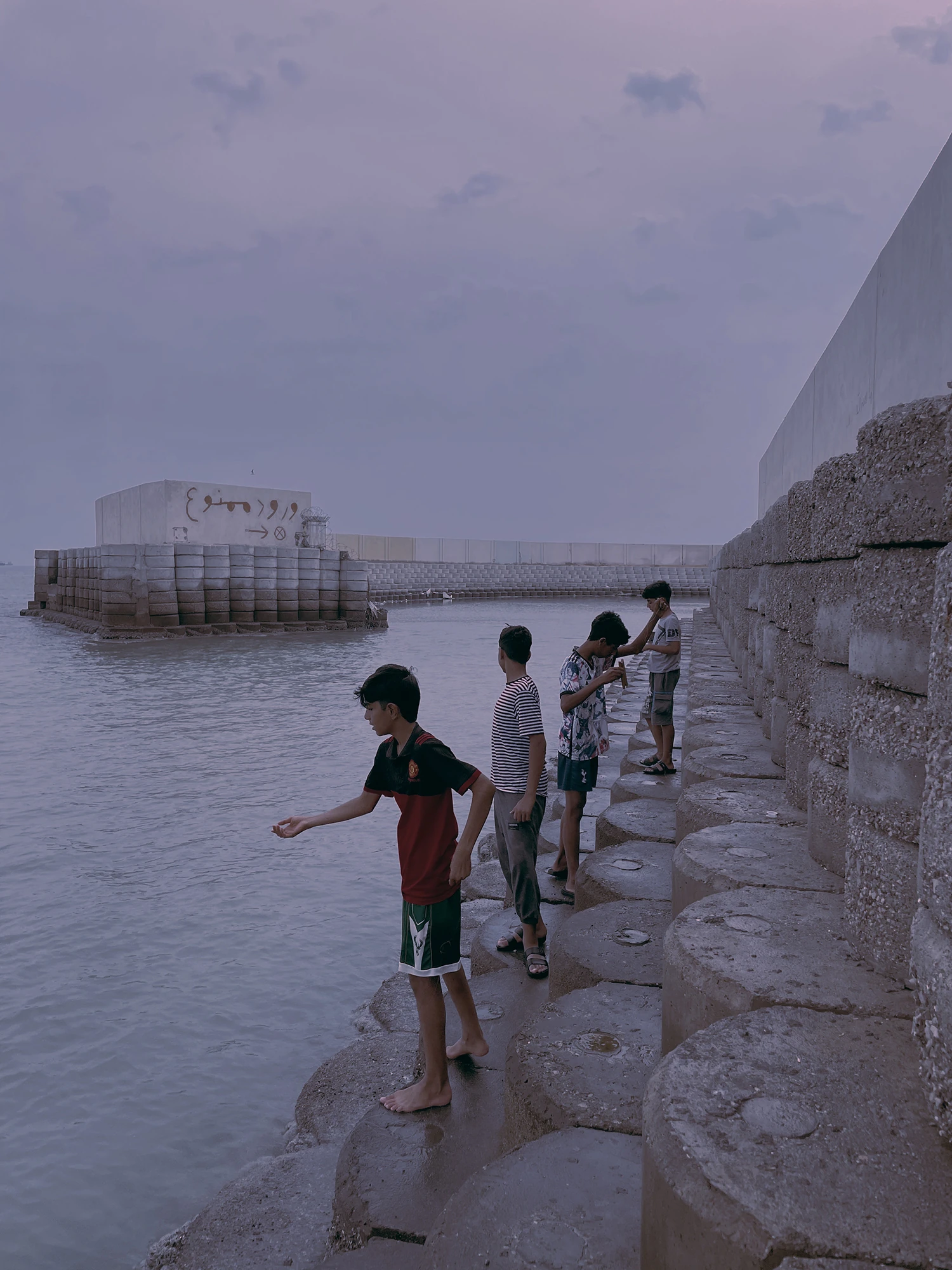
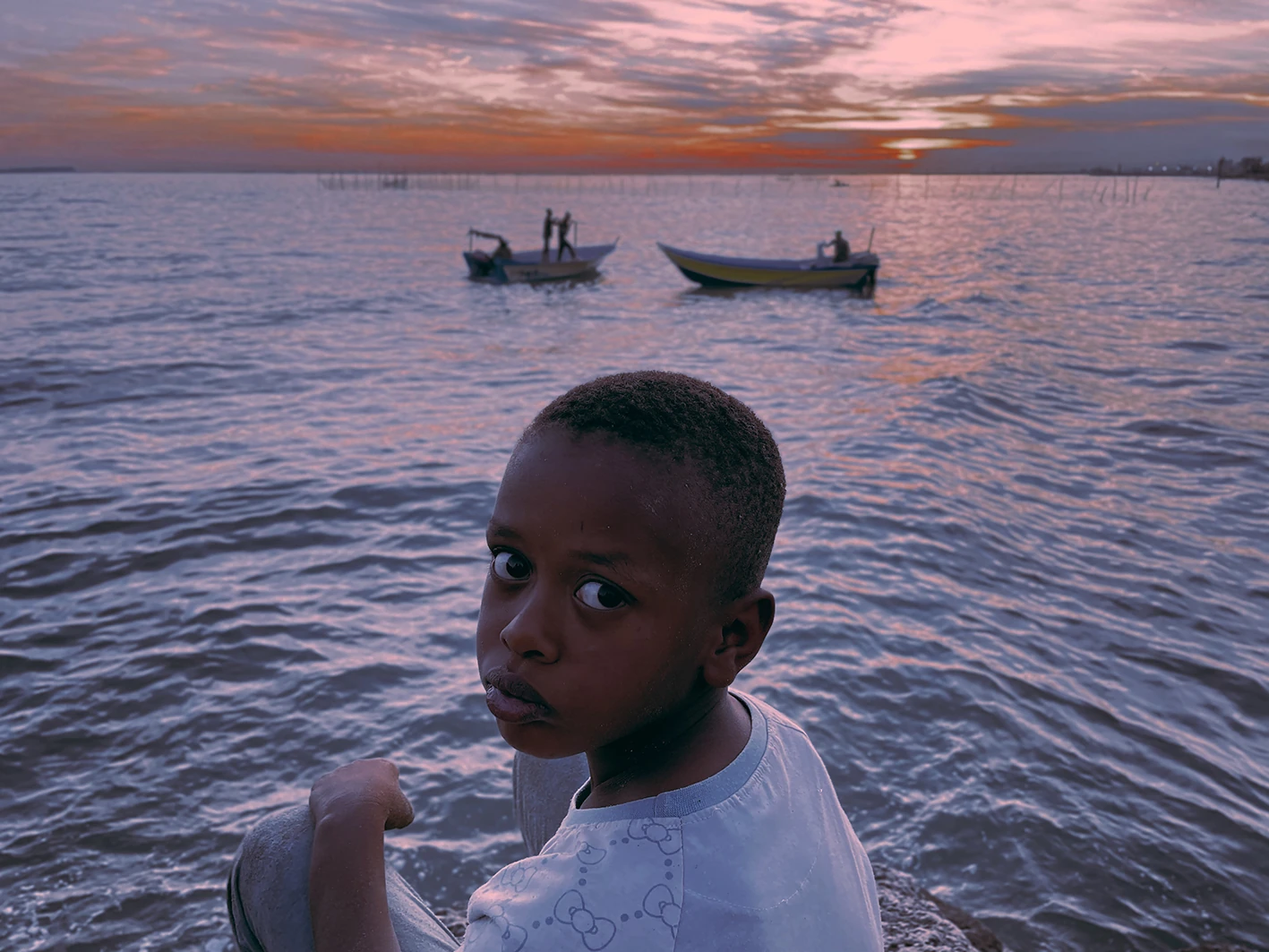
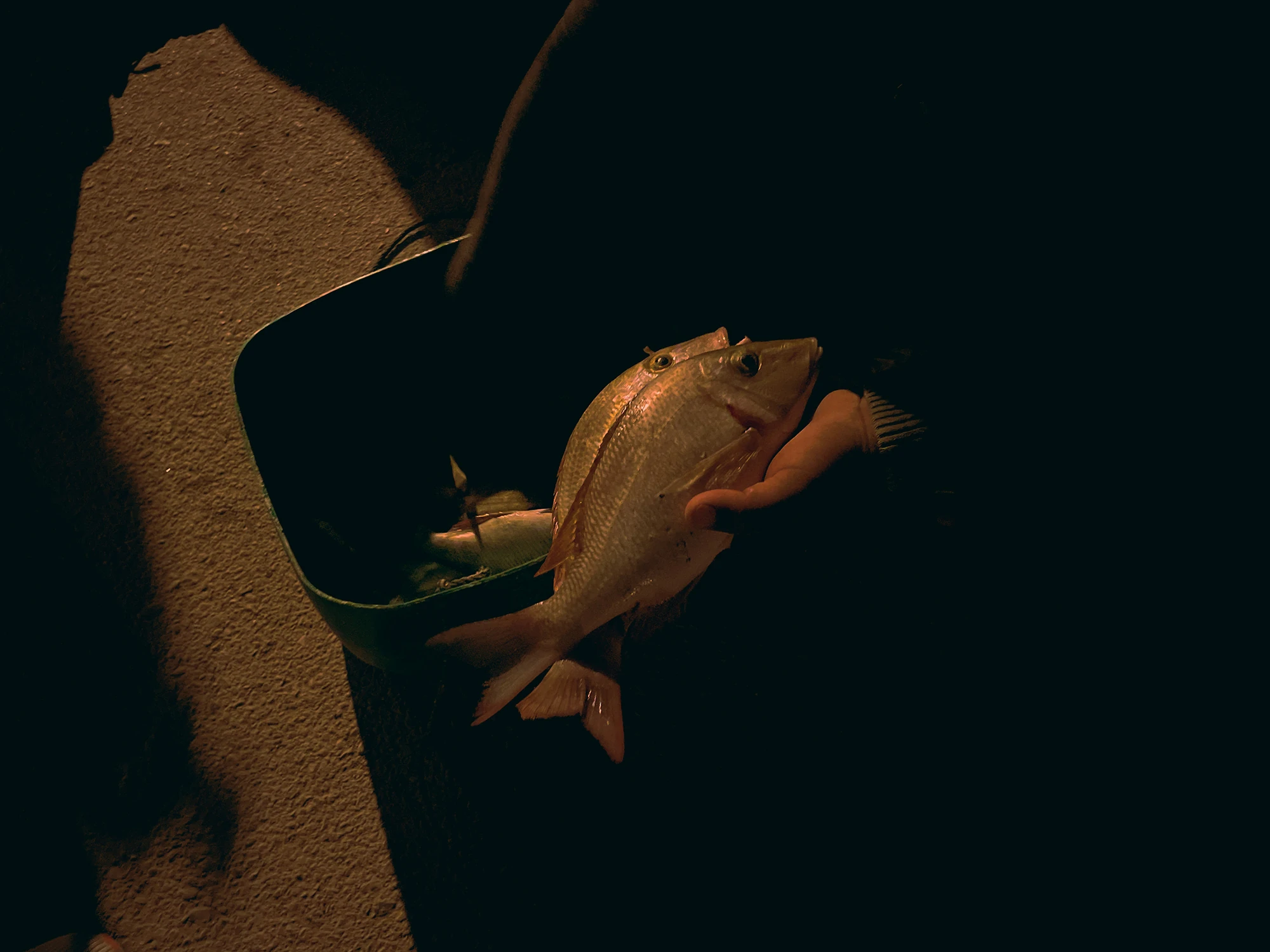
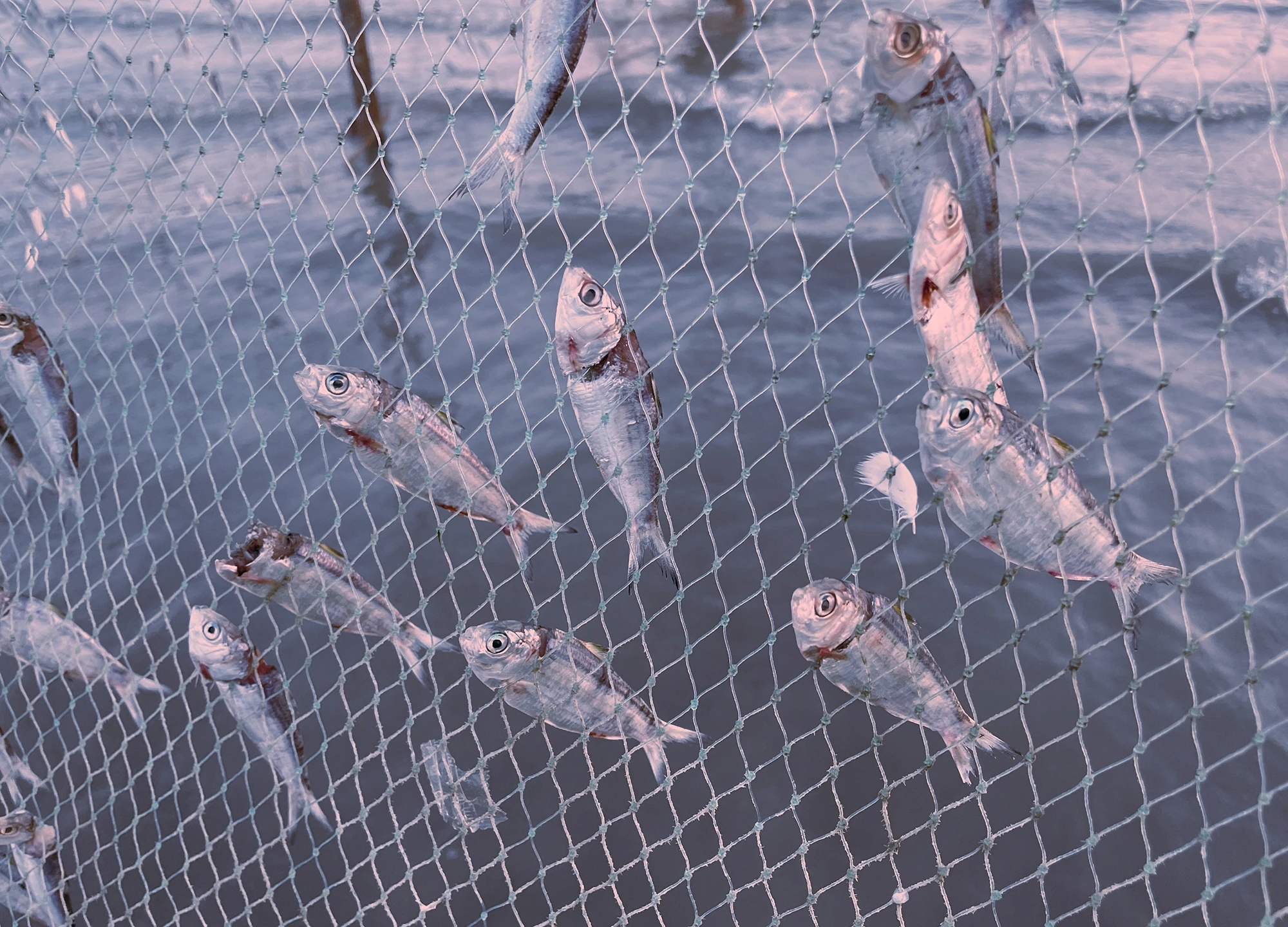
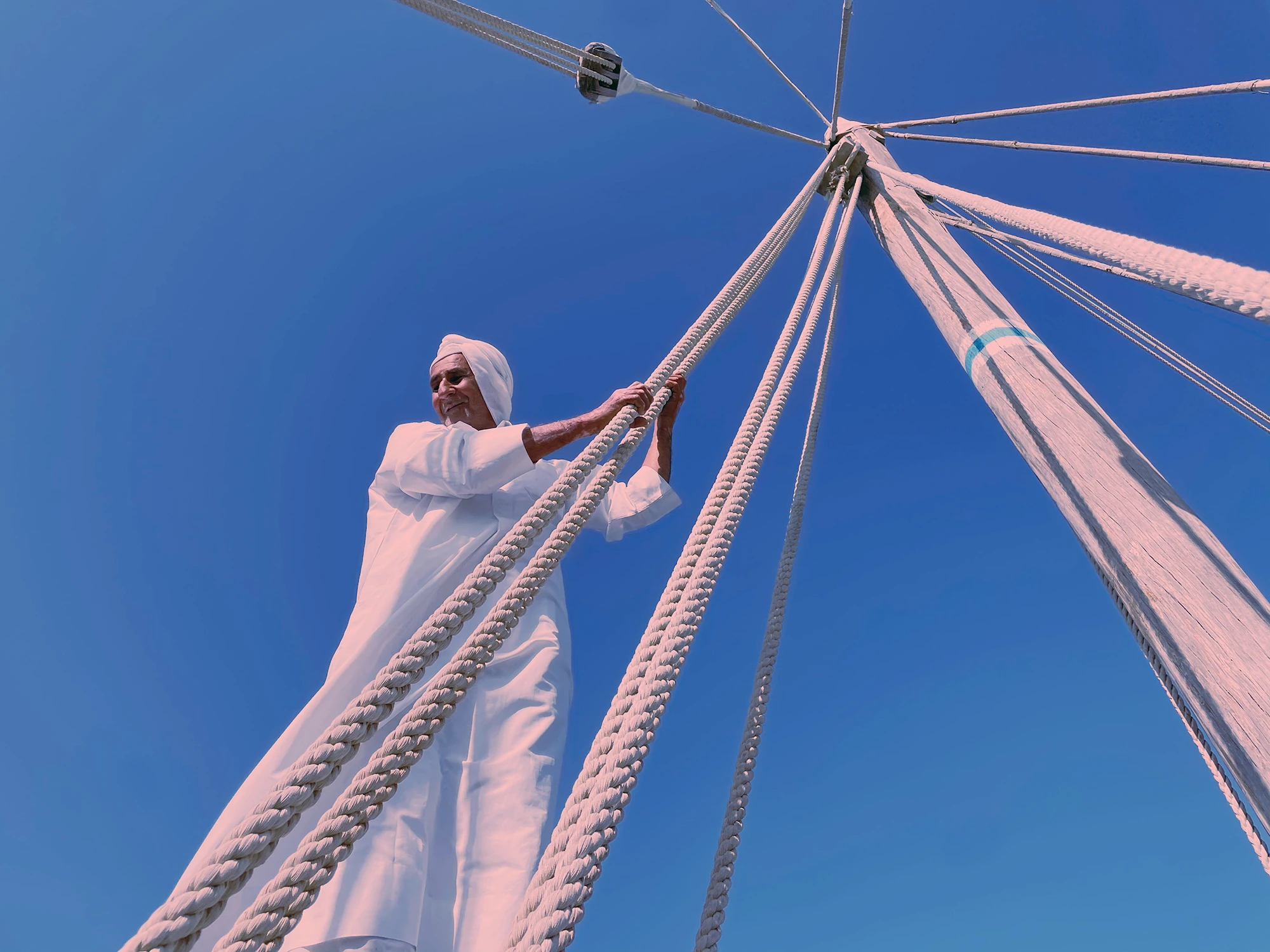
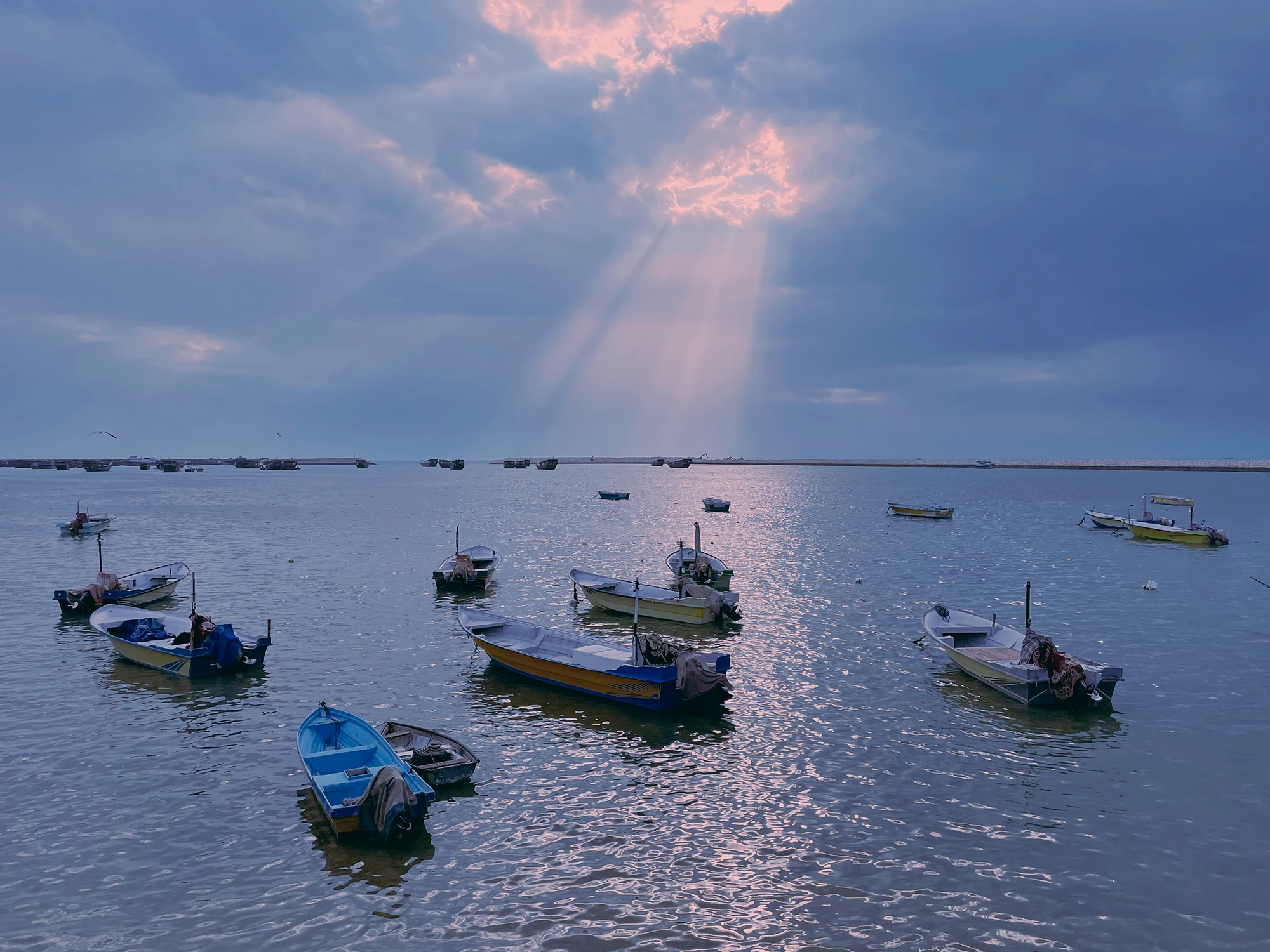
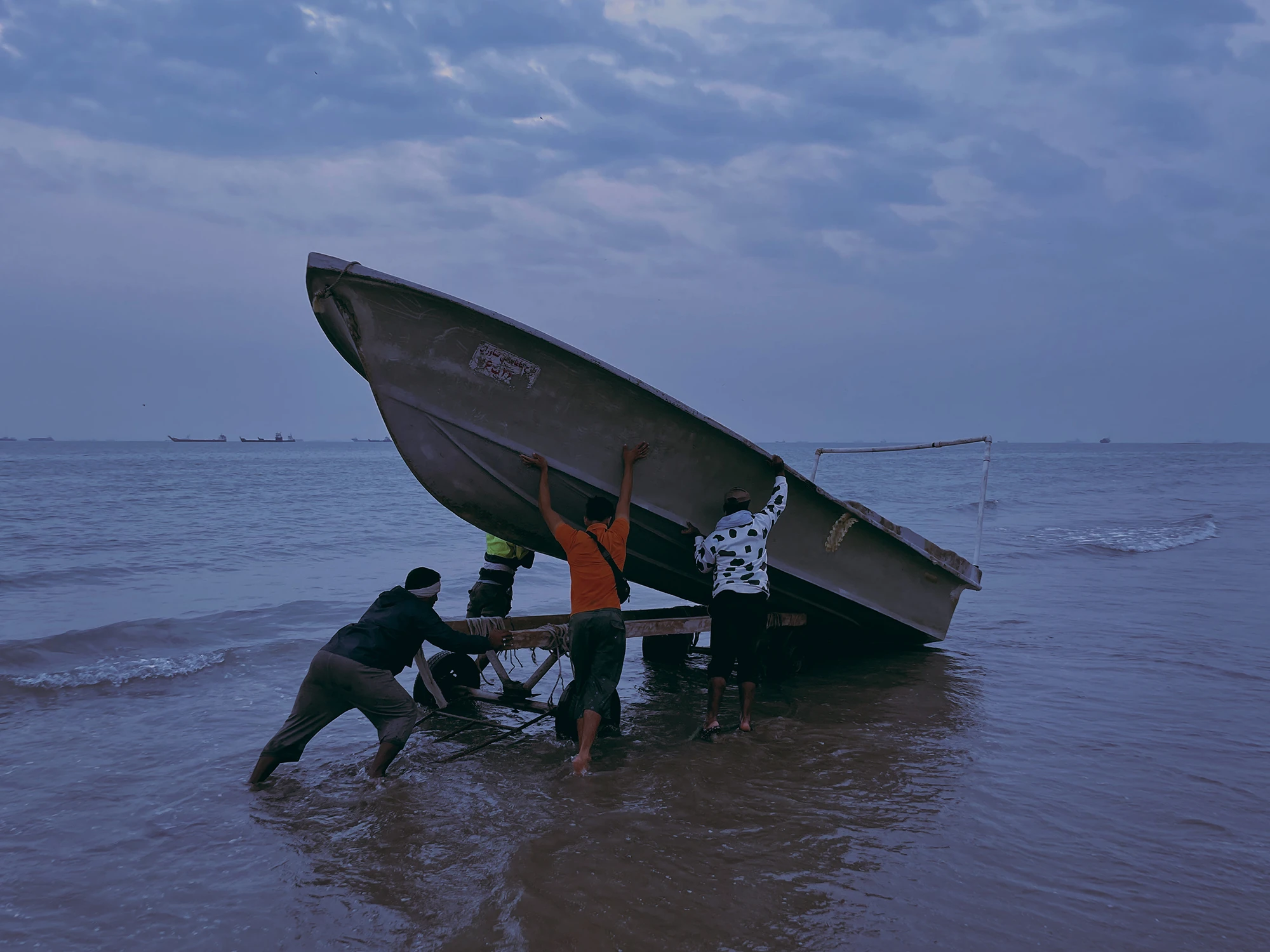
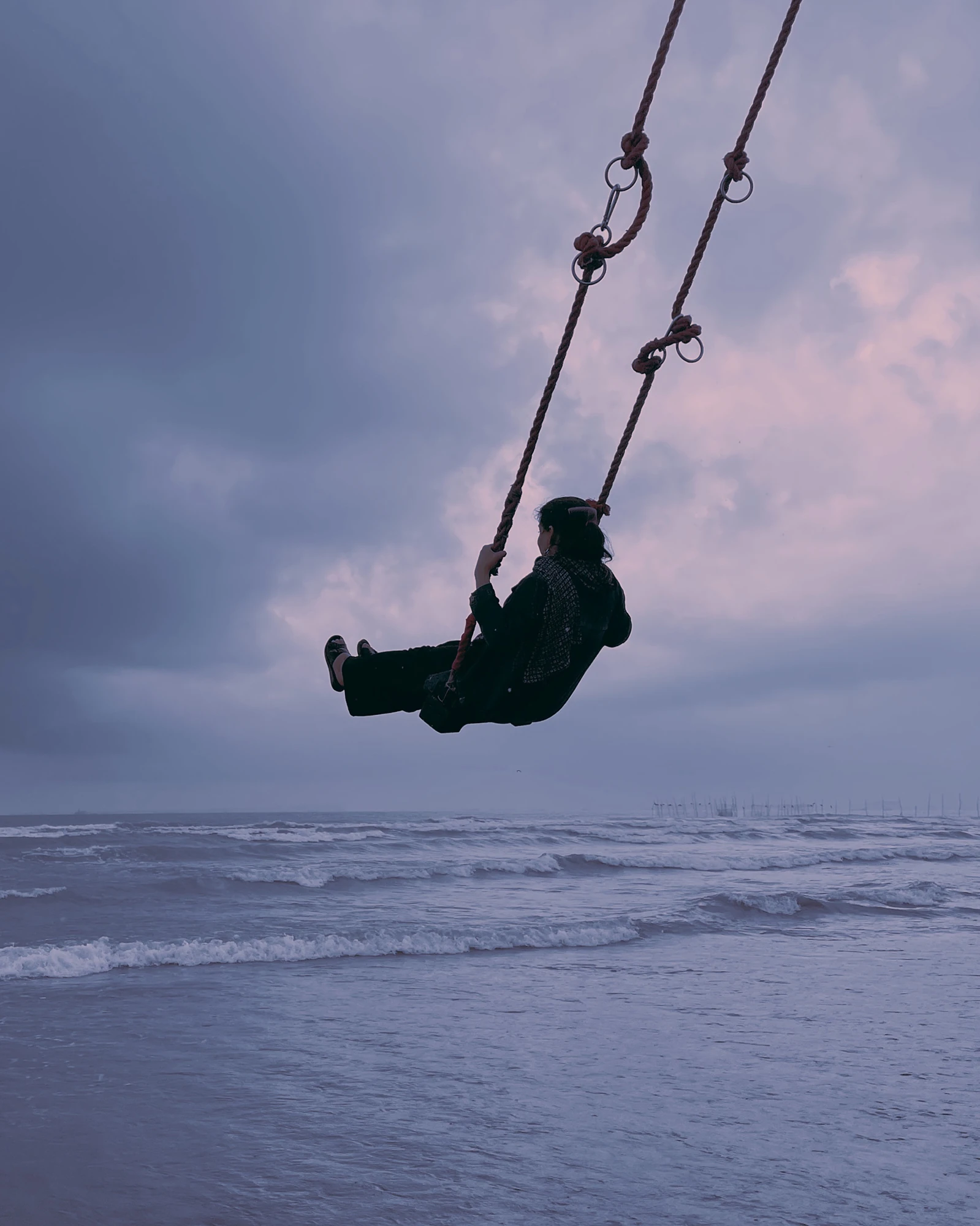
For Mehrdad Mosaferi the sea around Bandar Abbas is not scenery to be looked at but a condition of daily life, something lived through rather than viewed. Tide gathers that experience: swimming, fishing, travelling across the water, the long habit of watching the horizon that he shares with many people raised along these shores. "The sea is not a landscape to me; it is part of my memory, childhood, and everyday life," Mosaferi writes. The series begins from that closeness and stays inside it.

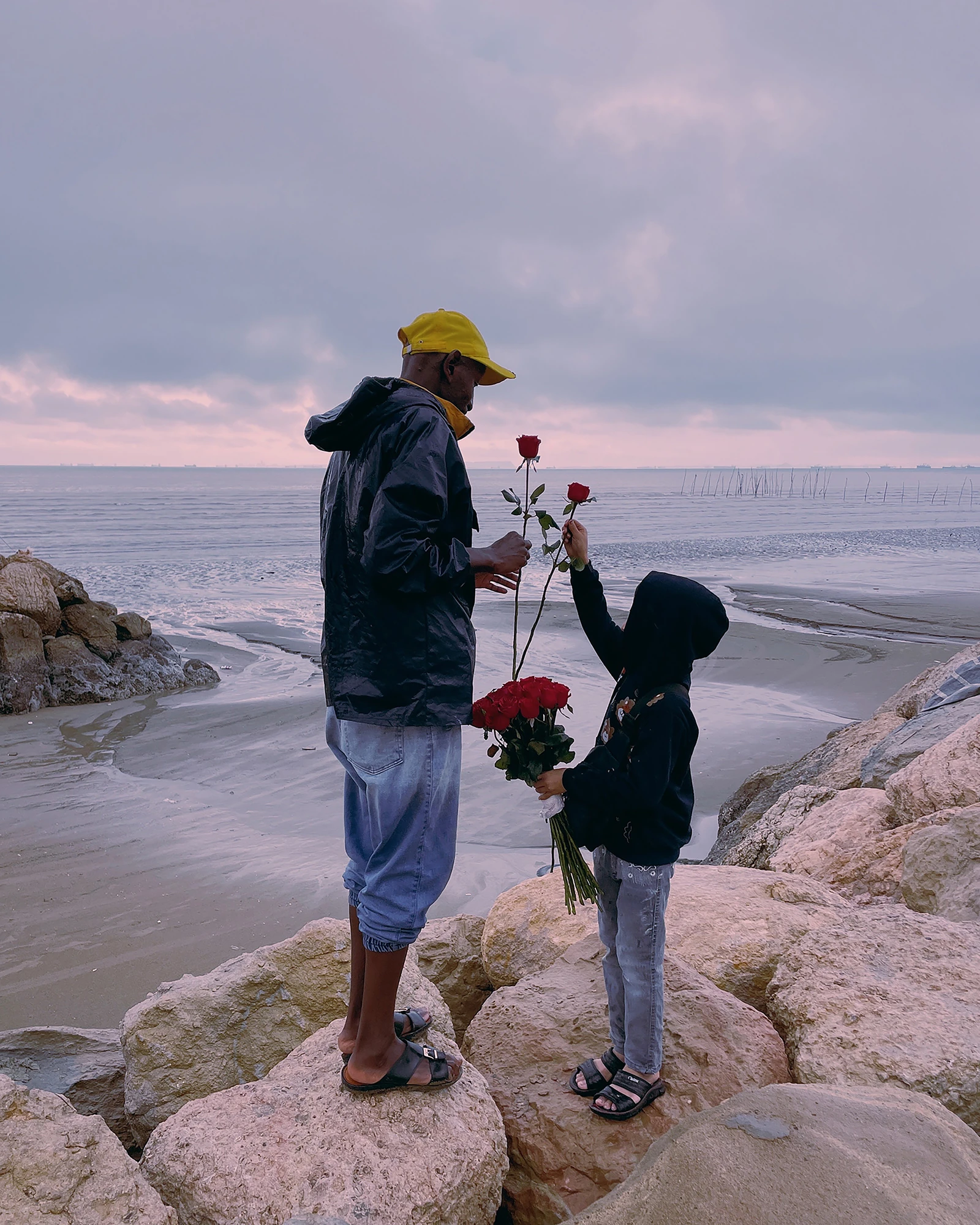
What the series measures is the distance between that life and the way the Gulf is understood elsewhere. Abroad it figures mostly as a matter of politics, energy and global trade. Mosaferi turns his work the other way, toward "a sea whose meaning for the world often differs from what it represents to those who call it home." Against that large reading of the region he sets a smaller one: the everyday lives, expectations, memories and dreams that belong to the shoreline.

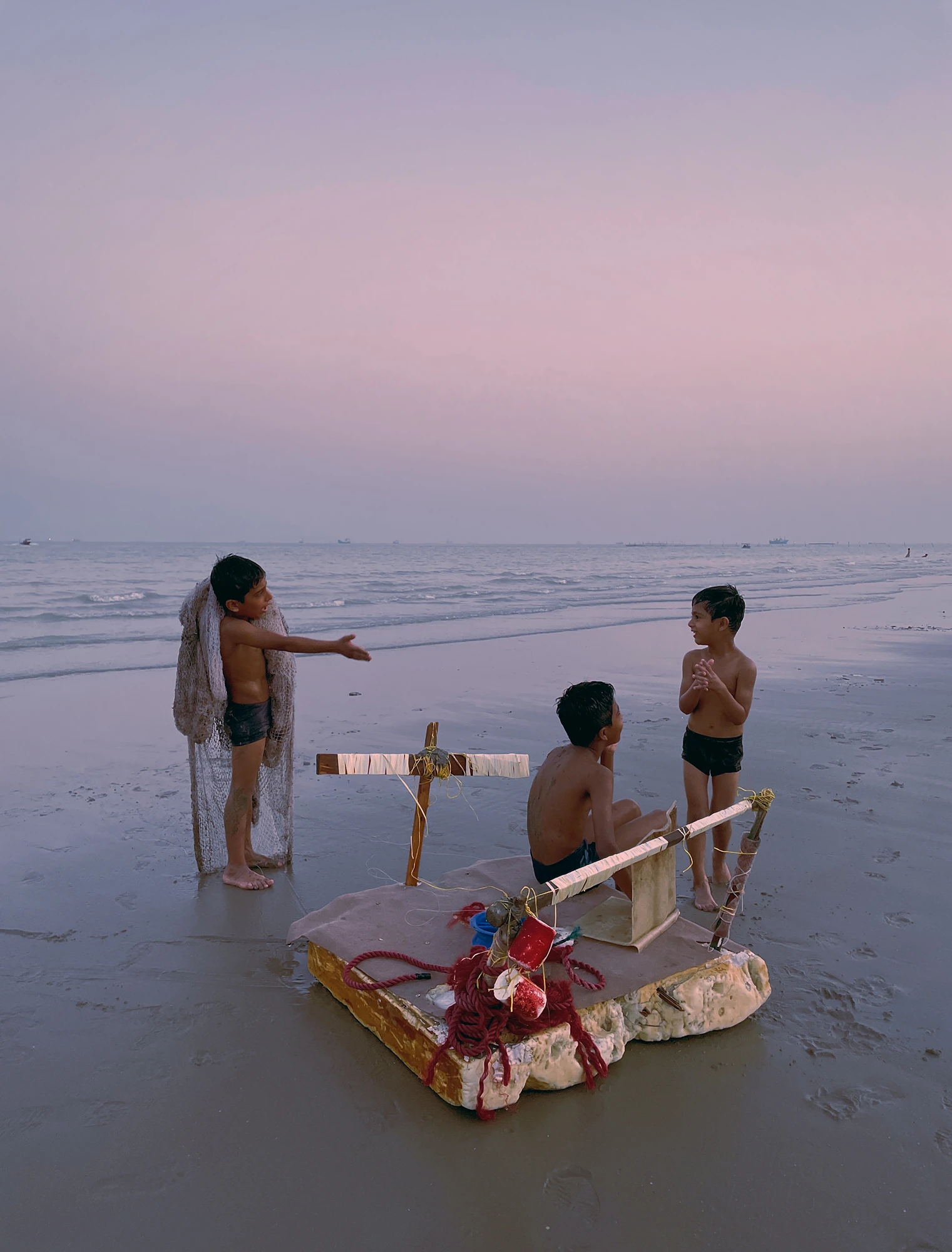
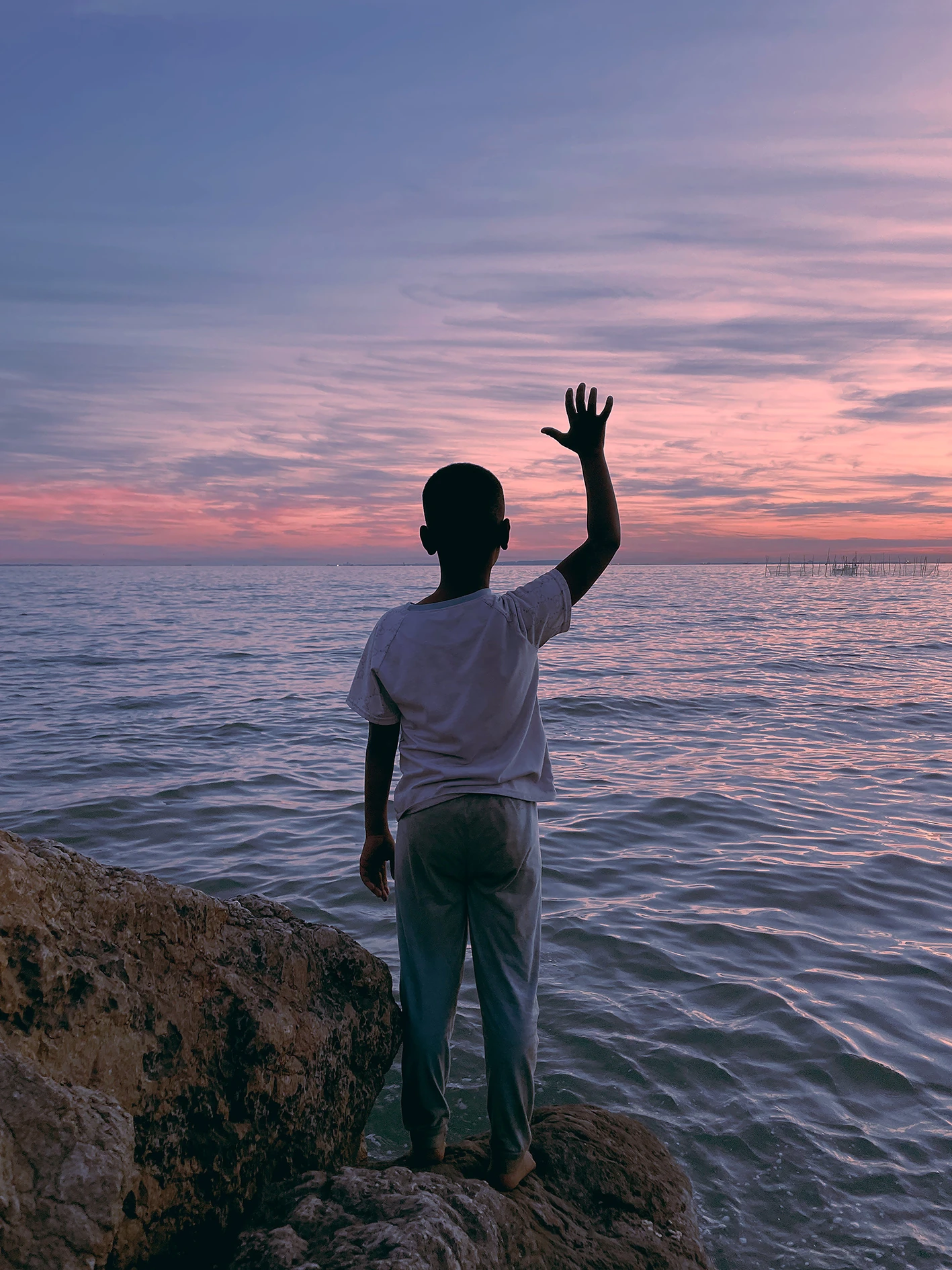
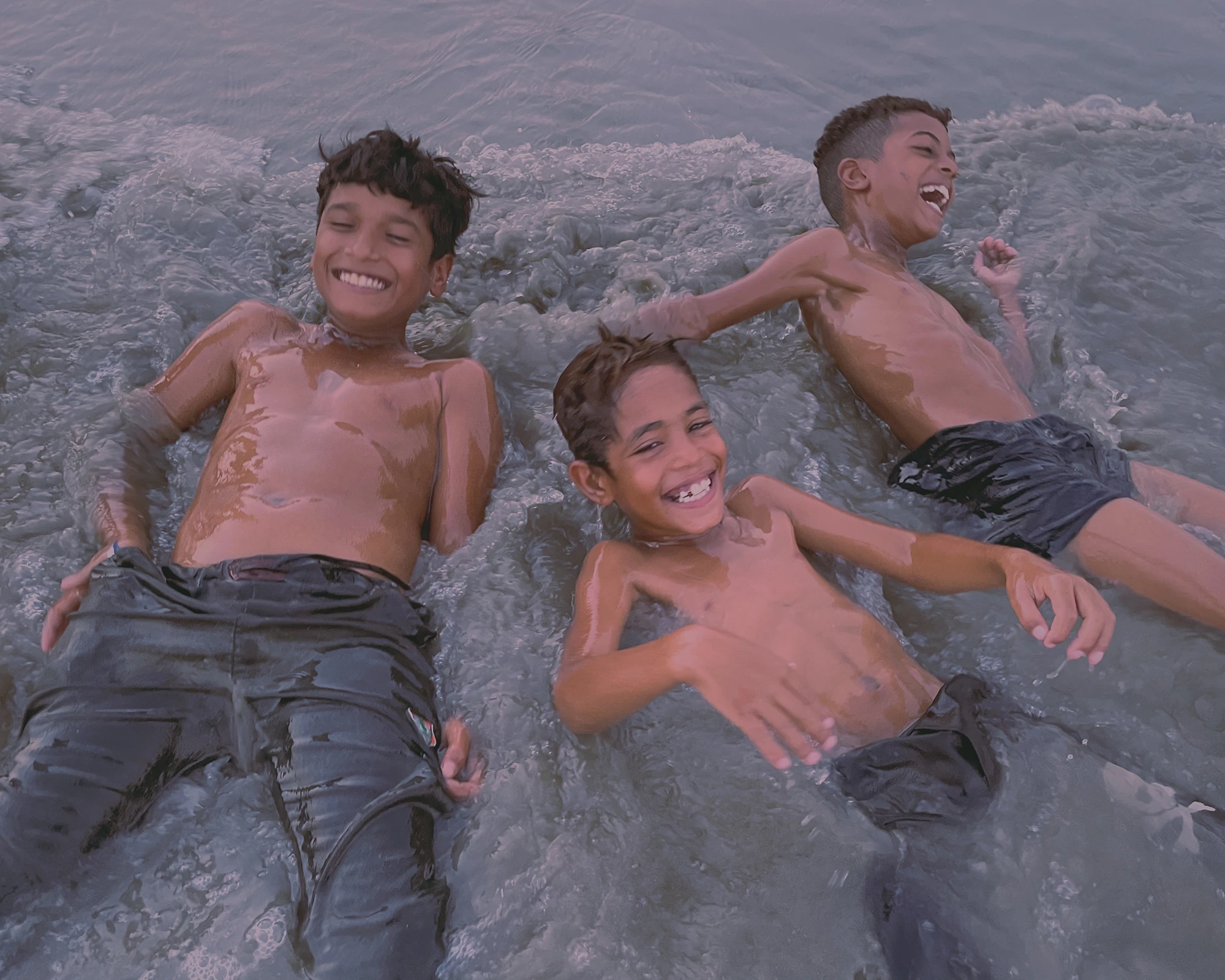
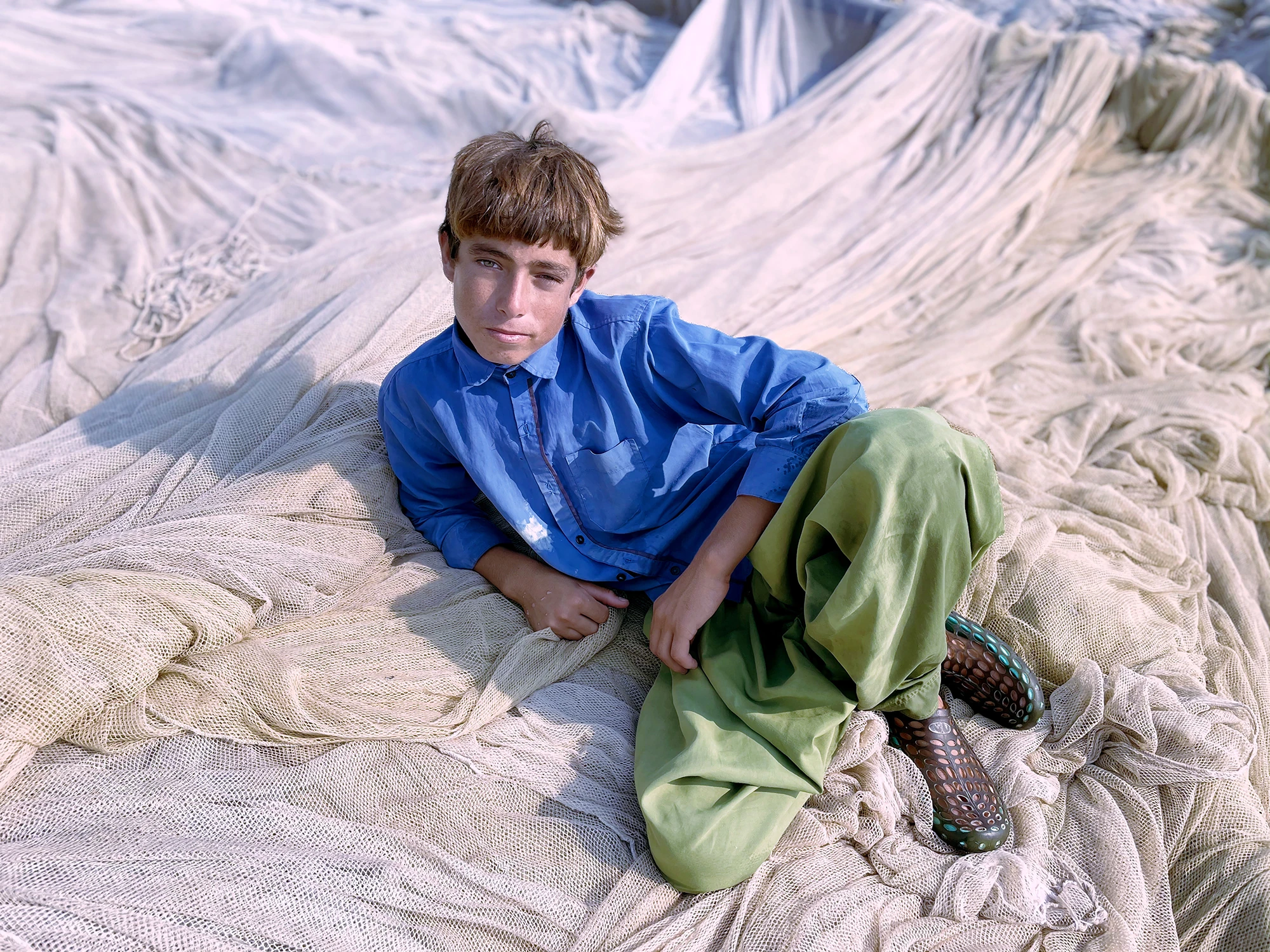
Among those lives are children, still unaware of how large the tensions around them are, or what they mean. They go on playing, growing, imagining the futures taking shape in front of them. Yet forces move through this same geography, often unseen or only half understood, and they sit beneath the surface of those lives and the futures forming there. The work holds both at once, the childhood and the undercurrent.

The title carries that reading. "For me, the tide is more than a natural phenomenon; it is a metaphor for arrival and departure, hope and absence, remaining and passing," Mosaferi writes. As the sea keeps reshaping the shoreline, life along it moves the same way, between what stays and what changes, what waits and what hopes. The pairs are not resolved so much as kept in motion.

This is the stance Tide takes. It sets out to show the sea not through the eyes of an outsider but from inside the memory of a life long tied to this coastline and its tides. Mosaferi is not reporting on the Gulf so much as remembering it. The series makes up one chapter in a larger, ongoing body of work on the Persian Gulf.
Interested in Showcasing Your Work?
‍

If you would like to feature your works on Thisispaper, please visit our Submission page and sign up to Thisispaper+ to submit your work. Once your submission is approved, your work will be showcased to our global audience of 2 million art, architecture, and design professionals and enthusiasts.
No items found.
Less, with more behind it.
Explore guides. Search the archive. Walk the atlas.
Become a Thisispaper+ member today to unlock full access to our magazine, advanced tools, and support our work.
Get two months FREE
with annual subscription
Less, with more behind it.
Explore guides. Search the archive. Walk the atlas.
Become a Thisispaper+ member today to unlock full access to our magazine, advanced tools, and support our work.
Get two months FREE
with annual subscription
No items found.
Alexander Zaxarov
Nov 18, 2026

The Persian Gulf the world reads through politics, energy and trade is not the sea the people of its shore live beside; in Bandar Abbas, Mehrdad Mosaferi photographs the second one in Tide.

For Mehrdad Mosaferi the sea around Bandar Abbas is not scenery to be looked at but a condition of daily life, something lived through rather than viewed. Tide gathers that experience: swimming, fishing, travelling across the water, the long habit of watching the horizon that he shares with many people raised along these shores. "The sea is not a landscape to me; it is part of my memory, childhood, and everyday life," Mosaferi writes. The series begins from that closeness and stays inside it.

What the series measures is the distance between that life and the way the Gulf is understood elsewhere. Abroad it figures mostly as a matter of politics, energy and global trade. Mosaferi turns his work the other way, toward "a sea whose meaning for the world often differs from what it represents to those who call it home." Against that large reading of the region he sets a smaller one: the everyday lives, expectations, memories and dreams that belong to the shoreline.

Among those lives are children, still unaware of how large the tensions around them are, or what they mean. They go on playing, growing, imagining the futures taking shape in front of them. Yet forces move through this same geography, often unseen or only half understood, and they sit beneath the surface of those lives and the futures forming there. The work holds both at once, the childhood and the undercurrent.

The title carries that reading. "For me, the tide is more than a natural phenomenon; it is a metaphor for arrival and departure, hope and absence, remaining and passing," Mosaferi writes. As the sea keeps reshaping the shoreline, life along it moves the same way, between what stays and what changes, what waits and what hopes. The pairs are not resolved so much as kept in motion.

This is the stance Tide takes. It sets out to show the sea not through the eyes of an outsider but from inside the memory of a life long tied to this coastline and its tides. Mosaferi is not reporting on the Gulf so much as remembering it. The series makes up one chapter in a larger, ongoing body of work on the Persian Gulf.
Interested in Showcasing Your Work?
‍

If you would like to feature your works on Thisispaper, please visit our Submission page and subscribe to Thisispaper+. Once your submission is approved, your work will be showcased to our global audience of 2 million art, architecture, and design professionals and enthusiasts.
Thisispaper+
Climax
55+ Projects
Web Access
Link to Maps
Climate emergency photography fails when it tries to perform urgency at the speed of news. Climax collects work that does the opposite — Hatakeyama's return-photographs at Rikuzentakata, the slow record of thawing permafrost, salt lakes drying to outline, olive groves erased into parking, skies emptied of stars. Less argument than archive, less urgency than memory.
Witness, not manifesto. The long look against the burn.
Explore
Climax

Join Thisispaper+
Unlock access to 2500 stories, curated guides + editions, and share your work with a global network of architects, artists and designers who are shaping the future.
Get two months FREE
with annual subscription
Travel Guides
Immerse yourself in timeless destinations, hidden gems, and creative spaces—curated by humans, not algorithms.
Explore All Guides +
Submission Module
Submit your project and gain the chance to showcase your work to our worldwide audience of over 2M architects, designers, artists, and curious minds.
Learn More+
Curated Editions
Dive deeper into carefully curated editions, designed to feed your curiosity and foster exploration.
Off-the-Grid
Jutaku
Sacral Journey
minimum
The New Chair
Explore All Editions +
Atlas
A new and interactive way to explore the most inspiring places around the world.
Interactive map
Linked to articles
450+ curated locations
Google + Apple directions
Smart filters
Subscribe to Explore+
Become a Thisispaper+ member today to unlock full access to our magazine, submit your project and support our work.
Join Thisispaper+Join Thisispaper+
€9/month
Get two months FREE
with annual subscription