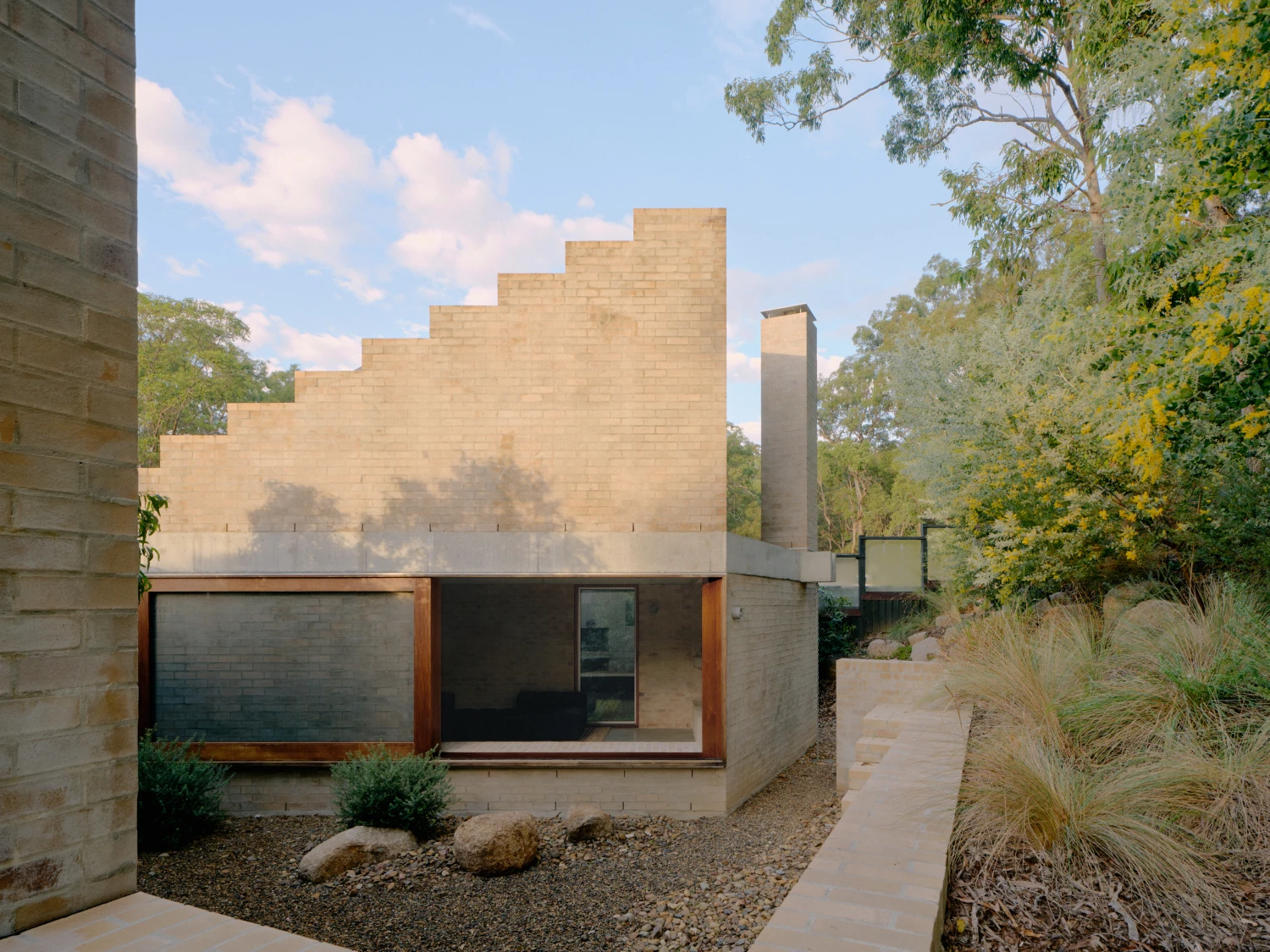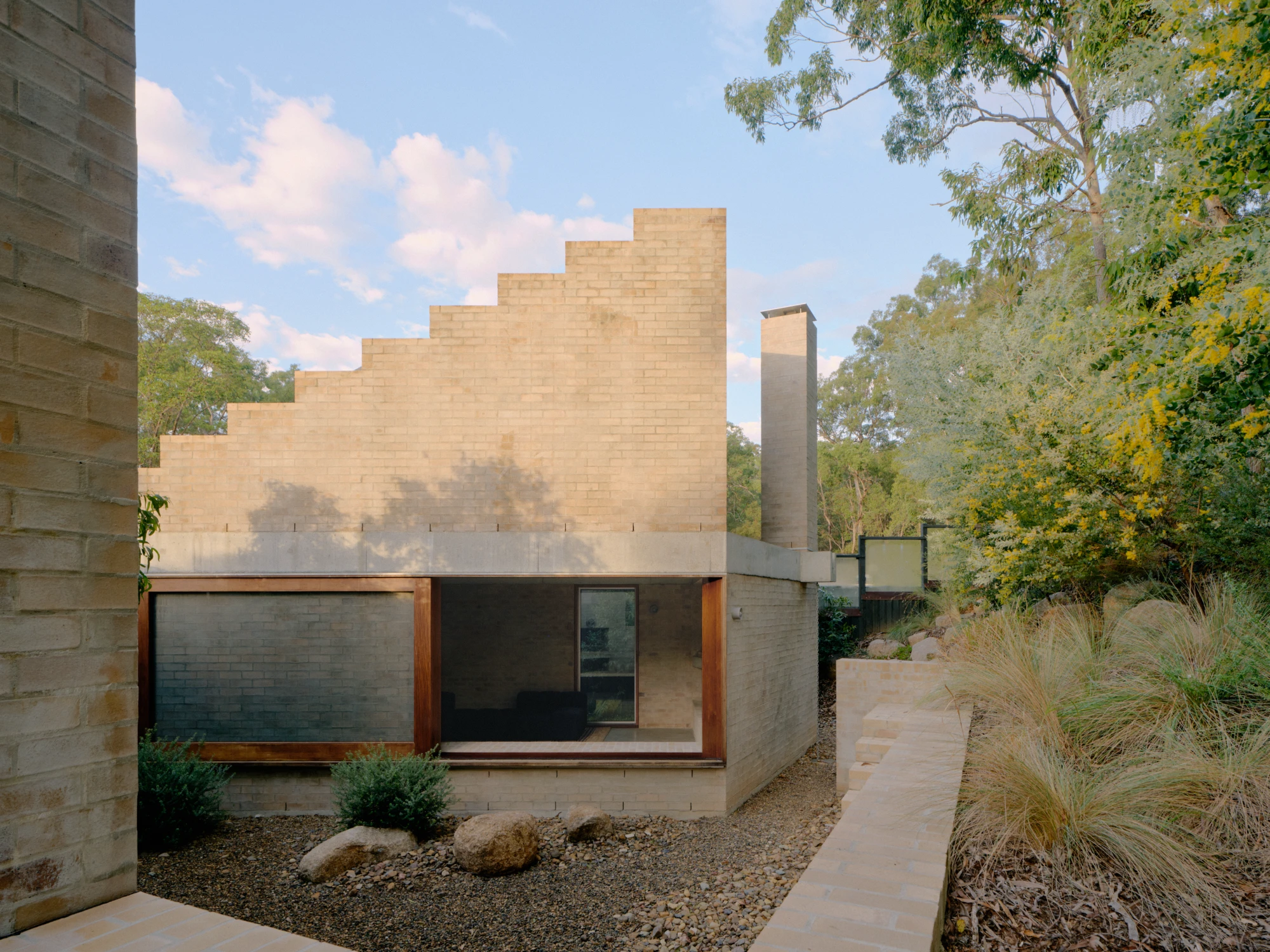
Stuartholme House designed by Nielsen Jenkins + Michael Lumby unfolds as a careful recalibration of a post-war cottage, where addition becomes an act of listening rather than assertion.
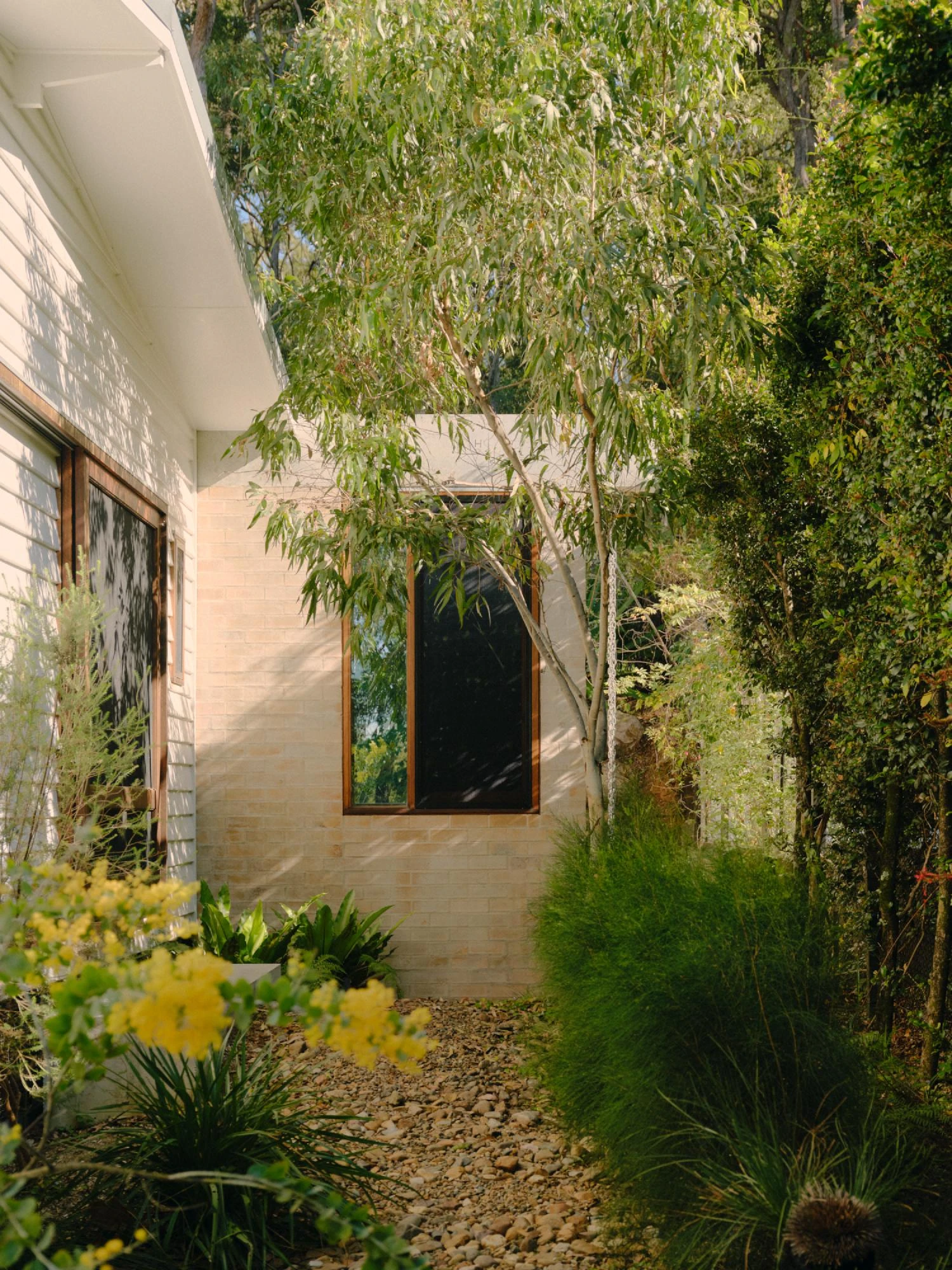
Set on a long Brisbane block slipping into a landscaped gully, the project by Nielsen Jenkins with Michael Lumby resists the temptation to dominate its bushland context. Instead, it embeds itself quietly into the foothills of Mt Coot-Tha, using topography, setbacks and restraint as compositional tools.
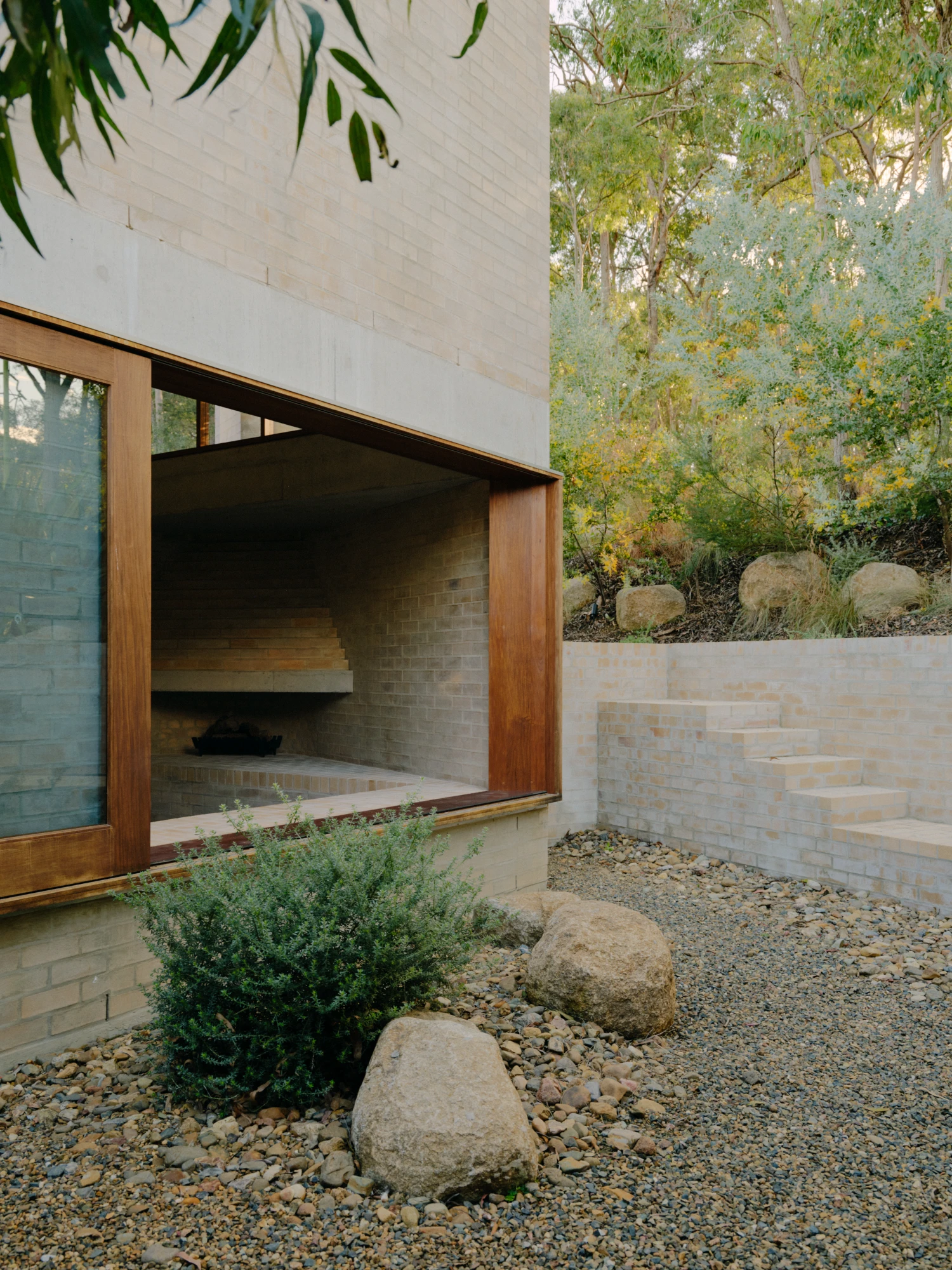
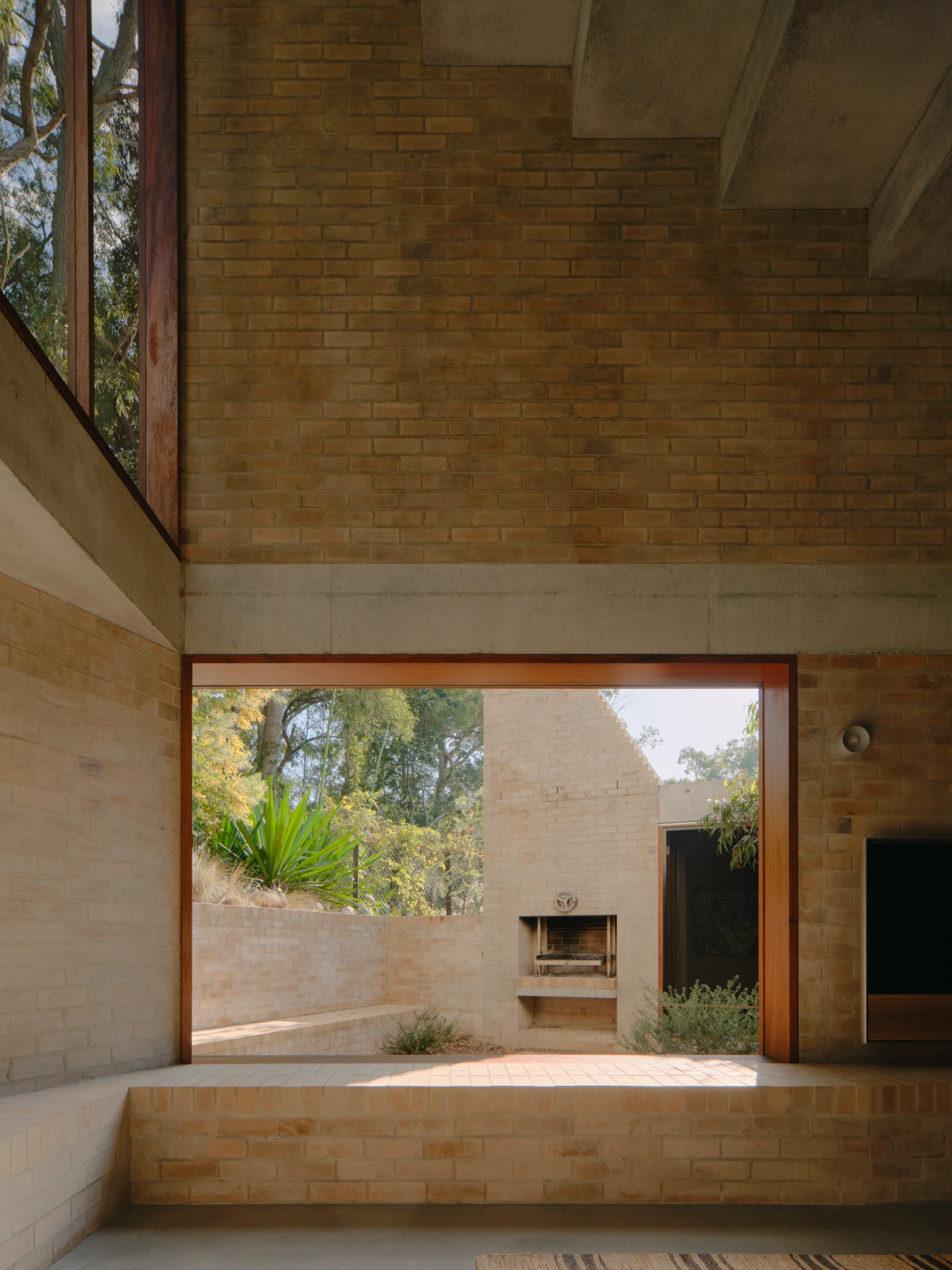
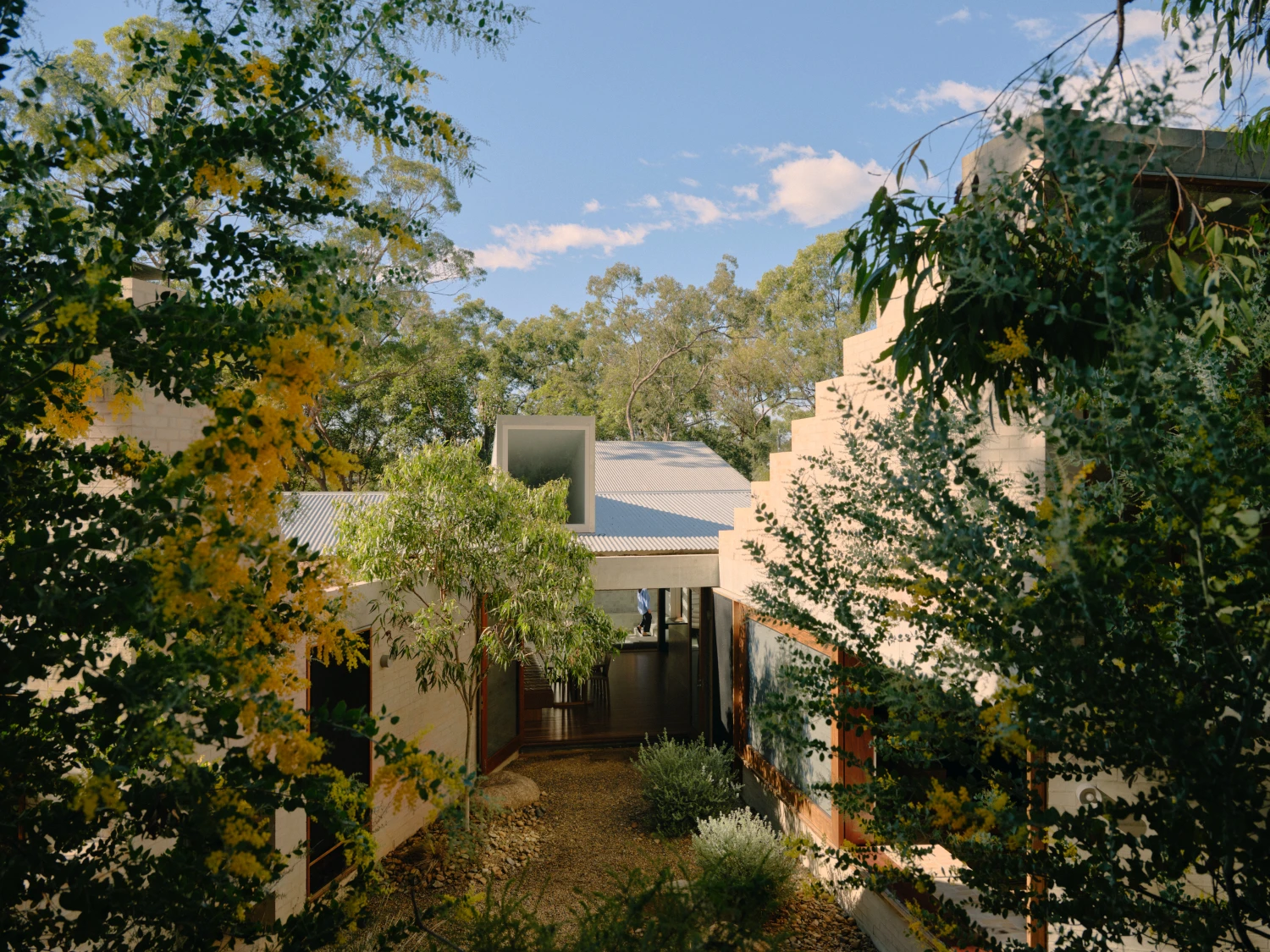
The new interventions pivot the house westward, privileging views into the canopy while shielding domestic life from an unwelcome southern neighbour. A lounge and master suite frame a new courtyard, conceived less as an outdoor room than as a spatial hinge between interior and bush. This courtyard operates in plan and section, its sunken profile producing a subtle sense of refuge, as if the house has gently withdrawn into the landscape rather than expanded across it.
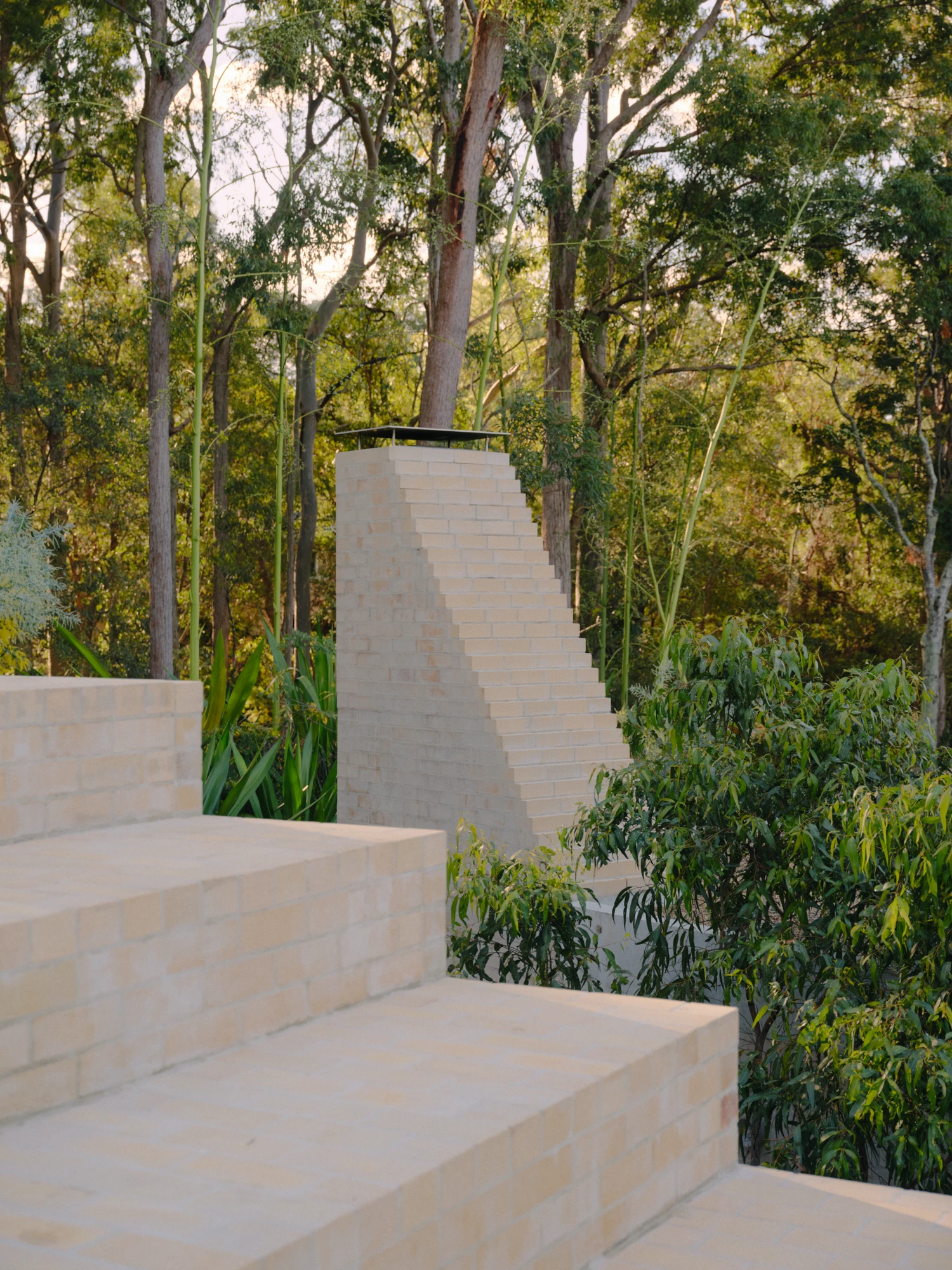
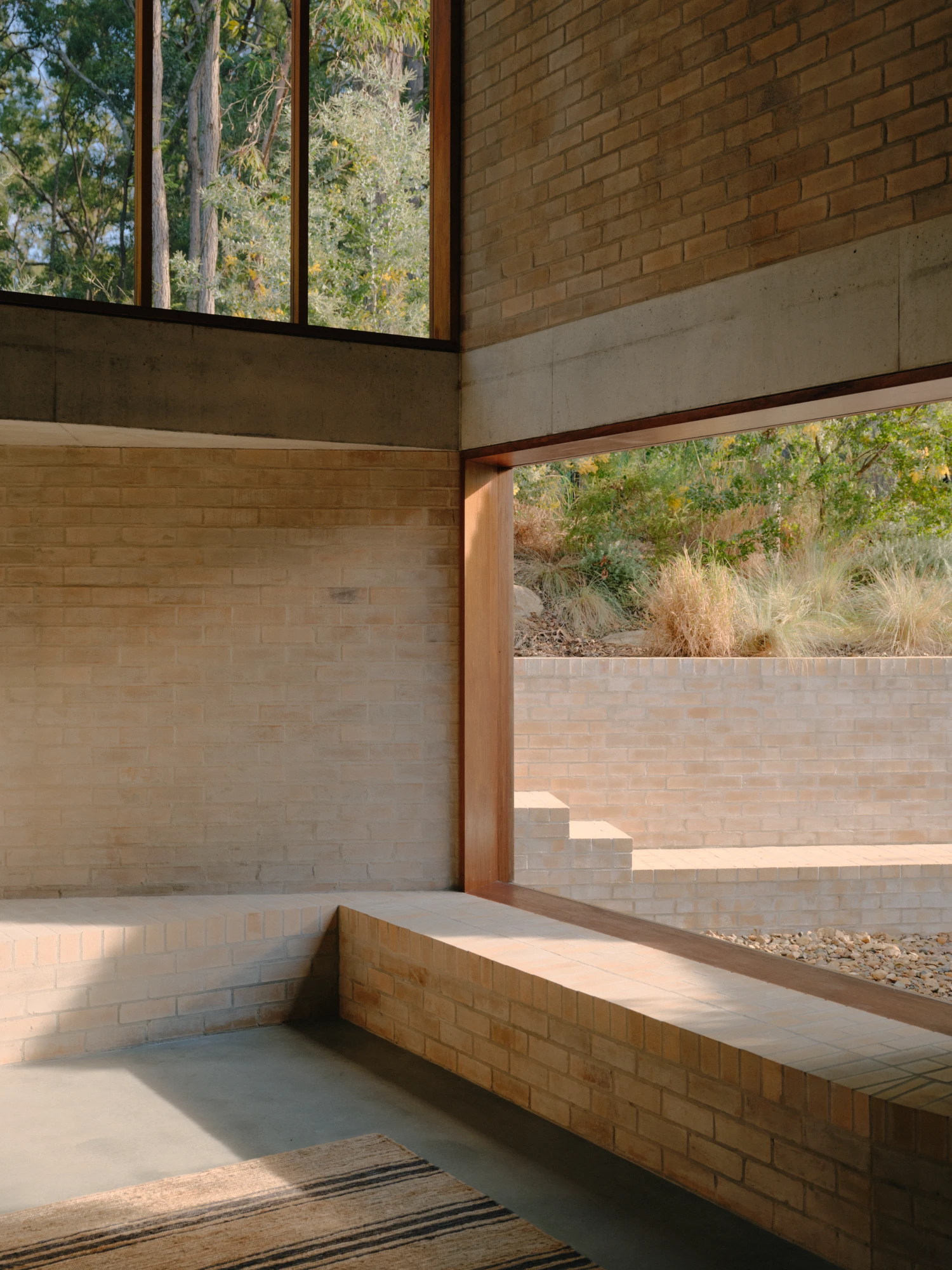
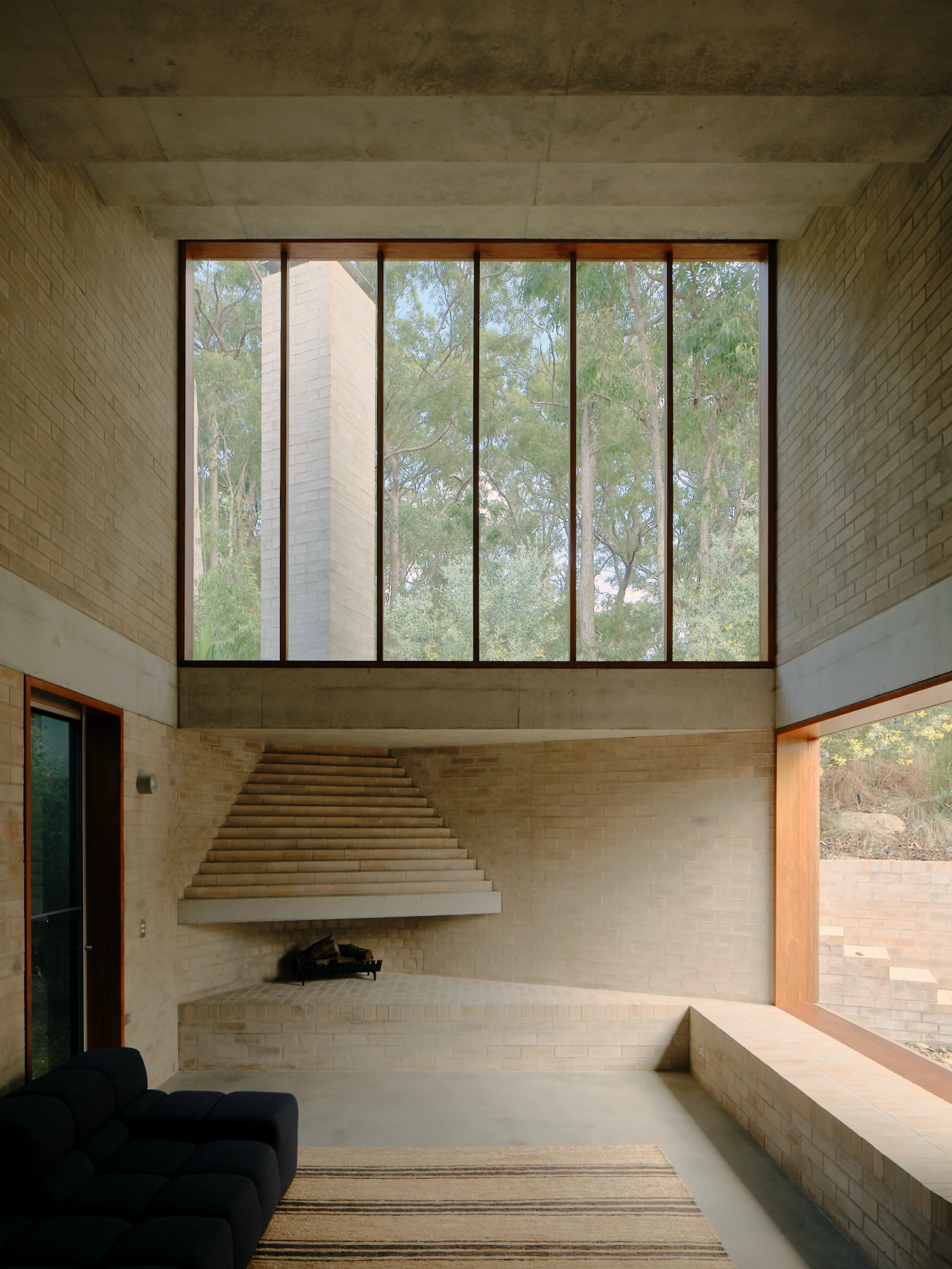
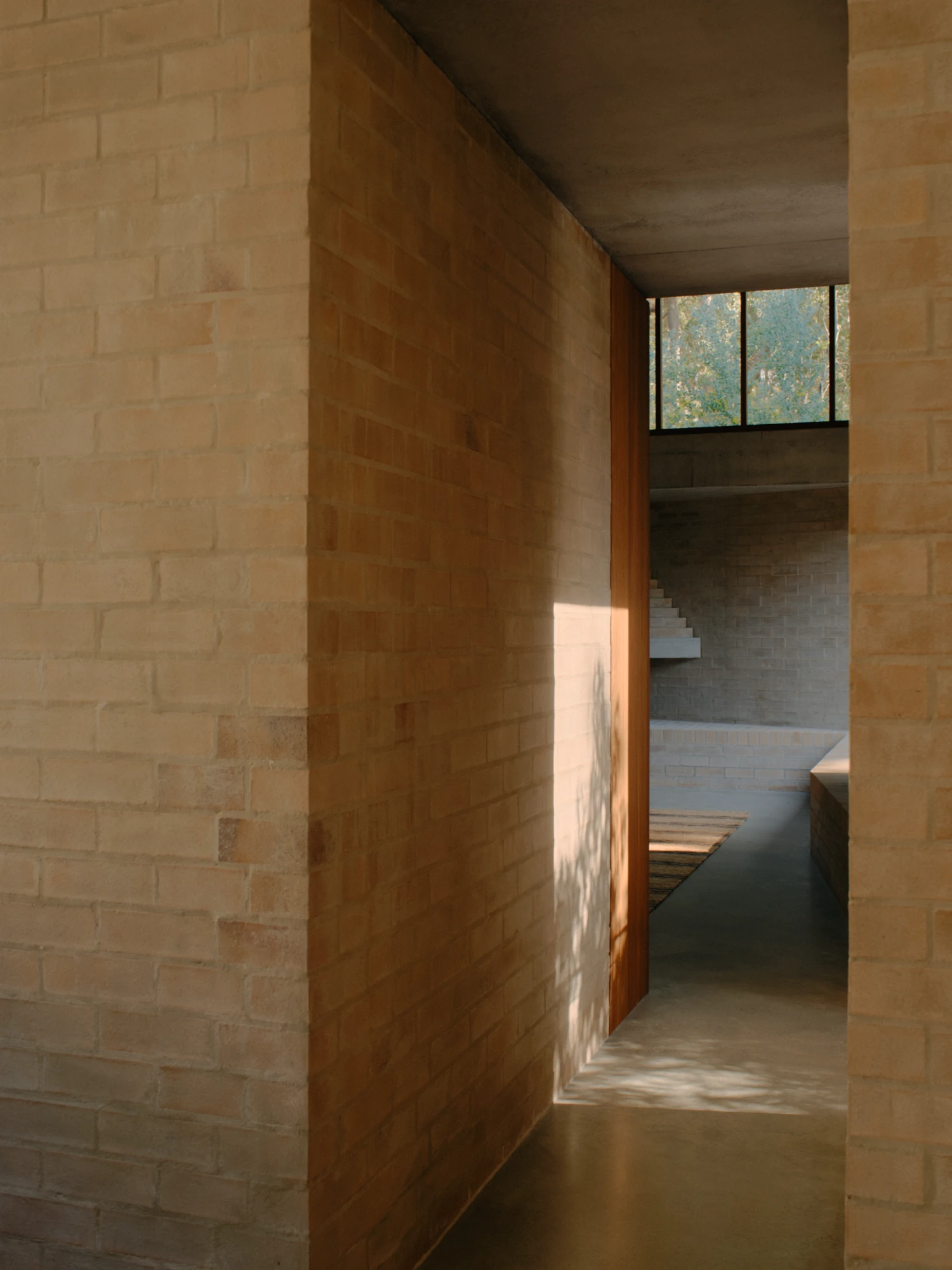
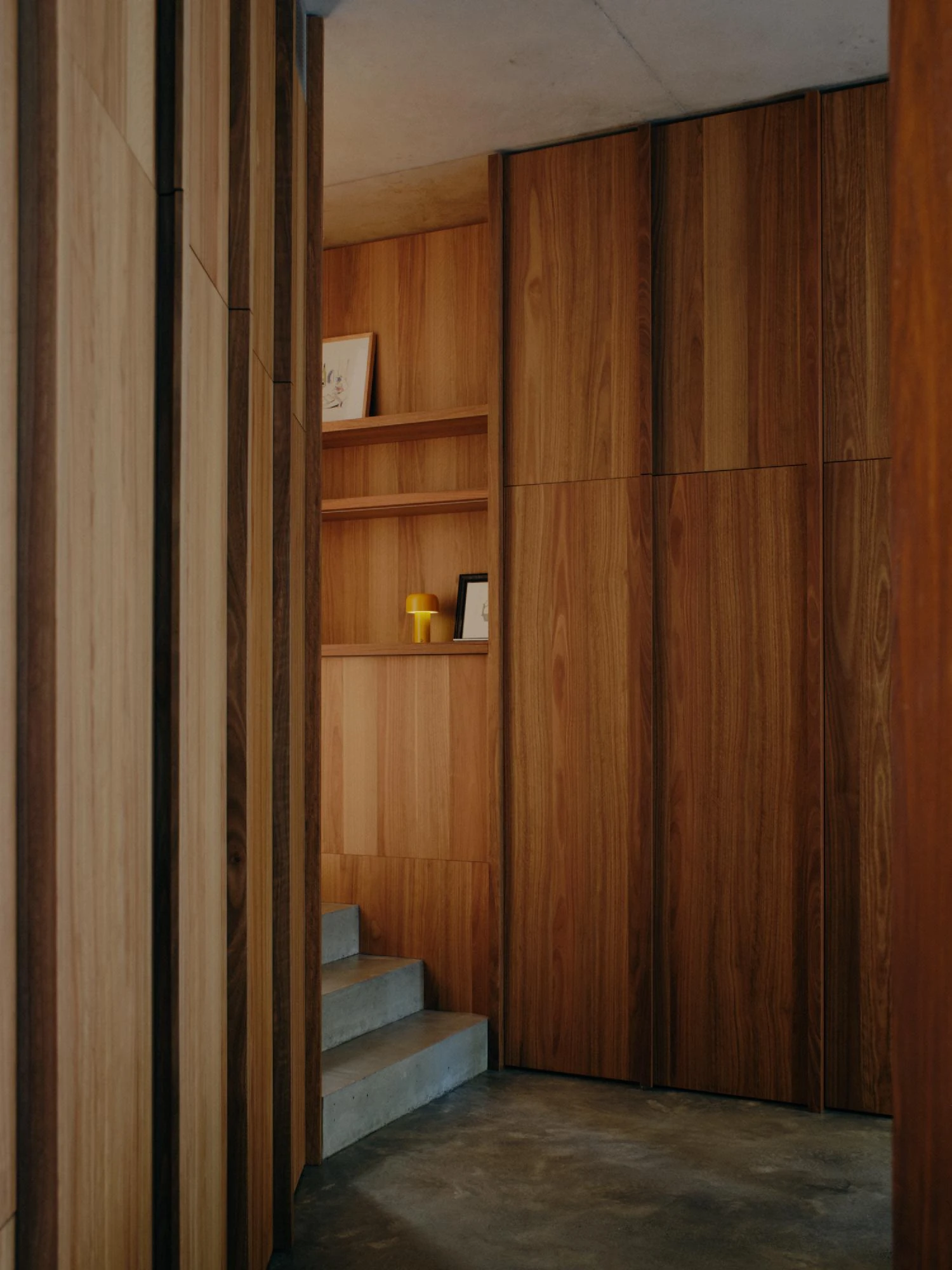
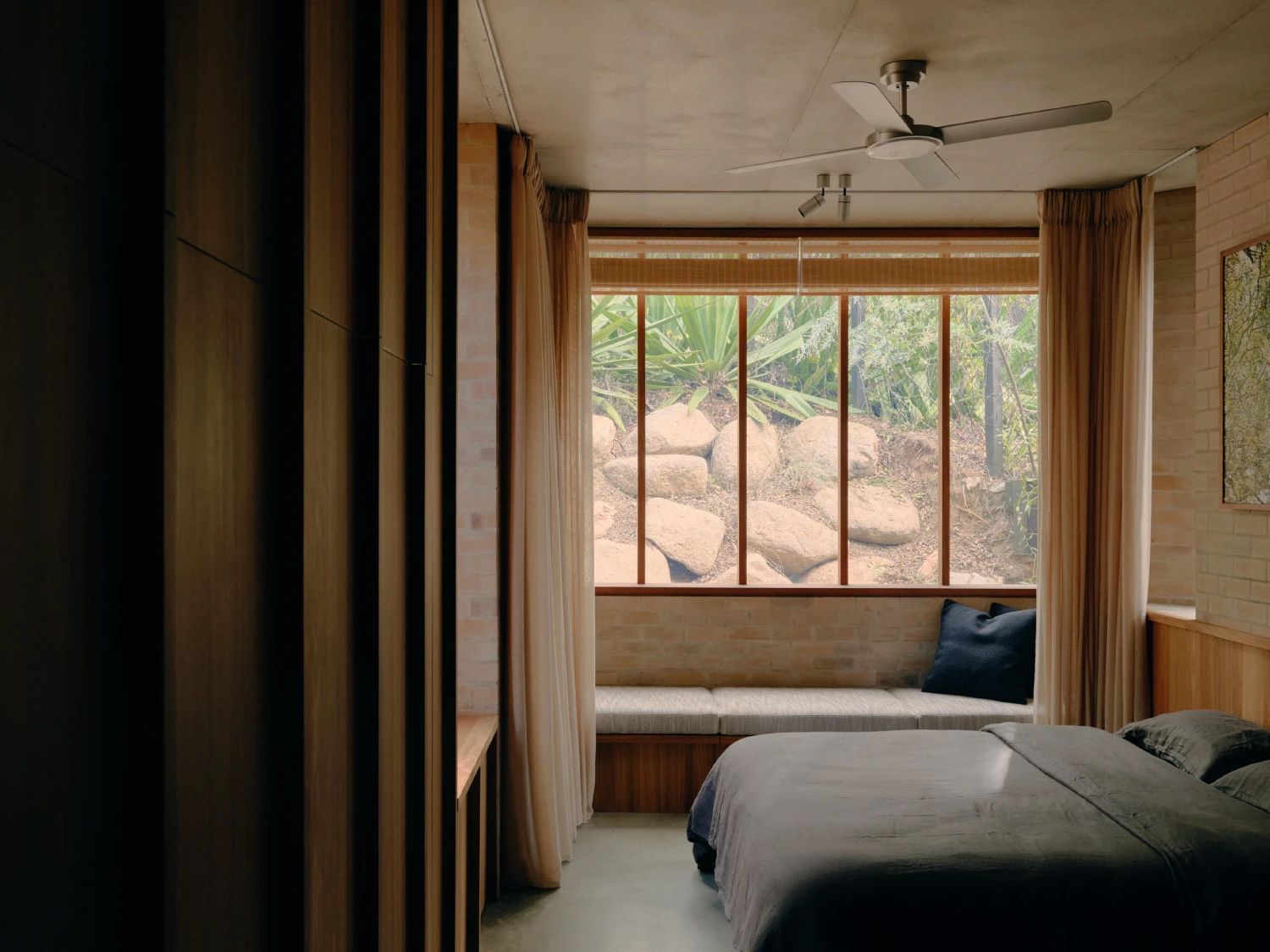
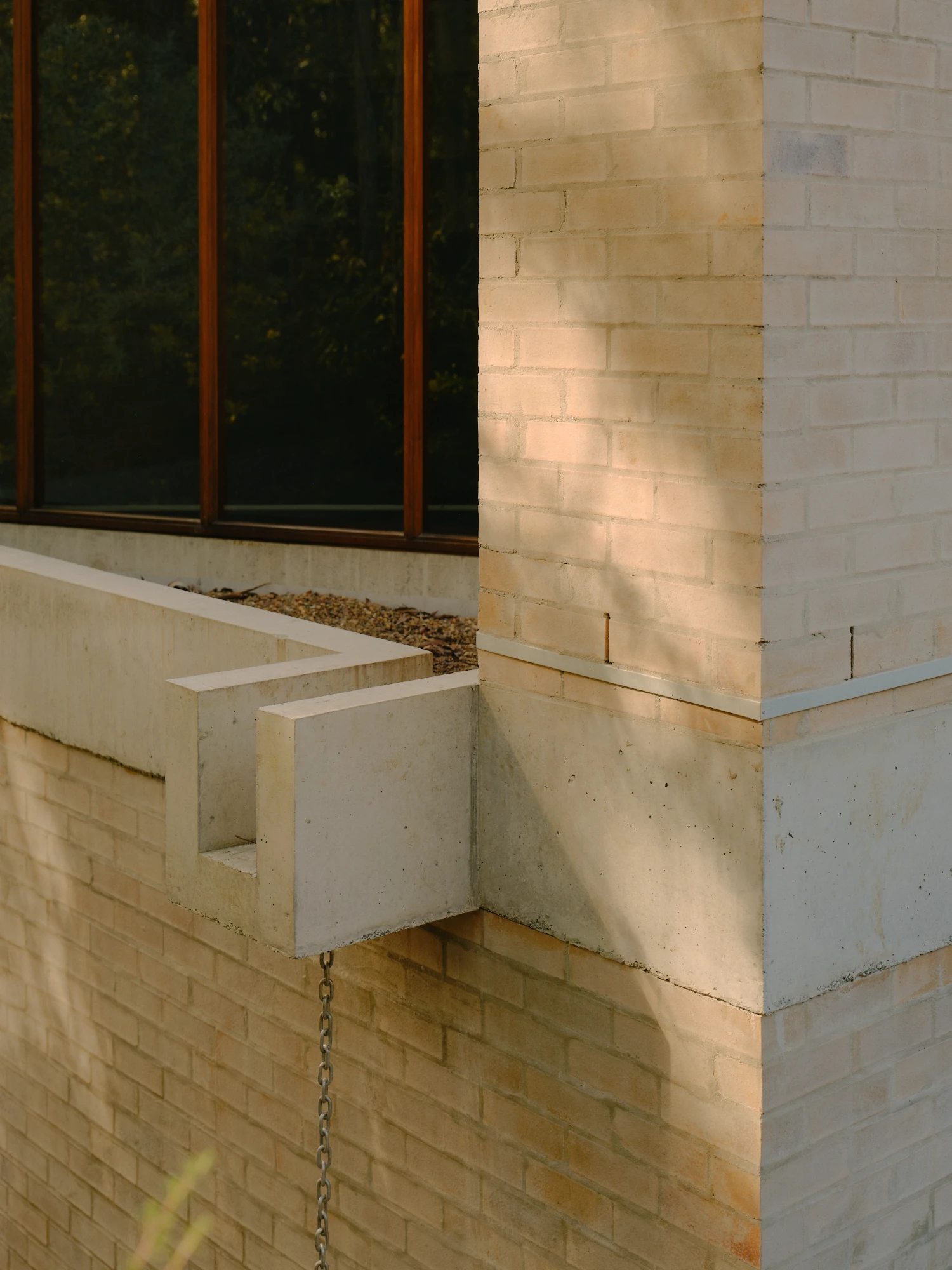
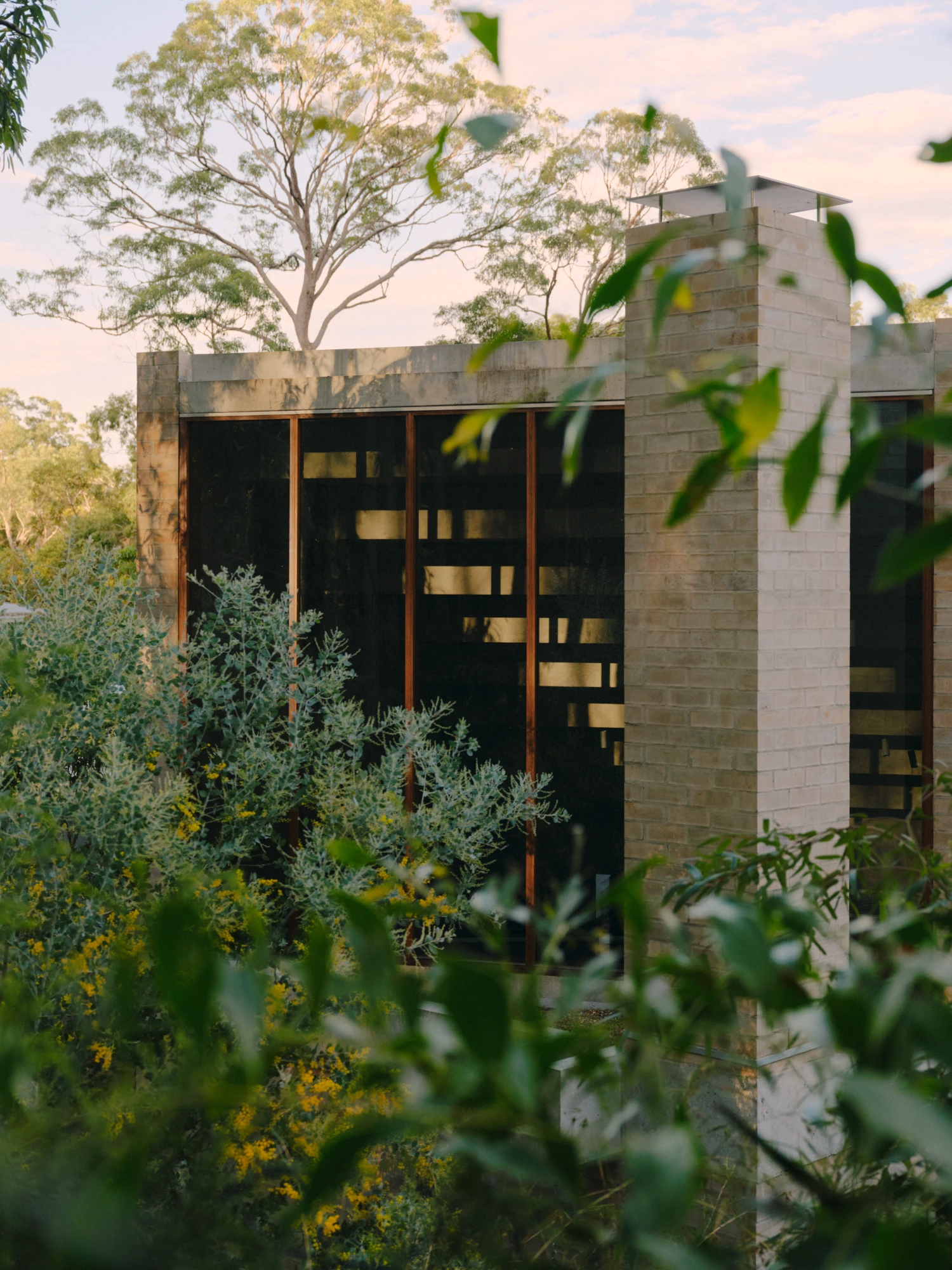
Materially, the project is resolute and unembellished. Pale brickwork, concrete bands and timber joinery establish a palette that feels both pragmatic and tactile, chosen as much for bushfire resilience as for visual continuity. The stepped brick forms, echoed inside by hearths and built-in seating, lend the architecture a quiet monumentality, recalling infrastructural forms more than domestic decoration.
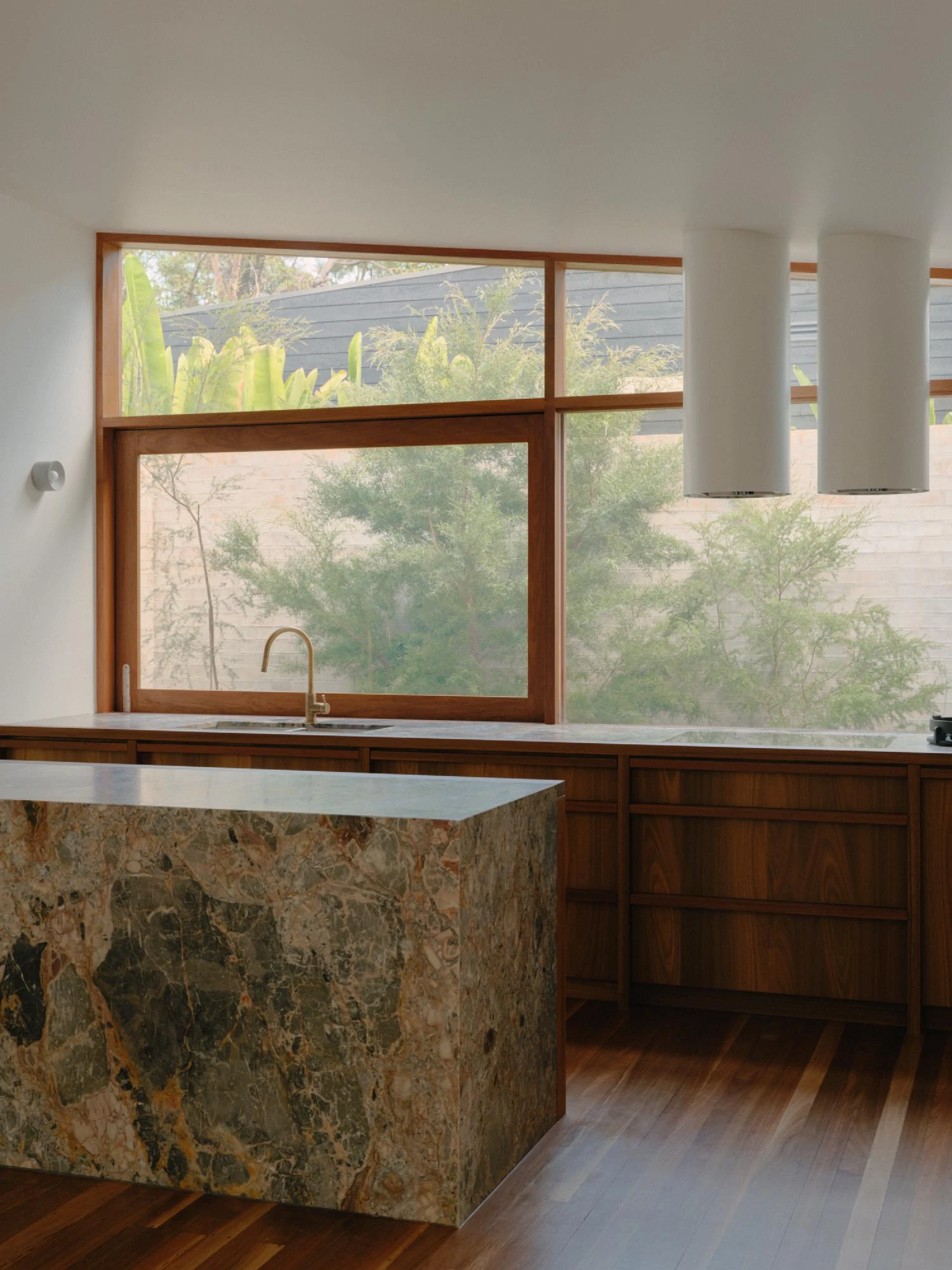
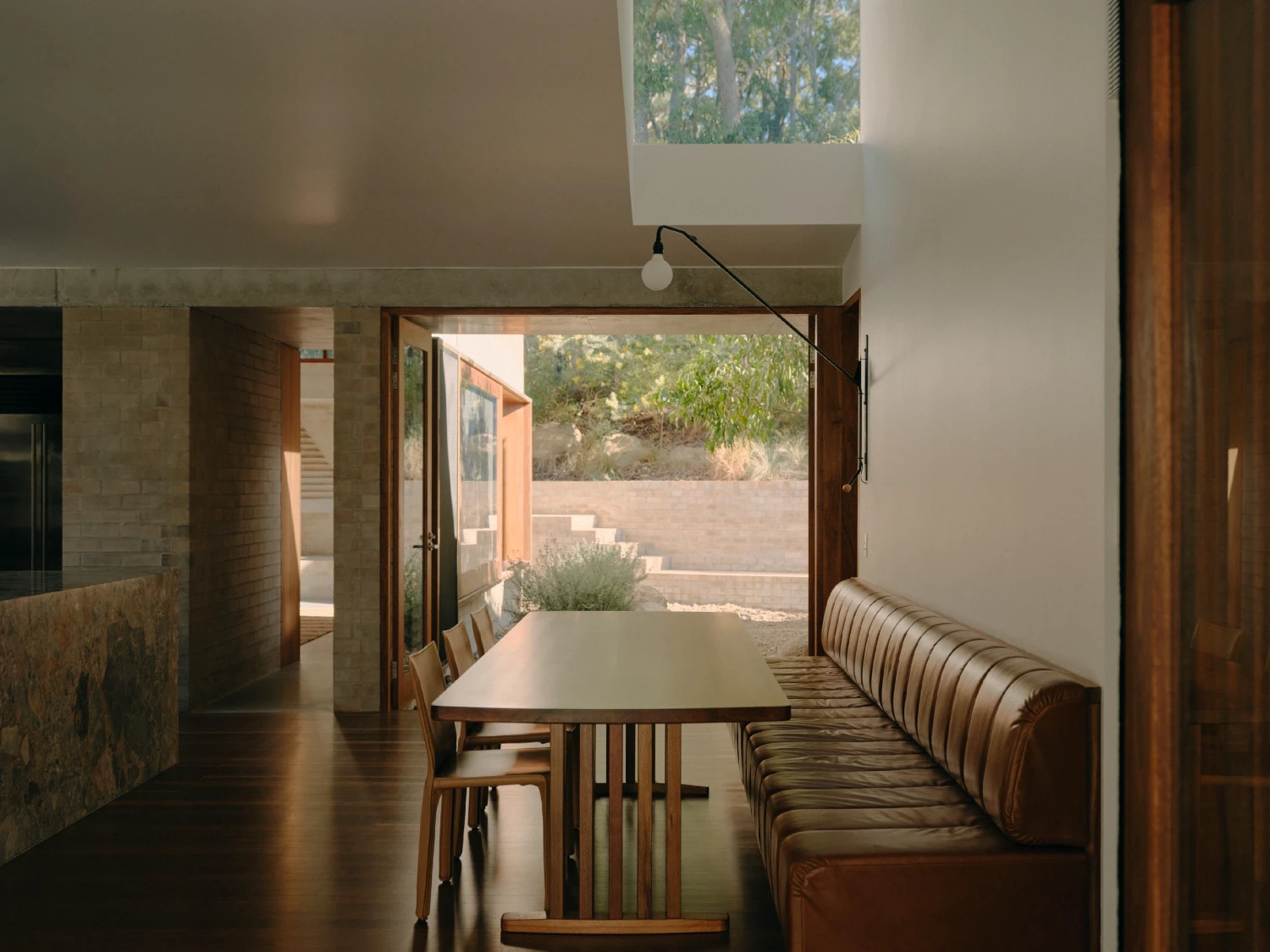
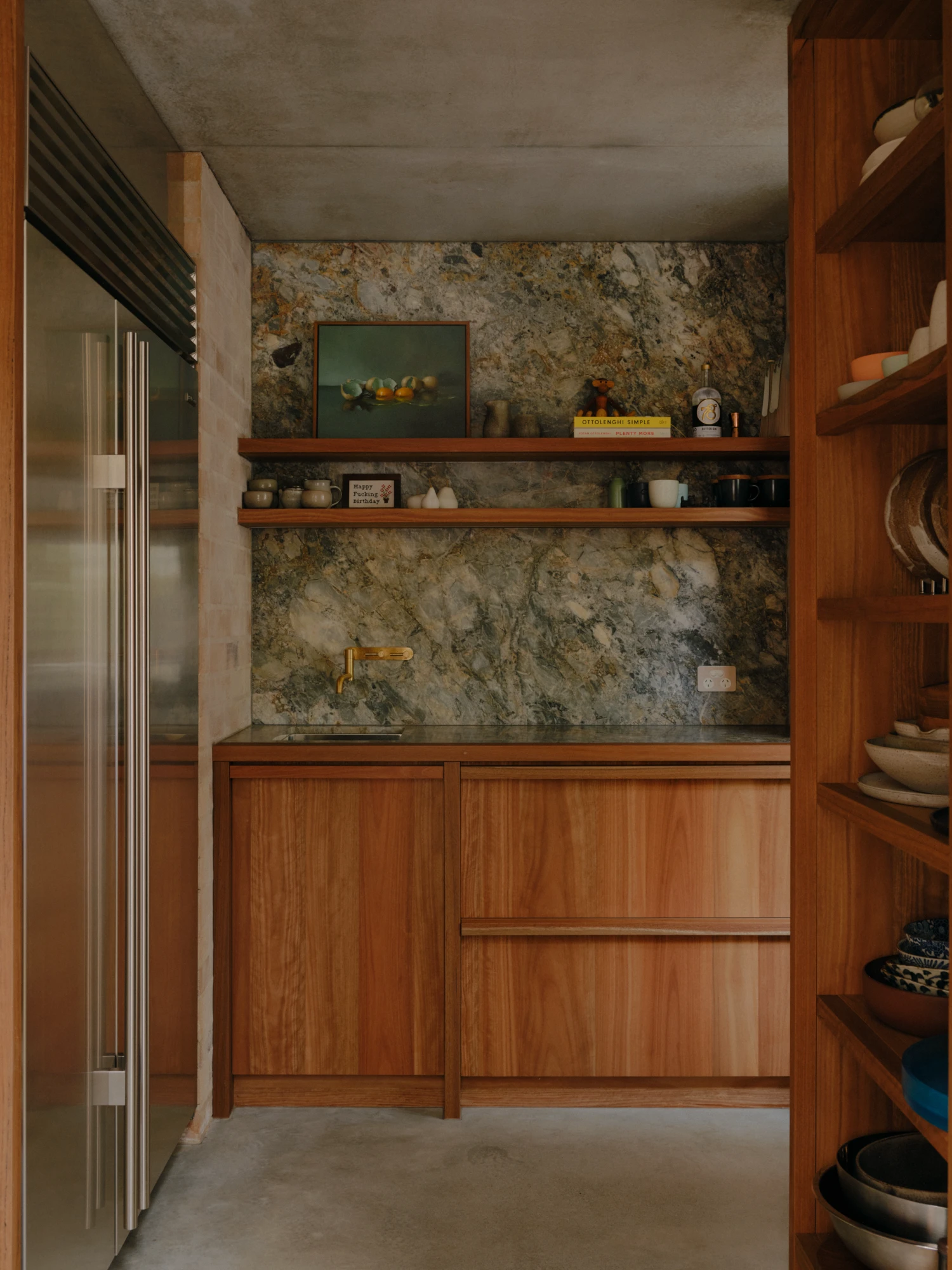
Light is filtered, never theatrical. High-level glazing draws in sky and foliage while maintaining privacy, and operable openings along the northern and southern edges allow the house to breathe. Cooking and entertaining anchor the social life of the home, with the kitchen’s solidity reinforcing the idea of the house as a place of gathering, protected yet porous. Stuartholme House ultimately feels less like a renovation than a recalibration of thresholds: between old and new, exposure and retreat, dwelling and terrain.