Thisispaper Community
Join today.
Enter your email address to receive the latest news on emerging art, design, lifestyle and tech from Thisispaper, delivered straight to your inbox.
Oops! Something went wrong while submitting the form.
Instant access to new channels
The top stories curated daily
Weekly roundups of what's important
Original features and deep dives
Exclusive community features
Alexander Zaxarov
May 14, 2026

Antonia Mayer photographs her own family in the Vienna suburb of Tulln in the series Zahn für Zahn — images made across two decades alongside a poem by Rosa Cass.

"If Cass made images, they might look like Mayer's; and if Mayer wrote poems, they could read like Cass's." The argument is worth testing against what is actually in the work.

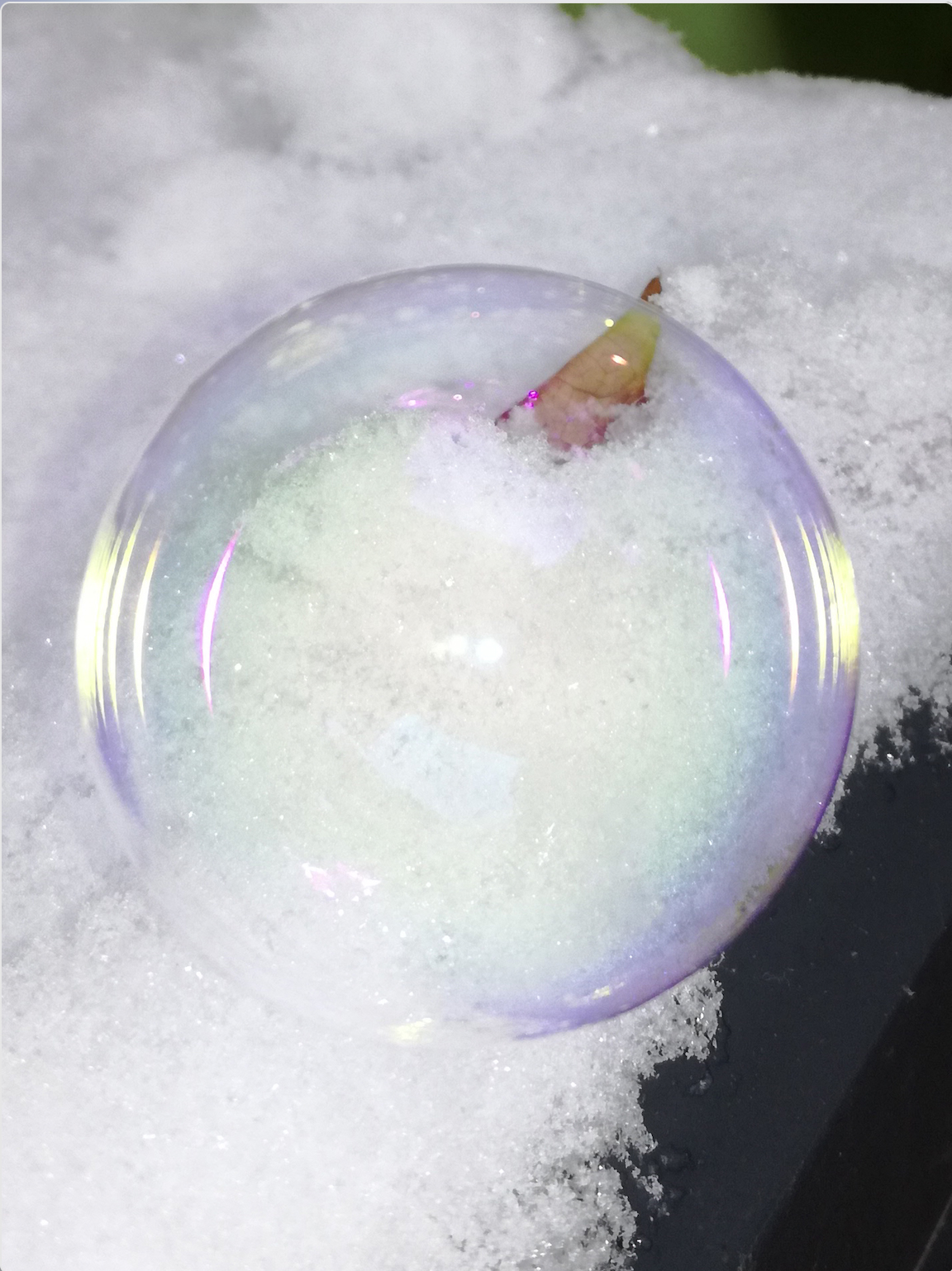
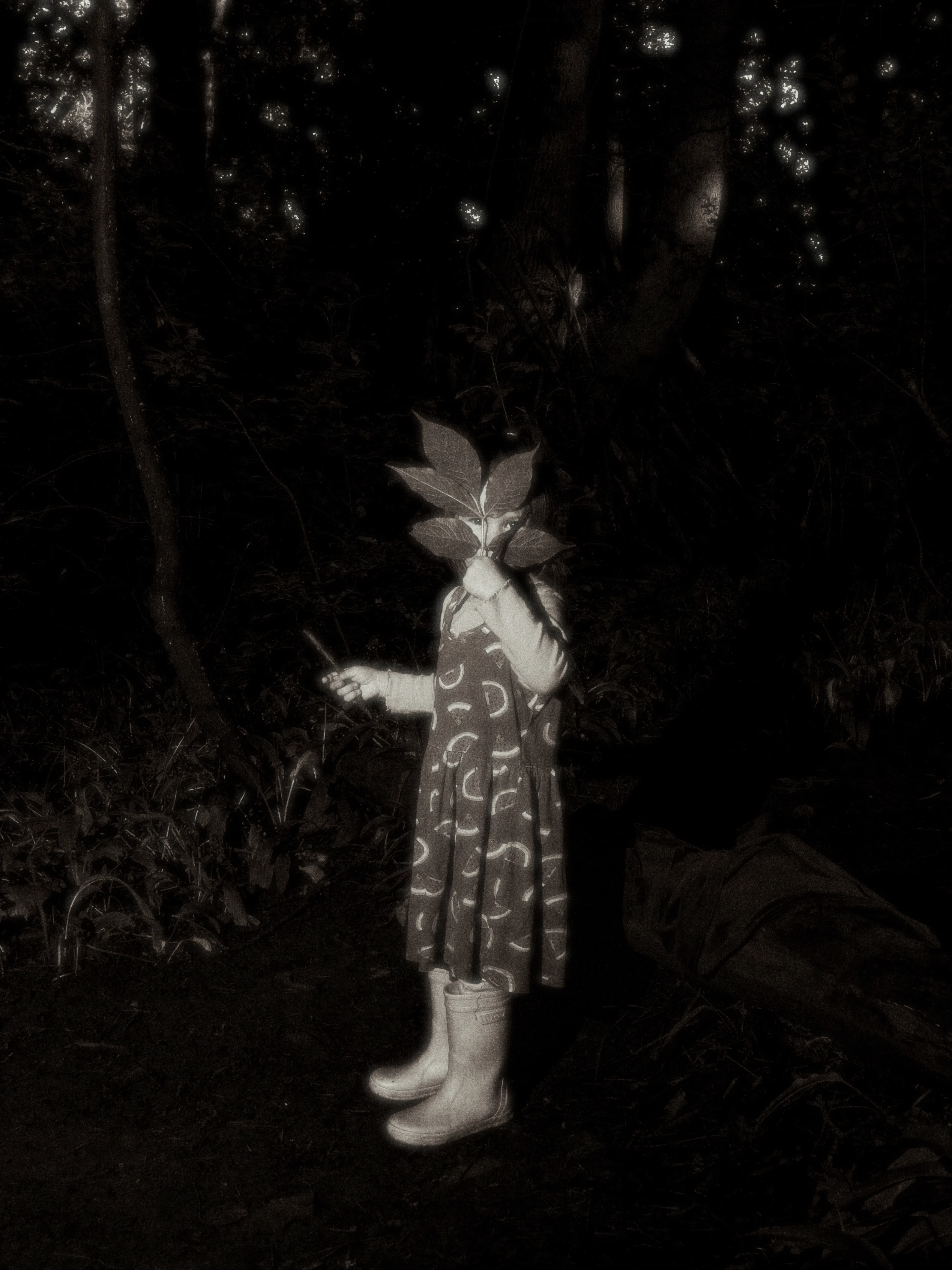
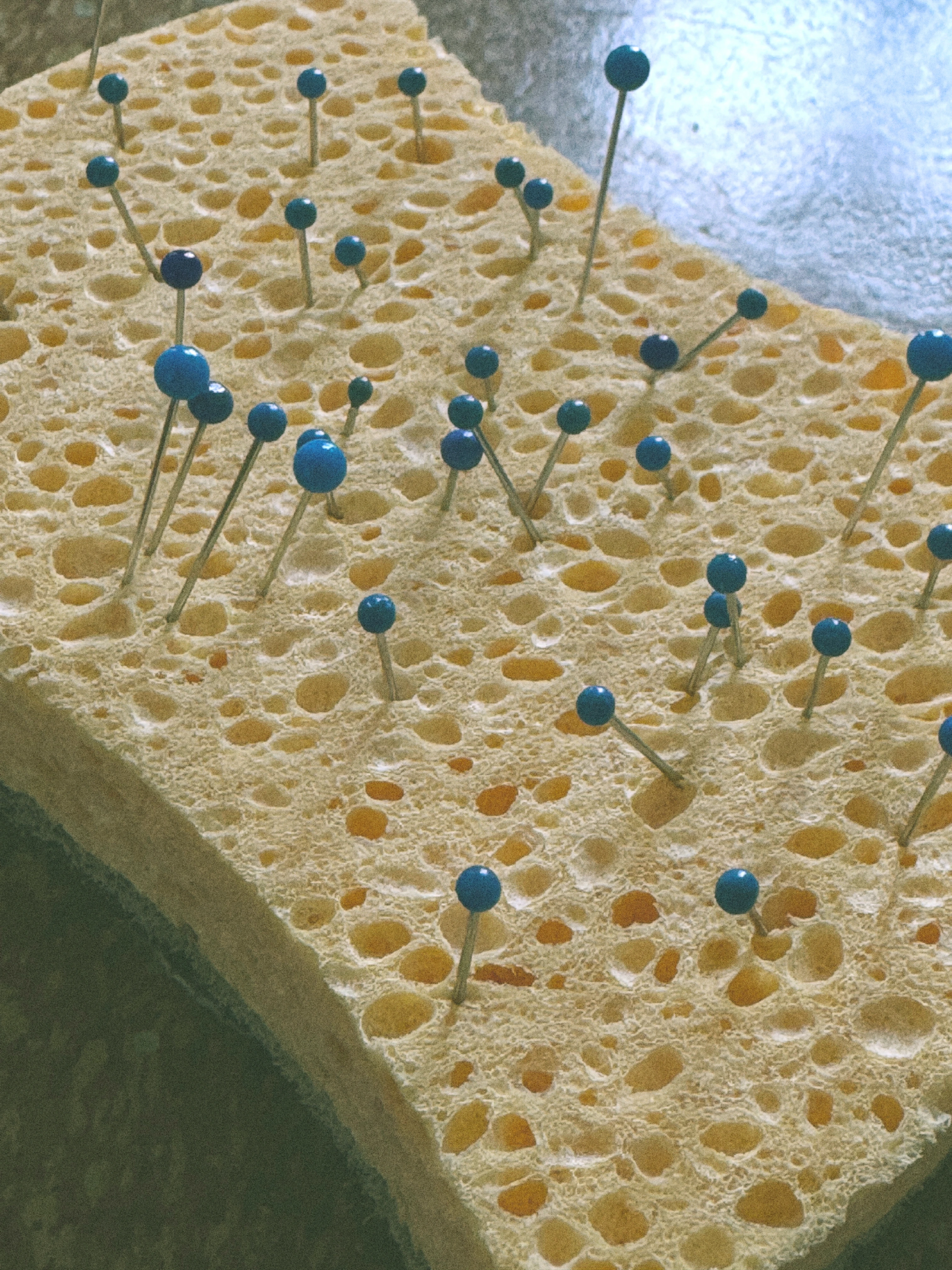
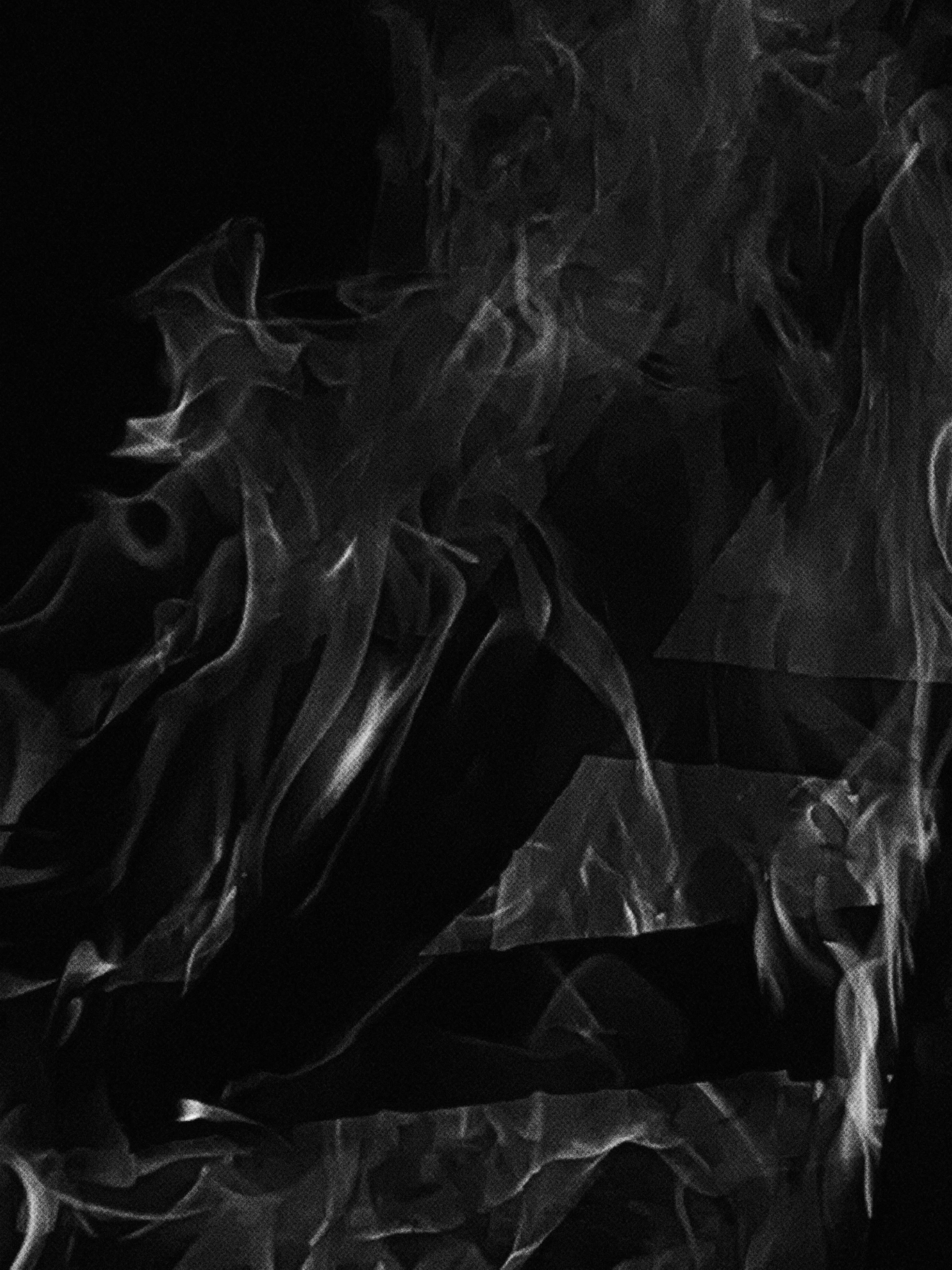
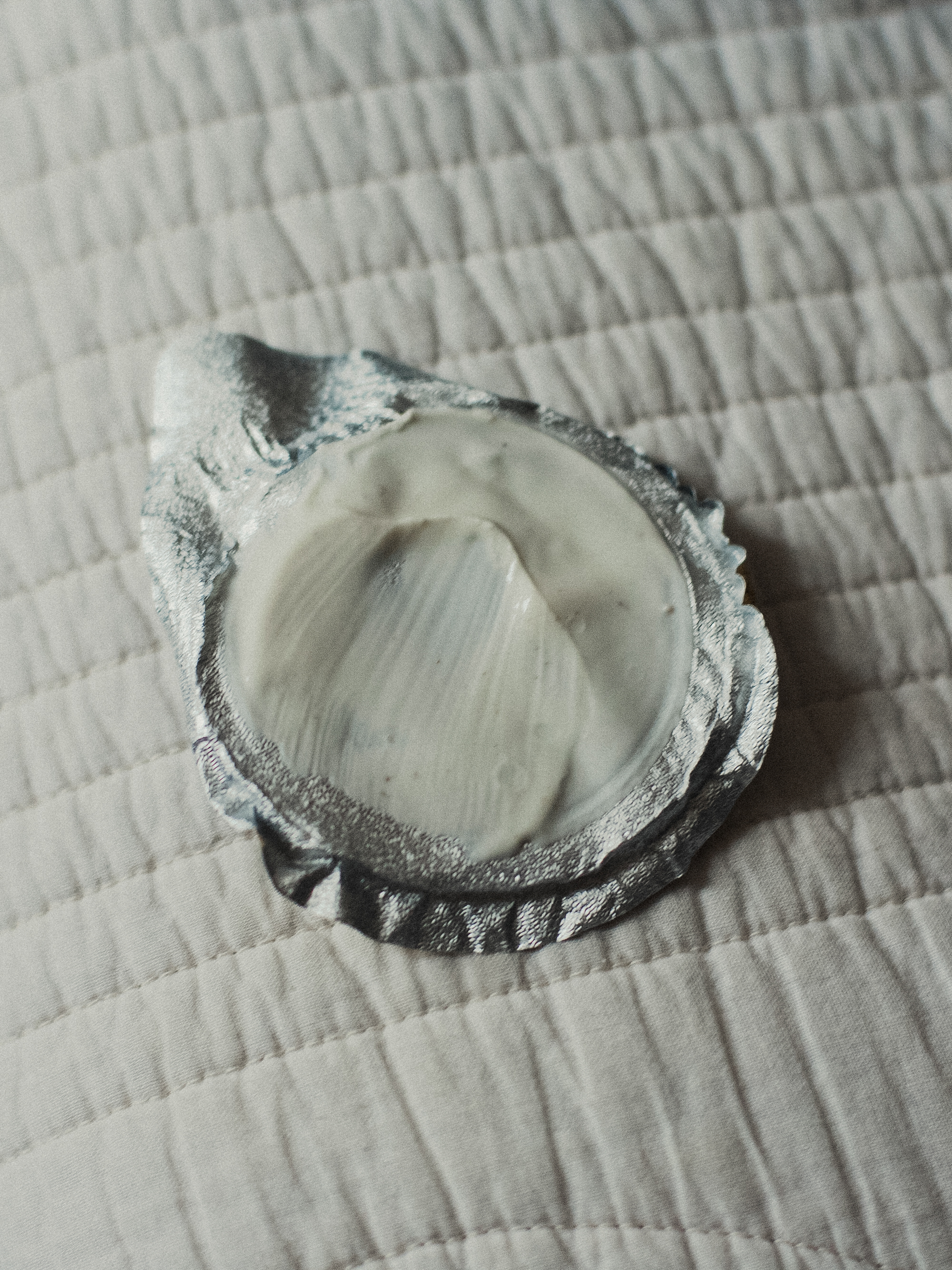
Antonia Mayer's series Zahn für Zahn (German for "Tooth for Tooth"), moves through documentary observation of daily life with what Ariel calls "tenderness in texture and ruggedness in content." A close-up of a newborn's neck and cheek, dew-like drops on the skin. A child in a floral dress with rubber boots and a leaf mask standing in a dark wood. A hand pressed to a lit glass panel, red light saturating the fingers. A sponge stuck through with blue-headed pins. A small body looking up from a beach as the photographer's shadow falls across the shells. These are images of care, mortality, and the private textures of being alive — not illustrative, not symbolic, simply present.

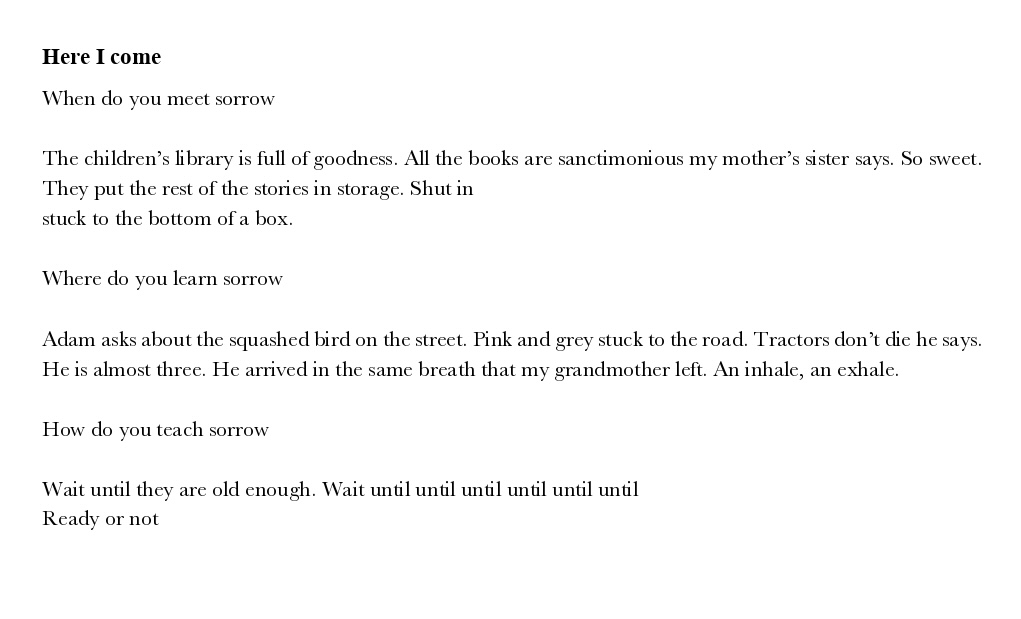
a paired poem by Rosa Cass, reproduced in the feature as a printed page, teaches sorrow by walking through it: "When do you meet sorrow / Where do you learn sorrow / How do you teach sorrow." The final stanza's refrain ("Wait until until until until until until / Ready or not") is the penny-drop moment Ariel identifies: a title that becomes the invisible last line. The poem was written from Naarm (Melbourne), and carries grief for ancestors alongside the dailiness of a child asking about a dead bird on the road.

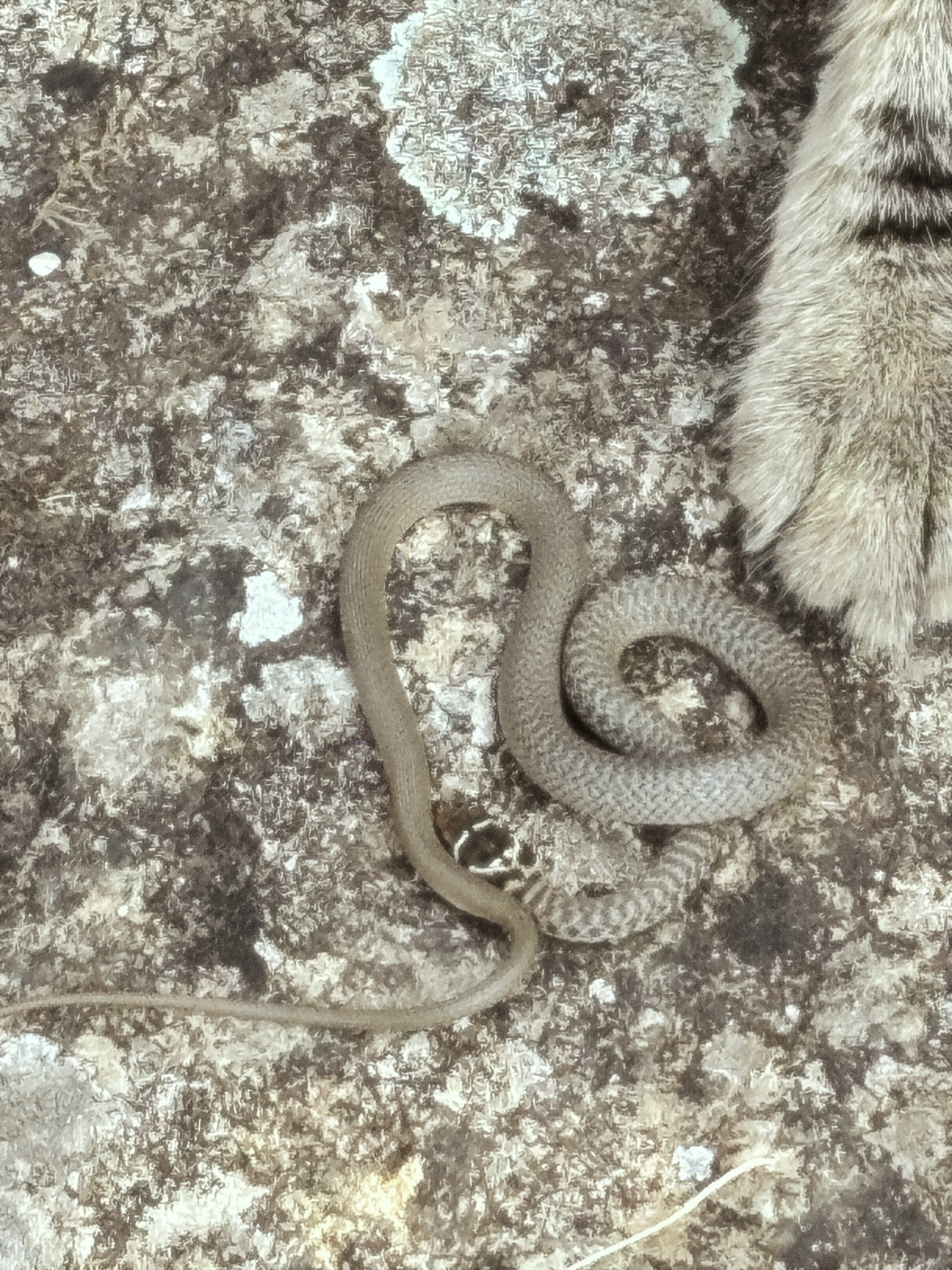
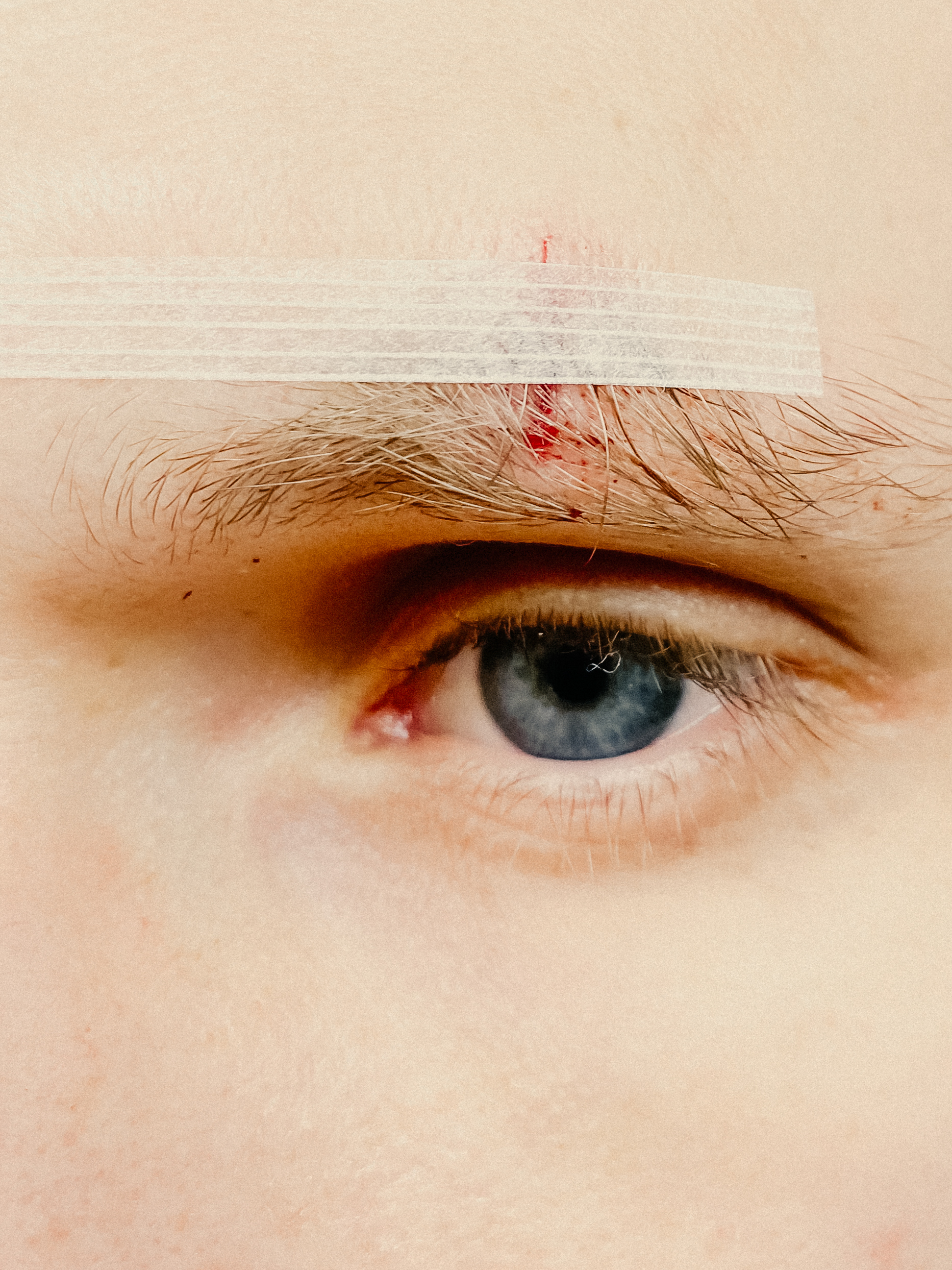
The structural parallel Ariel names is cyclical rhythm: "an inhale, an exhale" in Mayer's series title Zahn für Zahn, a pattern the viewer learns and then watches break, just as Cass's poem builds and defers. The offbeat images in Mayer's sequence (a snake coiled on lichened rock, an eye banded with medical tape, a burning match-flame hand) do not pair with anything in the poem and are not supposed to. They are the rupture inside the rhythm.

Mayer describes the particular weight of becoming a parent: knowing the world is pure and strong through a child's eyes and simultaneously knowing how brutal it is, and that it is her job to hold both truths. "Maybe this is what Mayer means too," Ariel writes, after noting that Cass often feels "heavy with love." The gallery includes the scanned poem page because the editorial decision to give both texts equal presence is itself part of what the pairing argues: that some kinds of understanding arrive without translation.
Interested in Showcasing Your Work?

If you would like to feature your works on Thisispaper, please visit our Submission page and sign up to Thisispaper+ to submit your work. Once your submission is approved, your work will be showcased to our global audience of 2 million art, architecture, and design professionals and enthusiasts.
No items found.
We love less
but there is more.
Become a Thisispaper+ member today to unlock full access to our magazine, advanced tools, and support our work.
Get two months FREE
with annual subscription
We love less
but there is more.
Become a Thisispaper+ member today to unlock full access to our magazine, advanced tools, and support our work.
Get two months FREE
with annual subscription
No items found.
Alexander Zaxarov
May 14, 2026

Antonia Mayer photographs her own family in the Vienna suburb of Tulln in the series Zahn für Zahn — images made across two decades alongside a poem by Rosa Cass.

"If Cass made images, they might look like Mayer's; and if Mayer wrote poems, they could read like Cass's." The argument is worth testing against what is actually in the work.

Antonia Mayer's series Zahn für Zahn (German for "Tooth for Tooth"), moves through documentary observation of daily life with what Ariel calls "tenderness in texture and ruggedness in content." A close-up of a newborn's neck and cheek, dew-like drops on the skin. A child in a floral dress with rubber boots and a leaf mask standing in a dark wood. A hand pressed to a lit glass panel, red light saturating the fingers. A sponge stuck through with blue-headed pins. A small body looking up from a beach as the photographer's shadow falls across the shells. These are images of care, mortality, and the private textures of being alive — not illustrative, not symbolic, simply present.

a paired poem by Rosa Cass, reproduced in the feature as a printed page, teaches sorrow by walking through it: "When do you meet sorrow / Where do you learn sorrow / How do you teach sorrow." The final stanza's refrain ("Wait until until until until until until / Ready or not") is the penny-drop moment Ariel identifies: a title that becomes the invisible last line. The poem was written from Naarm (Melbourne), and carries grief for ancestors alongside the dailiness of a child asking about a dead bird on the road.

The structural parallel Ariel names is cyclical rhythm: "an inhale, an exhale" in Mayer's series title Zahn für Zahn, a pattern the viewer learns and then watches break, just as Cass's poem builds and defers. The offbeat images in Mayer's sequence (a snake coiled on lichened rock, an eye banded with medical tape, a burning match-flame hand) do not pair with anything in the poem and are not supposed to. They are the rupture inside the rhythm.

Mayer describes the particular weight of becoming a parent: knowing the world is pure and strong through a child's eyes and simultaneously knowing how brutal it is, and that it is her job to hold both truths. "Maybe this is what Mayer means too," Ariel writes, after noting that Cass often feels "heavy with love." The gallery includes the scanned poem page because the editorial decision to give both texts equal presence is itself part of what the pairing argues: that some kinds of understanding arrive without translation.

Interested in Showcasing Your Work?

If you would like to feature your works on Thisispaper, please visit our Submission page and subscribe to Thisispaper+. Once your submission is approved, your work will be showcased to our global audience of 2 million art, architecture, and design professionals and enthusiasts.
No items found.

Join Thisispaper+
Unlock access to 2500 stories, curated guides + editions, and share your work with a global network of architects, artists, writers and designers who are shaping the future.
Get two months FREE
with annual subscription
Travel Guides
Immerse yourself in timeless destinations, hidden gems, and creative spaces—curated by humans, not algorithms.
Explore All Guides +
Submission Module
Submit your project and gain the chance to showcase your work to our worldwide audience of over 2M architects, designers, artists, and curious minds.
Learn More+
Curated Editions
Dive deeper into carefully curated editions, designed to feed your curiosity and foster exploration.
Off-the-Grid
Jutaku
Sacral Journey
minimum
The New Chair
Explore All Editions +
Atlas
A new and interactive way to explore the most inspiring places around the world.
Interactive map
Linked to articles
300+ curated locations
Google + Apple directions
Smart filters
Subscribe to Explore+
Become a Thisispaper+ member today to unlock full access to our magazine, submit your project and support our work.
Join Thisispaper+Join Thisispaper+
€ 9 EUR
/month
Cancel anytime
Get two months FREE
with annual subscription