Thisispaper Community
Join today.
Enter your email address to receive the latest news on emerging art, design, lifestyle and tech from Thisispaper, delivered straight to your inbox.
Oops! Something went wrong while submitting the form.
Instant access to new channels
The top stories curated daily
Weekly roundups of what's important
Original features and deep dives
Exclusive community features
Alexander Zaxarov
Mar 24, 2026

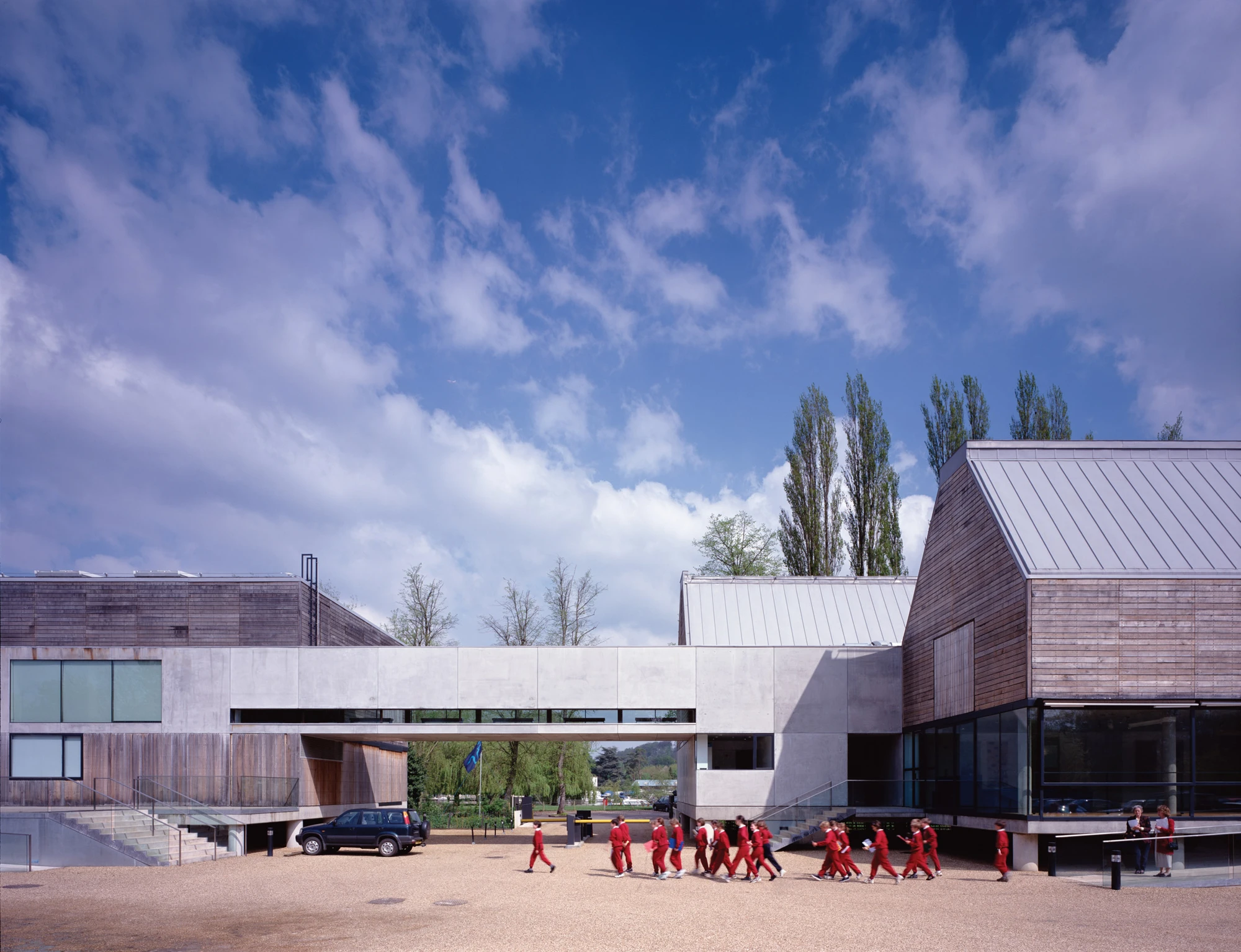
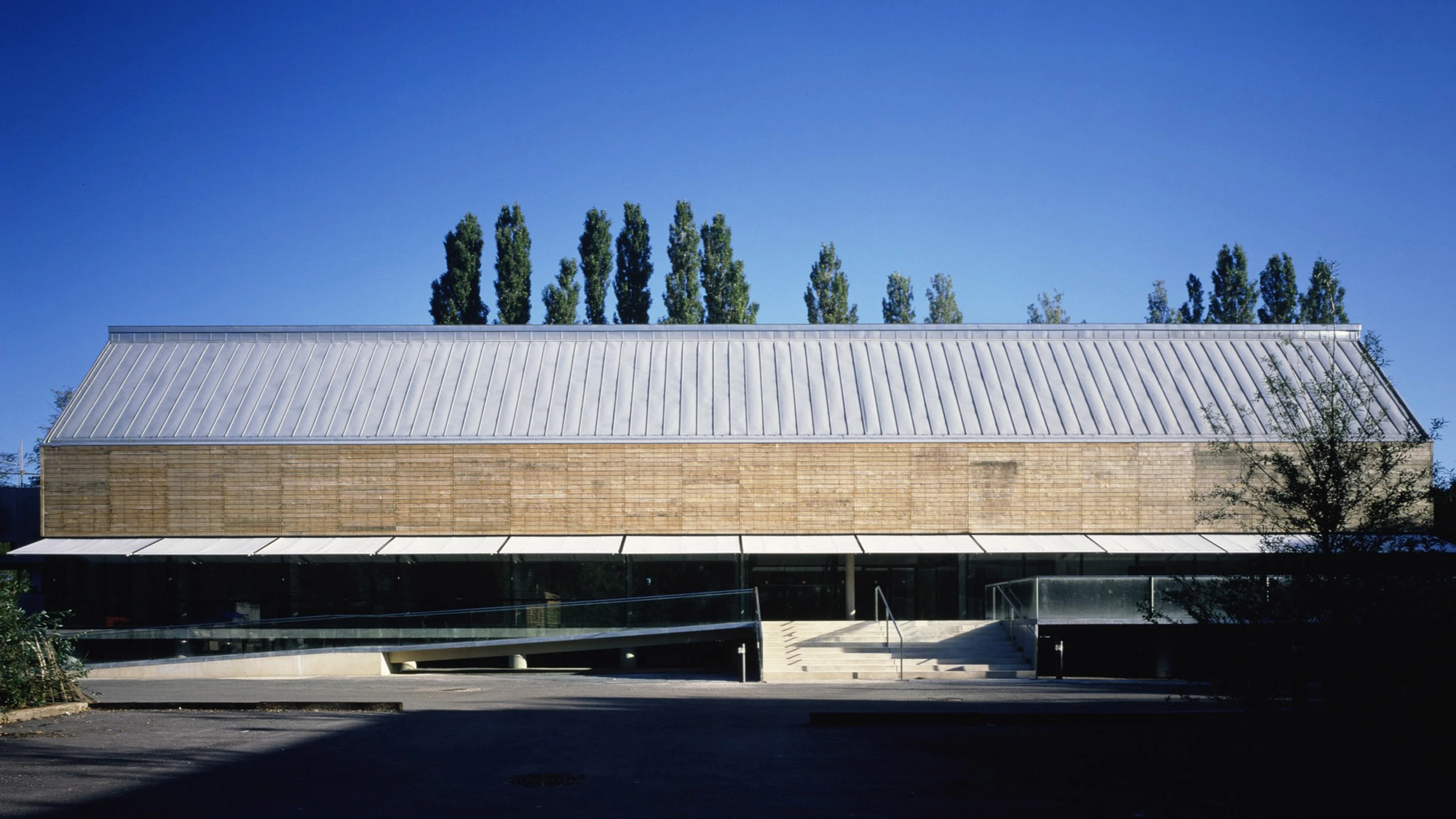
On the banks of the Thames in Henley-on-Thames, David Chipperfield's first significant cultural building — two pitched oak volumes raised on concrete pillars — faces an uncertain future following the museum's closure in 2024.

Completed in 1997, the River and Rowing Museum in Henley-on-Thames was the project that established the terms of Chipperfield's subsequent career in cultural architecture. He has since built, among much else, the Neues Museum in Berlin, The Hepworth Wakefield in Yorkshire, and the Museo Jumex in Mexico City. But it was here, in a small Oxfordshire town on the Thames, that the studio articulated for the first time what a museum building could be in relation to its landscape and its materials — principles, as Chipperfield has written, that "remain central to our work."

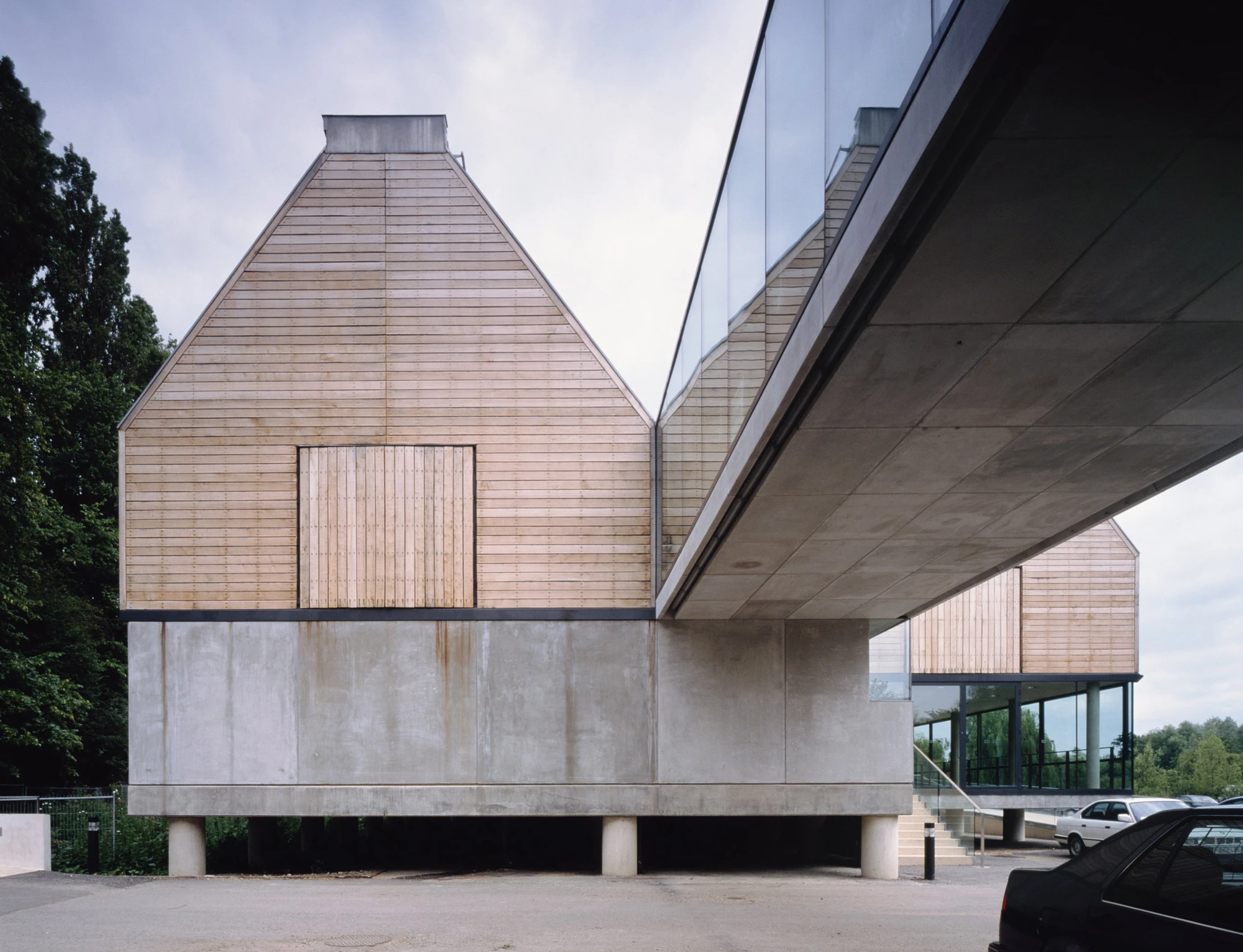
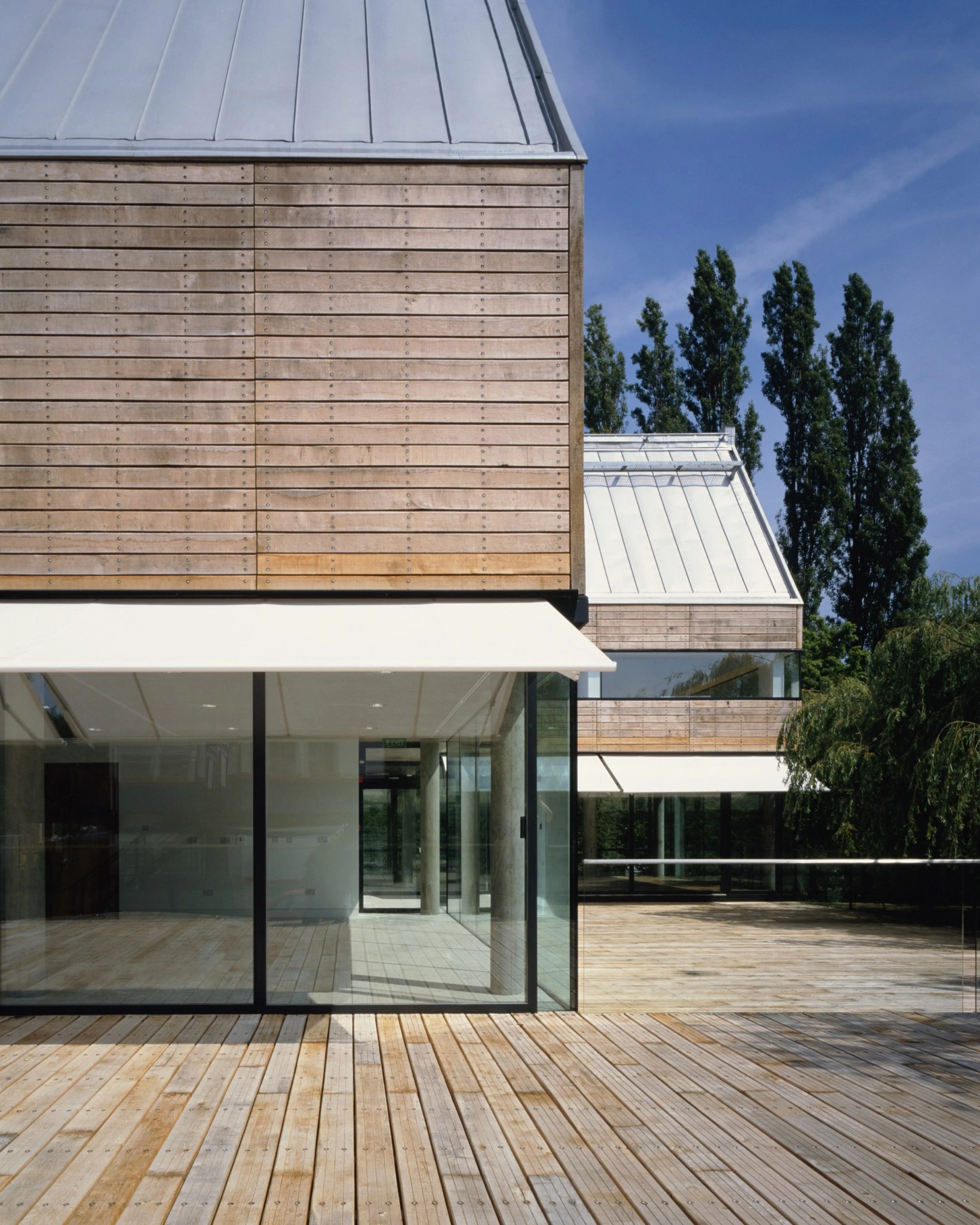
The building is informed by two vernacular types: the river boathouse and the traditional wooden barn. Two pitched volumes, clad in untreated green English oak, are connected by a glass and concrete footbridge that leads to an education centre. The oak cladding is not a surface treatment but a structural declaration: this is a building that belongs to a tradition of timber construction in the English landscape, translated into a contemporary material logic. The volumes are raised on concrete pilotis to protect against flooding from the adjacent Thames — an act of pragmatic intelligence that also lifts the building from the ground, giving it a quality of presence that is both rooted and slightly elevated.

Catherine Croft, director of the Twentieth Century Society, which has submitted a listing application on behalf of the building, describes it as "a calm, elegant and sophisticated project; fusing a Japanese-esque design language with traditional English rural forms, perfectly at home in its beautiful setting on the banks of the Thames." The listing application was prompted by the museum's closure in September 2024, following financial difficulties, and its subsequent sale in November for £3 million. The concern is not that the building will be demolished but that it will be unsympathetically altered. Chipperfield himself, in a letter supporting the application, noted that "the flexibility of the original design will allow the building to serve a new purpose in a way that respects and preserves its architectural character."

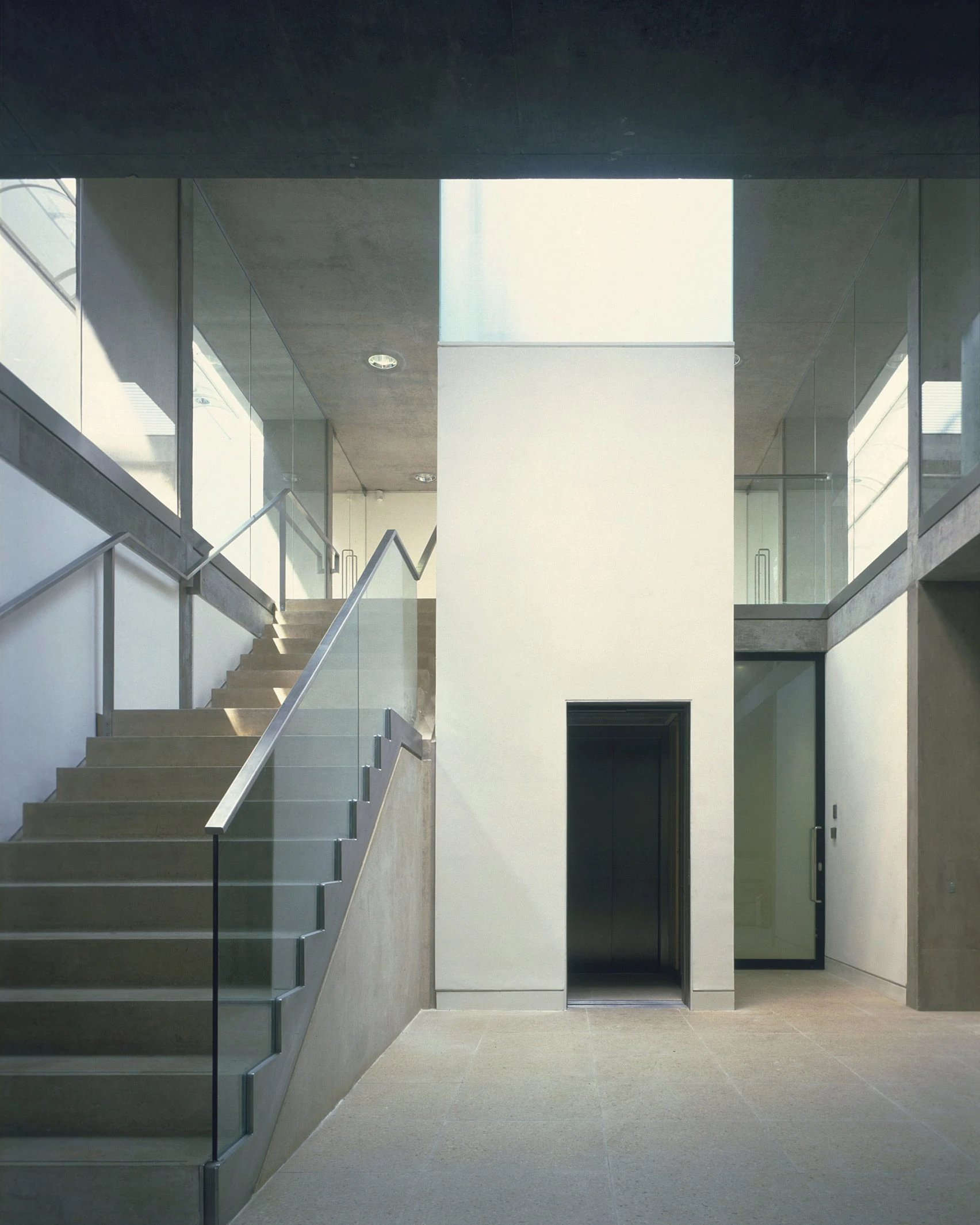
That flexibility is itself a form of intelligence. A building that is contextually grounded without being programmatically rigid is a building that can outlast its original purpose — which is, in the end, what architectural permanence looks like. Photography by Richard Bryant.
Interested in Showcasing Your Work?

If you would like to feature your works on Thisispaper, please visit our Submission page and sign up to Thisispaper+ to submit your work. Once your submission is approved, your work will be showcased to our global audience of 2 million art, architecture, and design professionals and enthusiasts.
No items found.
We love less
but there is more.
Become a Thisispaper+ member today to unlock full access to our magazine, advanced tools, and support our work.
Get two months FREE
with annual subscription
We love less
but there is more.
Become a Thisispaper+ member today to unlock full access to our magazine, advanced tools, and support our work.
Get two months FREE
with annual subscription
No items found.
Alexander Zaxarov
Mar 24, 2026

On the banks of the Thames in Henley-on-Thames, David Chipperfield's first significant cultural building — two pitched oak volumes raised on concrete pillars — faces an uncertain future following the museum's closure in 2024.

Completed in 1997, the River and Rowing Museum in Henley-on-Thames was the project that established the terms of Chipperfield's subsequent career in cultural architecture. He has since built, among much else, the Neues Museum in Berlin, The Hepworth Wakefield in Yorkshire, and the Museo Jumex in Mexico City. But it was here, in a small Oxfordshire town on the Thames, that the studio articulated for the first time what a museum building could be in relation to its landscape and its materials — principles, as Chipperfield has written, that "remain central to our work."

The building is informed by two vernacular types: the river boathouse and the traditional wooden barn. Two pitched volumes, clad in untreated green English oak, are connected by a glass and concrete footbridge that leads to an education centre. The oak cladding is not a surface treatment but a structural declaration: this is a building that belongs to a tradition of timber construction in the English landscape, translated into a contemporary material logic. The volumes are raised on concrete pilotis to protect against flooding from the adjacent Thames — an act of pragmatic intelligence that also lifts the building from the ground, giving it a quality of presence that is both rooted and slightly elevated.

Catherine Croft, director of the Twentieth Century Society, which has submitted a listing application on behalf of the building, describes it as "a calm, elegant and sophisticated project; fusing a Japanese-esque design language with traditional English rural forms, perfectly at home in its beautiful setting on the banks of the Thames." The listing application was prompted by the museum's closure in September 2024, following financial difficulties, and its subsequent sale in November for £3 million. The concern is not that the building will be demolished but that it will be unsympathetically altered. Chipperfield himself, in a letter supporting the application, noted that "the flexibility of the original design will allow the building to serve a new purpose in a way that respects and preserves its architectural character."

That flexibility is itself a form of intelligence. A building that is contextually grounded without being programmatically rigid is a building that can outlast its original purpose — which is, in the end, what architectural permanence looks like. Photography by Richard Bryant.
Interested in Showcasing Your Work?

If you would like to feature your works on Thisispaper, please visit our Submission page and subscribe to Thisispaper+. Once your submission is approved, your work will be showcased to our global audience of 2 million art, architecture, and design professionals and enthusiasts.
No items found.

Join Thisispaper+
Unlock access to 2500 stories, curated guides + editions, and share your work with a global network of architects, artists, writers and designers who are shaping the future.
Get two months FREE
with annual subscription
Travel Guides
Immerse yourself in timeless destinations, hidden gems, and creative spaces—curated by humans, not algorithms.
Explore All Guides +
Submission Module
Submit your project and gain the chance to showcase your work to our worldwide audience of over 2M architects, designers, artists, and curious minds.
Learn More+
Curated Editions
Dive deeper into carefully curated editions, designed to feed your curiosity and foster exploration.
Off-the-Grid
Jutaku
Sacral Journey
minimum
The New Chair
Explore All Editions +
Atlas
A new and interactive way to explore the most inspiring places around the world.
Interactive map
Linked to articles
300+ curated locations
Google + Apple directions
Smart filters
Subscribe to Explore+
Become a Thisispaper+ member today to unlock full access to our magazine, submit your project and support our work.
Join Thisispaper+Join Thisispaper+
€ 9 EUR
/month
Cancel anytime
Get two months FREE
with annual subscription