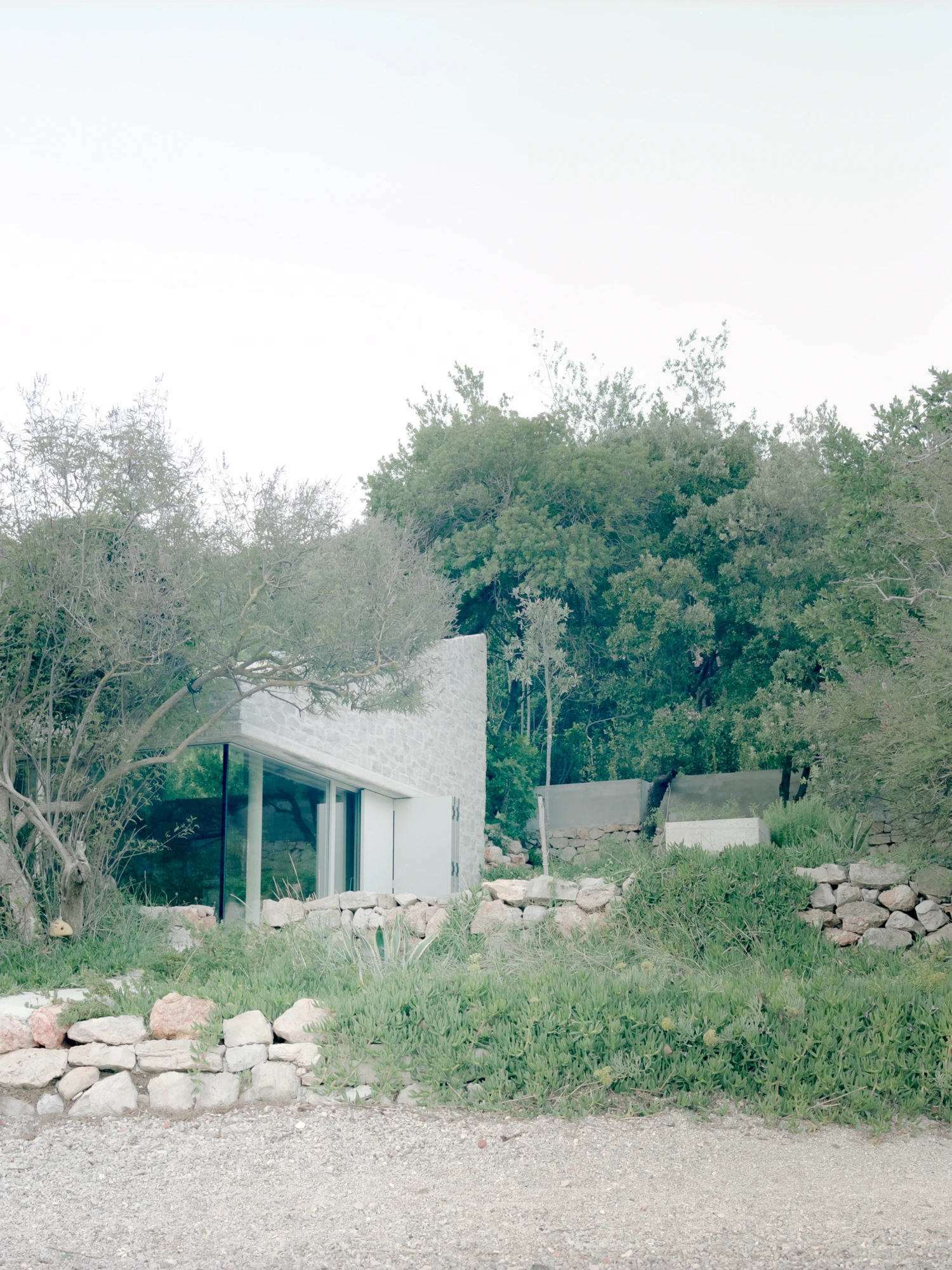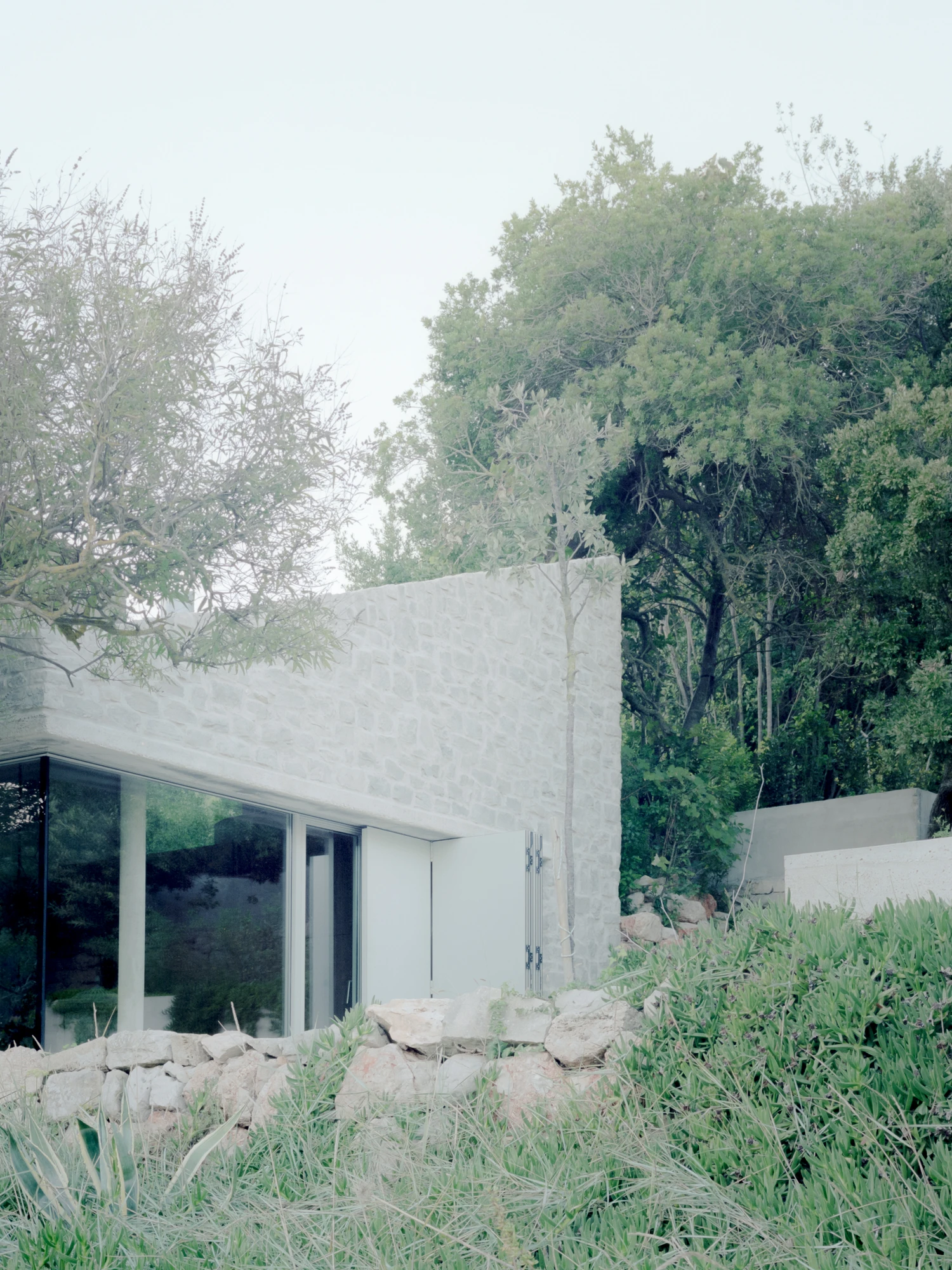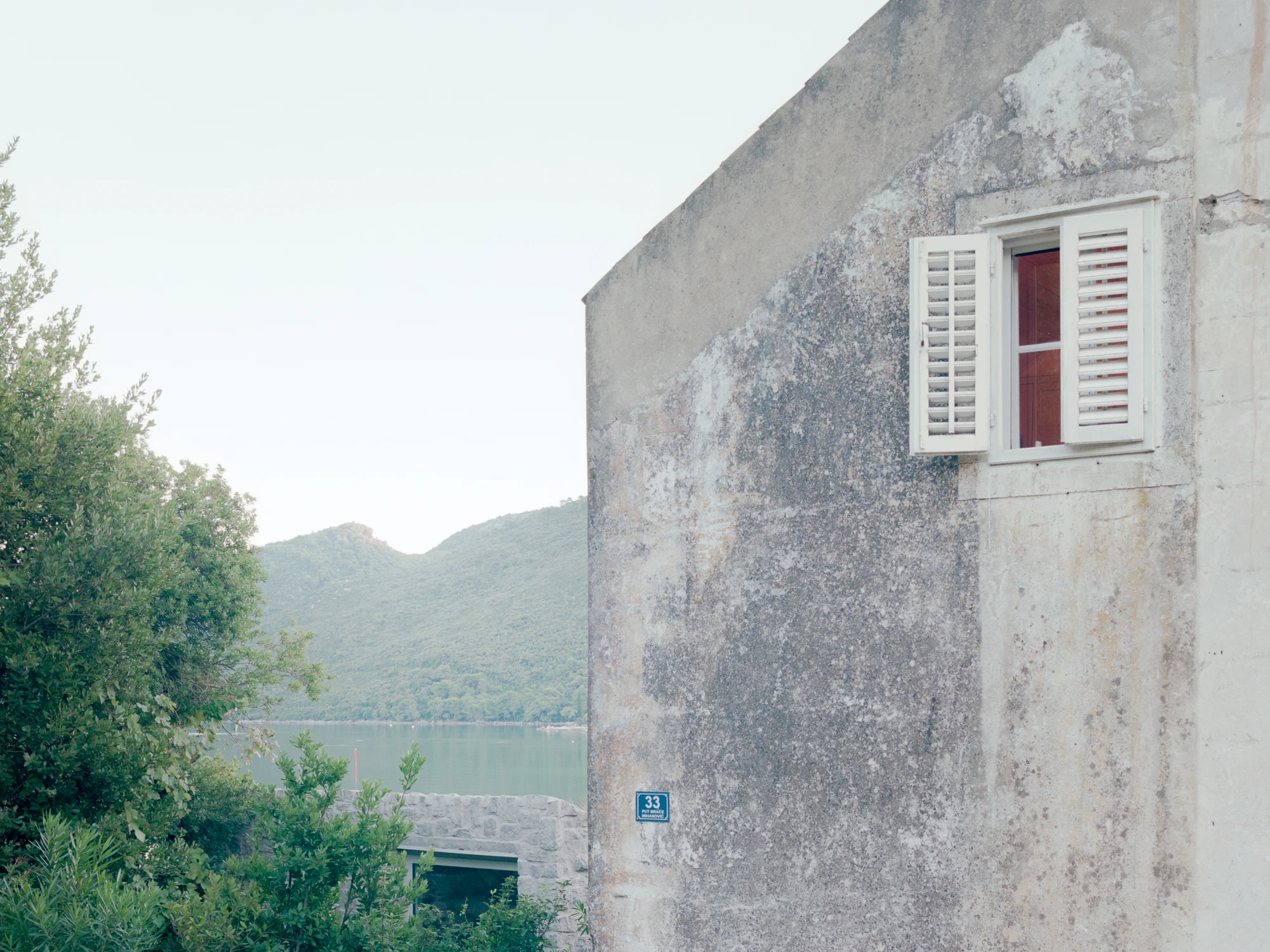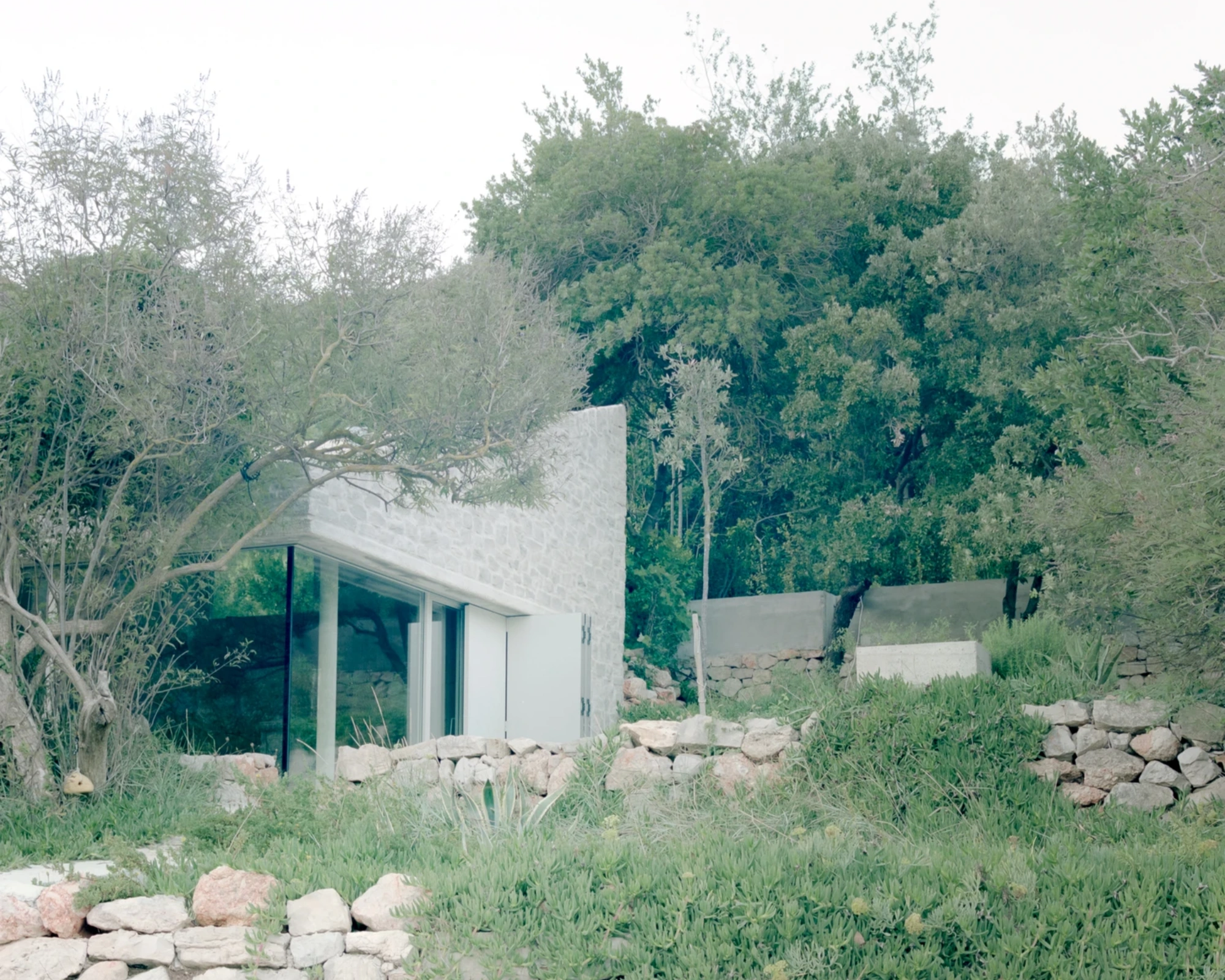
Pretpec by Gusić+Lončarić on Croatia's Pelješac Peninsula rebuilds a traditional outdoor hearth structure—a meditation on coastal restraint amid overdevelopment.
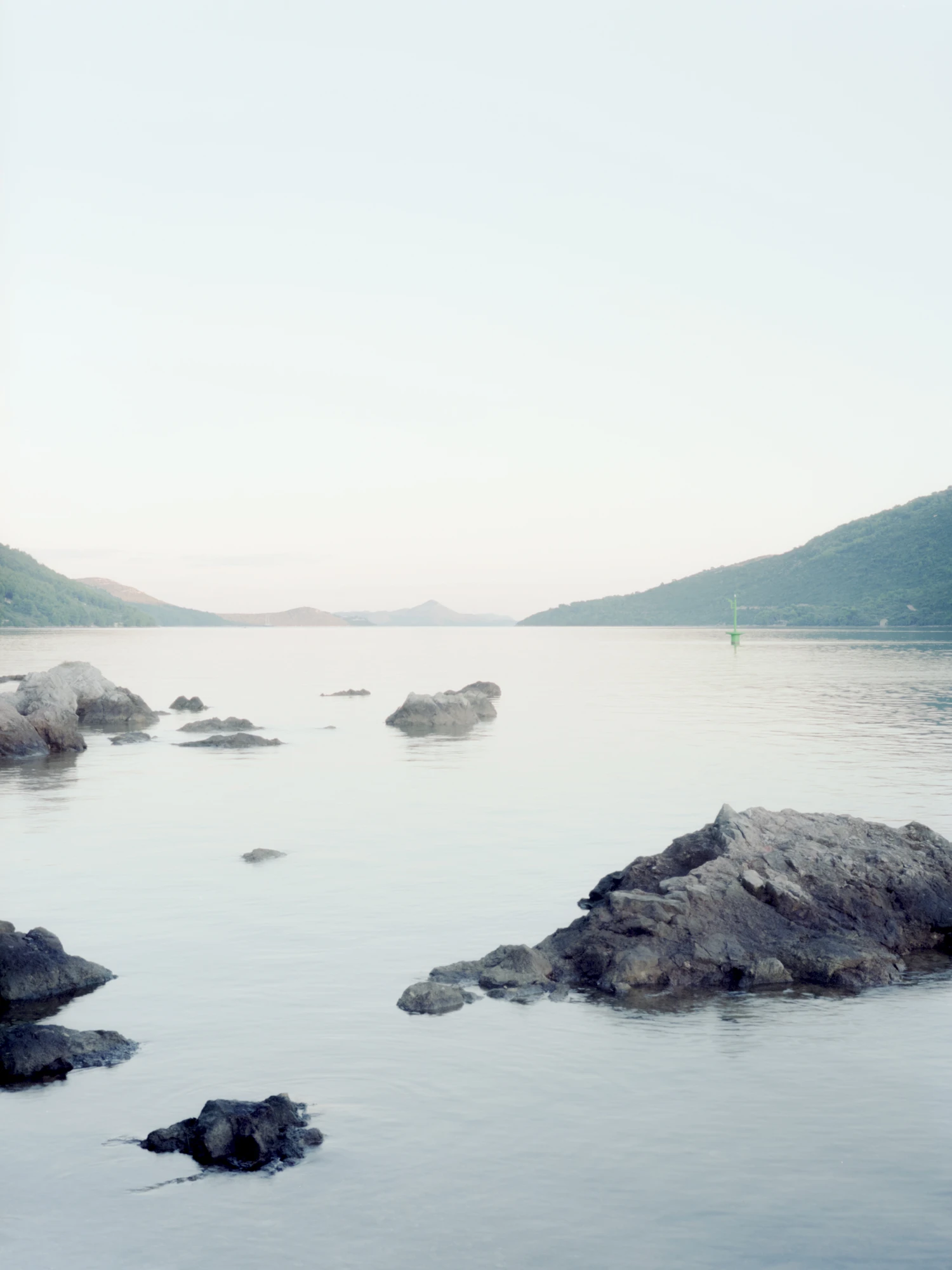
The Adriatic coastline has suffered its share of architectural indignity. Speculative construction, tourist infrastructure, second homes expanding beyond reason—the Croatian littoral bears visible scars of prosperity pursued without care. Against this context, a small project on the Pelješac Peninsula offers quiet resistance: the reconstruction of a pretpec, the local Dubrovnik term for a traditional summer kitchen with an open hearth.
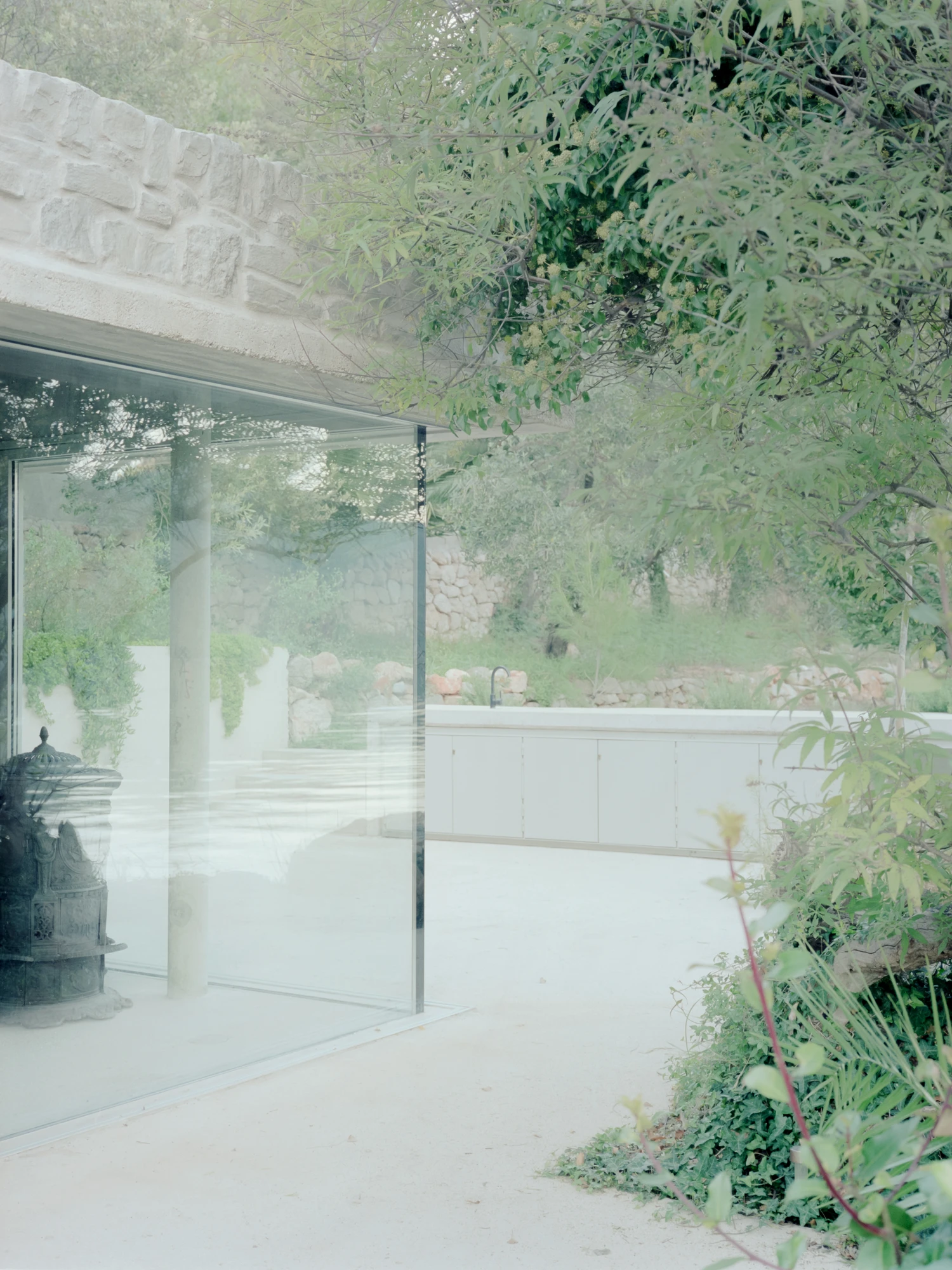
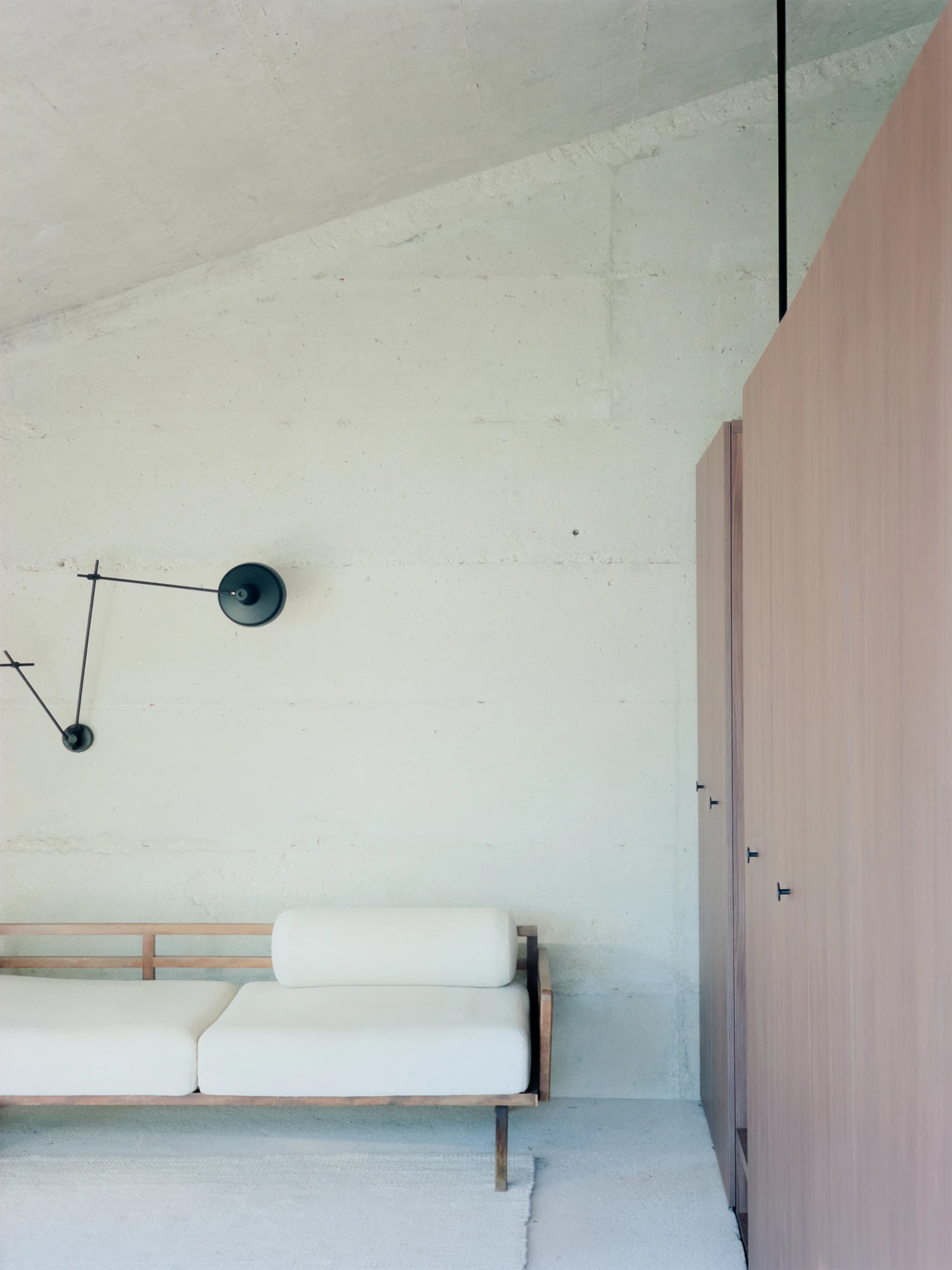
Architects Dora Lončarić of Nekoliko and Marko Gusić of ARGU accepted strict constraints as a form of discipline. The intervention could neither expand beyond the original footprint nor alter the building's position or volume. Within these limits, a single large built element now organizes the interior—containing storage, kitchen functions, and technical equipment while carving the remaining space into usable zones.
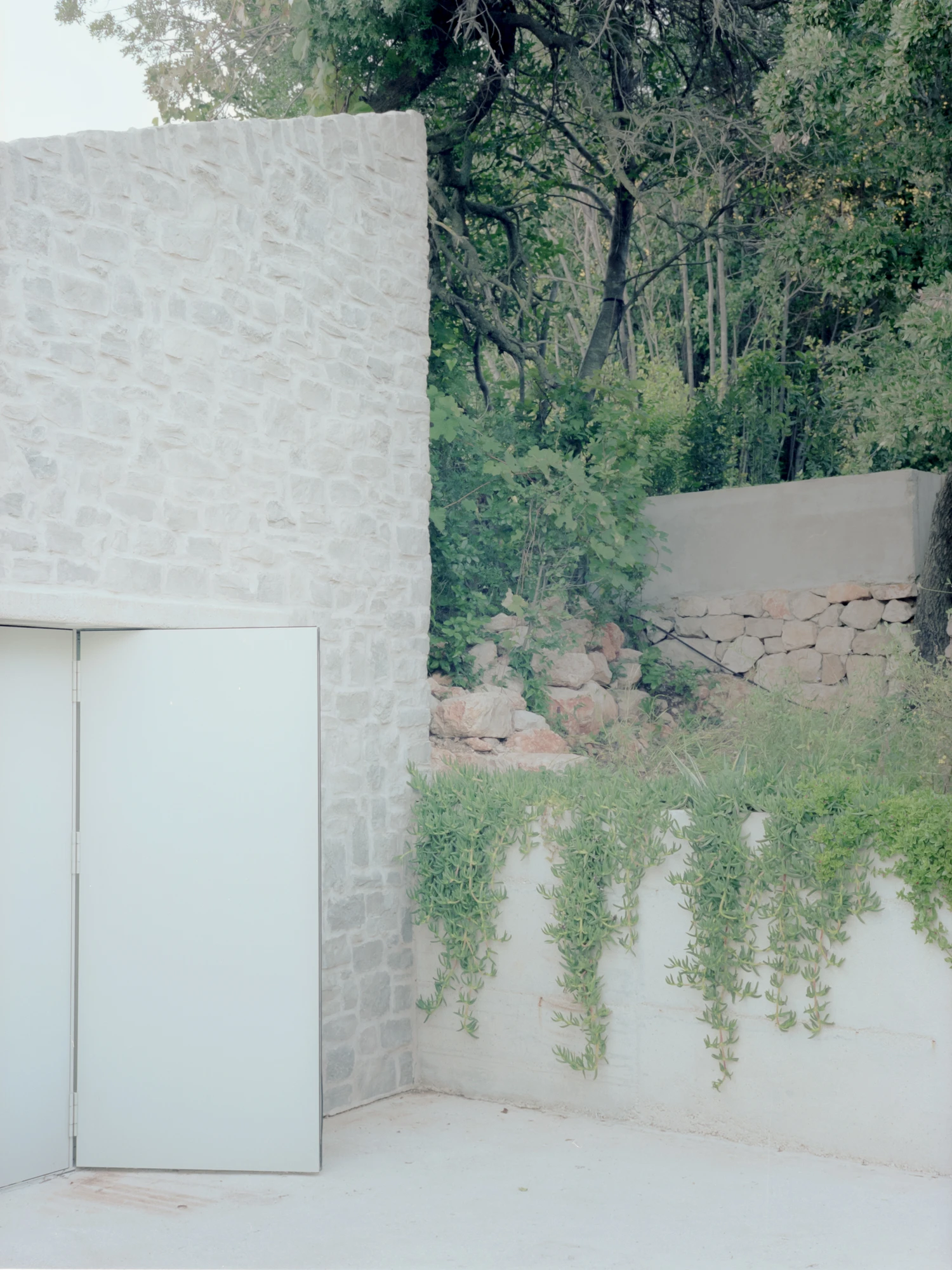
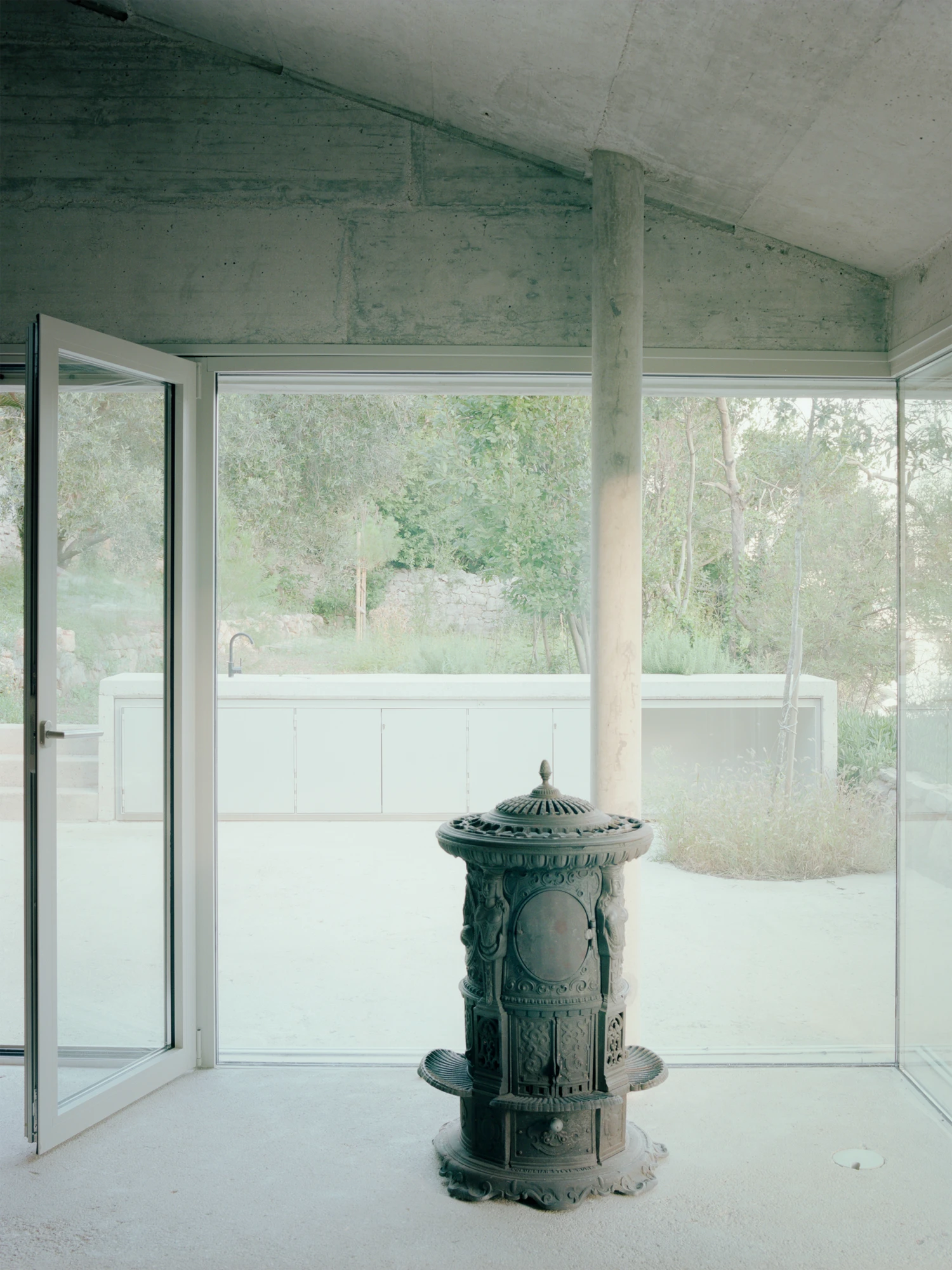
The Mediterranean climate guided every decision. Cross-ventilation moves through adjustable shutters, cooling the interior without mechanical assistance. Outdoor spaces—garden and terraces—function as primary living areas during the long warm season. The building operates less as sealed shelter than as a calibrated instrument for managing heat, light, and air.
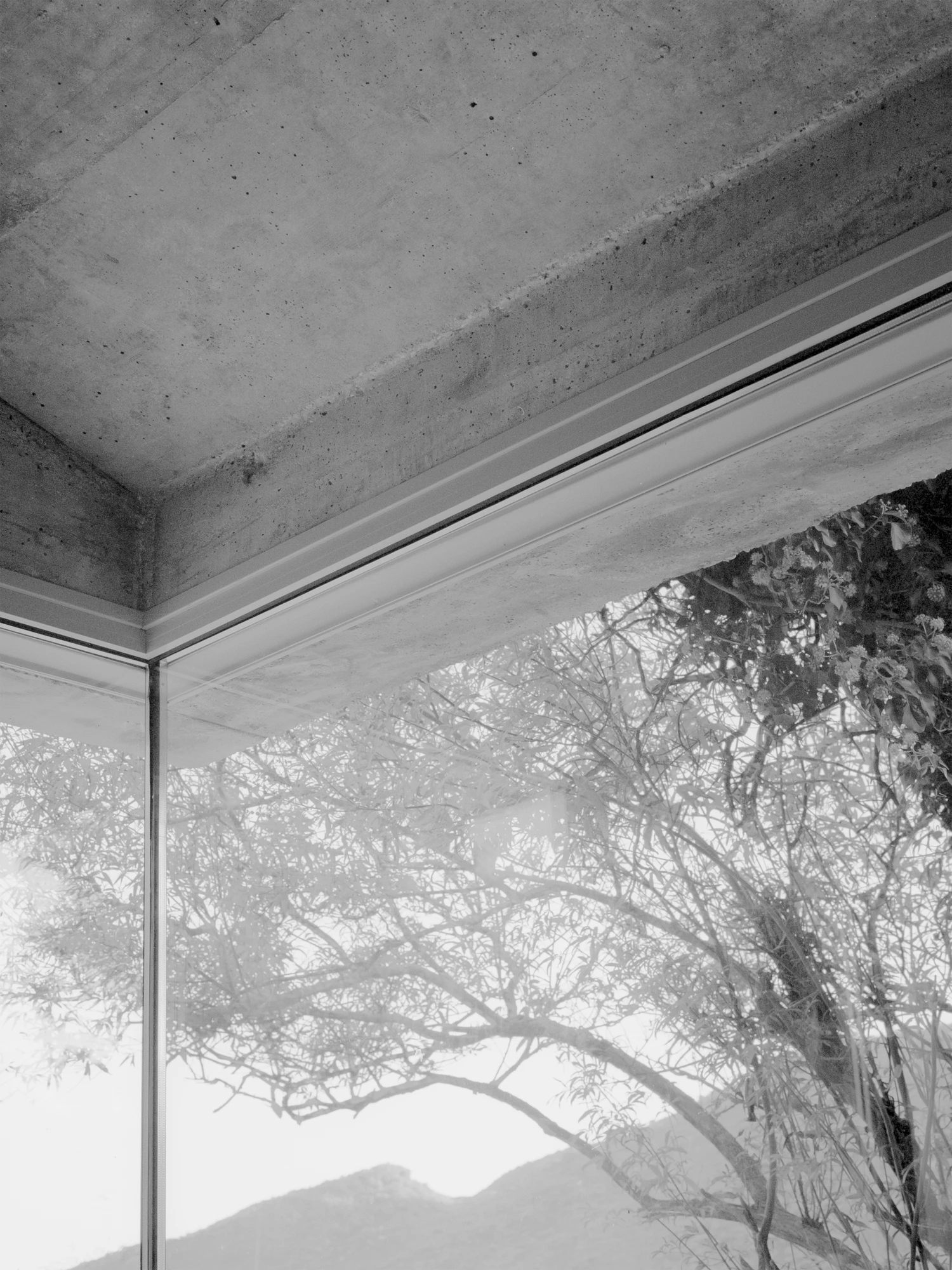
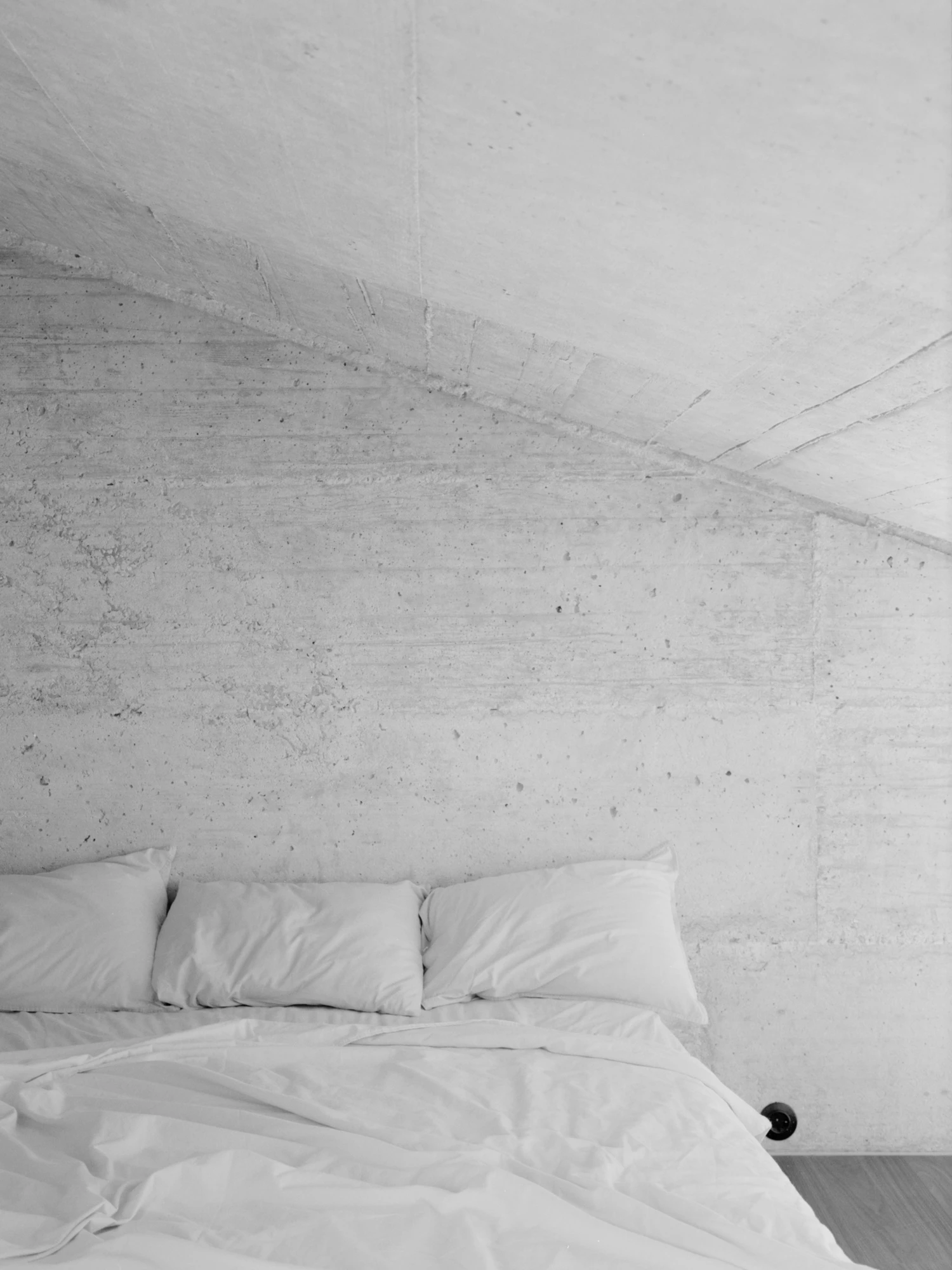
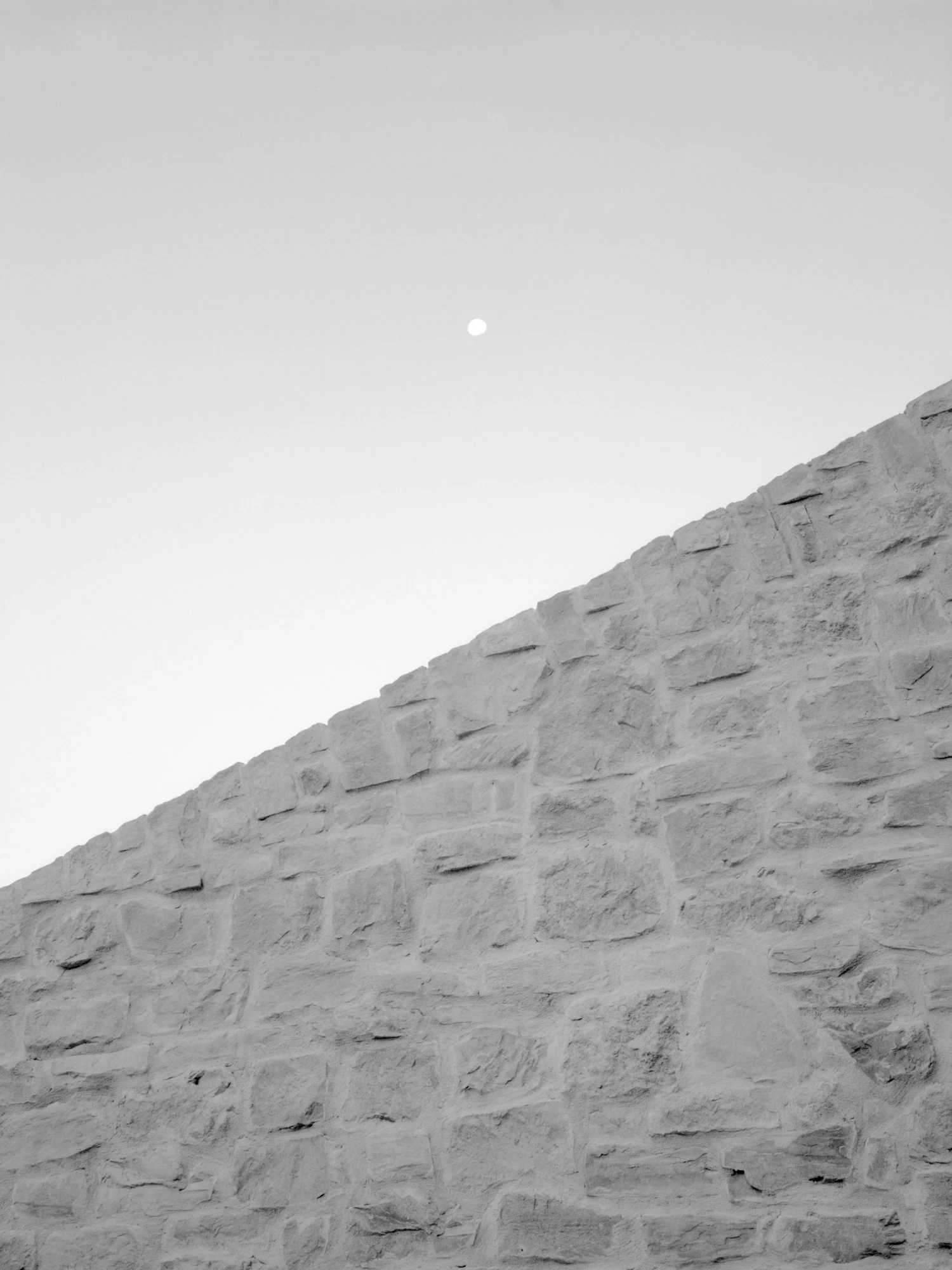
Material choices respond to the specific hostility of coastal conditions. Salt air and humidity attack conventional finishes; the architects selected surfaces that would weather gracefully rather than degrade. Stone and concrete predominate, their mass absorbing daytime heat and releasing it slowly through cool evenings. The palette echoes the surrounding landscape without mimicking it.
What emerges is architecture understood as maintenance rather than assertion. The pretpec tradition persists not through reproduction but through continued relevance—a way of cooking, eating, and gathering outdoors that makes sense here and nowhere else. In a region where too many buildings announce themselves, this one simply continues a conversation that began centuries ago.