Thisispaper Community
Join today.
Enter your email address to receive the latest news on emerging art, design, lifestyle and tech from Thisispaper, delivered straight to your inbox.
Oops! Something went wrong while submitting the form.
Instant access to new channels
The top stories curated daily
Weekly roundups of what's important
Original features and deep dives
Exclusive community features
Alexander Zaxarov
Feb 26, 2025

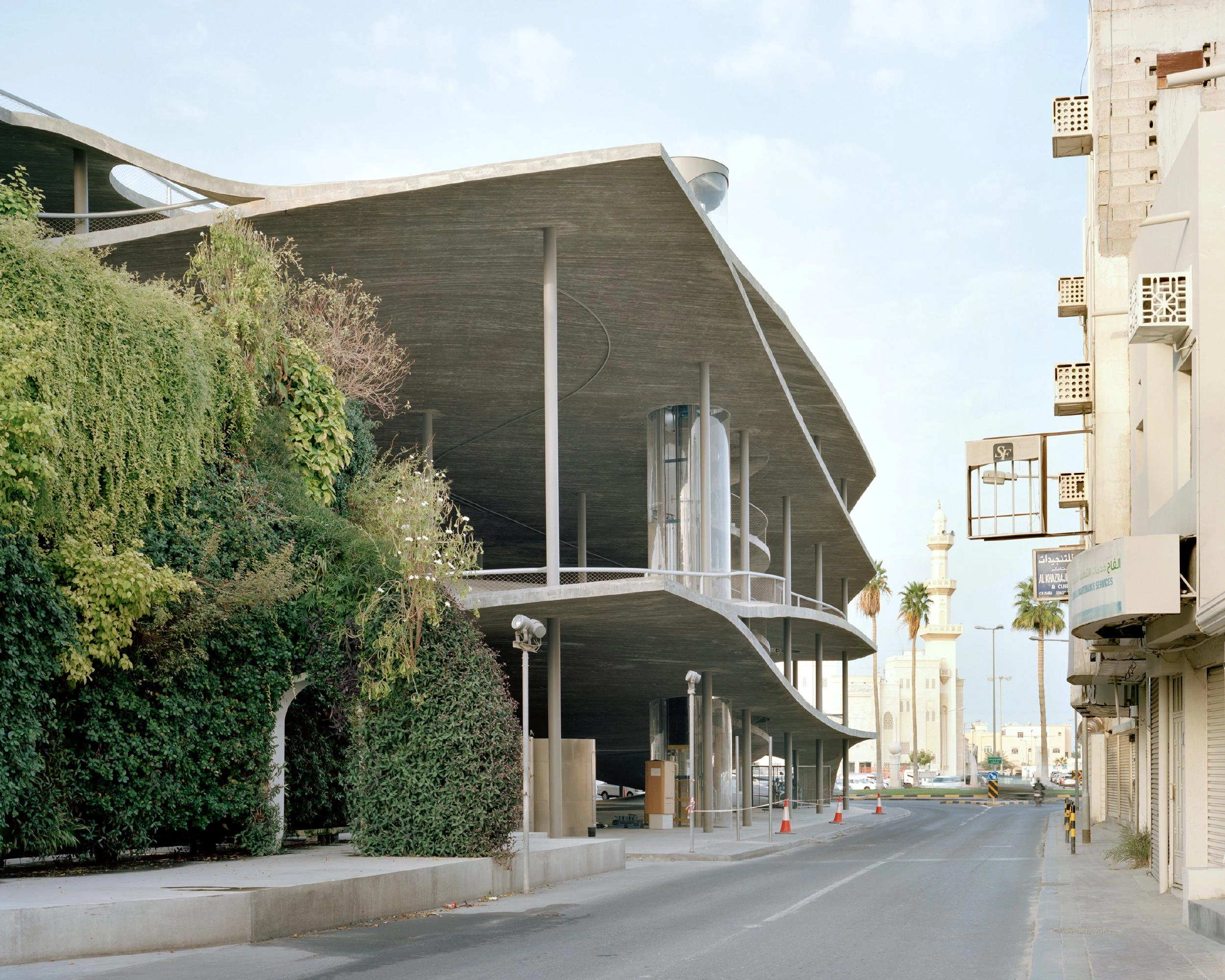
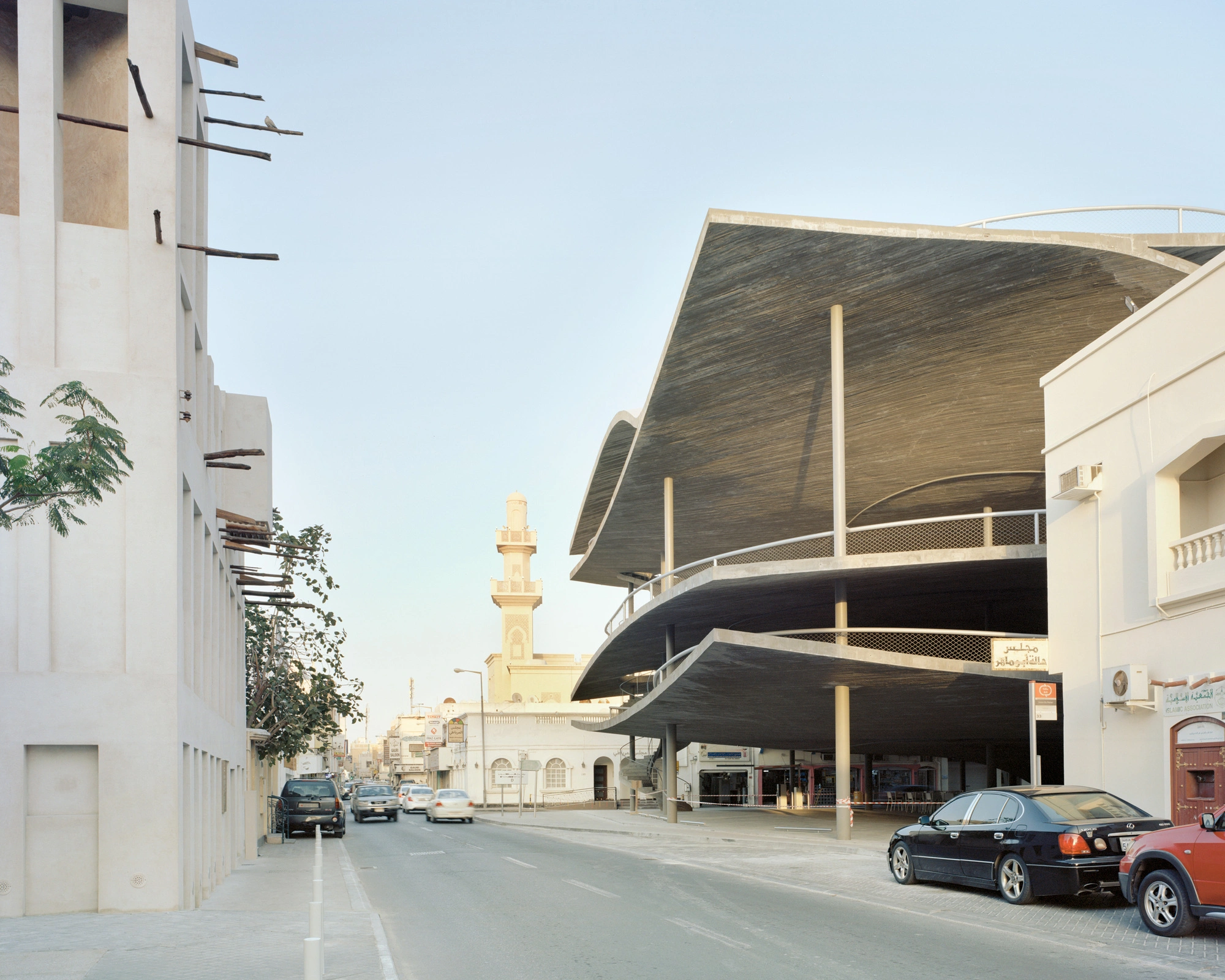
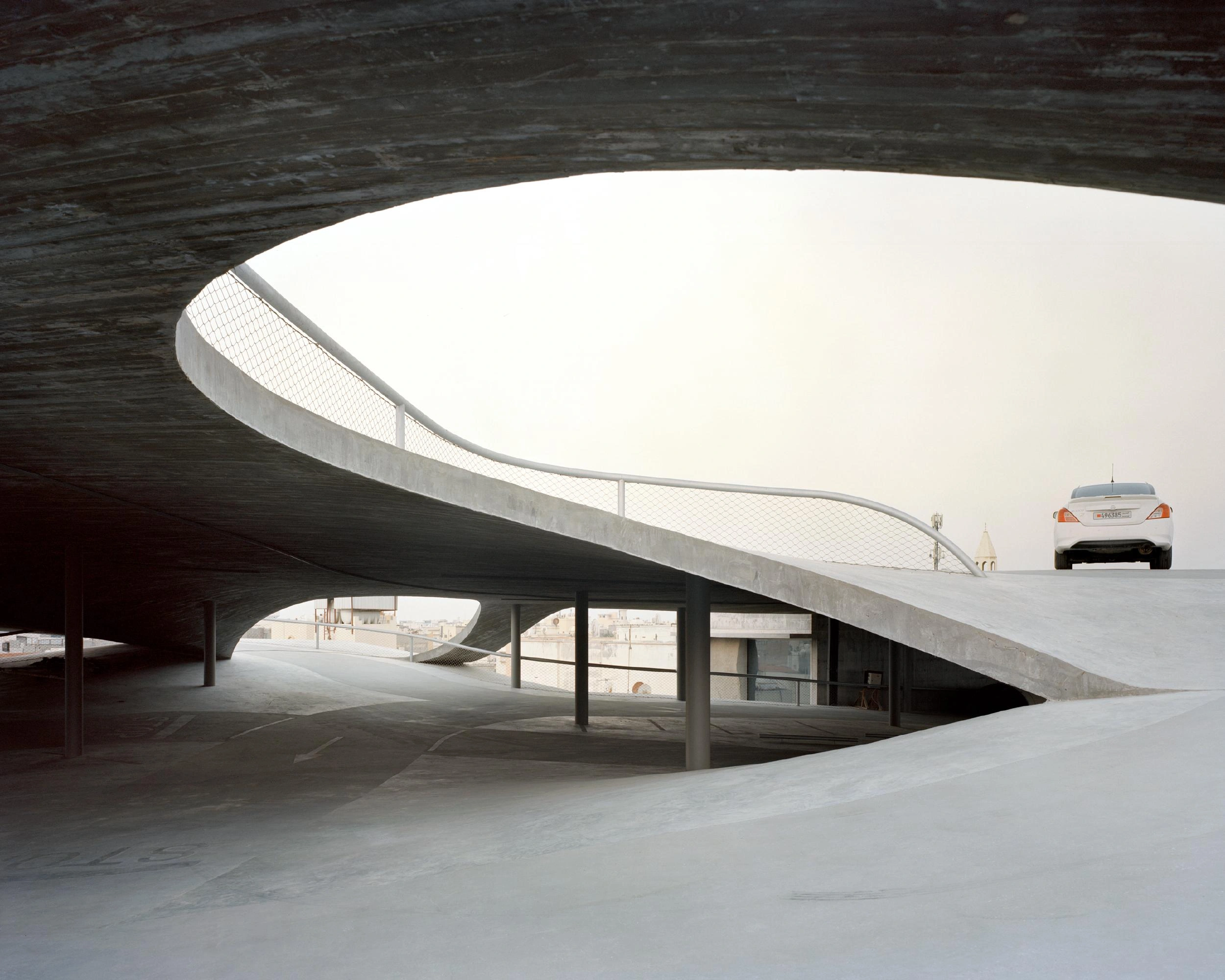
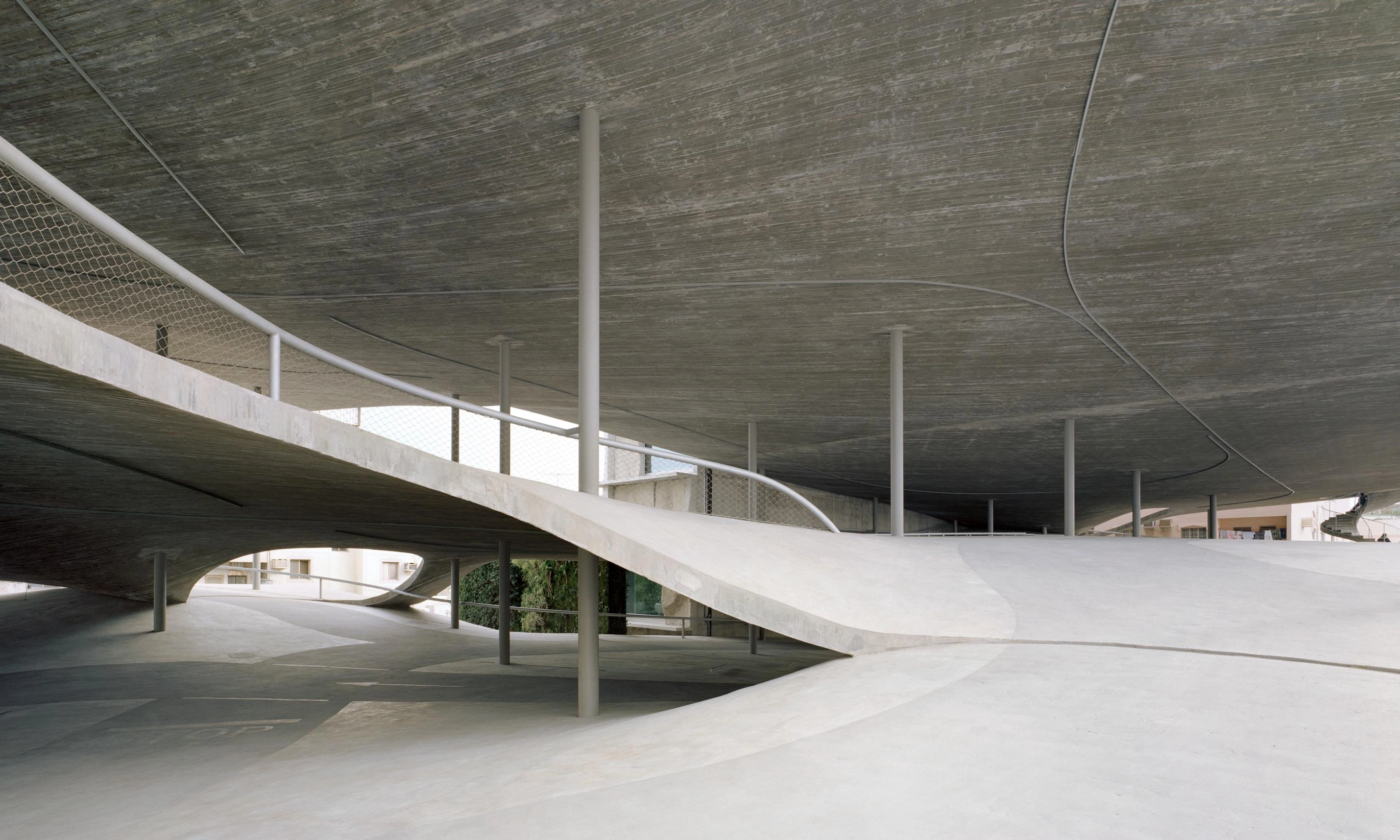
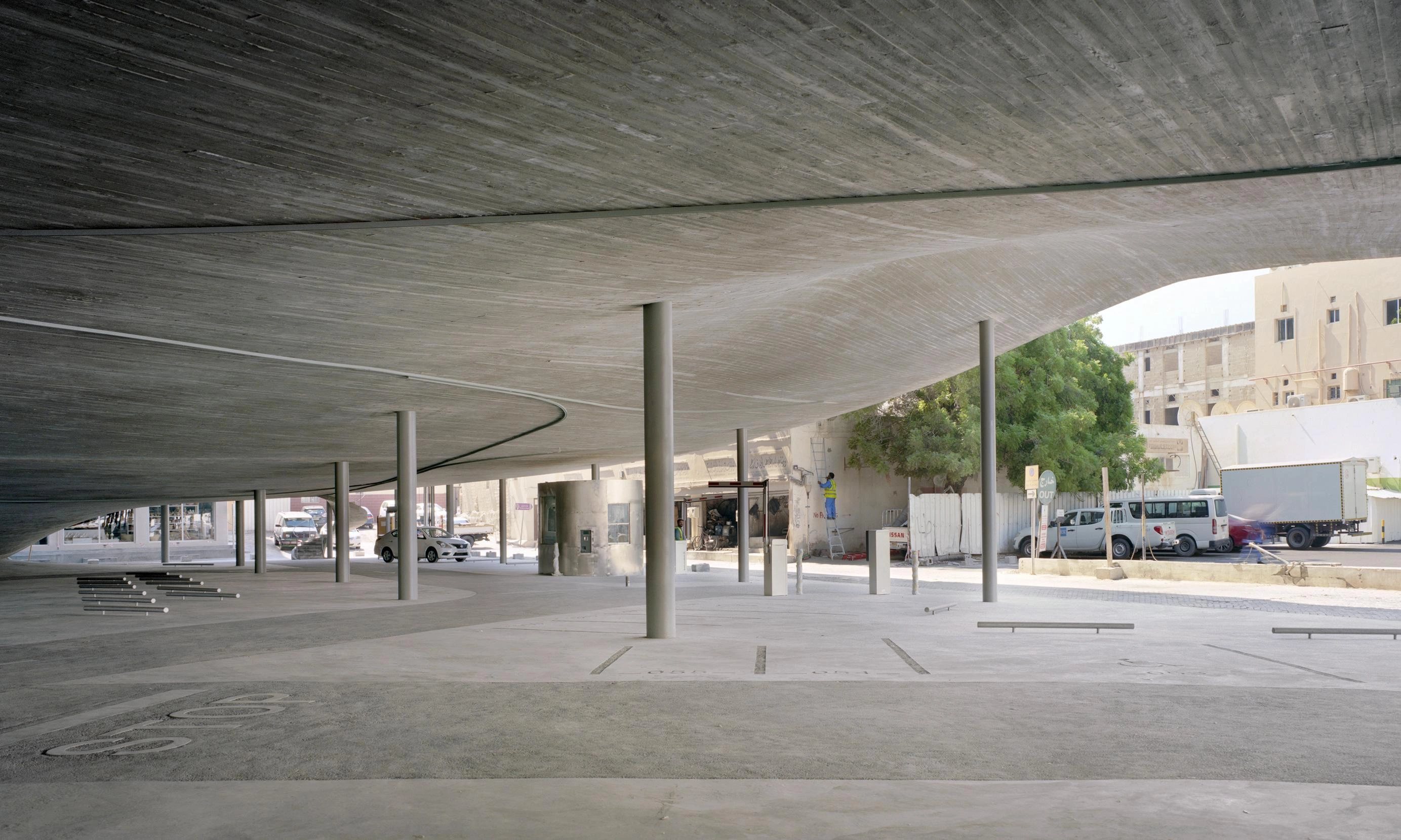
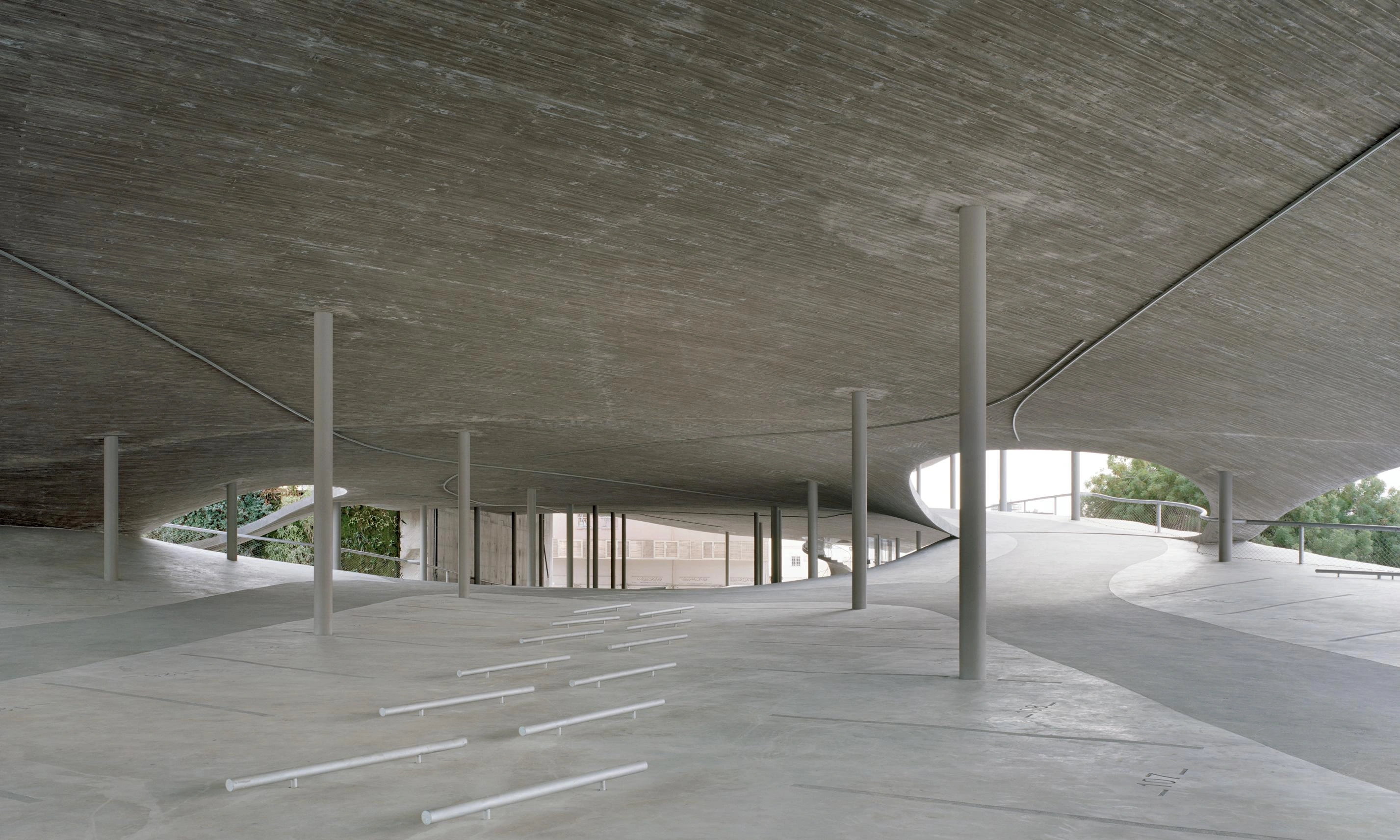
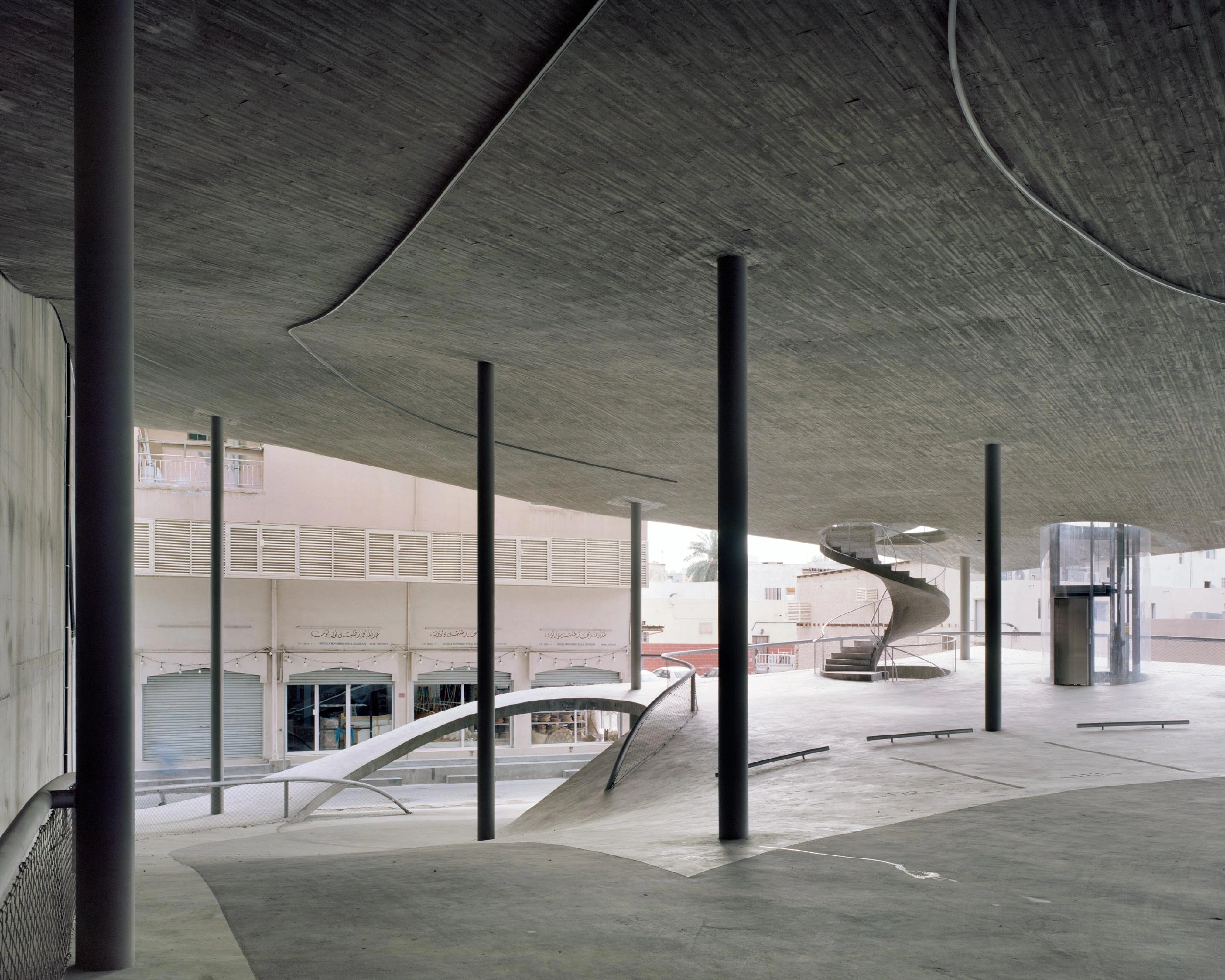
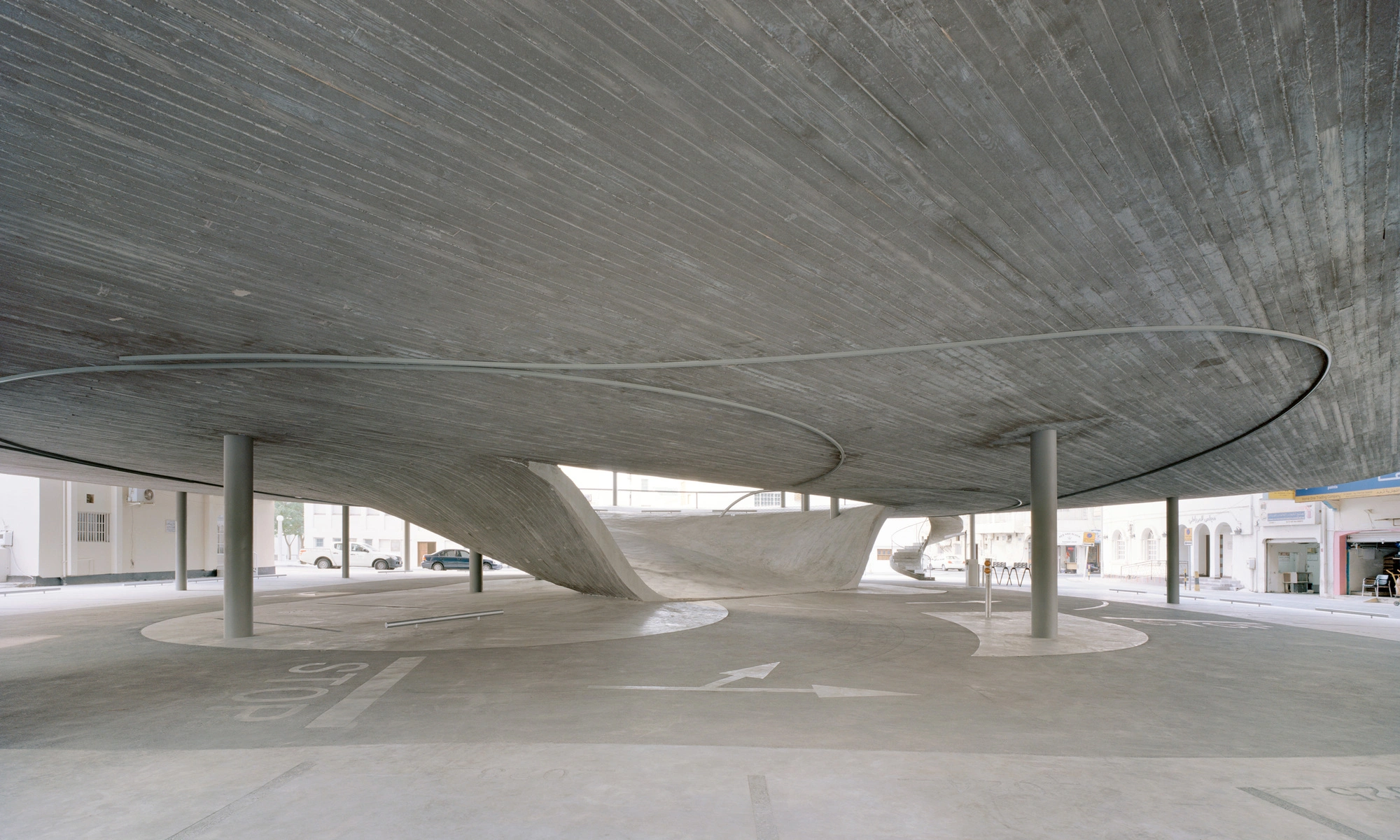
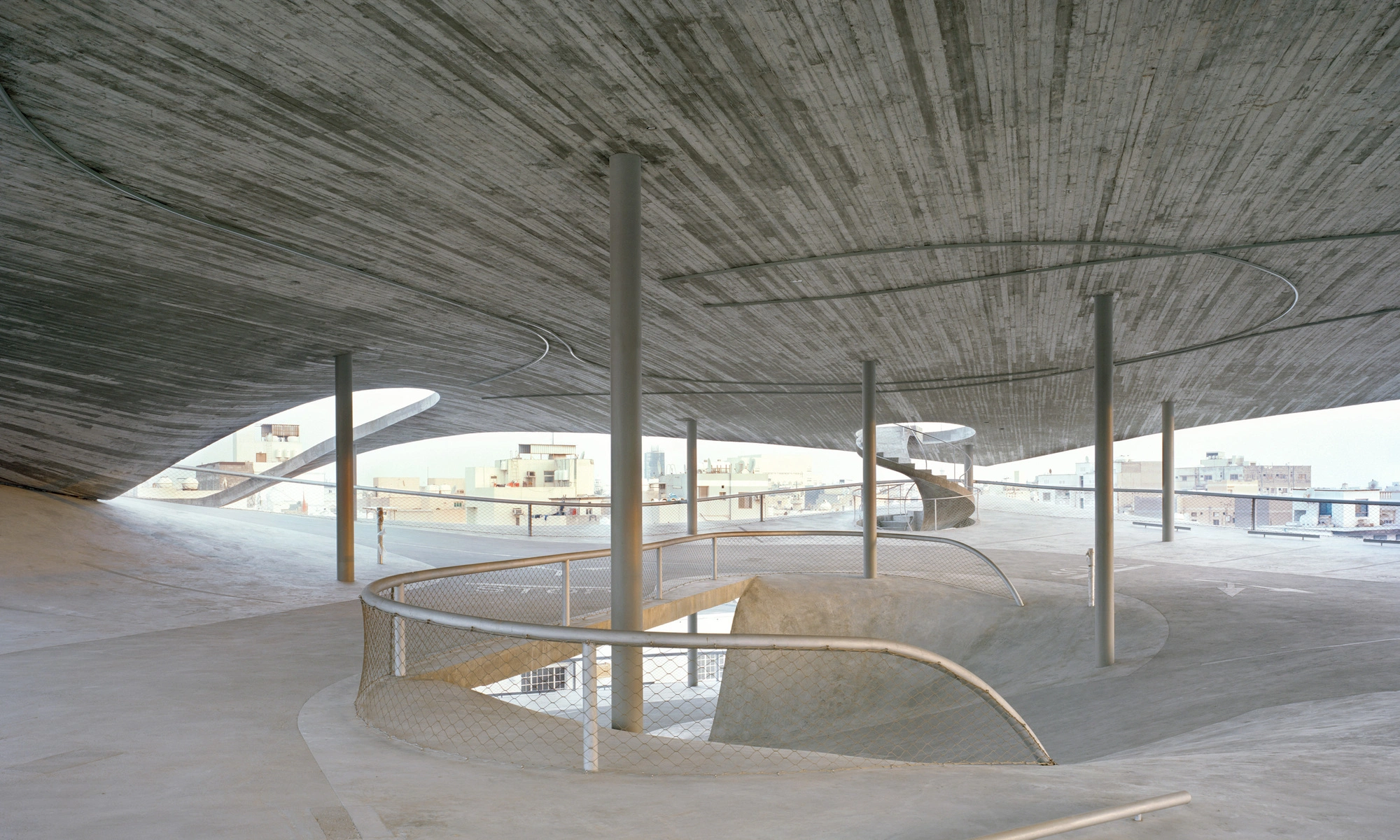
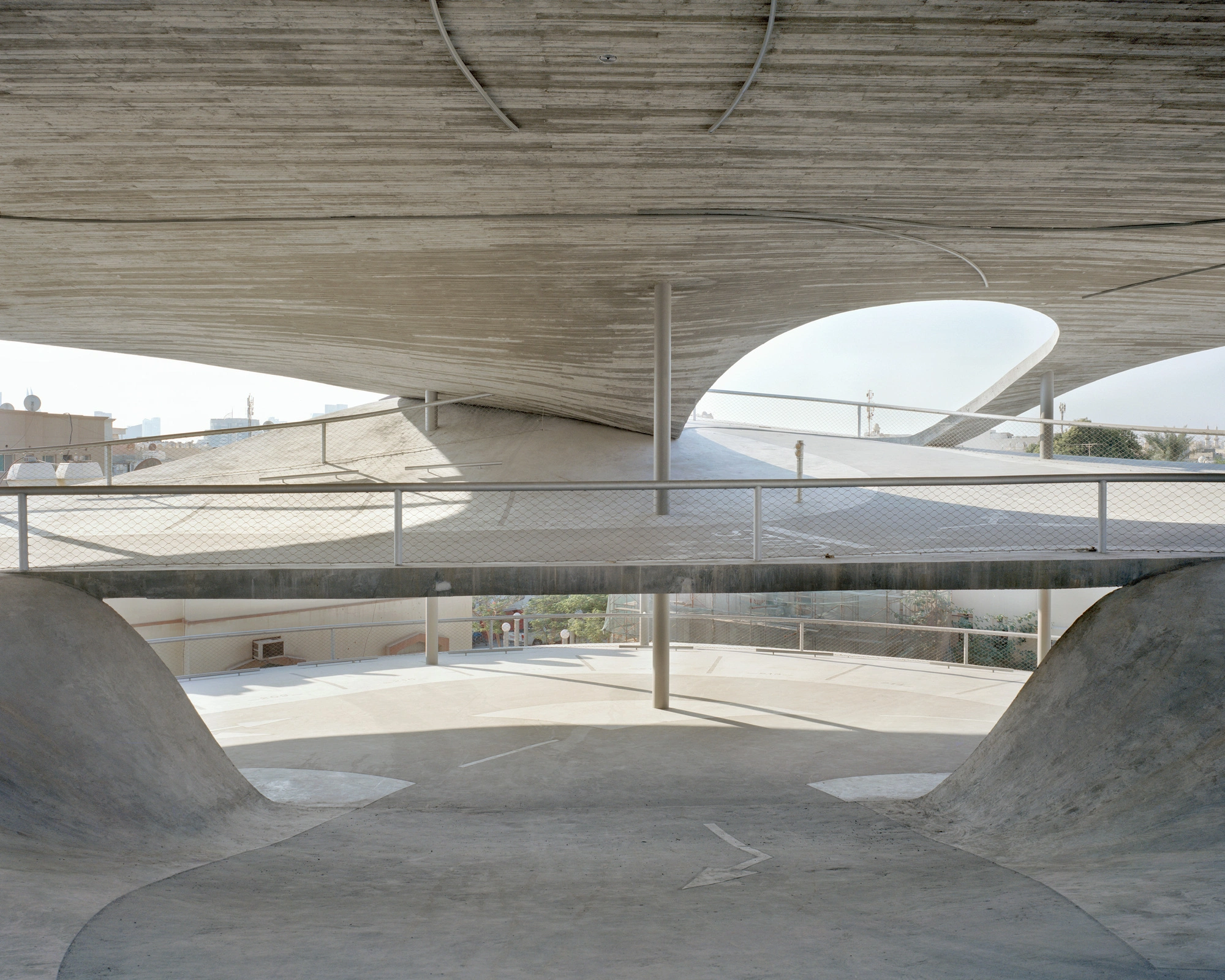
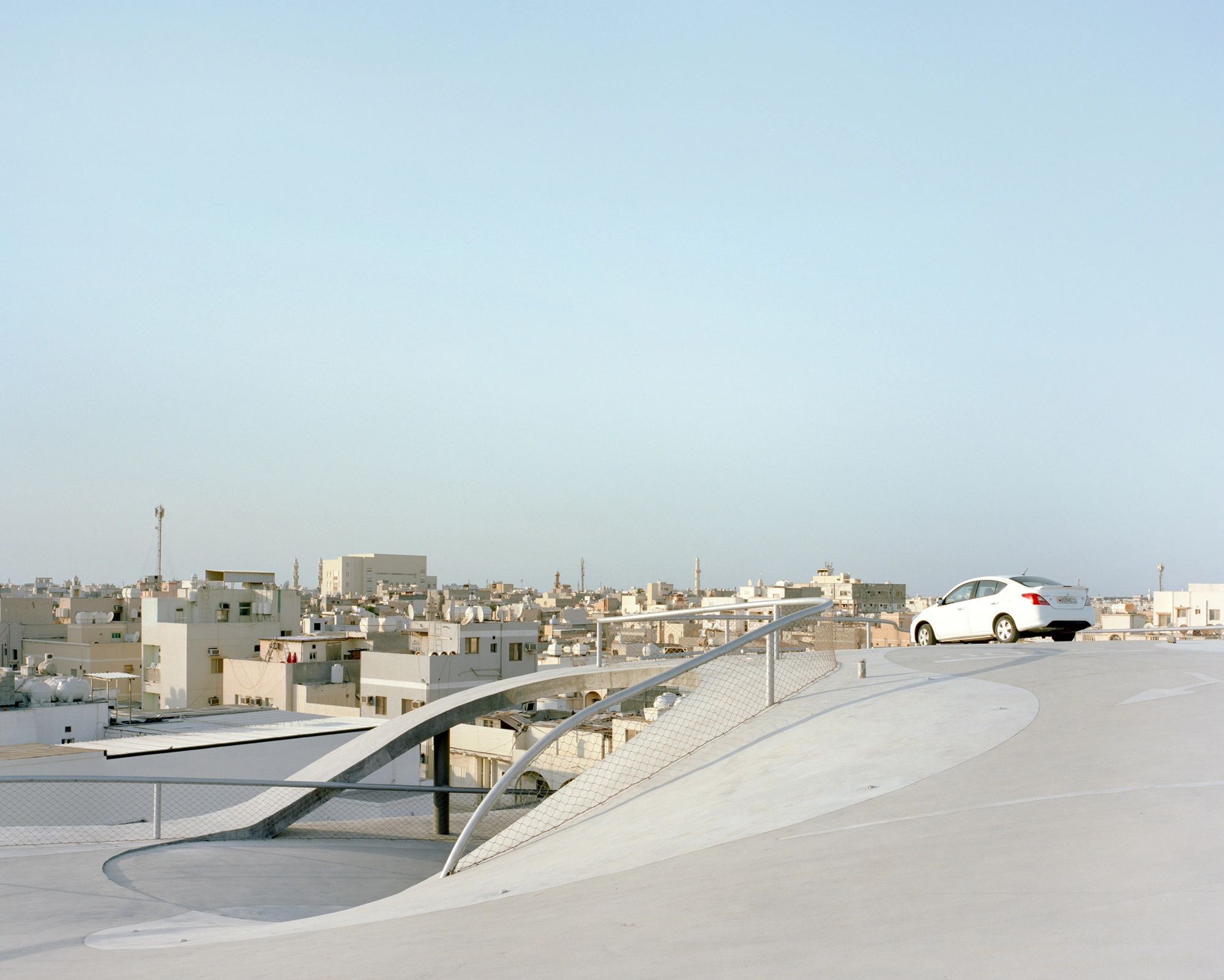
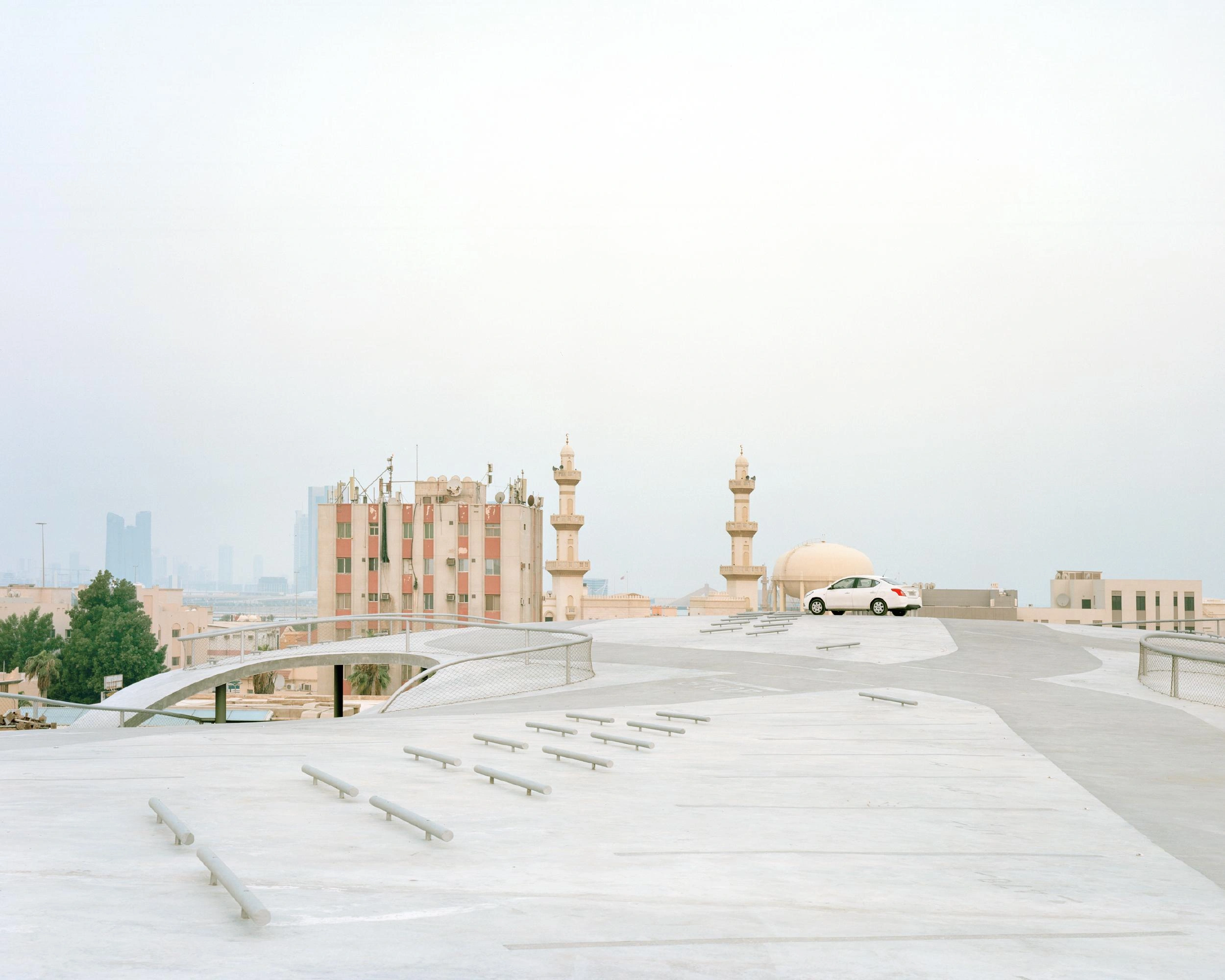
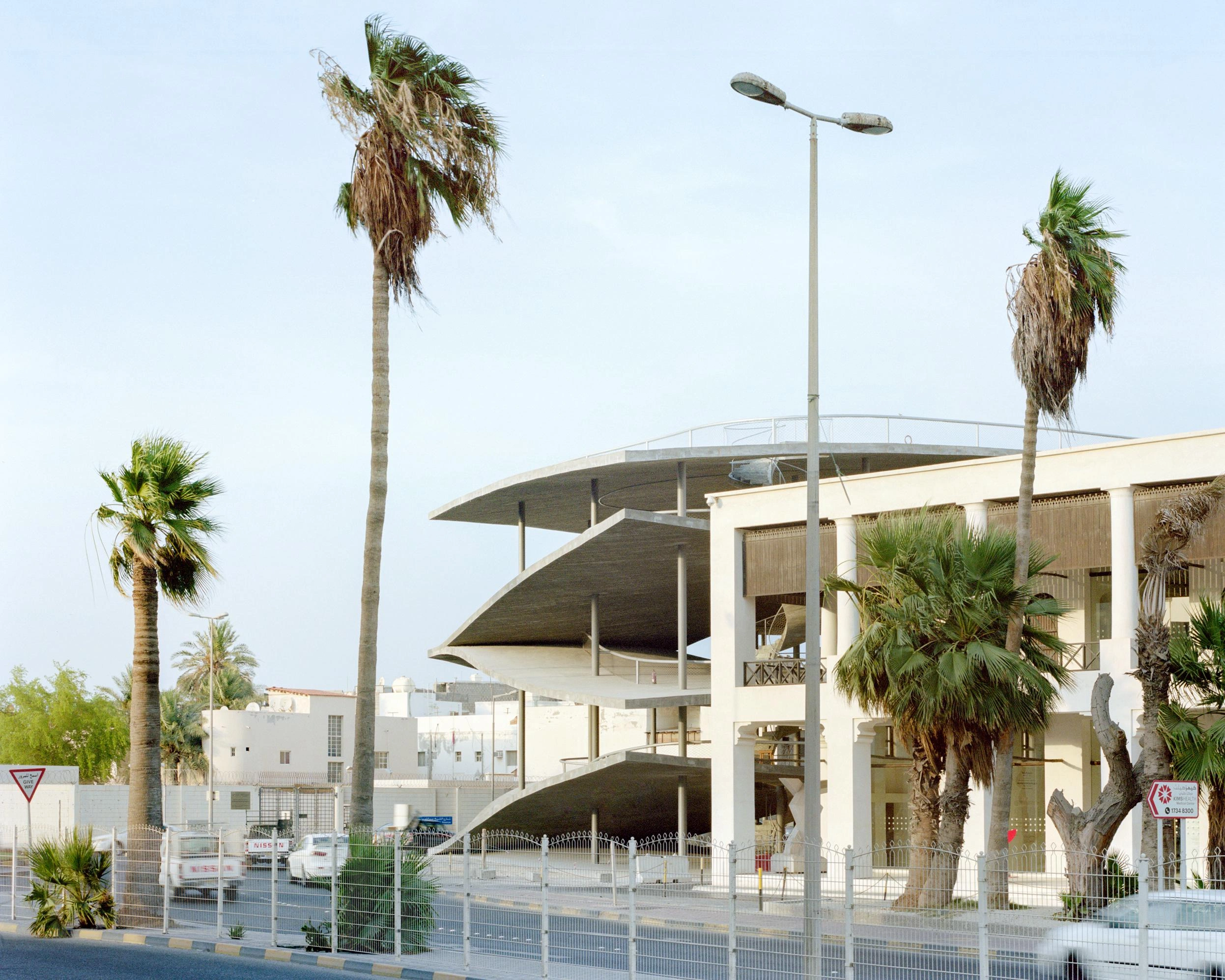
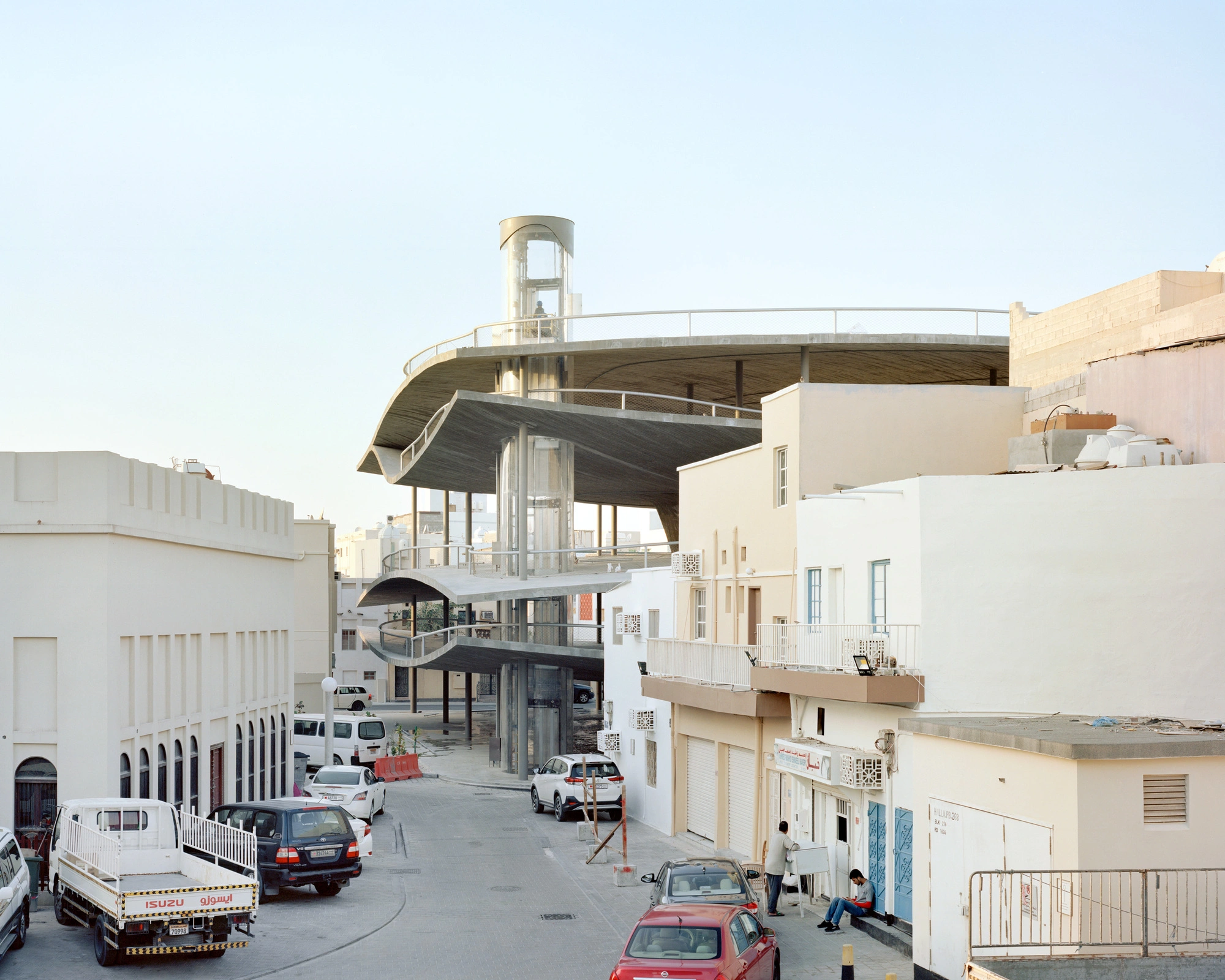
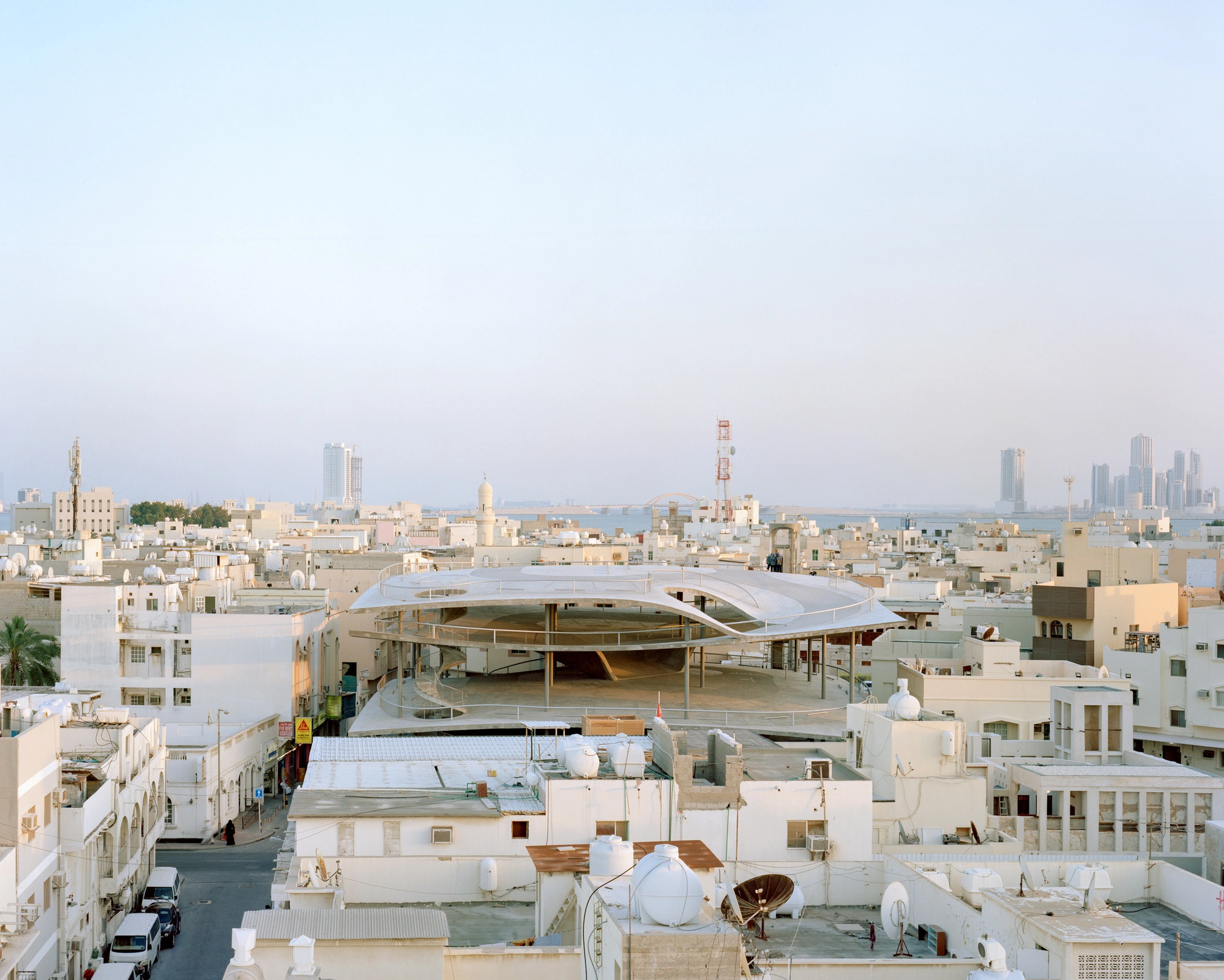
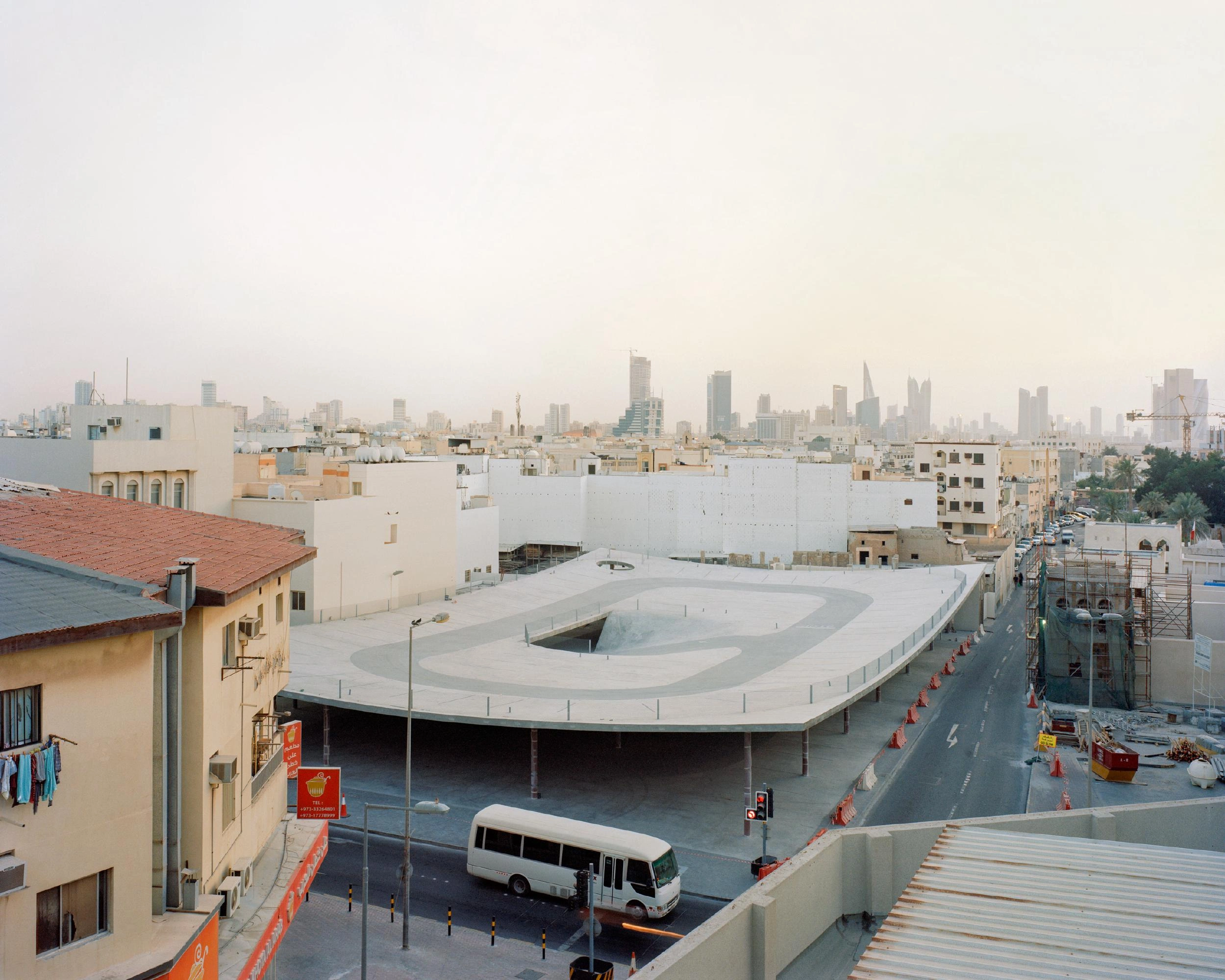
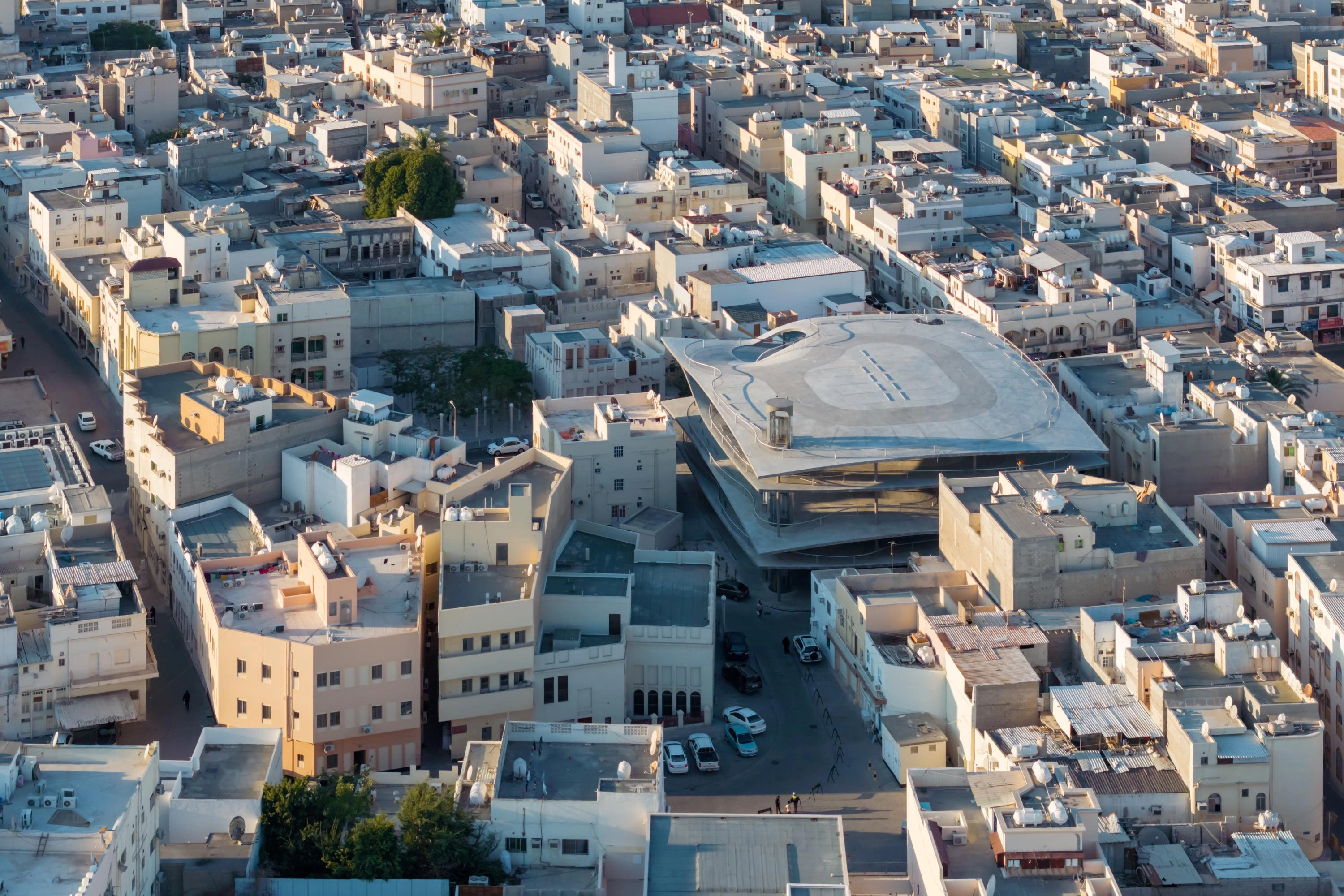
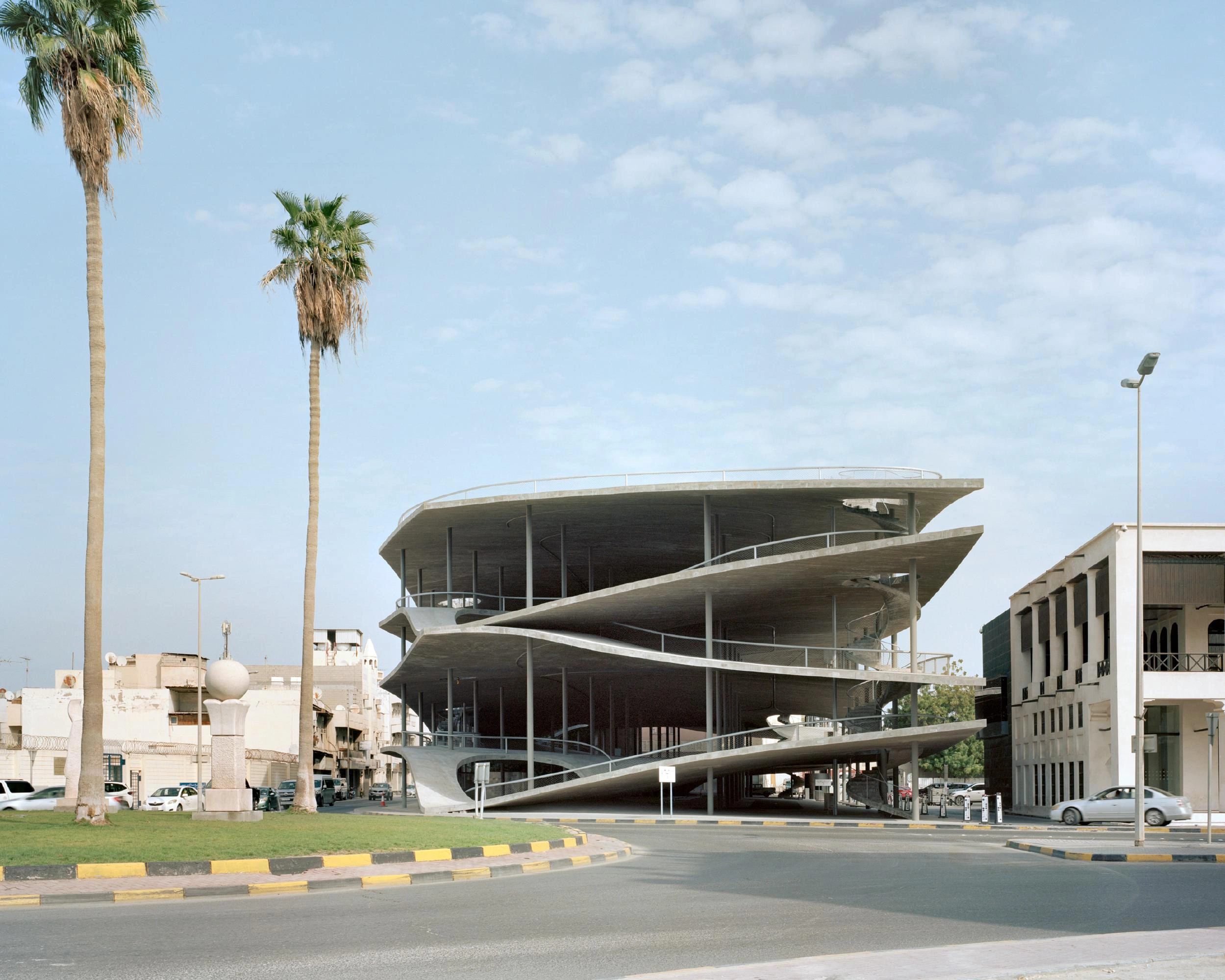
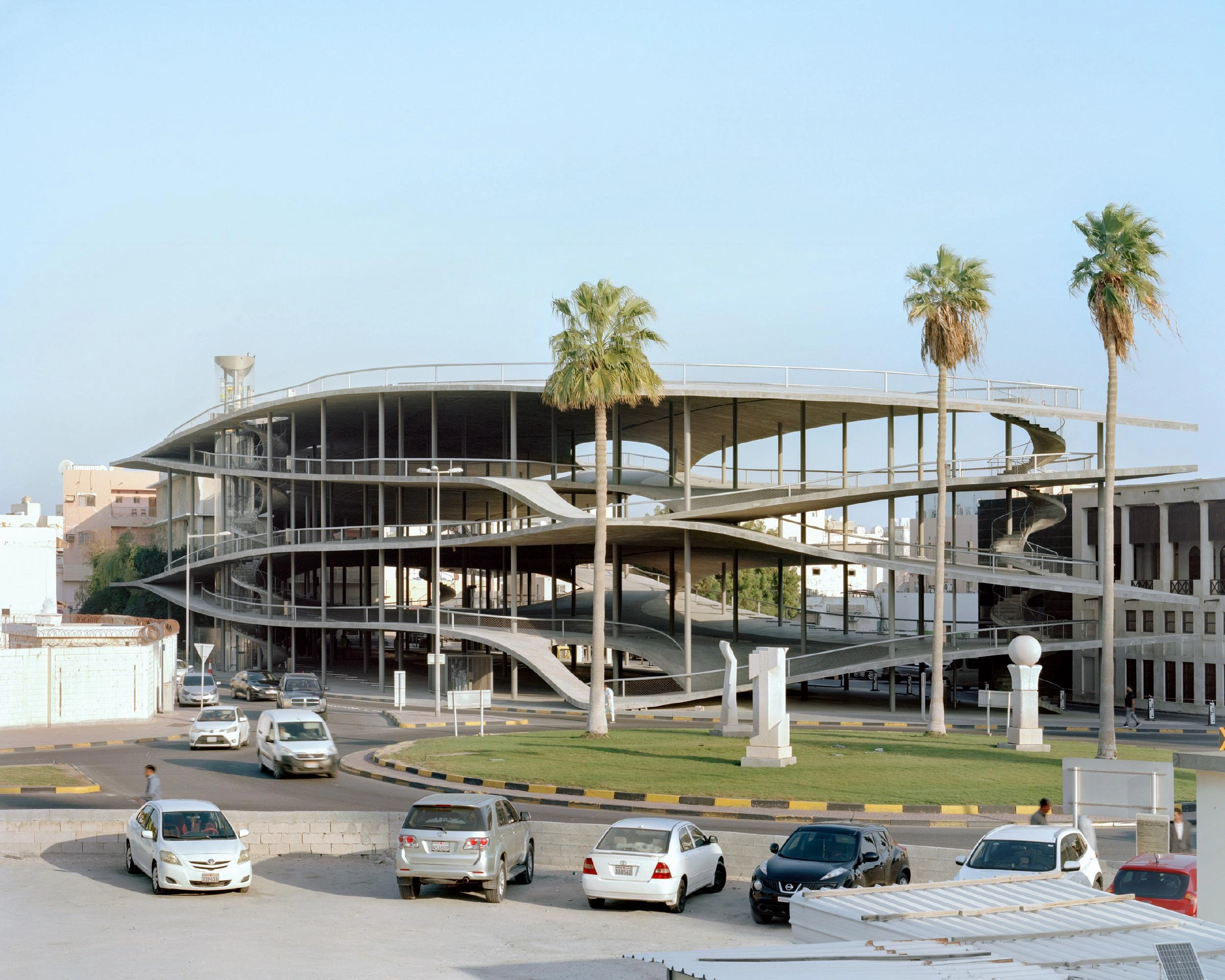
Christian Kerez’s four car parks in Muharraq, Bahrain transform infrastructure into dynamic public spaces, integrating historic urban fabric with radical structural design and reimagining the role of parking.

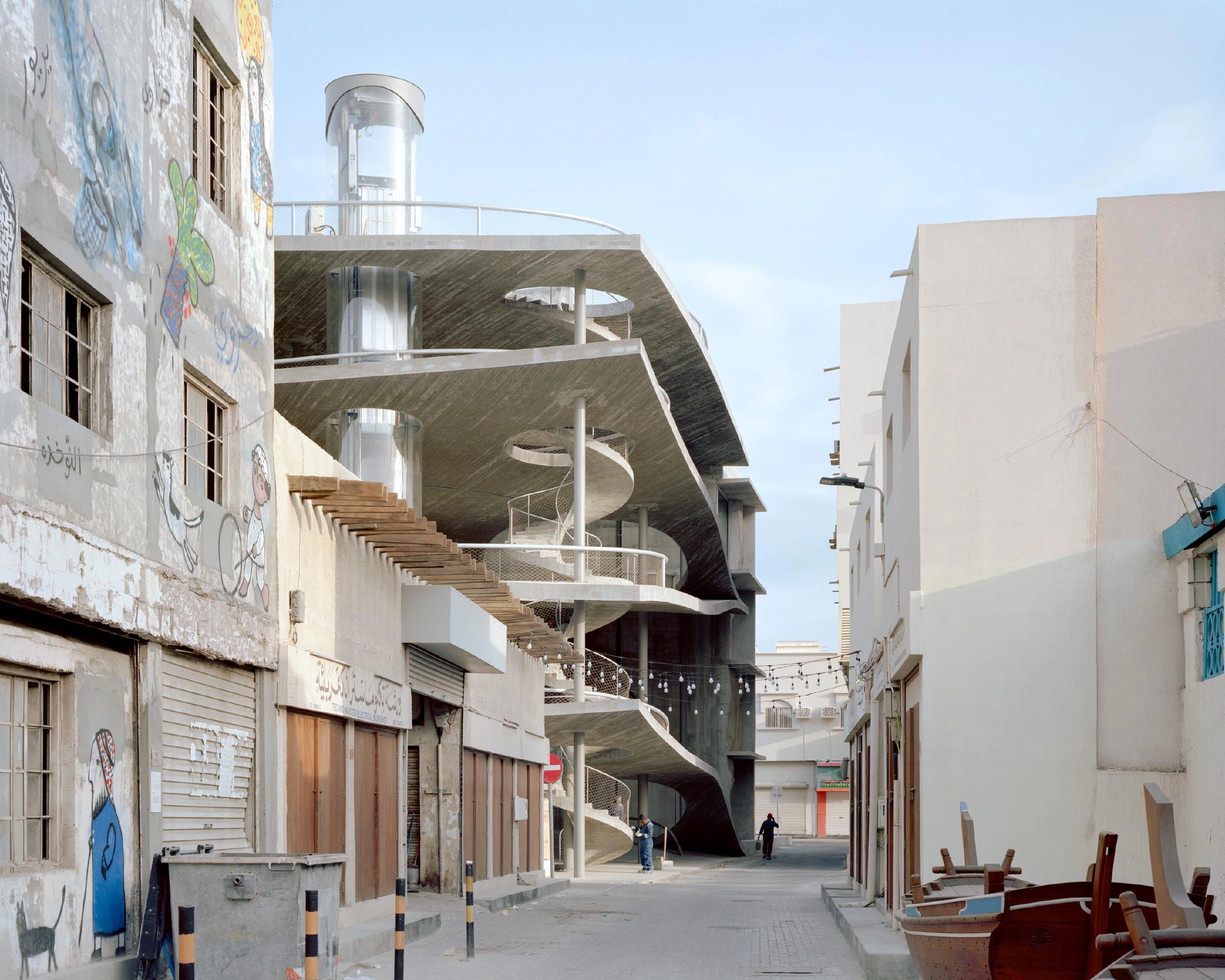
Conceived as part of the Pearl Path Project—an initiative that weaves historic preservation with contemporary interventions—these structures function not just as pragmatic solutions to urban congestion but as public spaces within the dense medieval fabric of the city. With their vast, open layouts and dynamic forms, the car parks add a new typology to Muharraq’s historic center, bridging the gap between necessity and architectural innovation.

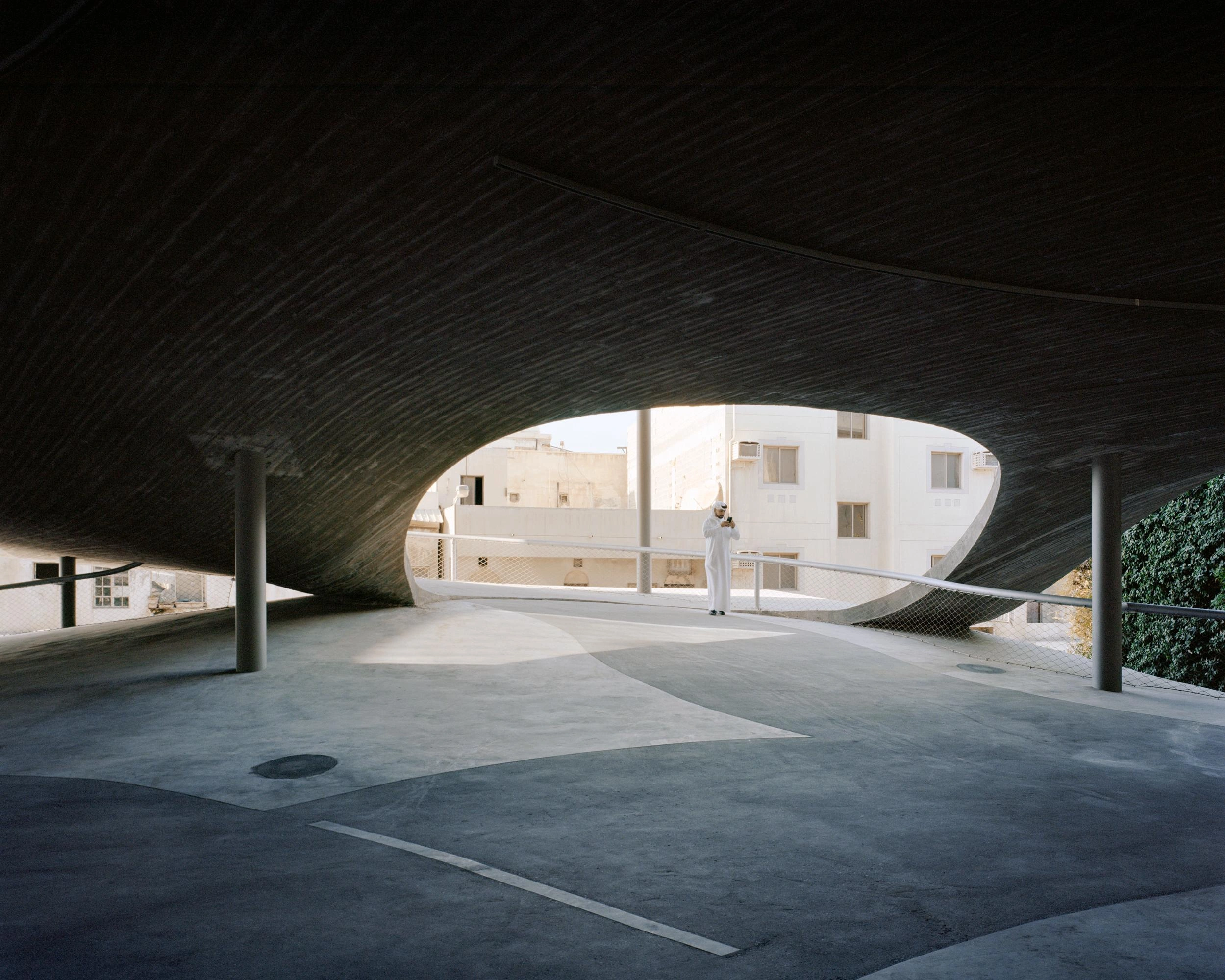
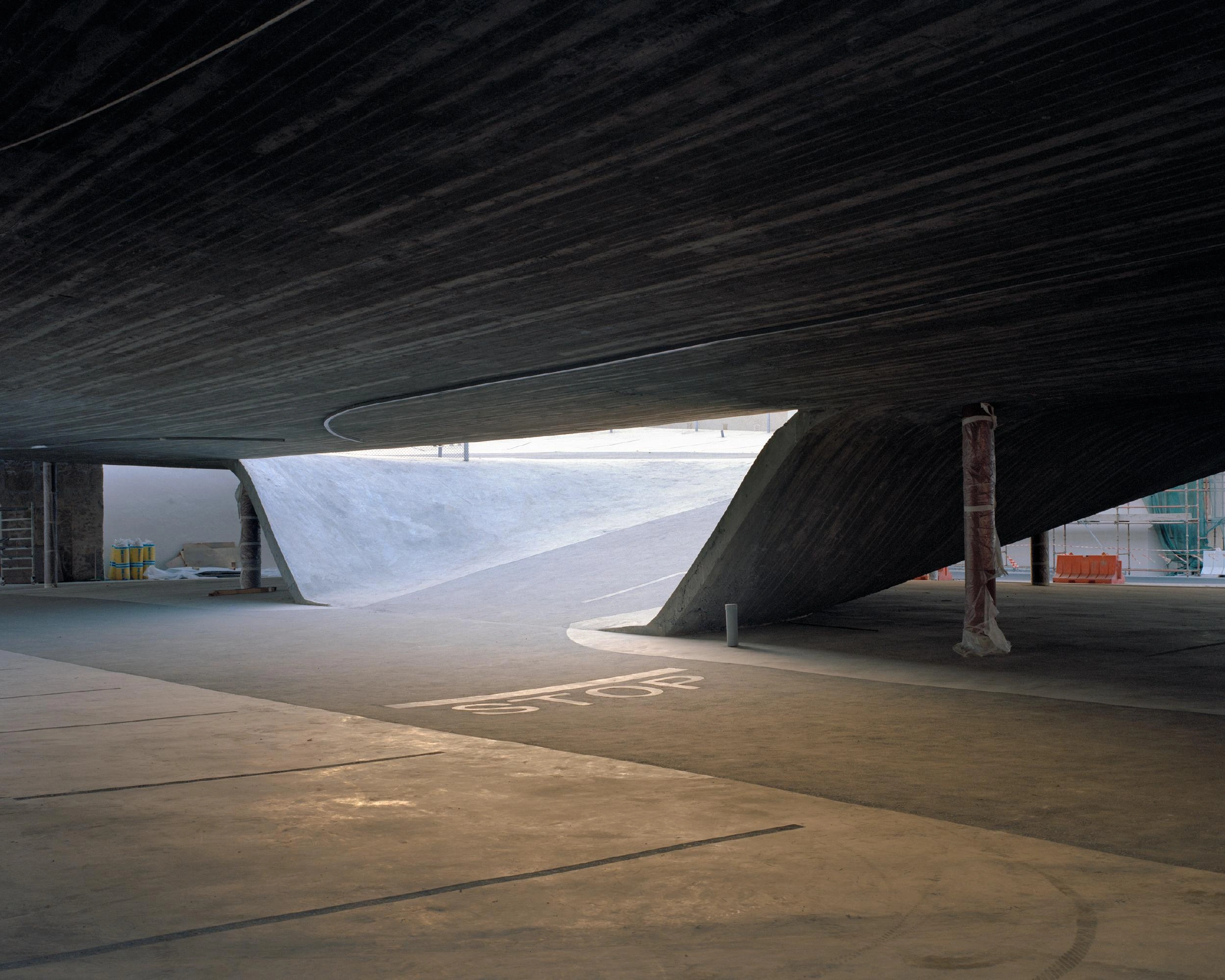
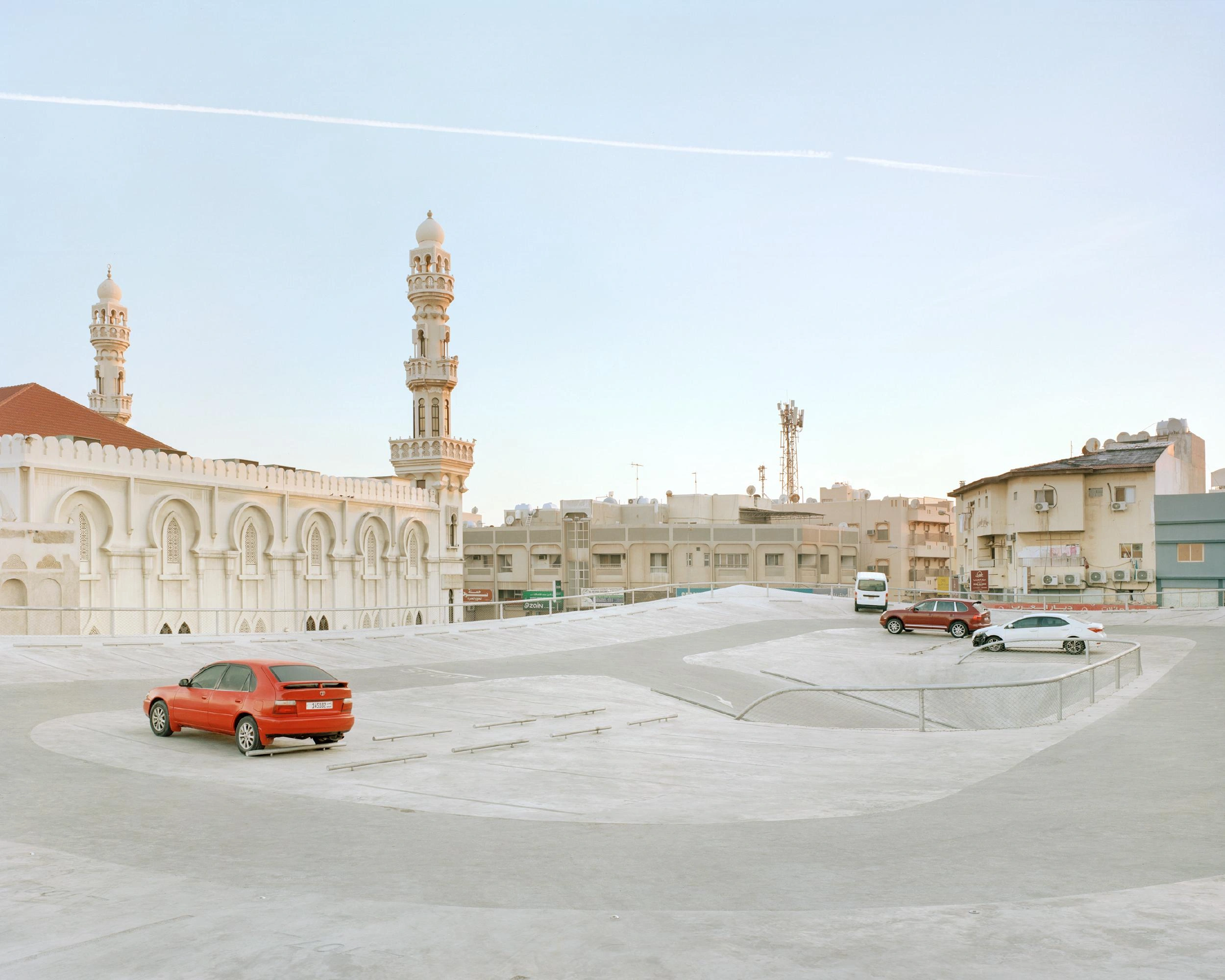
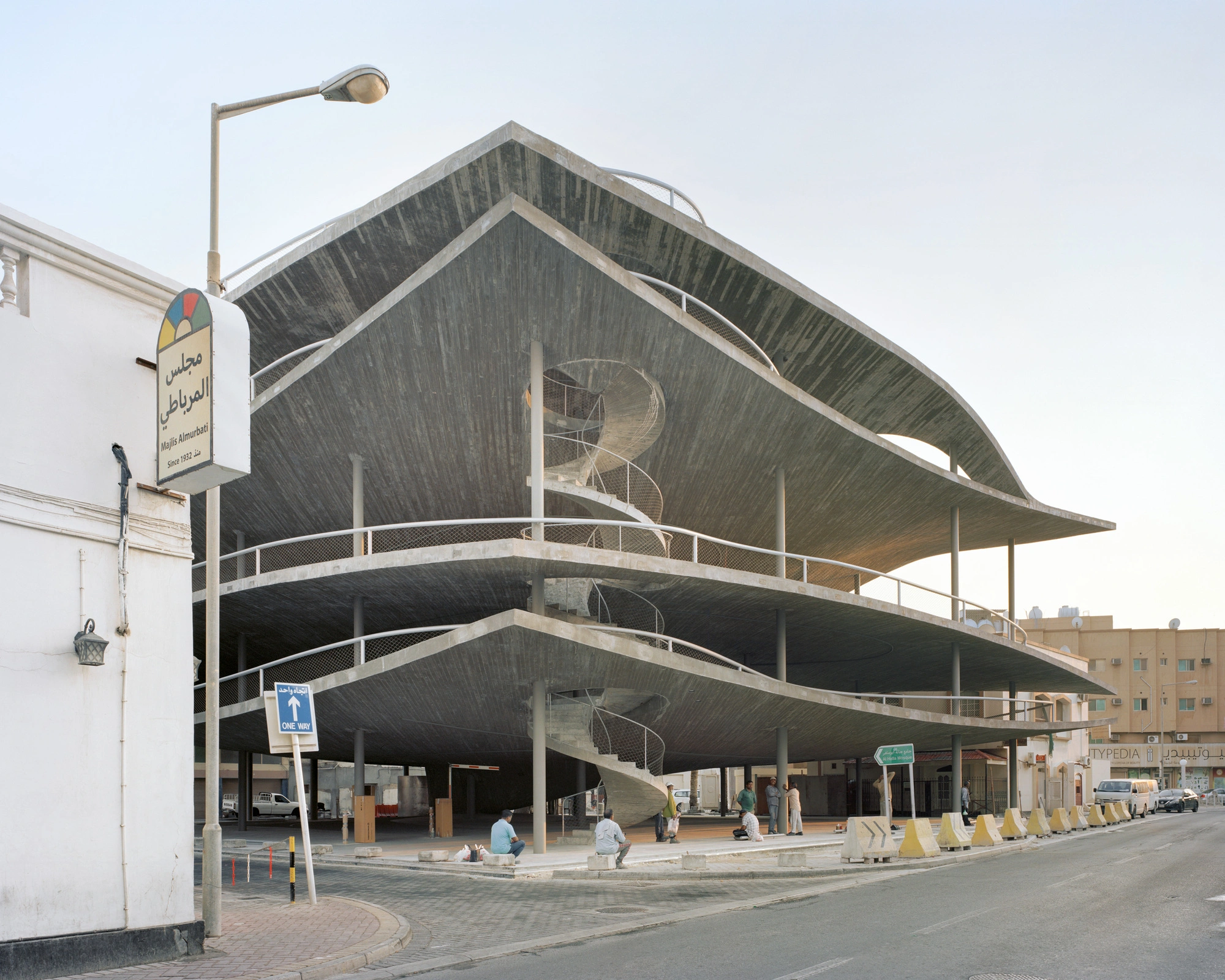
Each car park, while adhering to a shared conceptual framework, is uniquely adapted to its site. Plot A, the largest, unfolds as an unbroken vehicular journey around its 170-meter length, transforming movement into an architectural gesture. Plot C, in contrast, humbly integrates itself opposite the Palace of the Winds and a mosque, limiting itself to a single level out of deference to the historic surroundings. Across all four structures, Kerez employs a radical approach to load-bearing: slabs and columns are connected with bent steel plates, creating a structural choreography where slabs morph and slope, seamlessly merging circulation and space. The resulting geometry—a fusion of concave and convex forms—renders no two floors identical, ensuring that both pedestrian and vehicular movement are constantly redefined by the space itself.

Constructed with a balance of digital precision and traditional craftsmanship, the car parks required 75,000 individual section drawings, many of which were printed at a 1:1 scale for on-site fabrication. This interplay between computational scripting and the hands-on labor force common in Middle Eastern construction highlights the project’s dual nature—simultaneously a work of digital engineering and a testament to human adaptability. More than mere parking facilities, these structures become social condensers, offering shaded public realms that accommodate everything from market gatherings to moments of quiet contemplation. In Kerez’s vision, infrastructure is no longer just background; it becomes an active participant in urban life.
Interested in Showcasing Your Work?

If you would like to feature your works on Thisispaper, please visit our Submission page and sign up to Thisispaper+ to submit your work. Once your submission is approved, your work will be showcased to our global audience of 2 million art, architecture, and design professionals and enthusiasts.
No items found.
We love less
but there is more.
Become a Thisispaper+ member today to unlock full access to our magazine, advanced tools, and support our work.
Get two months FREE
with annual subscription
We love less
but there is more.
Become a Thisispaper+ member today to unlock full access to our magazine, advanced tools, and support our work.
Get two months FREE
with annual subscription
No items found.
Alexander Zaxarov
Feb 26, 2025

Christian Kerez’s four car parks in Muharraq, Bahrain transform infrastructure into dynamic public spaces, integrating historic urban fabric with radical structural design and reimagining the role of parking.

Conceived as part of the Pearl Path Project—an initiative that weaves historic preservation with contemporary interventions—these structures function not just as pragmatic solutions to urban congestion but as public spaces within the dense medieval fabric of the city. With their vast, open layouts and dynamic forms, the car parks add a new typology to Muharraq’s historic center, bridging the gap between necessity and architectural innovation.

Each car park, while adhering to a shared conceptual framework, is uniquely adapted to its site. Plot A, the largest, unfolds as an unbroken vehicular journey around its 170-meter length, transforming movement into an architectural gesture. Plot C, in contrast, humbly integrates itself opposite the Palace of the Winds and a mosque, limiting itself to a single level out of deference to the historic surroundings. Across all four structures, Kerez employs a radical approach to load-bearing: slabs and columns are connected with bent steel plates, creating a structural choreography where slabs morph and slope, seamlessly merging circulation and space. The resulting geometry—a fusion of concave and convex forms—renders no two floors identical, ensuring that both pedestrian and vehicular movement are constantly redefined by the space itself.

Constructed with a balance of digital precision and traditional craftsmanship, the car parks required 75,000 individual section drawings, many of which were printed at a 1:1 scale for on-site fabrication. This interplay between computational scripting and the hands-on labor force common in Middle Eastern construction highlights the project’s dual nature—simultaneously a work of digital engineering and a testament to human adaptability. More than mere parking facilities, these structures become social condensers, offering shaded public realms that accommodate everything from market gatherings to moments of quiet contemplation. In Kerez’s vision, infrastructure is no longer just background; it becomes an active participant in urban life.
Interested in Showcasing Your Work?

If you would like to feature your works on Thisispaper, please visit our Submission page and subscribe to Thisispaper+. Once your submission is approved, your work will be showcased to our global audience of 2 million art, architecture, and design professionals and enthusiasts.
Thisispaper+
Concrete Stories
100+ Projects
Web Access
Link to Maps
Architecture built in concrete — from brutalist cultural centres to minimal houses, exposed formwork churches to polished residential interiors. Projects where concrete is not hidden behind cladding but celebrated as the primary material: its texture, its weight, its capacity to hold light. A growing collection.
Explore
Concrete Stories

Join Thisispaper+
Unlock access to 2500 stories, curated guides + editions, and share your work with a global network of architects, artists, writers and designers who are shaping the future.
Get two months FREE
with annual subscription
Travel Guides
Immerse yourself in timeless destinations, hidden gems, and creative spaces—curated by humans, not algorithms.
Explore All Guides +
Submission Module
Submit your project and gain the chance to showcase your work to our worldwide audience of over 2M architects, designers, artists, and curious minds.
Learn More+
Curated Editions
Dive deeper into carefully curated editions, designed to feed your curiosity and foster exploration.
Off-the-Grid
Jutaku
Sacral Journey
minimum
The New Chair
Explore All Editions +
Atlas
A new and interactive way to explore the most inspiring places around the world.
Interactive map
Linked to articles
300+ curated locations
Google + Apple directions
Smart filters
Subscribe to Explore+
Become a Thisispaper+ member today to unlock full access to our magazine, submit your project and support our work.
Join Thisispaper+Join Thisispaper+
€ 9 EUR
/month
Cancel anytime
Get two months FREE
with annual subscription