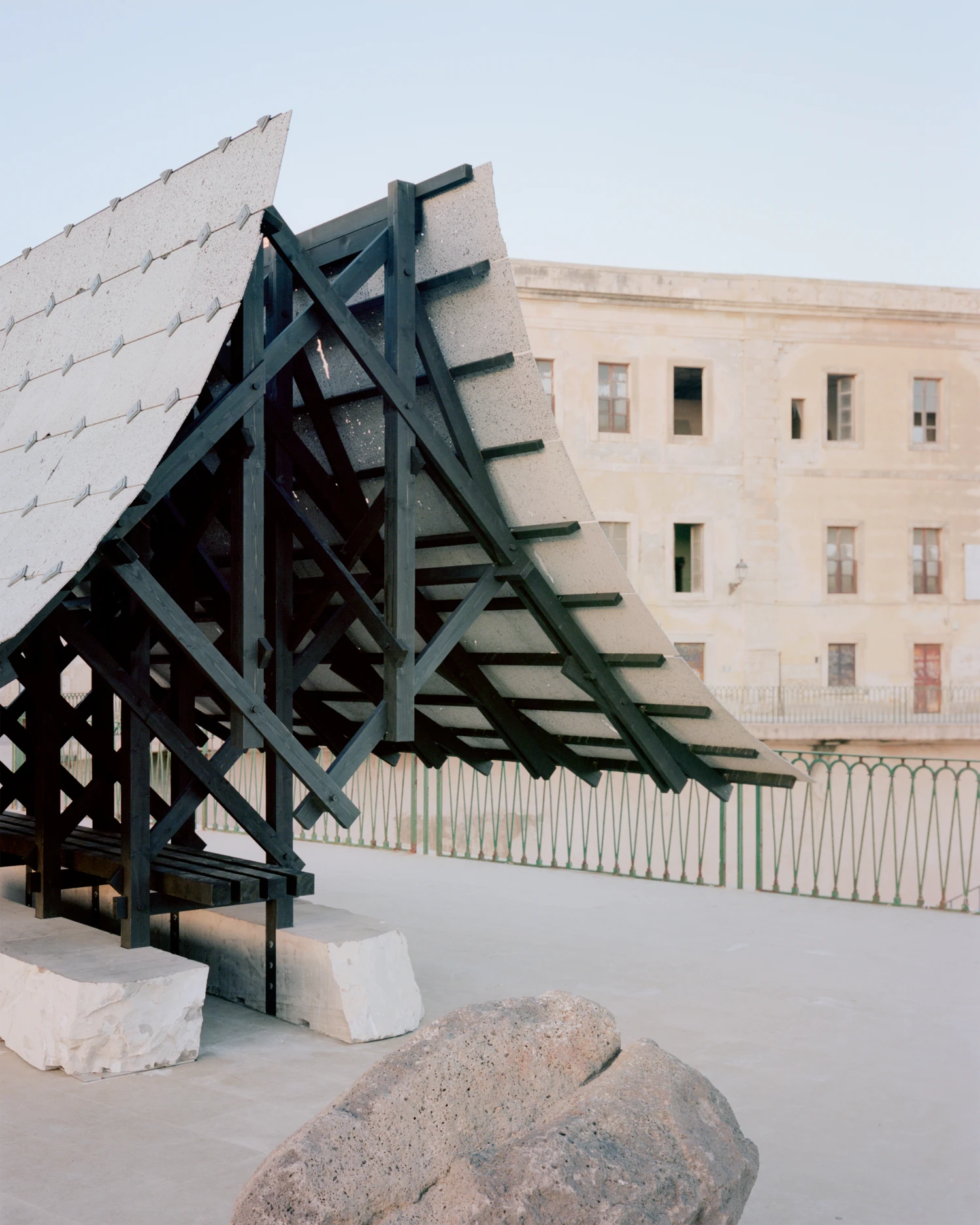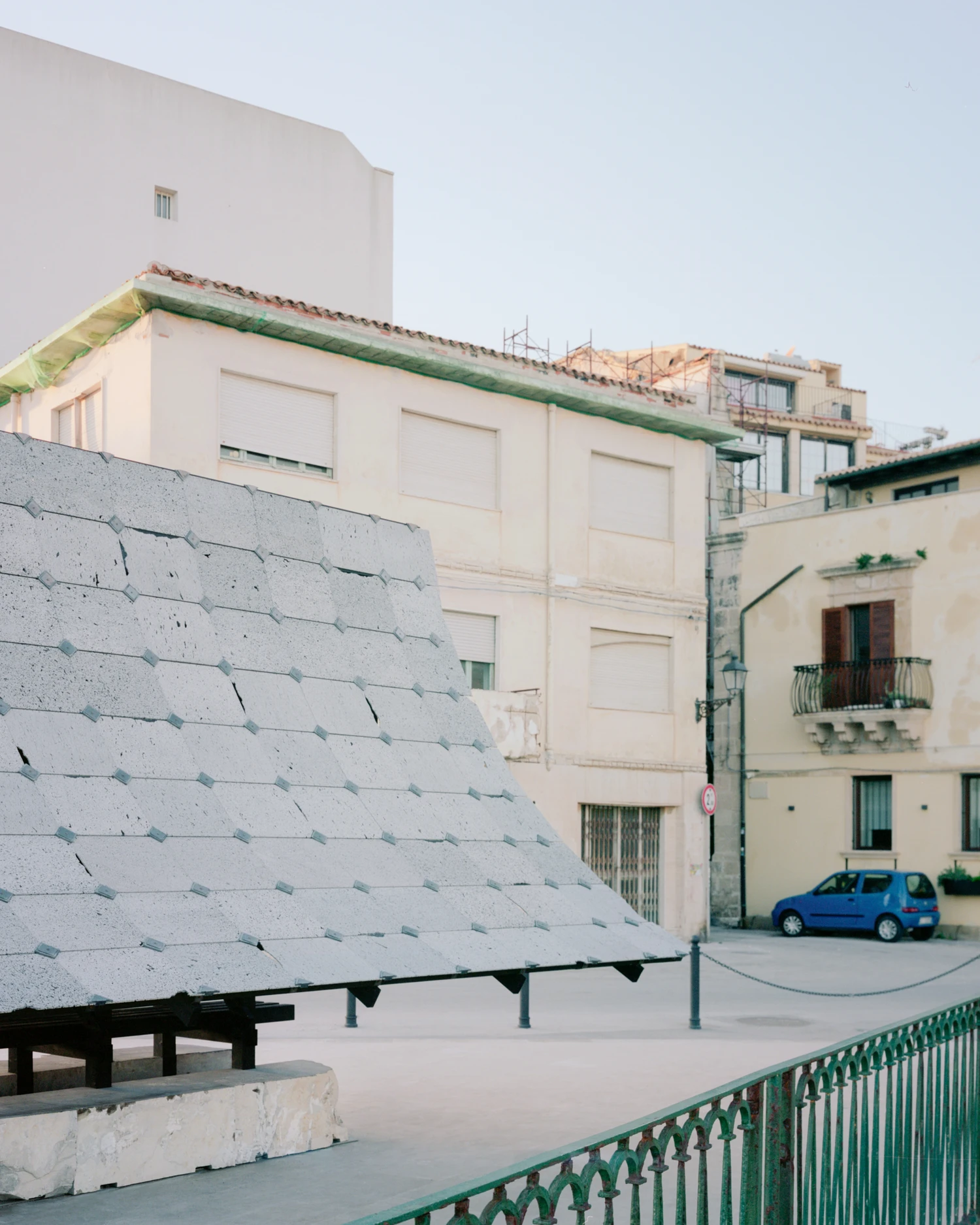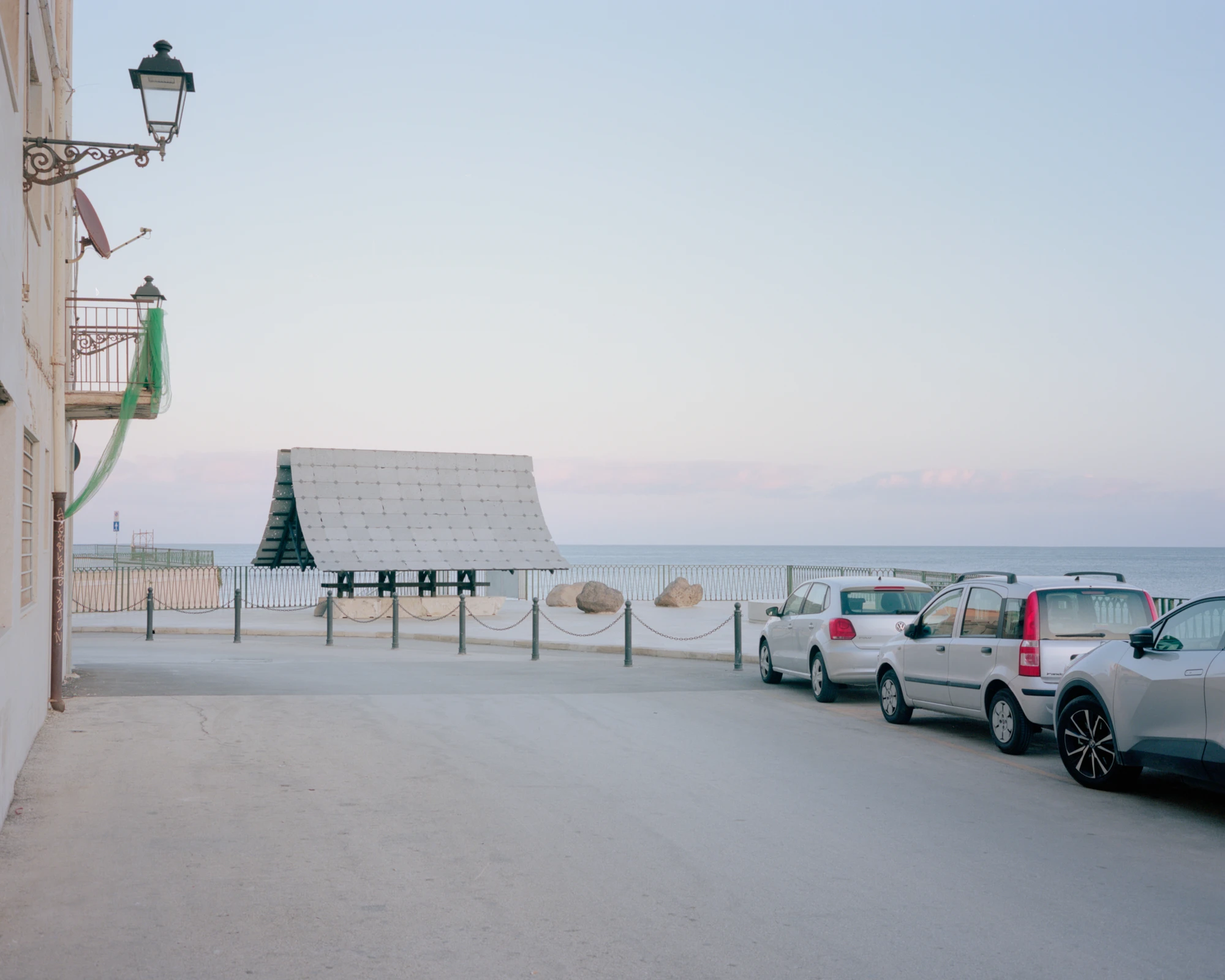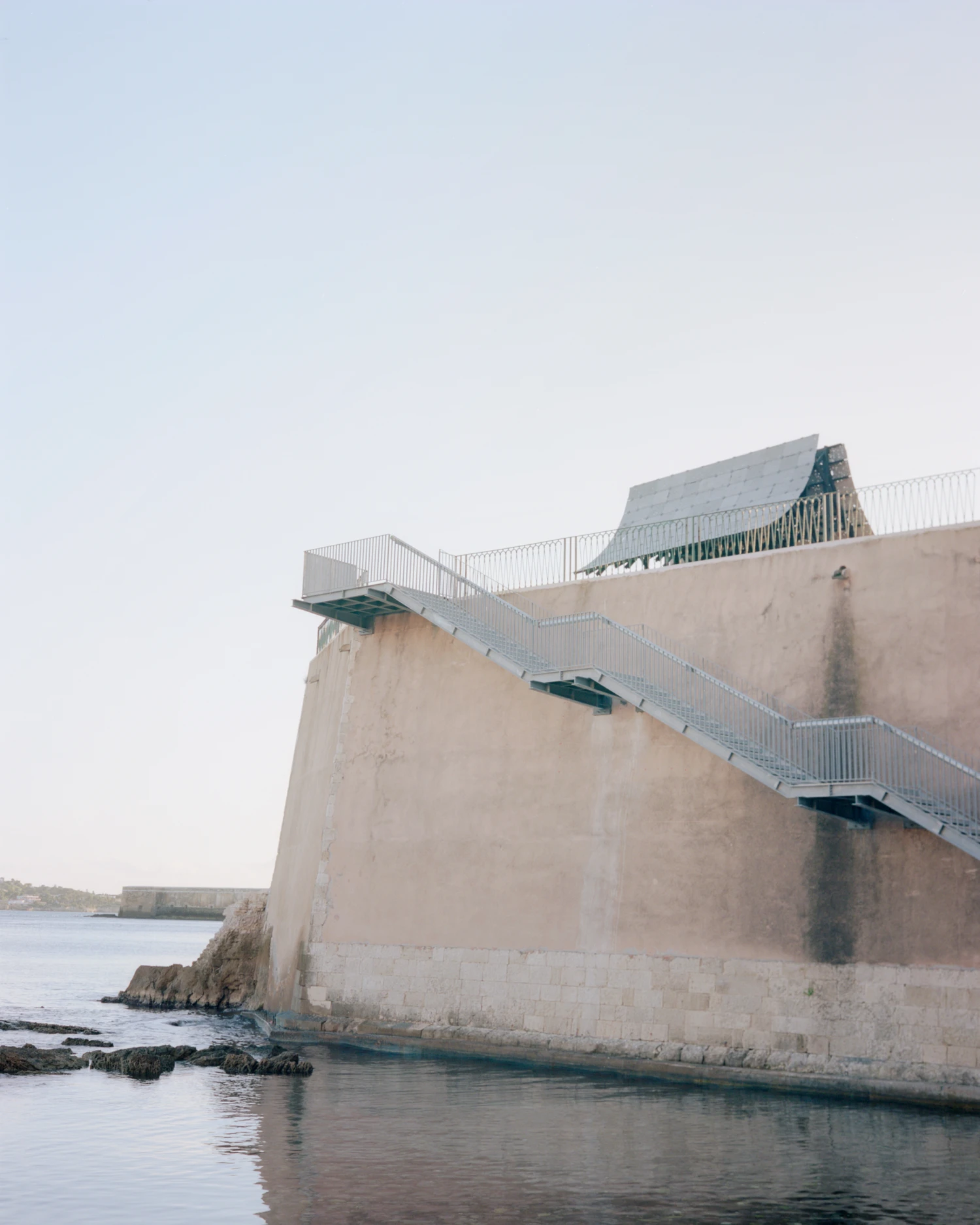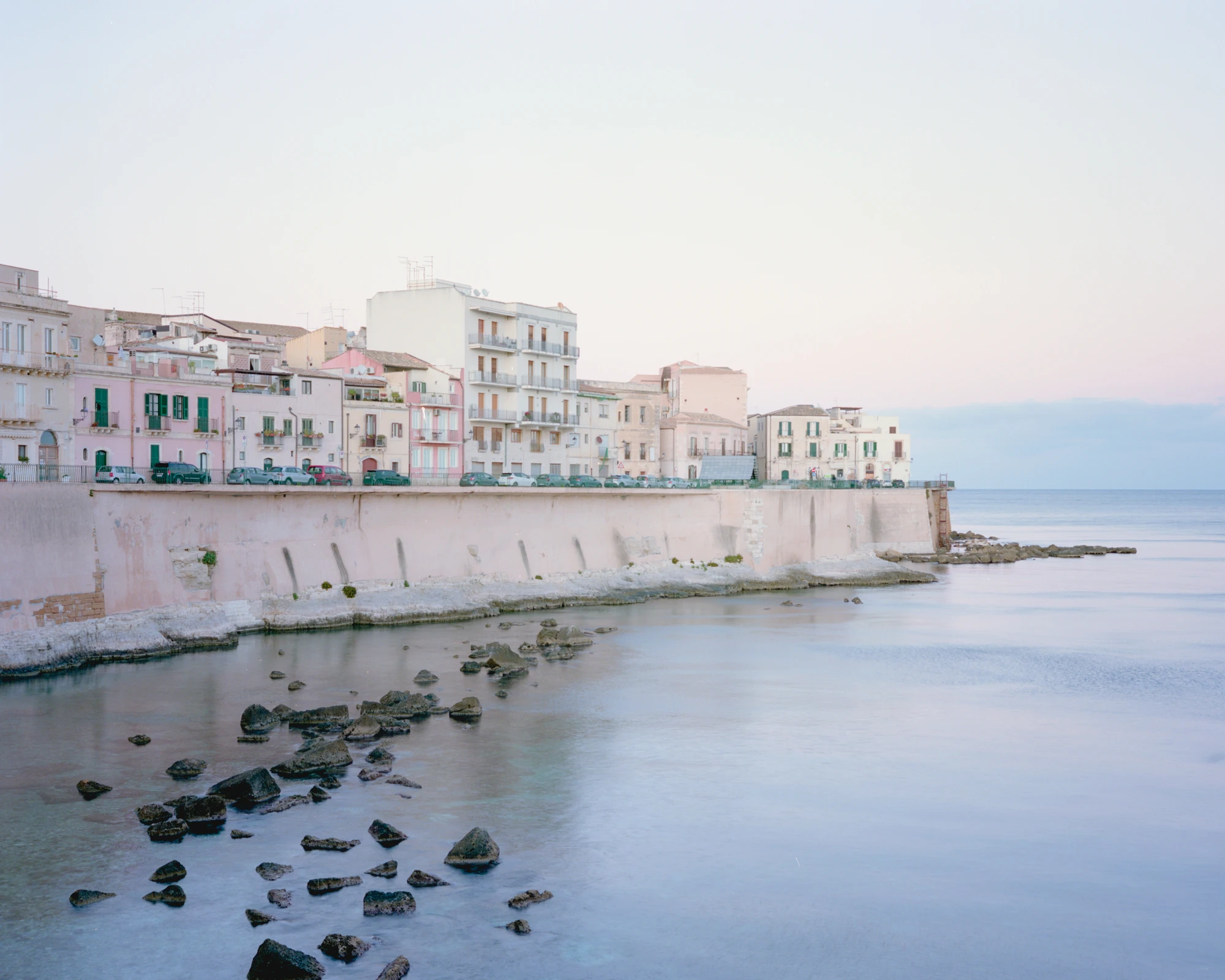
As part of the COSMO festival on Sicily's Syracusa-Pantalica UNESCO site, Leopold Banchini's Asympta uses lava stone, fire-sealed wood, and felt to propose a speculative architecture attuned to deep geological time.
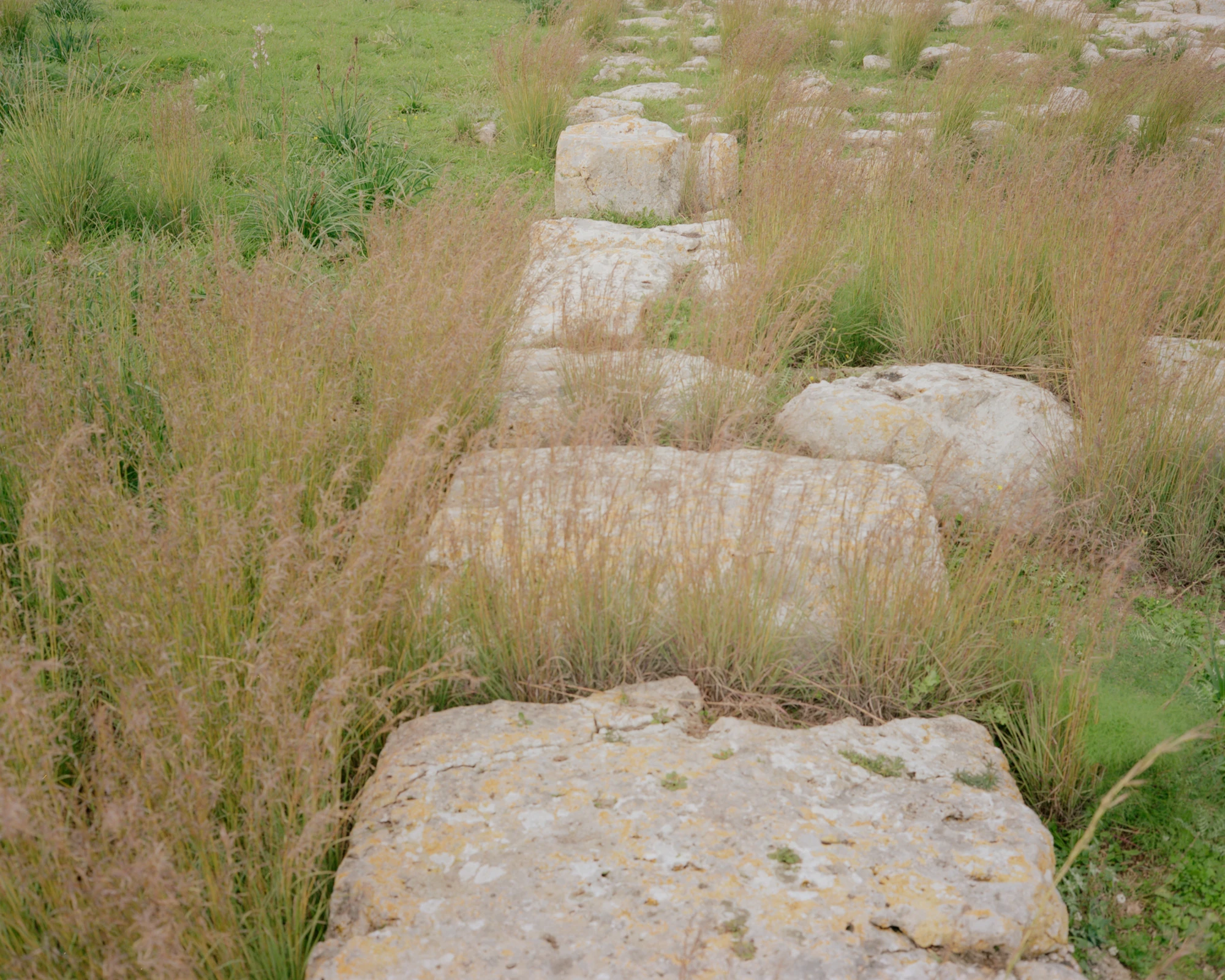
Little is known about the people who lived and buried their dead along the Anapo river. Pantalica—a complex of over four thousand tombs carved into rock a millennium before Christ—reveals almost nothing about the way the living found shelter. Since very few traces of commoners' architecture have been found, we can only imagine that the valley's inhabitants used light construction techniques and local organic materials to build their homes. It is this gap in the record that Banchini's project enters.
Asympta is a speculative micro-architecture reflecting on the mostly unknown architectural landscape of the prehistoric civilization rather than on its known necropolis. It explores how architectures and cosmologies might emerge from a specific landscape, attuned to its topography and resources. The temporary installation, echoing the provisional qualities of early domestic architecture, generates diverse and fictional narratives based on vernacular as much as on contemporary construction methods, purposefully distancing itself from archaeological and scientific research or from strict timelines.
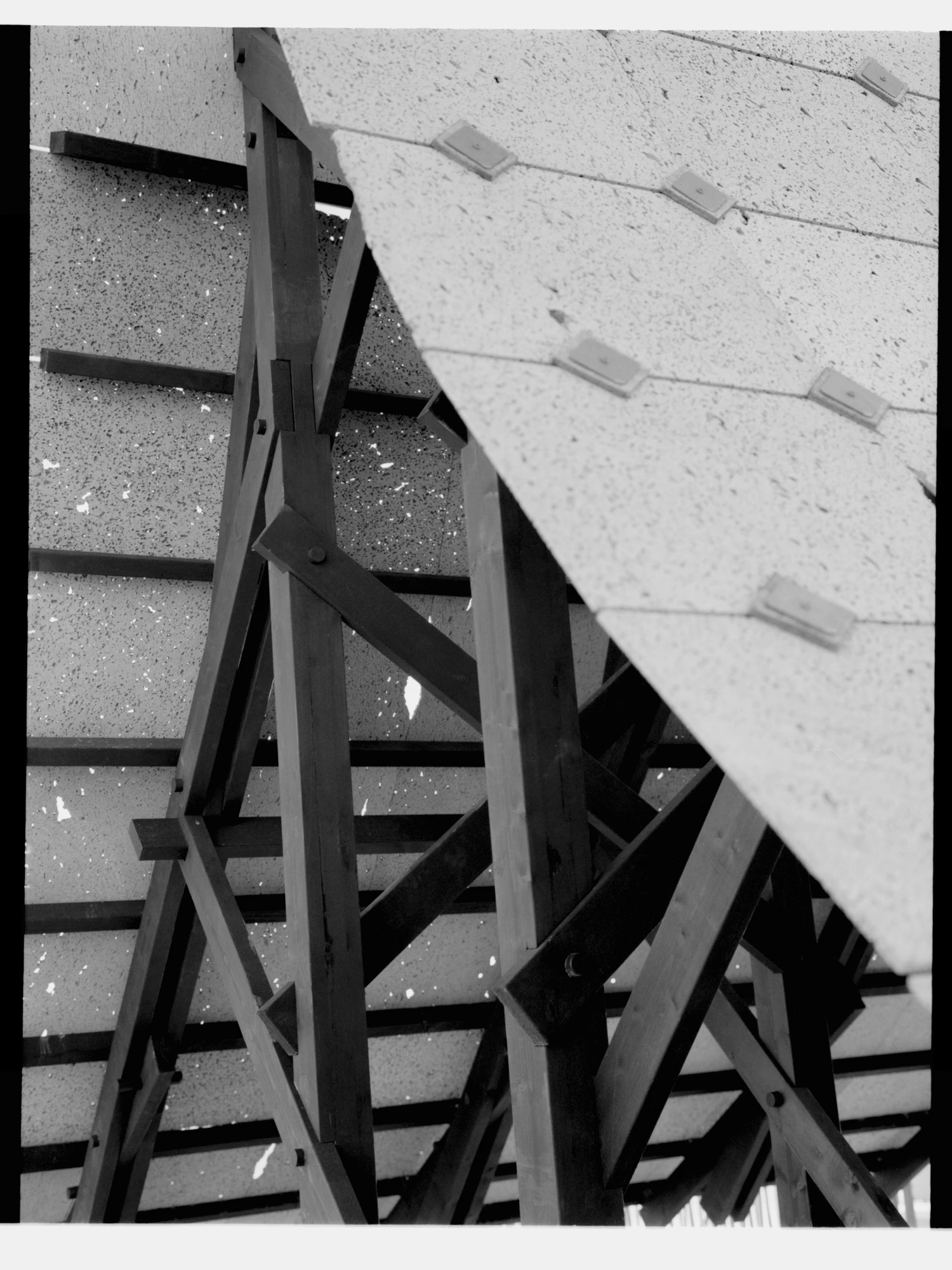
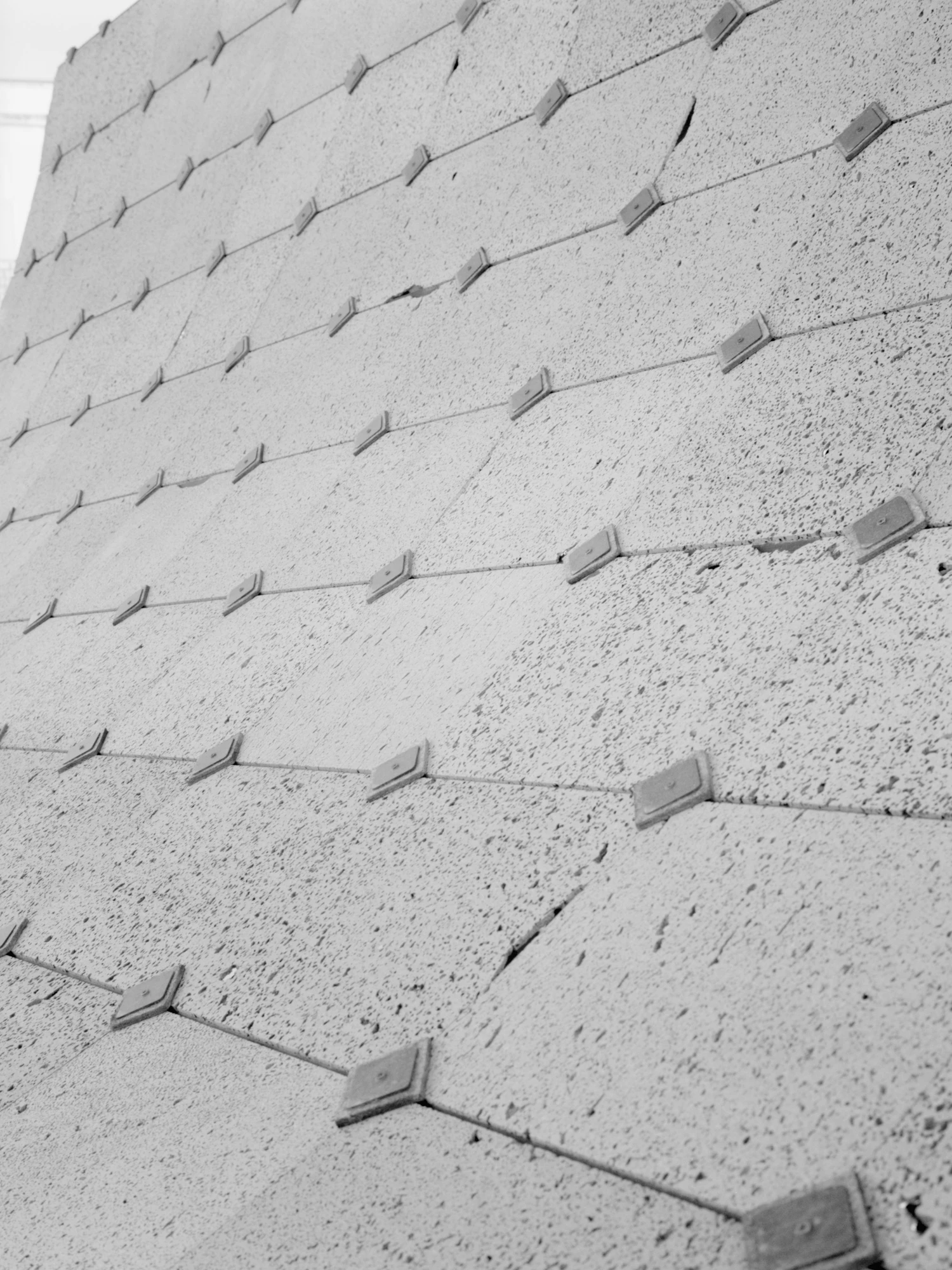
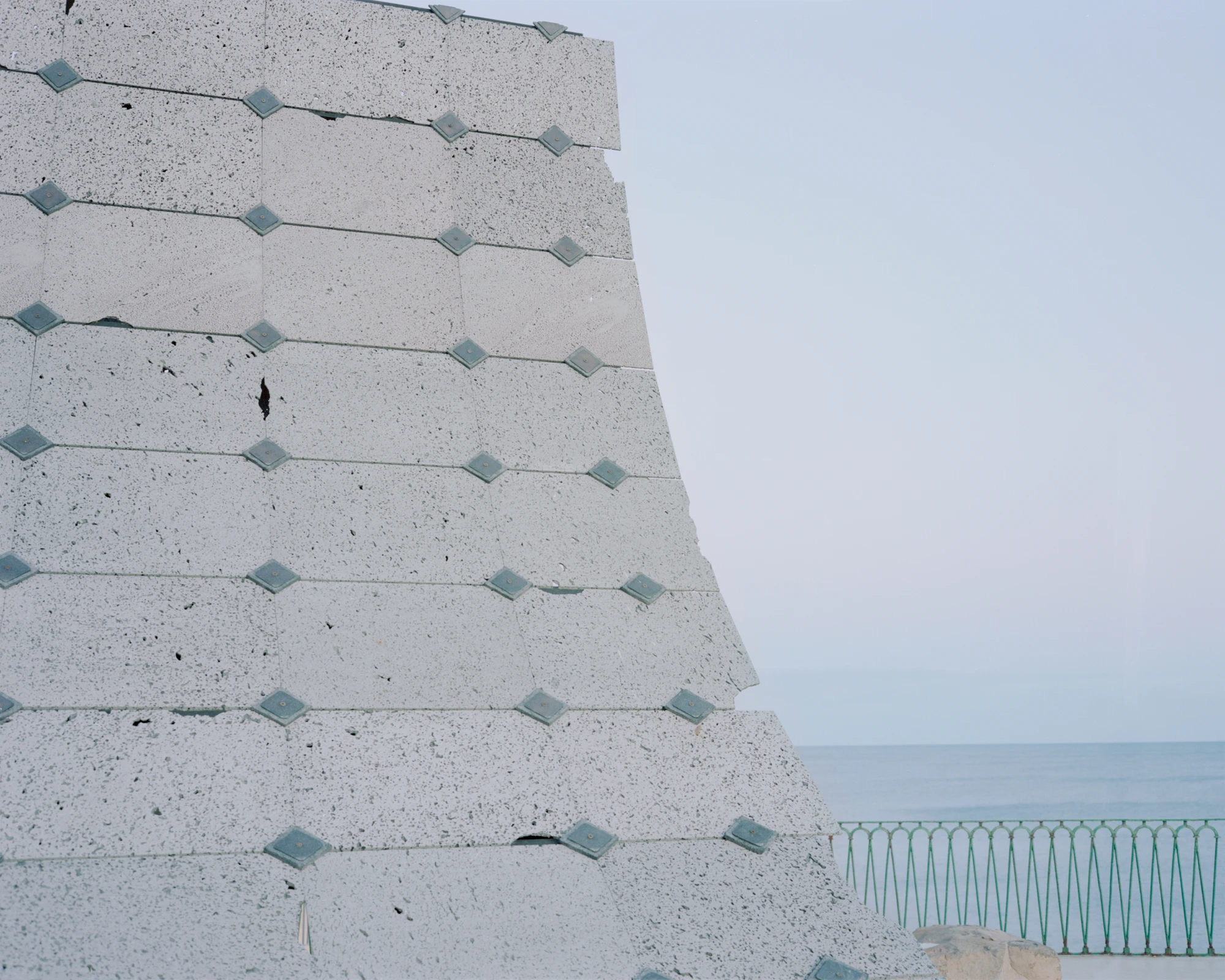
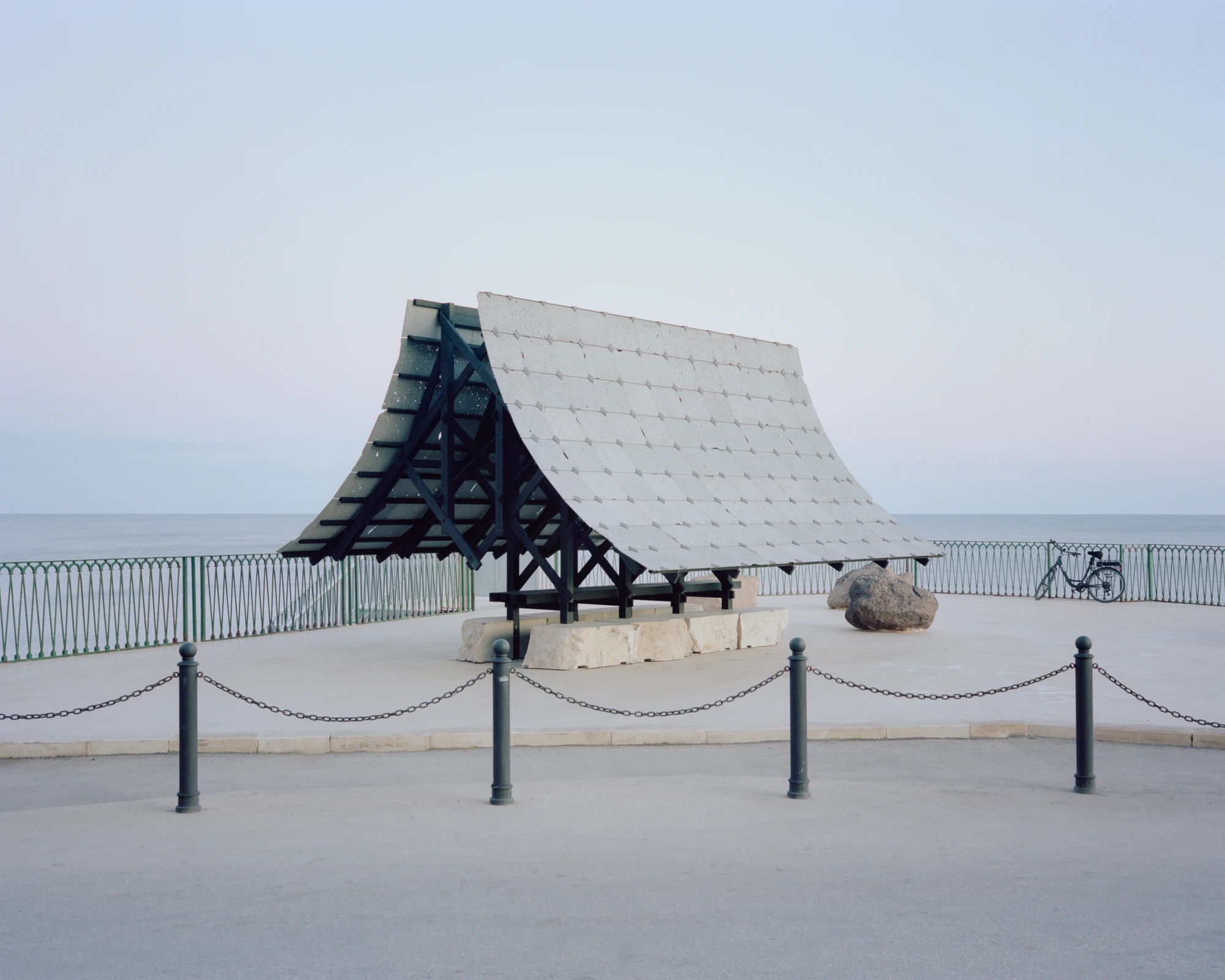
The materials declare their origins. Lava stone from nearby Mount Etna, local wood sealed by fire, Pietra Pece limestone, bronze, and sheep wool felt—each element drawn from the site's geological and pastoral economy. There is no paint, no finish applied in opposition to the landscape. The structure offers a shaded space for reunion and reflection, its physicality speaking of proximity rather than spectacle.
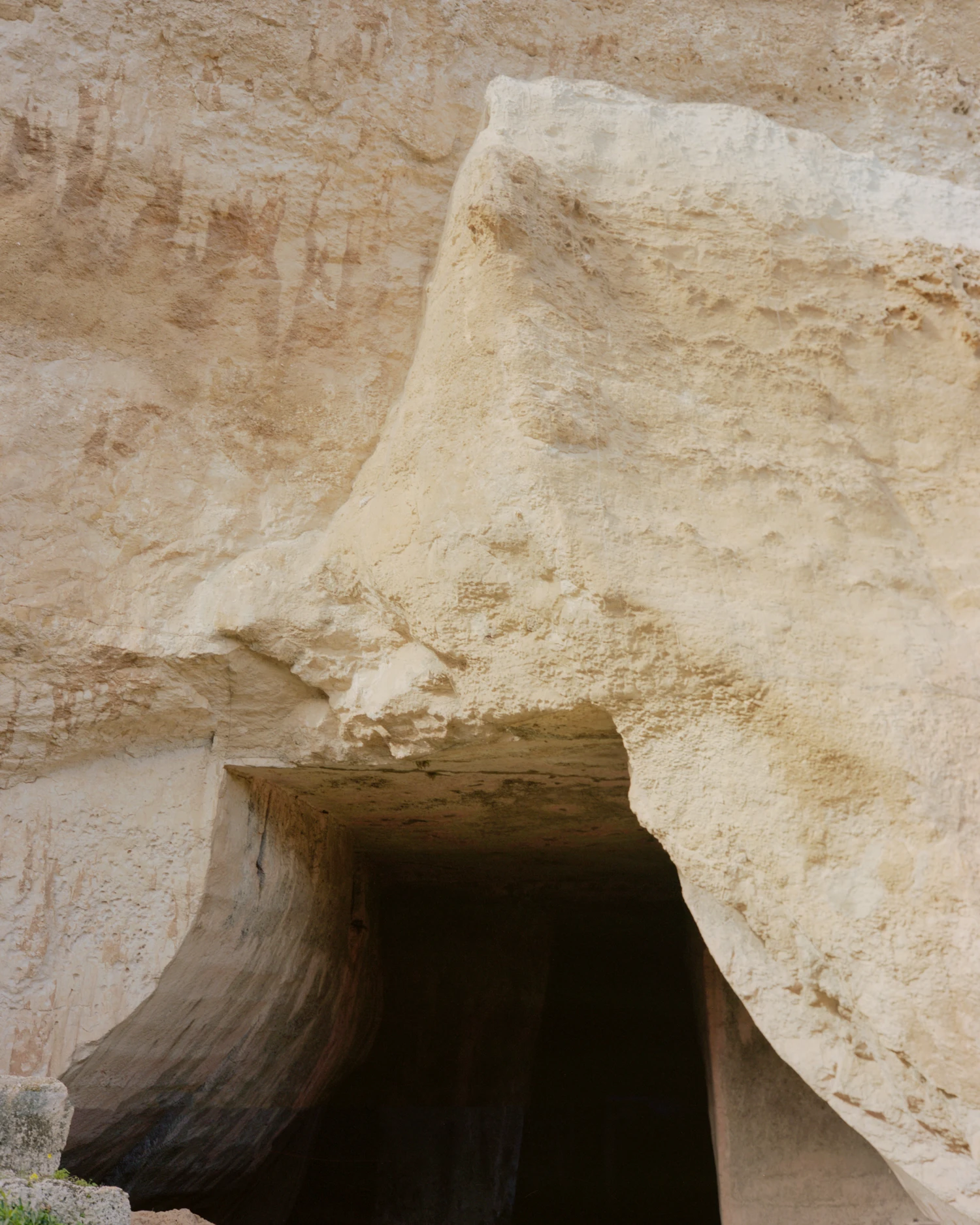
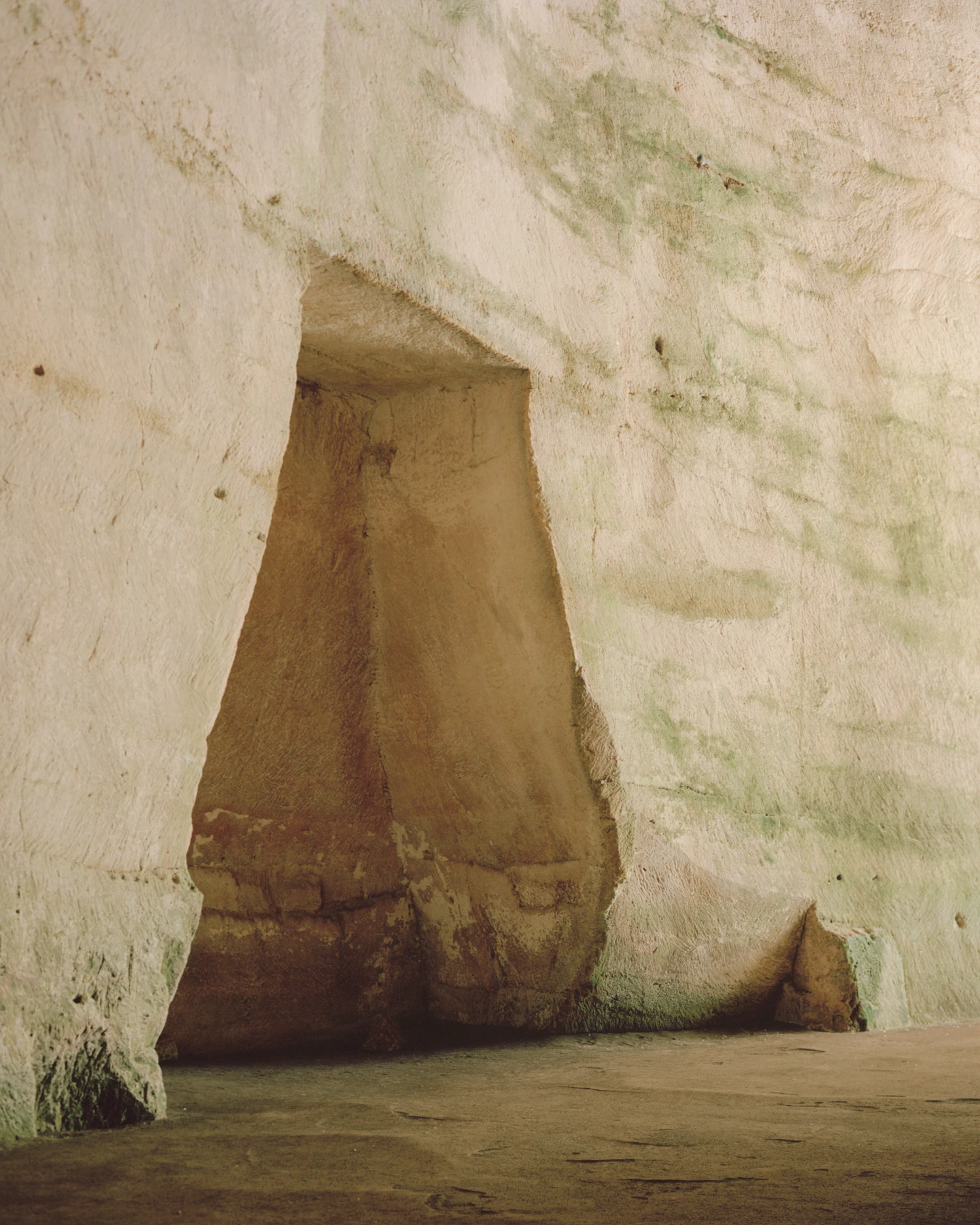
The double asymptotic shape echoes both the cone of the volcano dominating the landscape of eastern Sicily and the excavation form of the nearby latomie, where stone was extracted since ancient times. This formal duality—pointing simultaneously toward eruption and excavation, toward what rises and what is carved away—gives the pavilion its conceptual weight without resorting to symbolism.
The work purposefully questions the romanticized myth of Laugier's Primitive Hut, that foundational narrative of architectural origin that has shaped Western practice. Rather than seeking a pure or essential shelter form, Banchini's open structure speaks of adaptability and reciprocity toward the rich landscape it inhabits. Built by DiSe, photographed by Simone Bossi, it is a temporary gesture that insists architecture can be speculative without being abstract—rooted in place even when imagining what is no longer there.