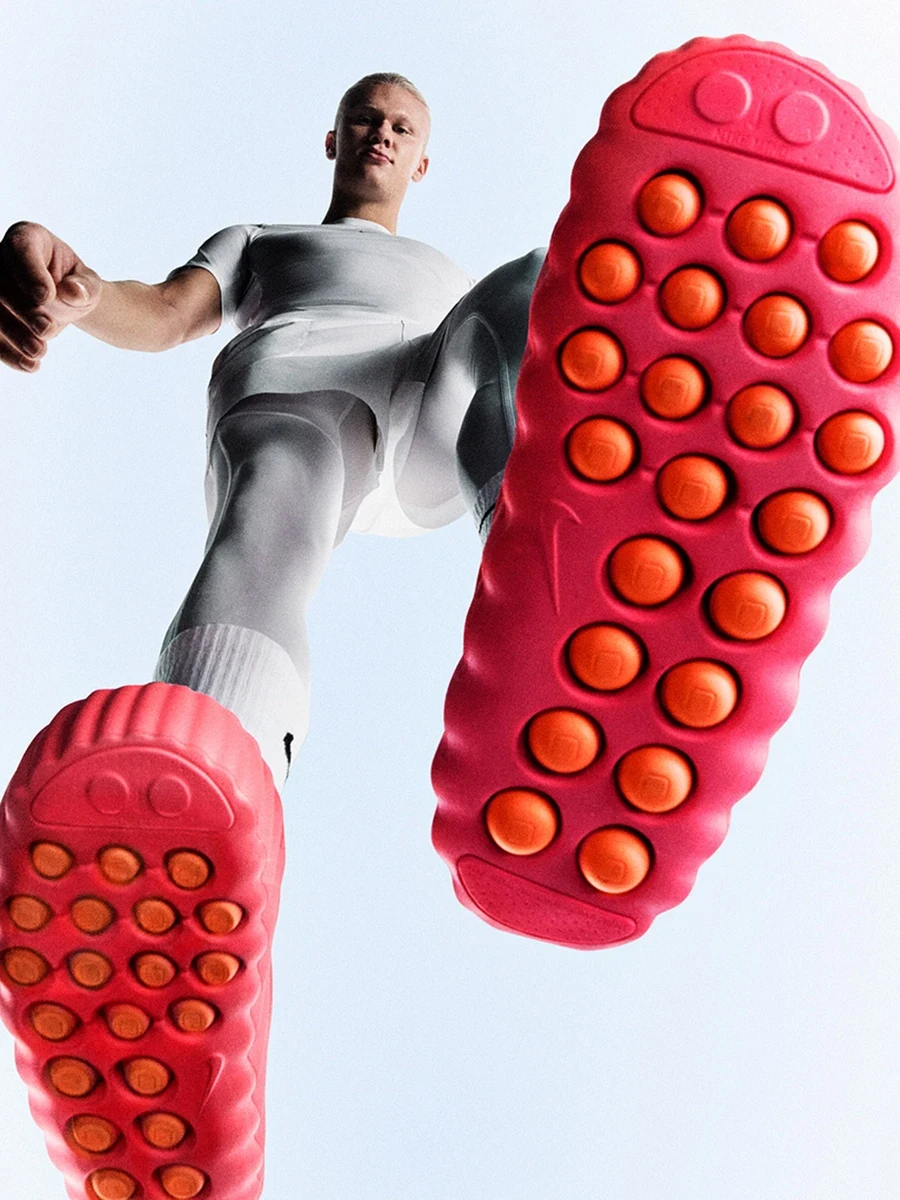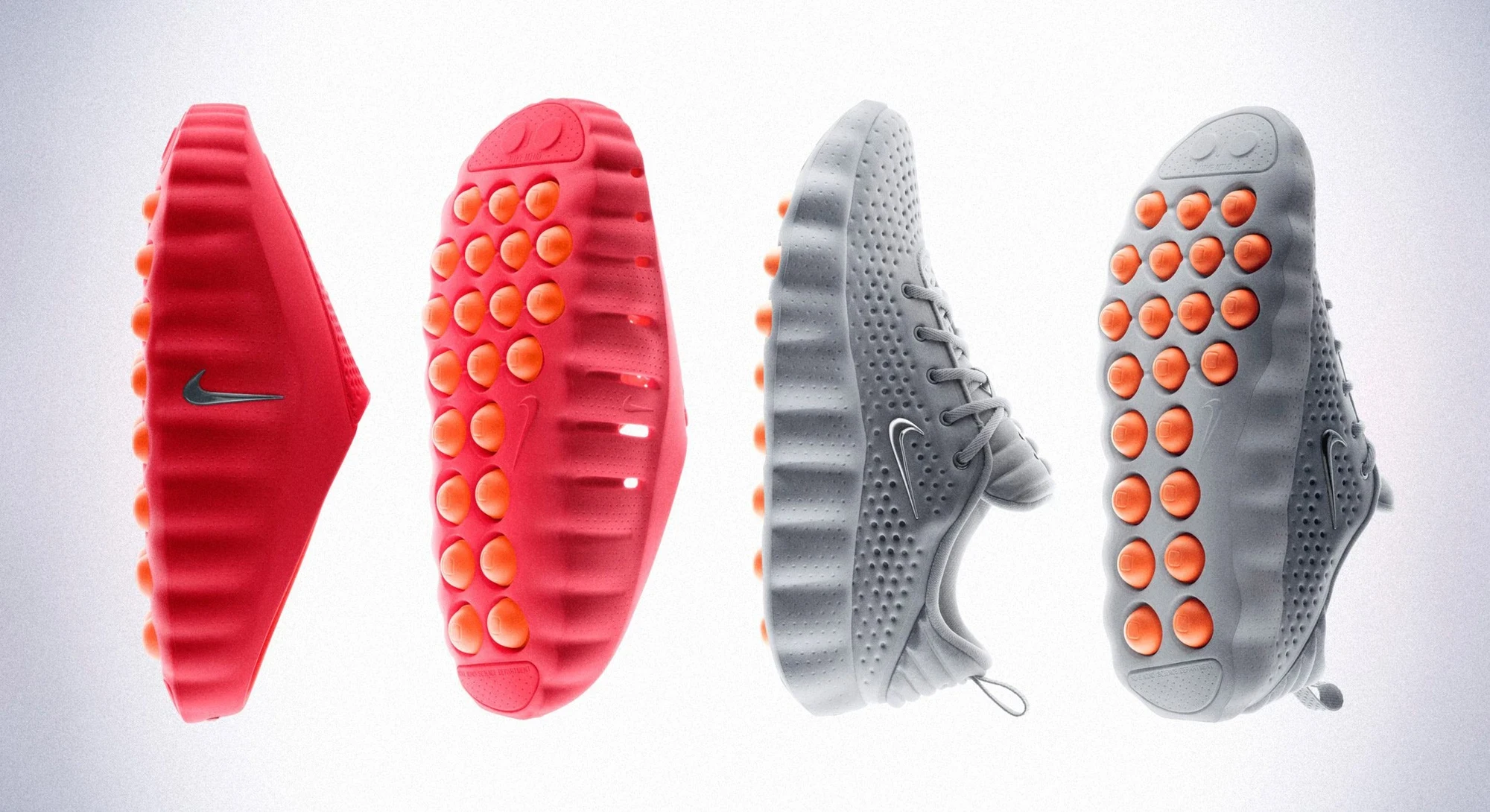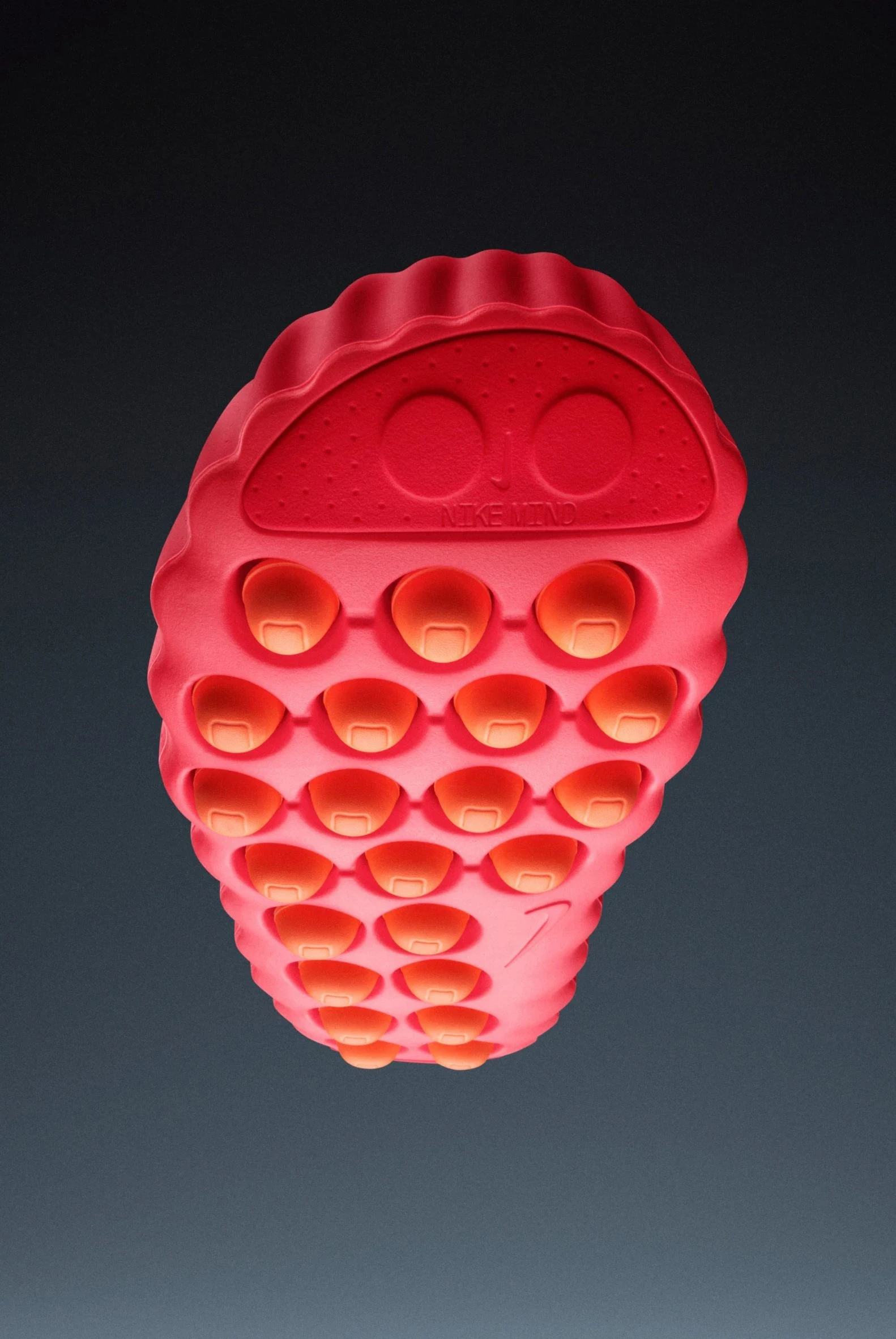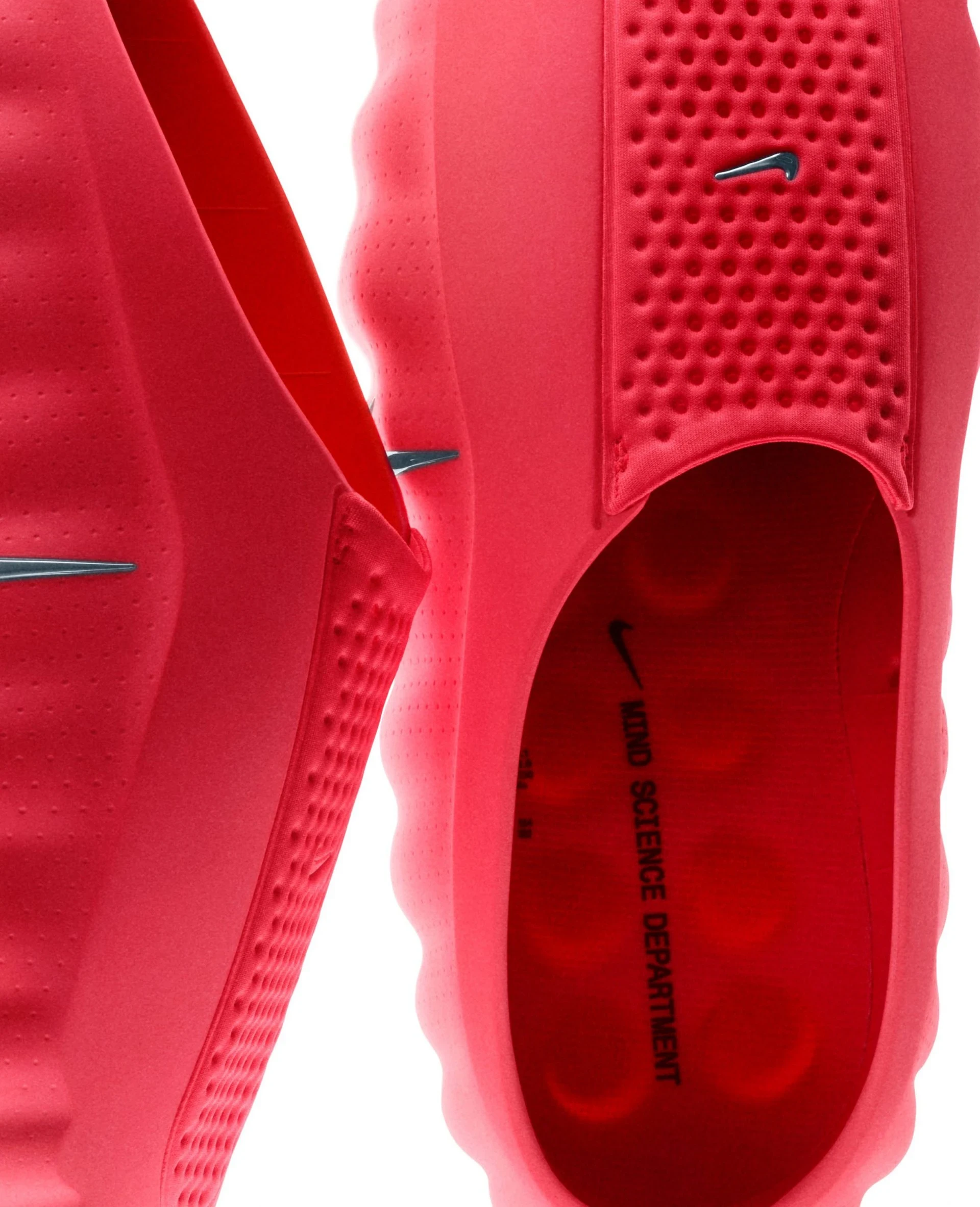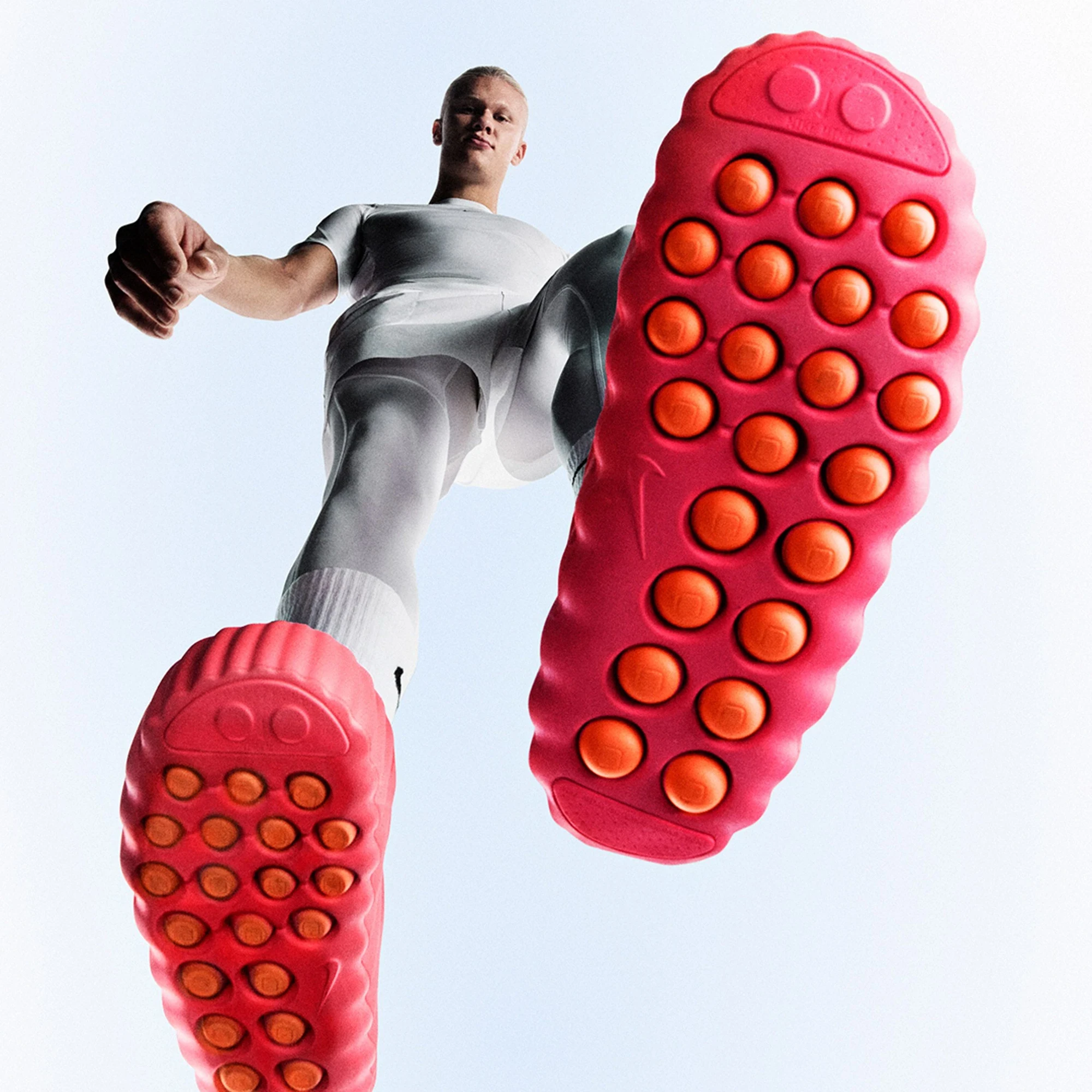
Nike's Mind 001 is the first piece of footwear the company has designed from neuroscience data — a shoe that begins not on a sketch pad but inside a brain scanner, mapping what a foot and nervous system actually register during movement.
The premise is simple and its implications are not. By mapping neural responses to physical sensation during wear, Nike's design team produced a data set that describes what the body genuinely experiences, rather than what a focus group reports it prefers. The distinction matters: self-reported comfort and neurologically measured comfort turn out to be different things, and the gap between them shaped every decision in the Mind 001.
What the brain scanning revealed influenced cushioning, structure, and weight distribution in ways that conventional testing methods would not have surfaced. The shoe is "designed from the brain down" — engineering rationale running through neuroscience rather than through intuition or iteration alone. Whether the output looks different from a conventionally developed shoe is beside the point; the methodology represents a fundamental shift in what design data can mean.
There is something worth noting about the broader direction this points toward. Once neurological response becomes a design input, the conversation about what a product should feel like changes register entirely. It moves from preference to physiology, from opinion to measurement. The Mind 001 is early in that trajectory, but it is unambiguously on it — and what begins with footwear rarely stays there.