Thisispaper Community
Join today.
Enter your email address to receive the latest news on emerging art, design, lifestyle and tech from Thisispaper, delivered straight to your inbox.
Oops! Something went wrong while submitting the form.
Instant access to new channels
The top stories curated daily
Weekly roundups of what's important
Original features and deep dives
Exclusive community features
Tokyo Guide
under the patronage of
Music Hall in the Sky by Takuro Yamamoto Architects
Alexander Zaxarov
Dec 10, 2025

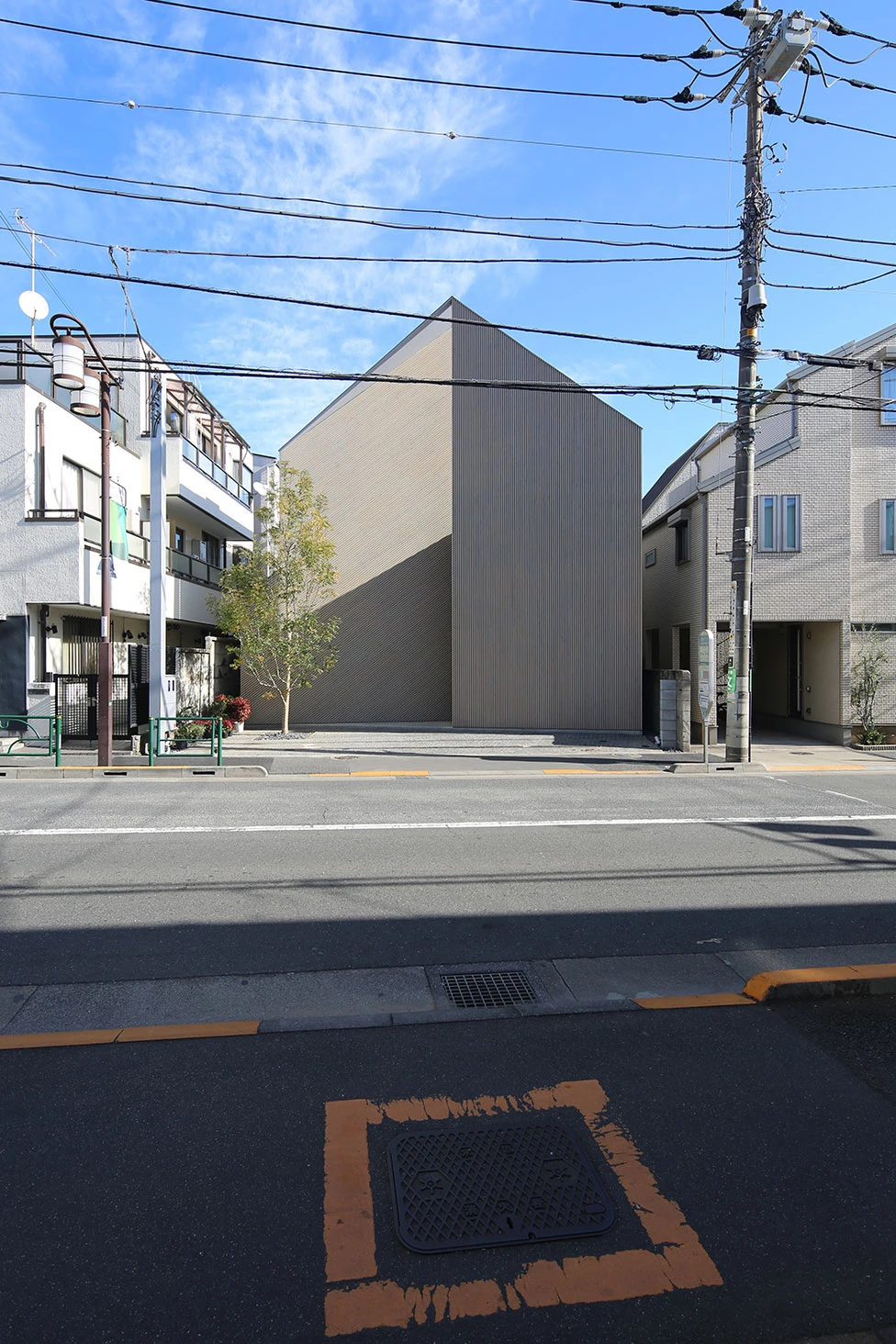
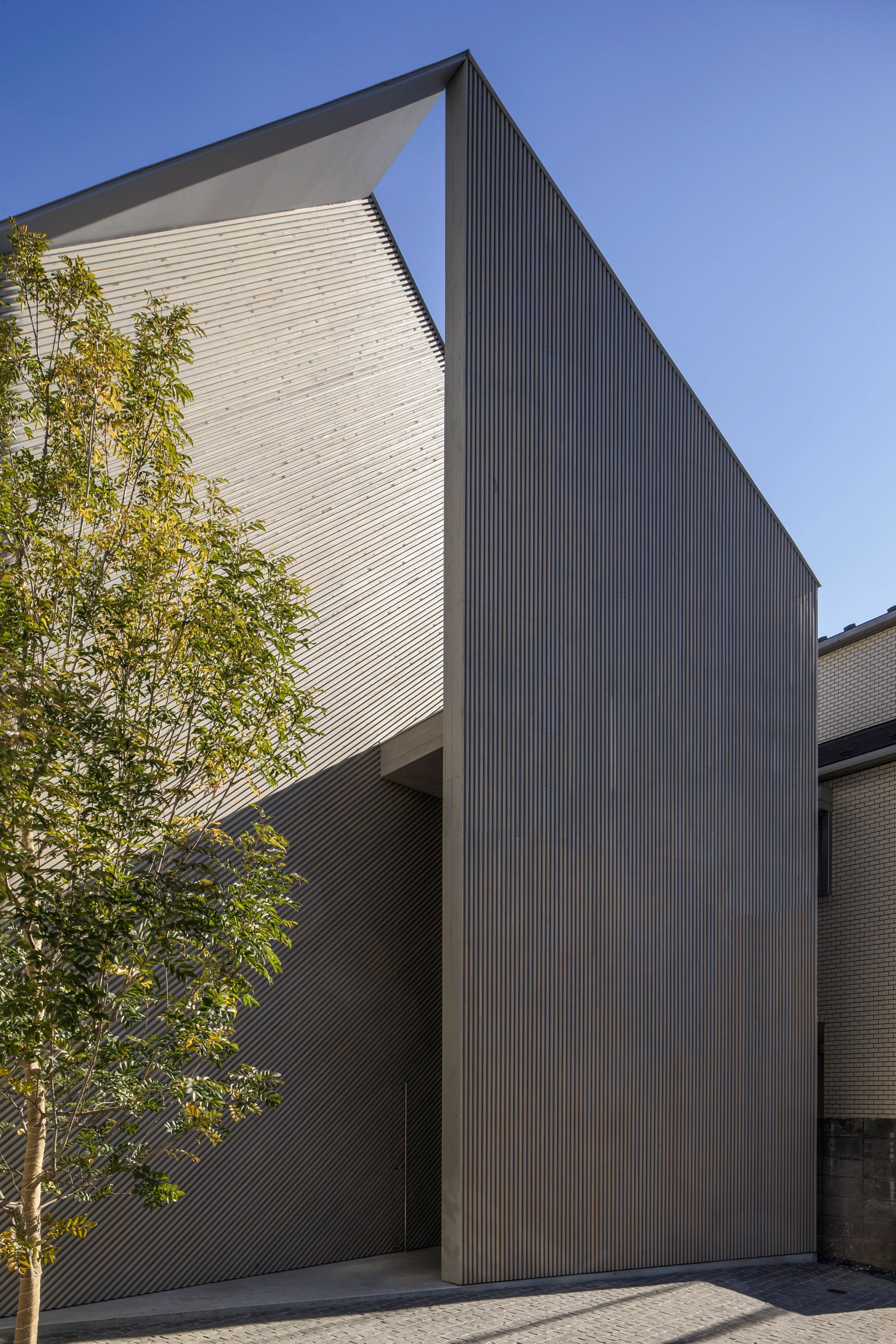
In the tightly wound grid of Tokyo’s residential architecture, Music Hall in the Sky by Takuro Yamamoto Architects emerges not with volume but with void.

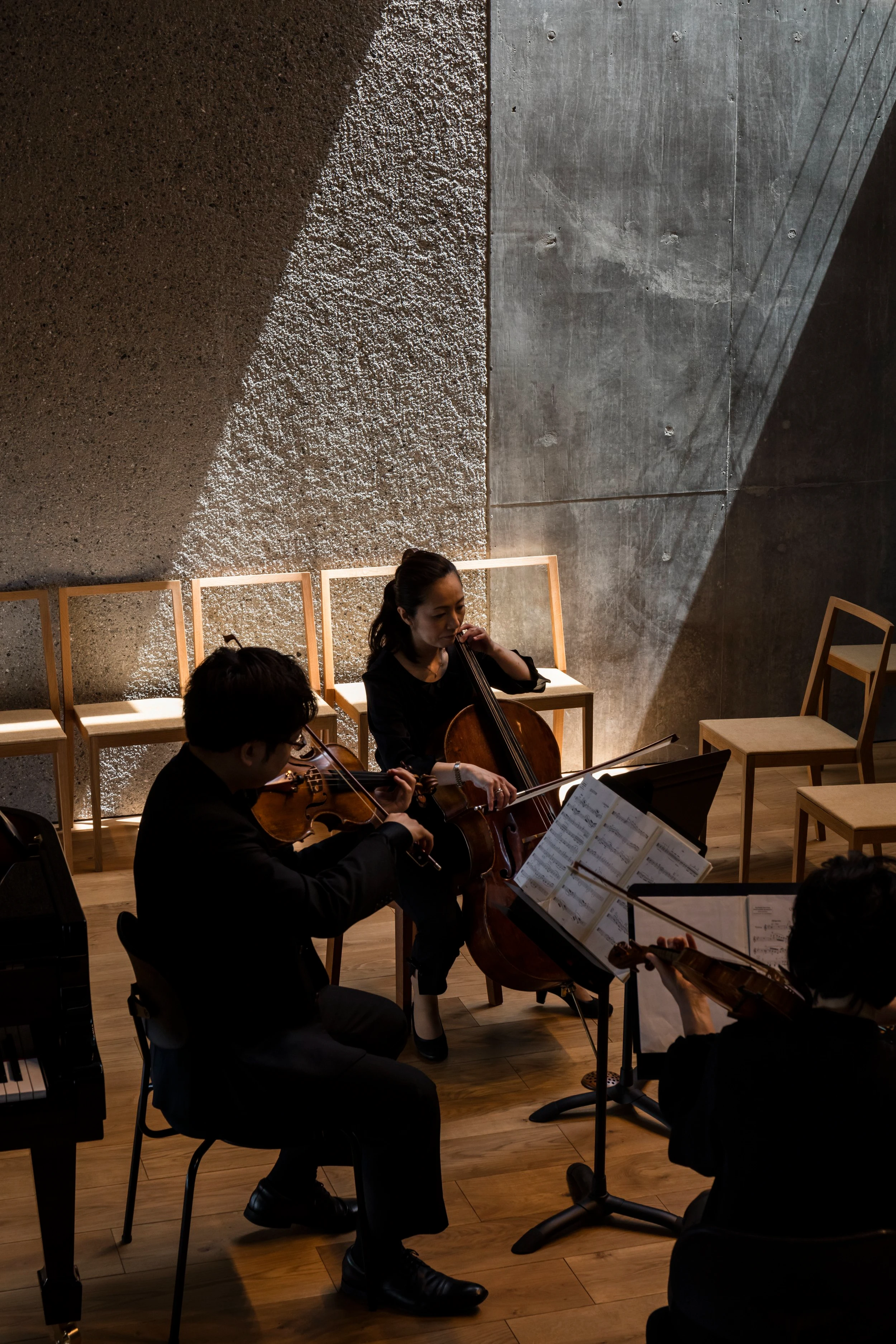
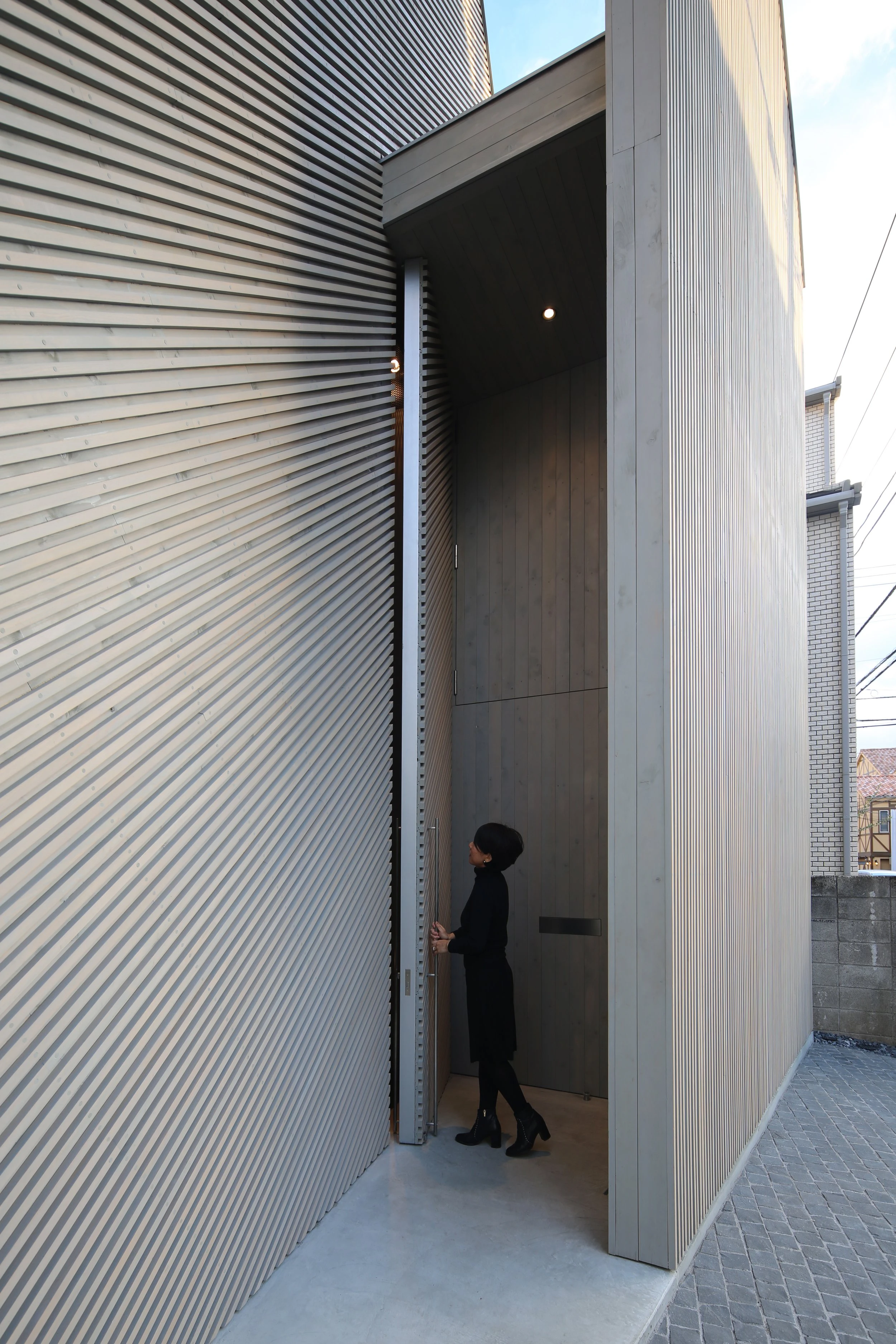
Eschewing ostentation in favor of silence and spareness, this 2019-built 50-seat concert hall dissolves into its urban context, while paradoxically offering a sublime sense of detachment. At first glance, the monolithic façade—gridded, sharp-edged, and cryptically mute—feels more like an art object than a building. The architecture stands as a quiet provocation, resisting the density of its surroundings not by confrontation, but by transcendence.

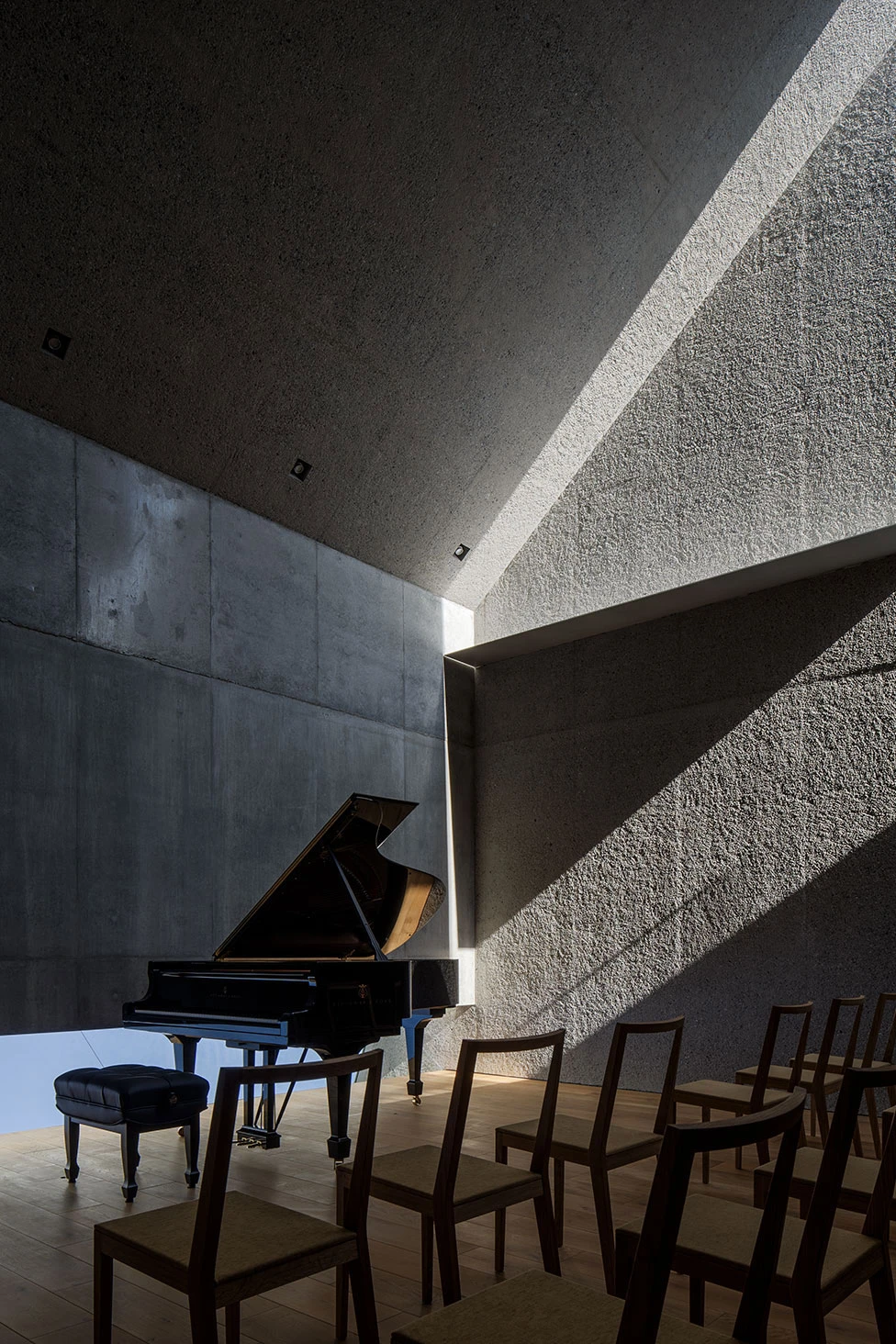
The core idea is radical in its modesty: a concert hall that denies the street, the city, and the neighboring buildings—yet opens to the sky. In an architectural typology that traditionally forbids windows for acoustic and theatrical reasons, Yamamoto’s intervention is both poetic and conceptual. Rather than opt for complete enclosure, the design uses carefully positioned skylights and foot-level ribbon windows to permit fragments of the sky to enter the experience. The result is a disorientation of spatial expectations—attendees gaze not into ornate interiors or scenic gardens, but into the unframed vastness above.

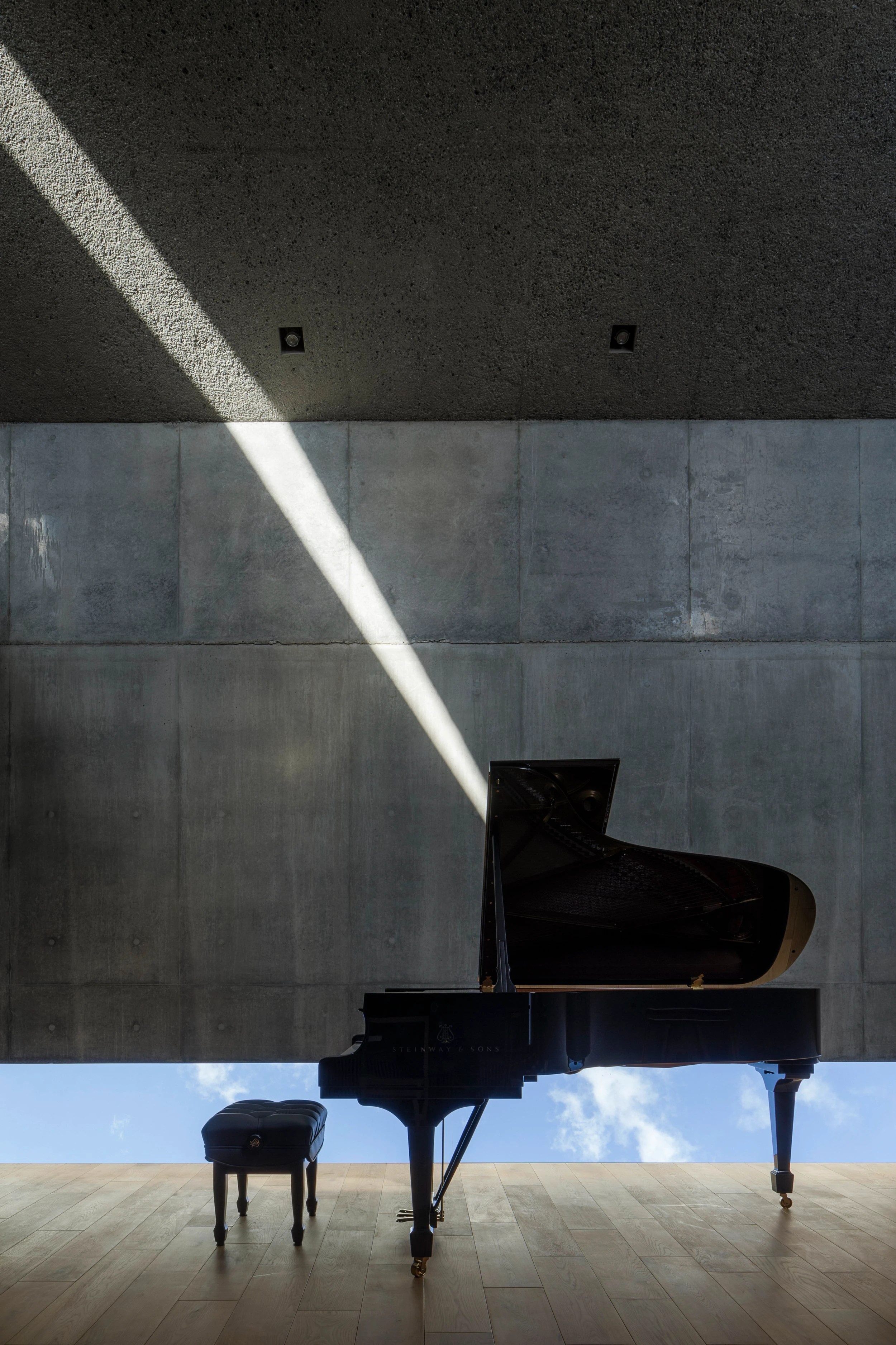
Internally, the concrete is bare yet highly choreographed—textured, absorbent, and imbued with an ascetic rhythm that borders on the ecclesiastical. The piano stage, almost devotional in its isolation, is bathed in natural light that slices through the angular ceiling. What could have been a cold and static environment becomes a living atmosphere, where time is marked by shifting shadows and the subtle drama of sunlight. This is not just a hall—it is a sundial for the senses.

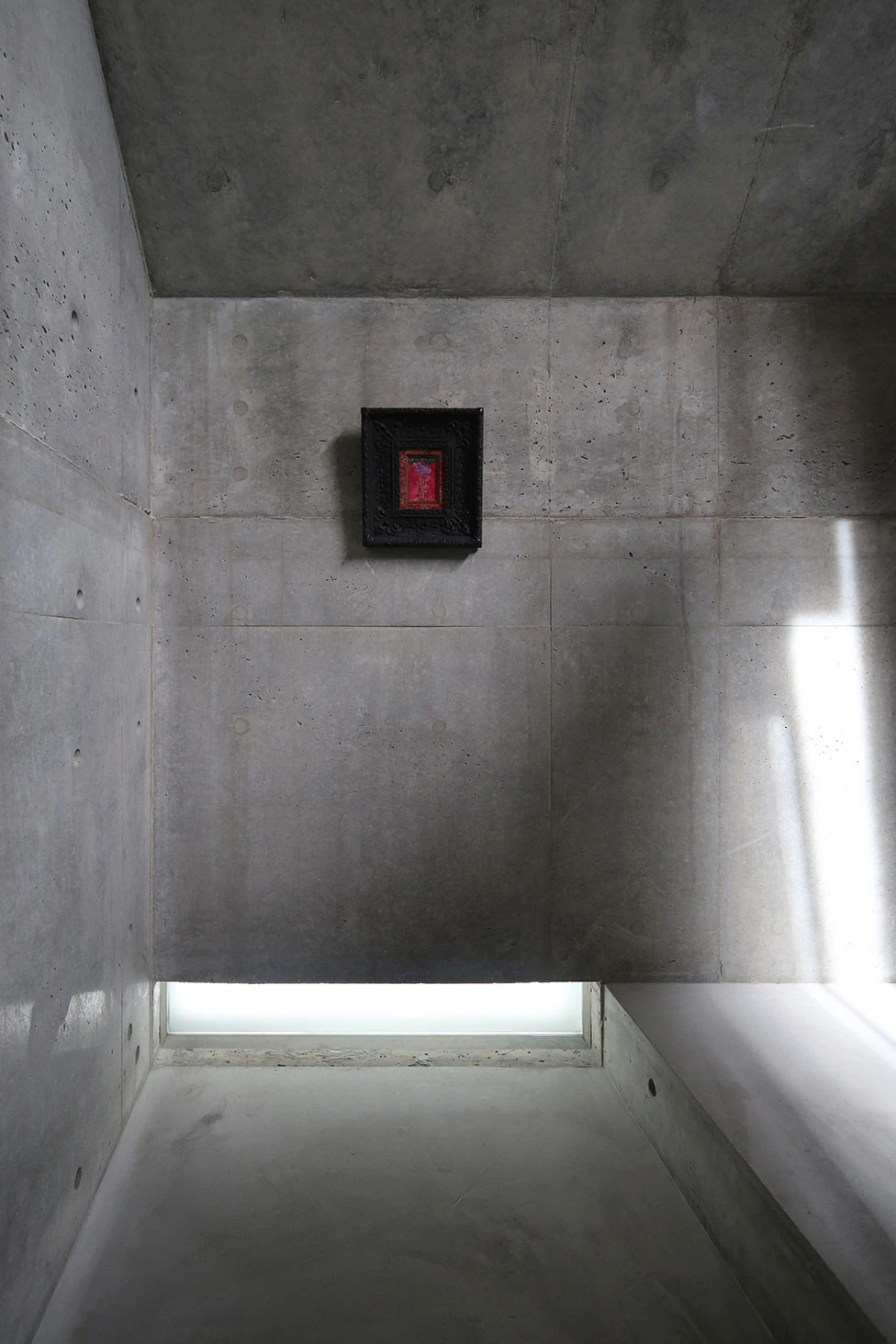
The interplay of light and mass—central to Japanese spatial aesthetics—is handled here with surgical precision. From the elevated vantage point of the upper balcony to the intimacy of the dining-kitchen zone on the lower level, the spatial language is one of restraint and resonance. Concrete, typically perceived as brutal, becomes almost meditative in this setting. Even the small framed artwork on the concrete wall seems less like decoration and more like punctuation in a poetic syntax.

Yamamoto’s architectural gesture is not simply about acoustics or sightlines, but about emotional orientation. By shielding the audience from the visual clutter of the urban environment and replacing it with abstract skyscapes, the building encourages a kind of cognitive silence. It's an architecture that doesn’t just contain music—it listens with you. And perhaps more importantly, it teaches you to listen not just to the sounds, but to the spaces between them.

In Music Hall in the Sky, the audience becomes airborne. They are no longer seated in Tokyo, but suspended—weightless, alert, and surrounded by sky.
Interested in Showcasing Your Work?

If you would like to feature your works on Thisispaper, please visit our Submission page and sign up to Thisispaper+ to submit your work. Once your submission is approved, your work will be showcased to our global audience of 2 million art, architecture, and design professionals and enthusiasts.
No items found.
We love less
but there is more.
Become a Thisispaper+ member today to unlock full access to our magazine, advanced tools, and support our work.
Get two months FREE
with annual subscription
We love less
but there is more.
Become a Thisispaper+ member today to unlock full access to our magazine, advanced tools, and support our work.
Get two months FREE
with annual subscription
No items found.
Alexander Zaxarov
Dec 10, 2025

In the tightly wound grid of Tokyo’s residential architecture, Music Hall in the Sky by Takuro Yamamoto Architects emerges not with volume but with void.

Eschewing ostentation in favor of silence and spareness, this 2019-built 50-seat concert hall dissolves into its urban context, while paradoxically offering a sublime sense of detachment. At first glance, the monolithic façade—gridded, sharp-edged, and cryptically mute—feels more like an art object than a building. The architecture stands as a quiet provocation, resisting the density of its surroundings not by confrontation, but by transcendence.

The core idea is radical in its modesty: a concert hall that denies the street, the city, and the neighboring buildings—yet opens to the sky. In an architectural typology that traditionally forbids windows for acoustic and theatrical reasons, Yamamoto’s intervention is both poetic and conceptual. Rather than opt for complete enclosure, the design uses carefully positioned skylights and foot-level ribbon windows to permit fragments of the sky to enter the experience. The result is a disorientation of spatial expectations—attendees gaze not into ornate interiors or scenic gardens, but into the unframed vastness above.

Internally, the concrete is bare yet highly choreographed—textured, absorbent, and imbued with an ascetic rhythm that borders on the ecclesiastical. The piano stage, almost devotional in its isolation, is bathed in natural light that slices through the angular ceiling. What could have been a cold and static environment becomes a living atmosphere, where time is marked by shifting shadows and the subtle drama of sunlight. This is not just a hall—it is a sundial for the senses.

The interplay of light and mass—central to Japanese spatial aesthetics—is handled here with surgical precision. From the elevated vantage point of the upper balcony to the intimacy of the dining-kitchen zone on the lower level, the spatial language is one of restraint and resonance. Concrete, typically perceived as brutal, becomes almost meditative in this setting. Even the small framed artwork on the concrete wall seems less like decoration and more like punctuation in a poetic syntax.

Yamamoto’s architectural gesture is not simply about acoustics or sightlines, but about emotional orientation. By shielding the audience from the visual clutter of the urban environment and replacing it with abstract skyscapes, the building encourages a kind of cognitive silence. It's an architecture that doesn’t just contain music—it listens with you. And perhaps more importantly, it teaches you to listen not just to the sounds, but to the spaces between them.

In Music Hall in the Sky, the audience becomes airborne. They are no longer seated in Tokyo, but suspended—weightless, alert, and surrounded by sky.
Interested in Showcasing Your Work?

If you would like to feature your works on Thisispaper, please visit our Submission page and subscribe to Thisispaper+. Once your submission is approved, your work will be showcased to our global audience of 2 million art, architecture, and design professionals and enthusiasts.
Thisispaper+
Tokyo Guide
40+ Locations
Web Access
Link to Maps
Our guide introduces you to the city’s finest examples of minimalism in art, design, and architecture, each space a testament to Tokyo’s unique ability to blend tradition with cutting-edge innovation.
Explore
Tokyo Guide

Join Thisispaper+
Unlock access to 2500 stories, curated guides + editions, and share your work with a global network of architects, artists, writers and designers who are shaping the future.
Get two months FREE
with annual subscription
Atlas
A new and interactive way to explore the most inspiring places around the world.
Interactive map
Linked to articles
300+ curated locations
Google + Apple directions
Smart filters
Subscribe to Explore+
Travel Guides
Immerse yourself in timeless destinations, hidden gems, and creative spaces—curated by humans, not algorithms.
Explore All Guides +
Curated Editions
Dive deeper into carefully curated editions, designed to feed your curiosity and foster exploration.
Off-the-Grid
Jutaku
Sacral Journey
minimum
The New Chair
Explore All Editions +
Submission Module
Submit your project and gain the chance to showcase your work to our worldwide audience of over 2M architects, designers, artists, and curious minds.
Learn More+
Become a Thisispaper+ member today to unlock full access to our magazine, submit your project and support our work.
Join Thisispaper+Join Thisispaper+
€ 9 EUR
/month
Cancel anytime
Get two months FREE
with annual subscription