Daily life presents itself as smooth and manageable, a surface that holds. The philosopher Masatake Shinohara argues that the smoothness is an illusion, and that Rinko Kawauchi's Illuminance is among the few bodies of work that let the illusion come apart.
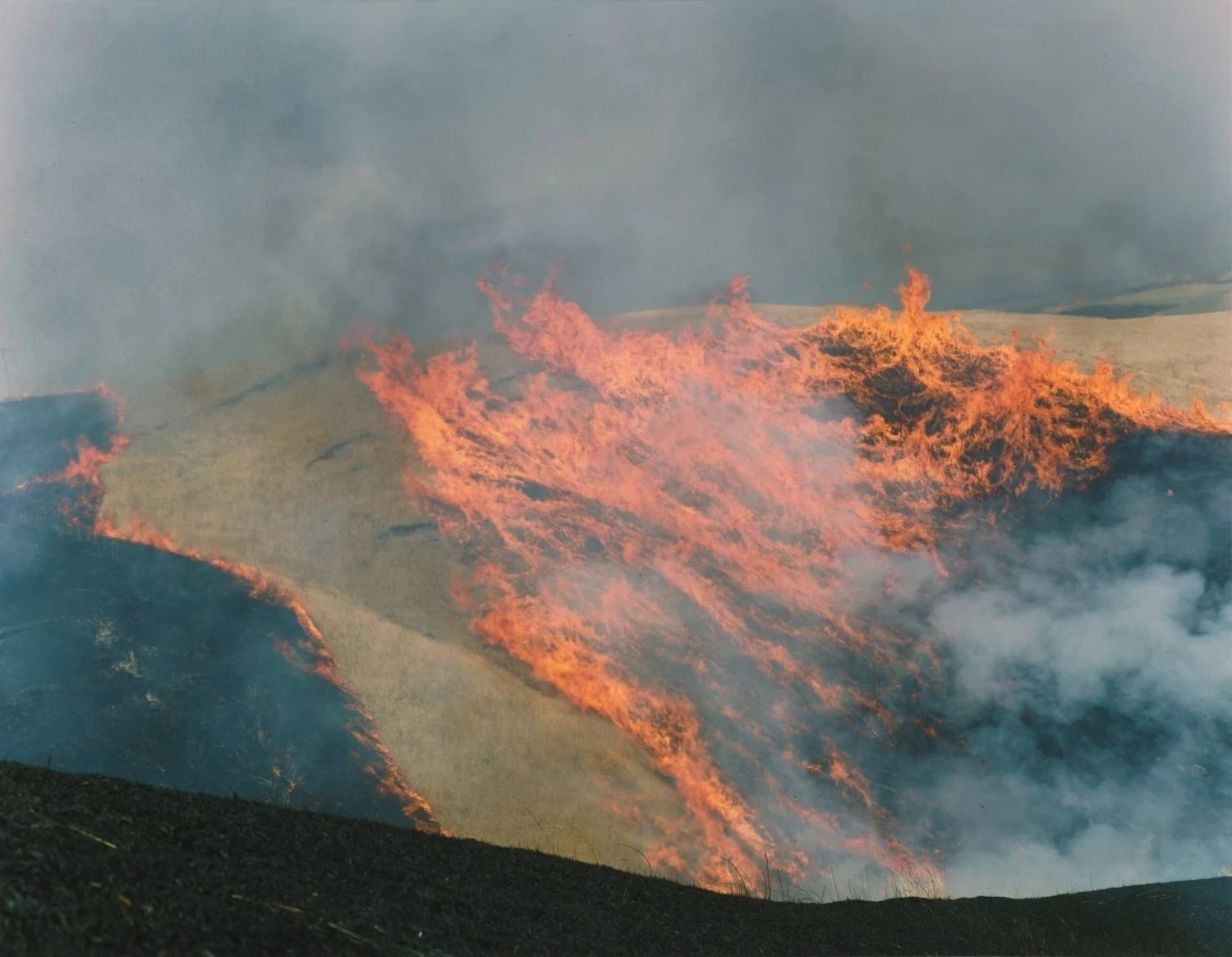
Most art cannot register this, because it keeps human consciousness at the centre and treats the world as material set out for a viewer to organise. Ecological catastrophe cancels that arrangement without argument. Earthquake, tsunami, fire: each exposes the human as something caught inside material forces it does not command, and never did. The damage is not only to buildings. It is to the assumption that the world is addressed to anyone.
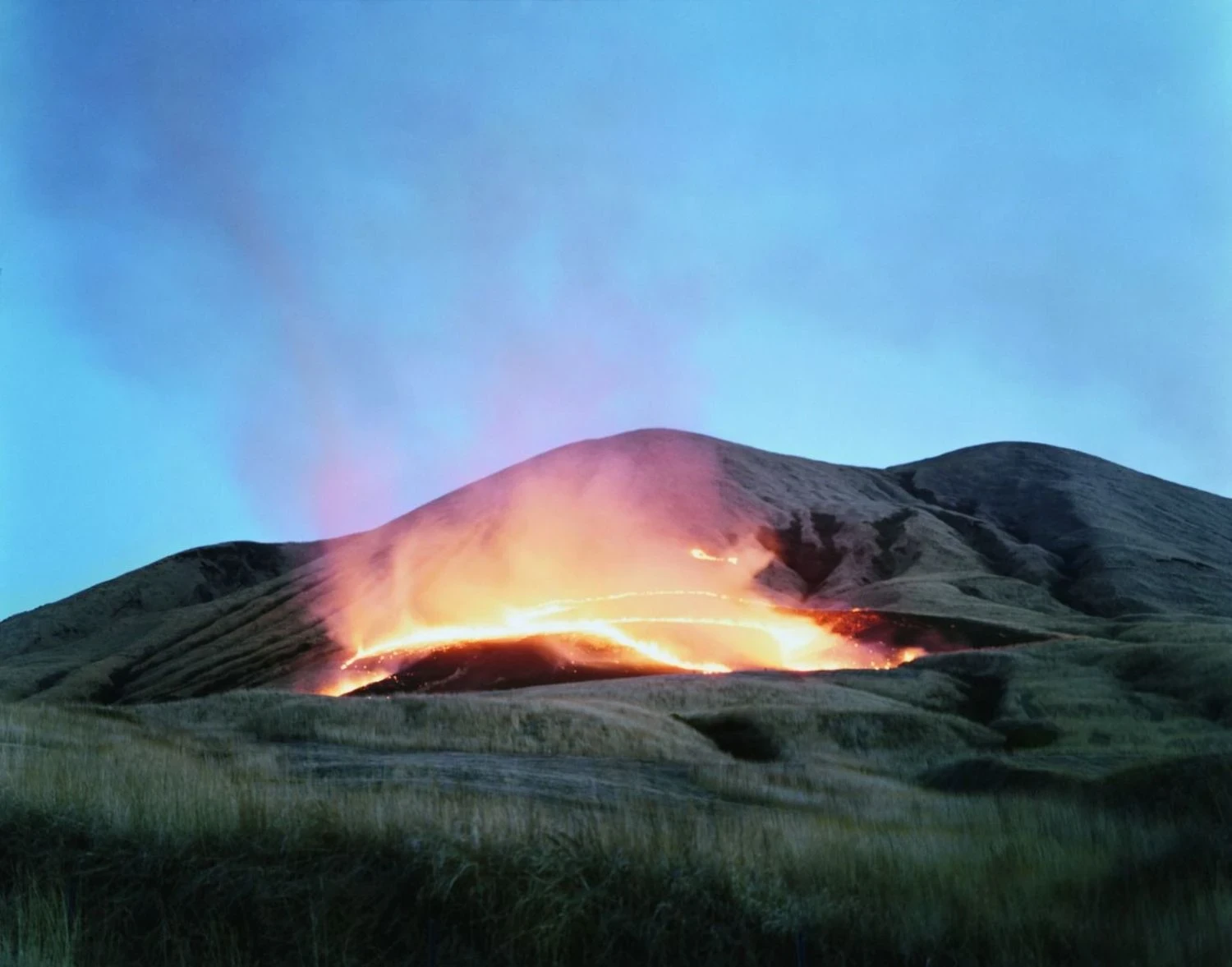
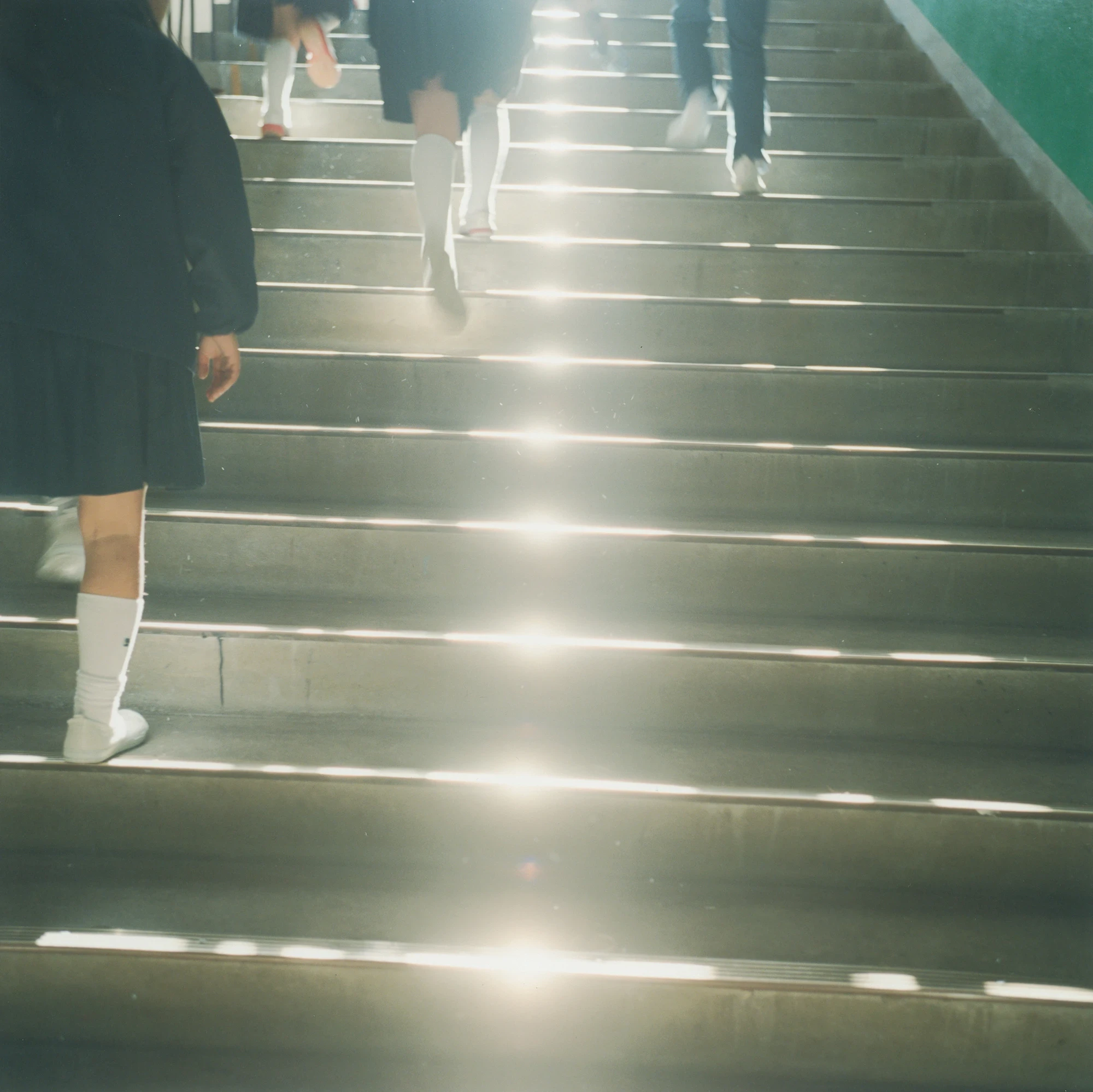
In 2011, after the earthquake, tsunami and nuclear accident in Tohoku, Kawauchi did not photograph the disaster. She worked around it and beside it, on the ordinary that persisted at its edges. What came through was the plain material of the world, no longer arranged for anyone to look at, no longer held in place by the habits that make a day feel continuous.
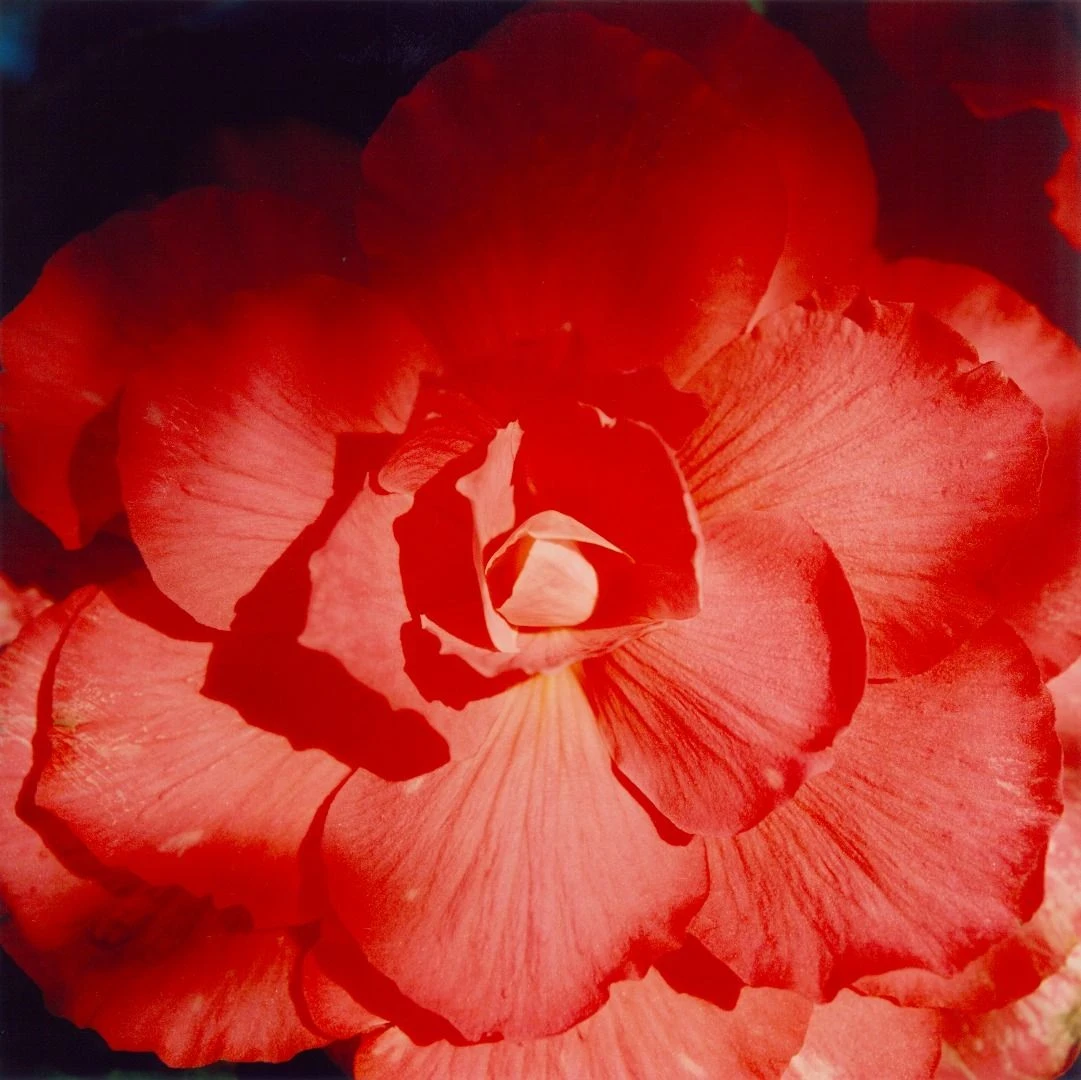
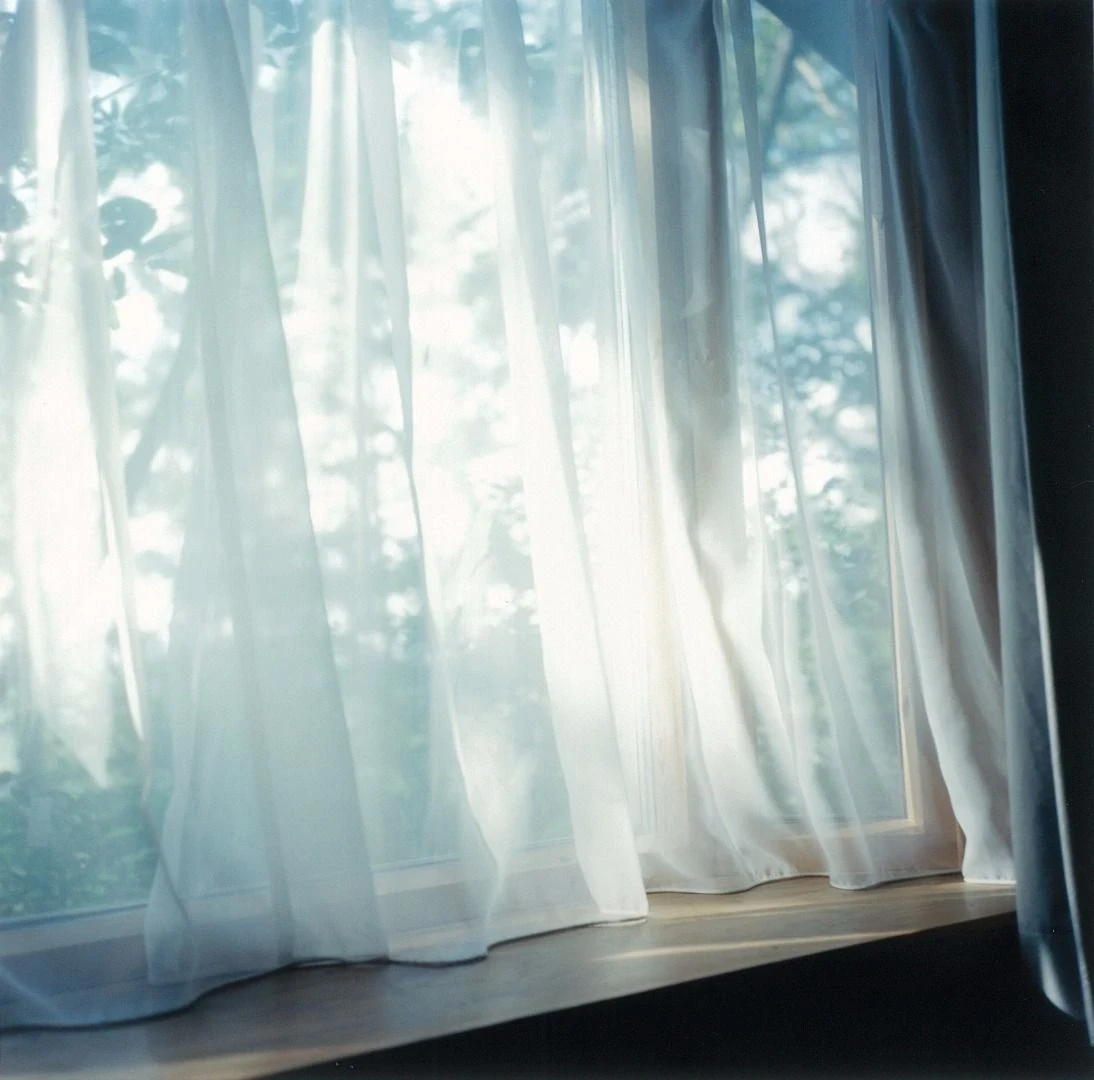
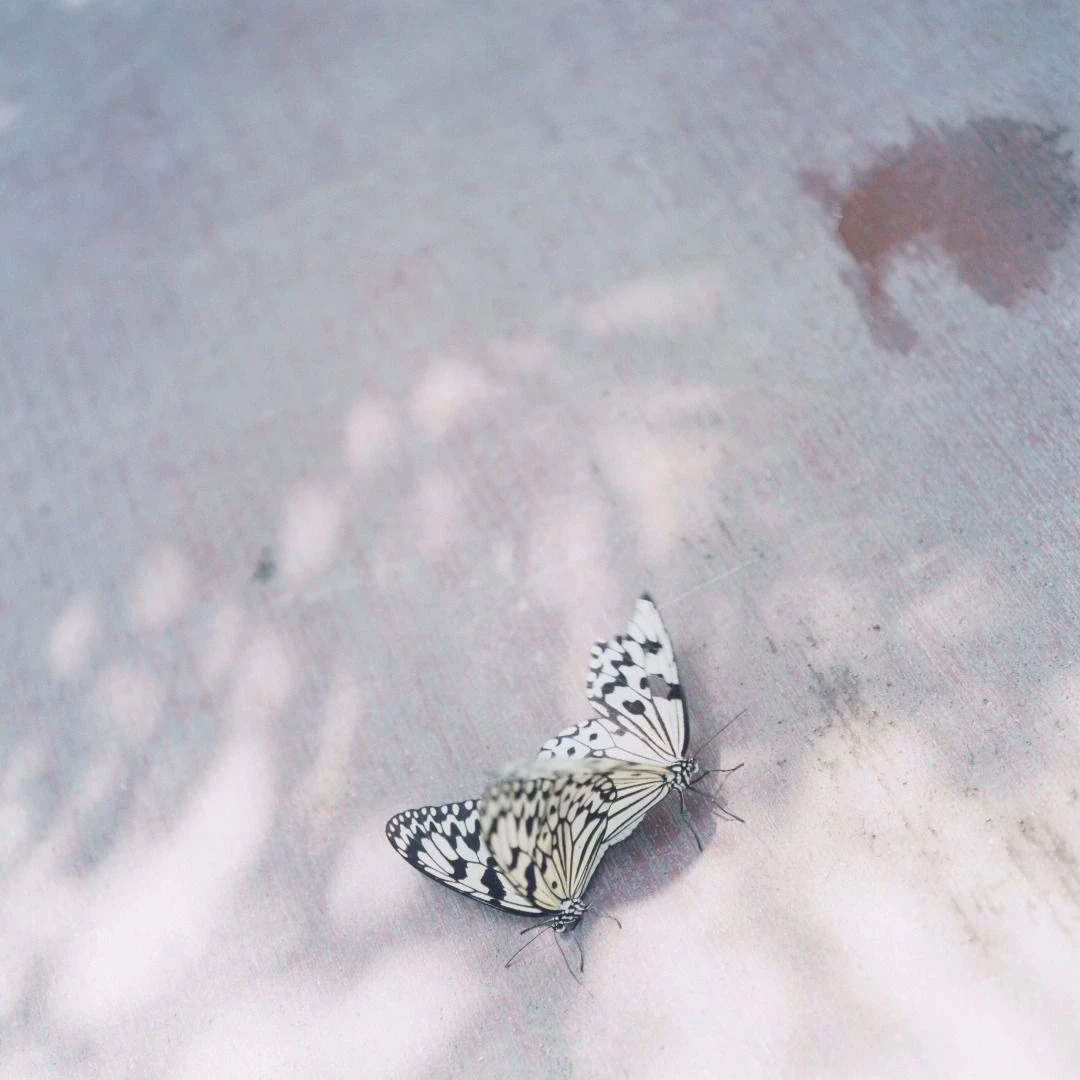
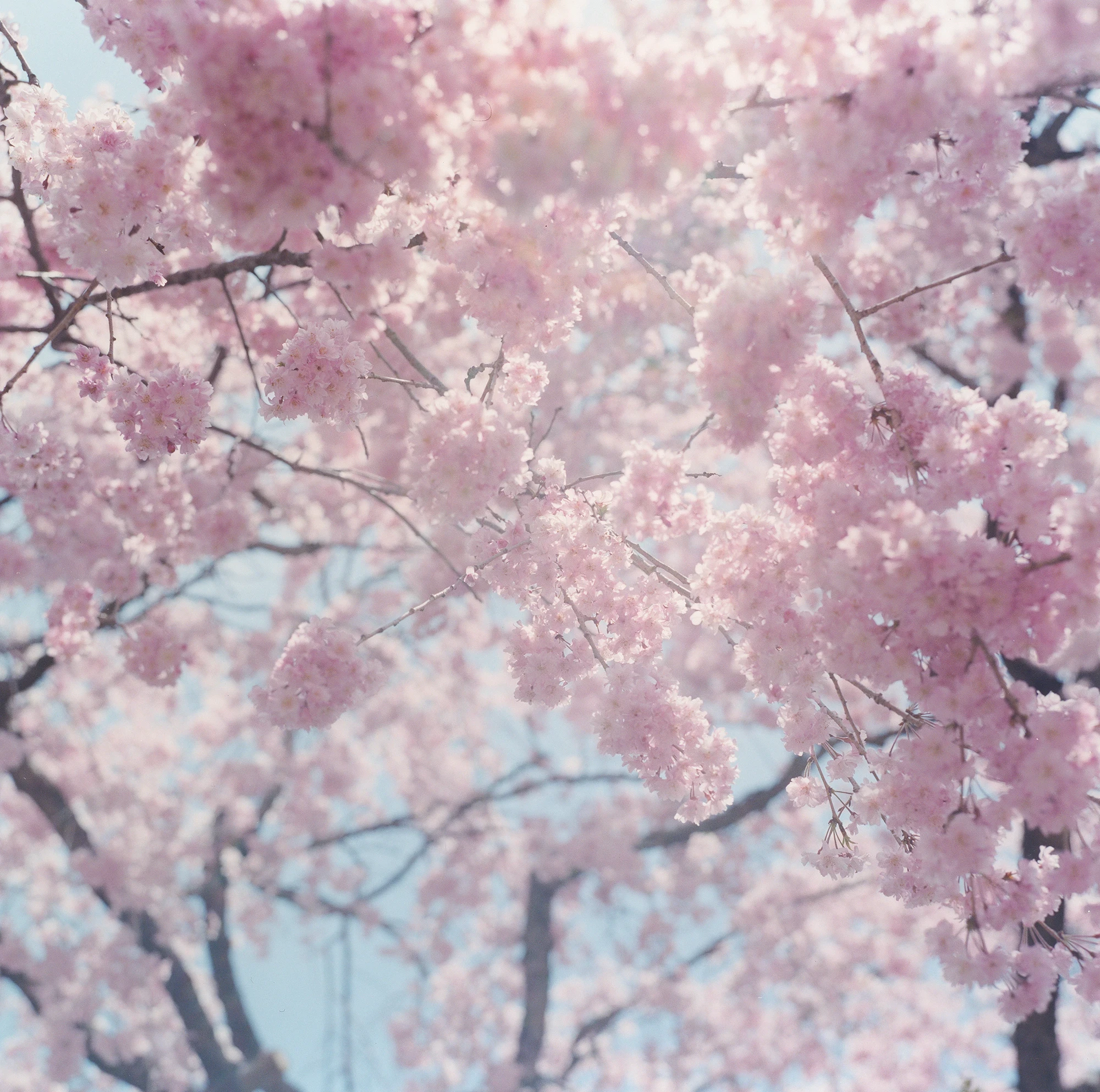
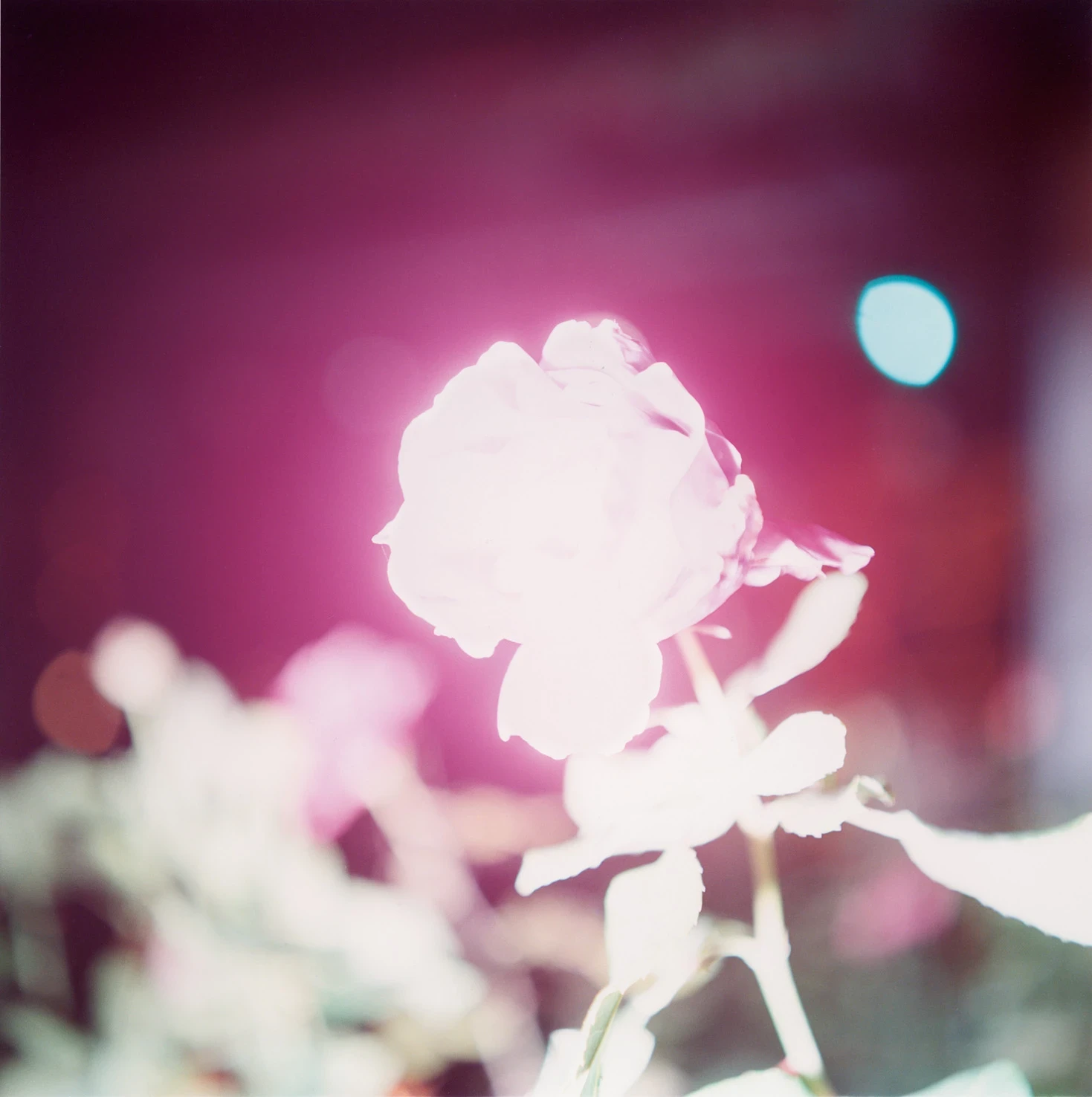
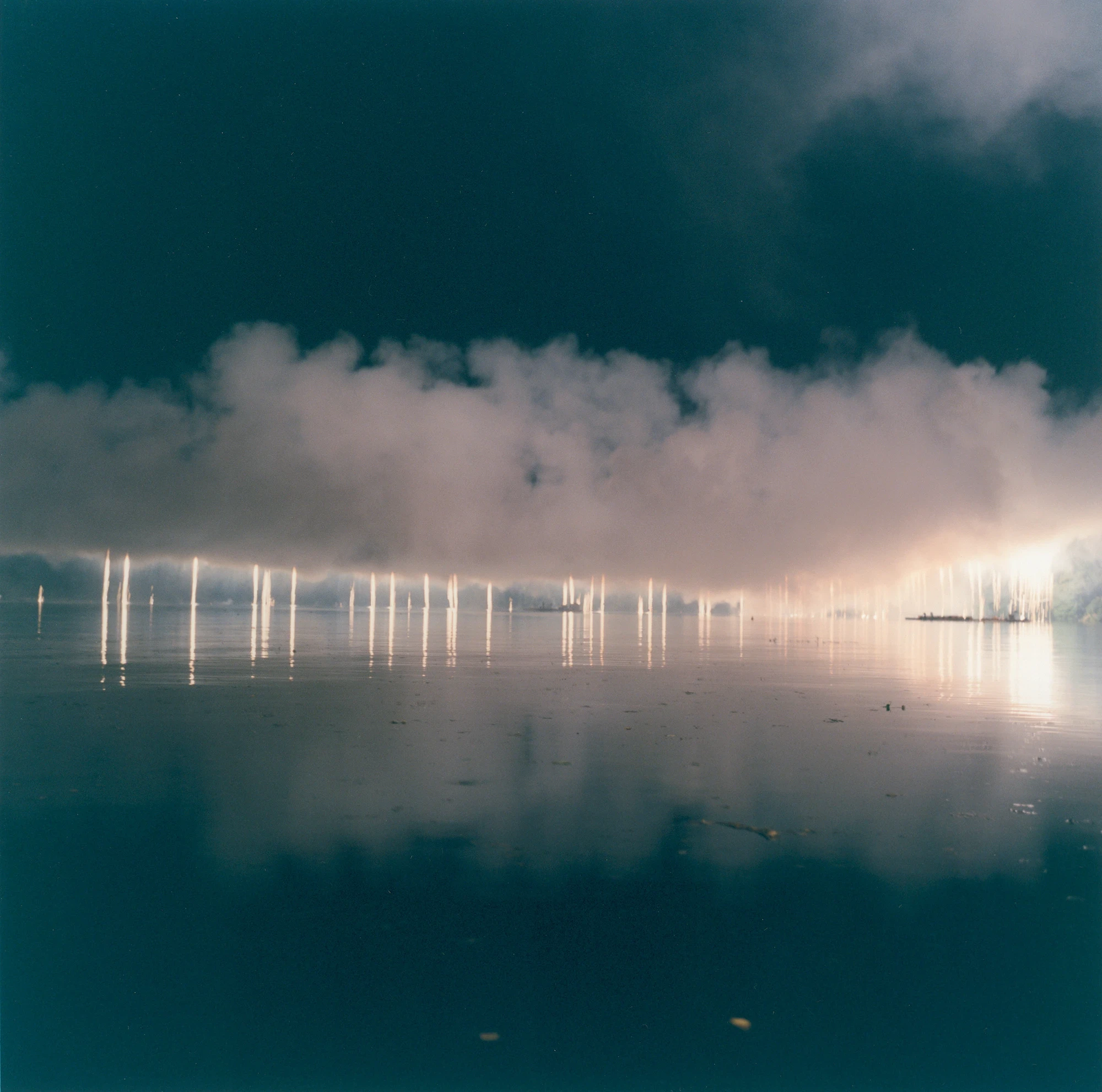
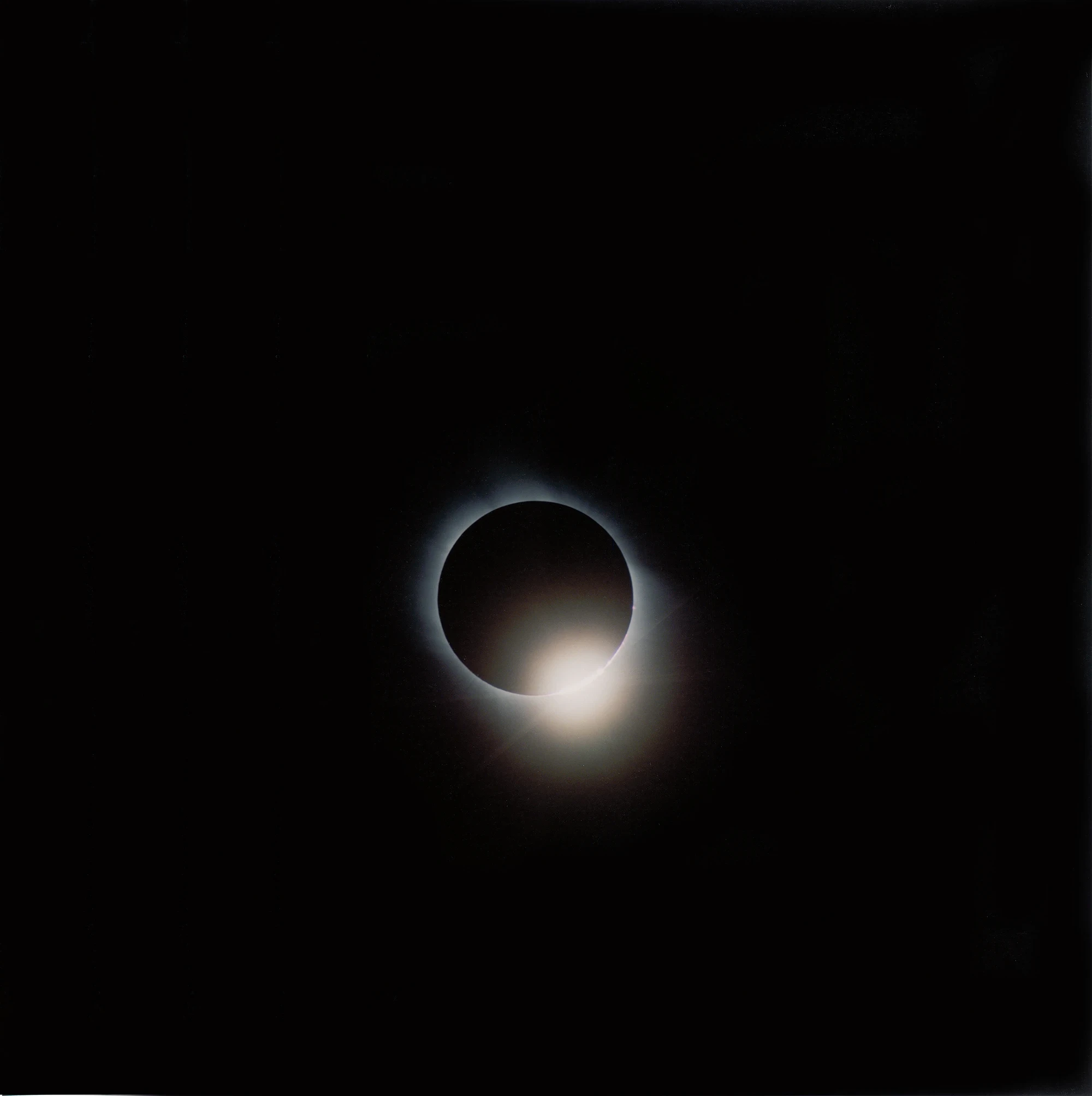
The claim at the centre of his reading runs against what light is assumed to do. In her work light does not clarify. It obscures. It thins surfaces, loosens things from their own outlines, dematerialises what it falls across. He calls the result a luminous openness, taking the phrase from Alphonso Lingis: a condition in which nothing settles into a fixed identity, objects stay ambiguous, and edges give way before they can be secured.
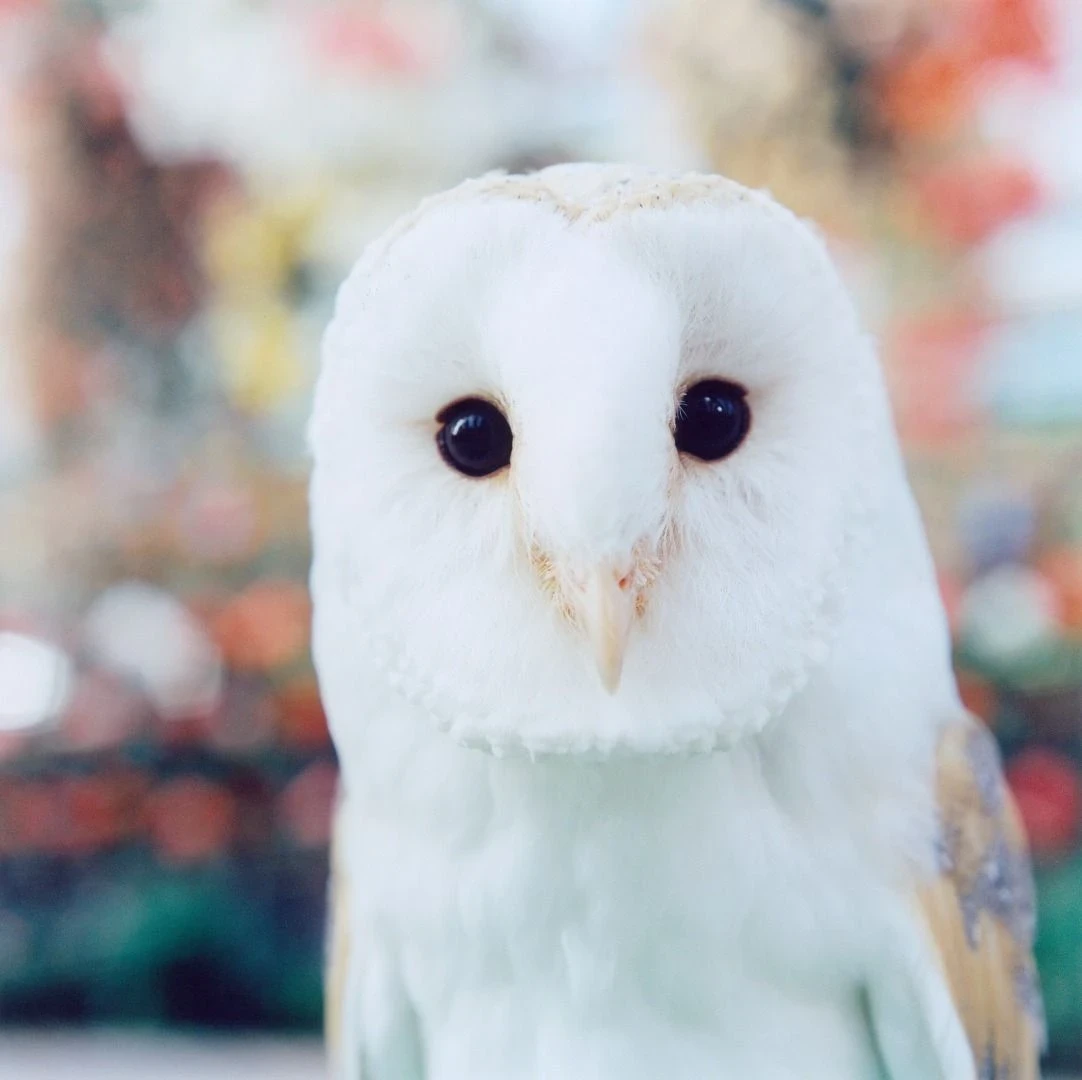
Fragility, in this account, is not doom and not a warning. It is a permanent condition, the way things already are. Nothing can be held as a separate, durable object; everything is giving somewhere. And the fragility does not begin at the moment a person notices it. It is there beforehand, without witness. Photography can reach that vague zone, the part of the ordinary that precedes categories and names, in a way few other practices can.
What opens beyond fragility is harder. If nothing is separate, things are permeable: they enter one another, alter one another, take on properties that were never theirs alone. The earth that appears through this is genuinely other. It is not a setting, not a background, not a resource, and it is indifferent to what is wanted of it. That indifference is not something the pictures observe from outside. It is the condition they were made inside.