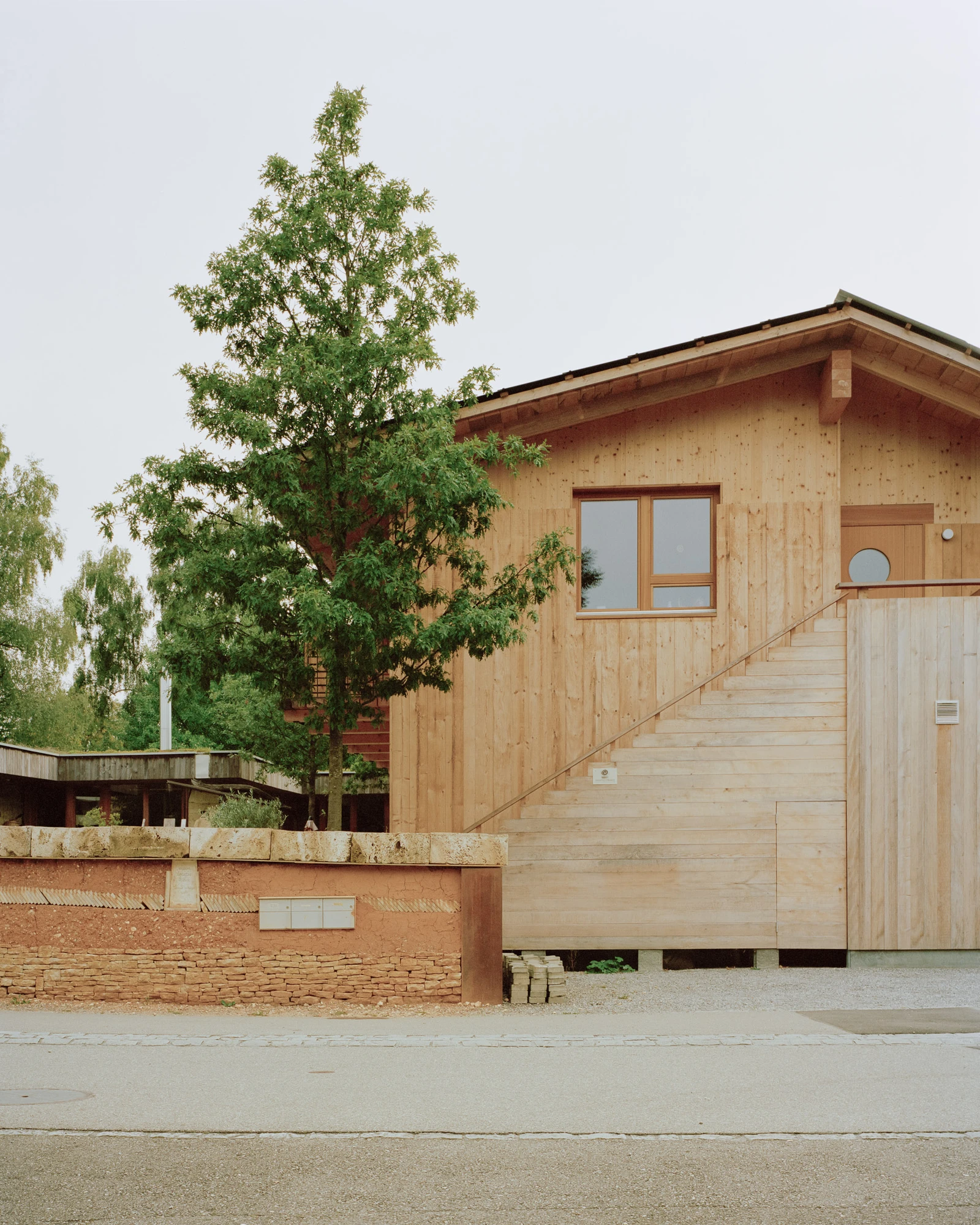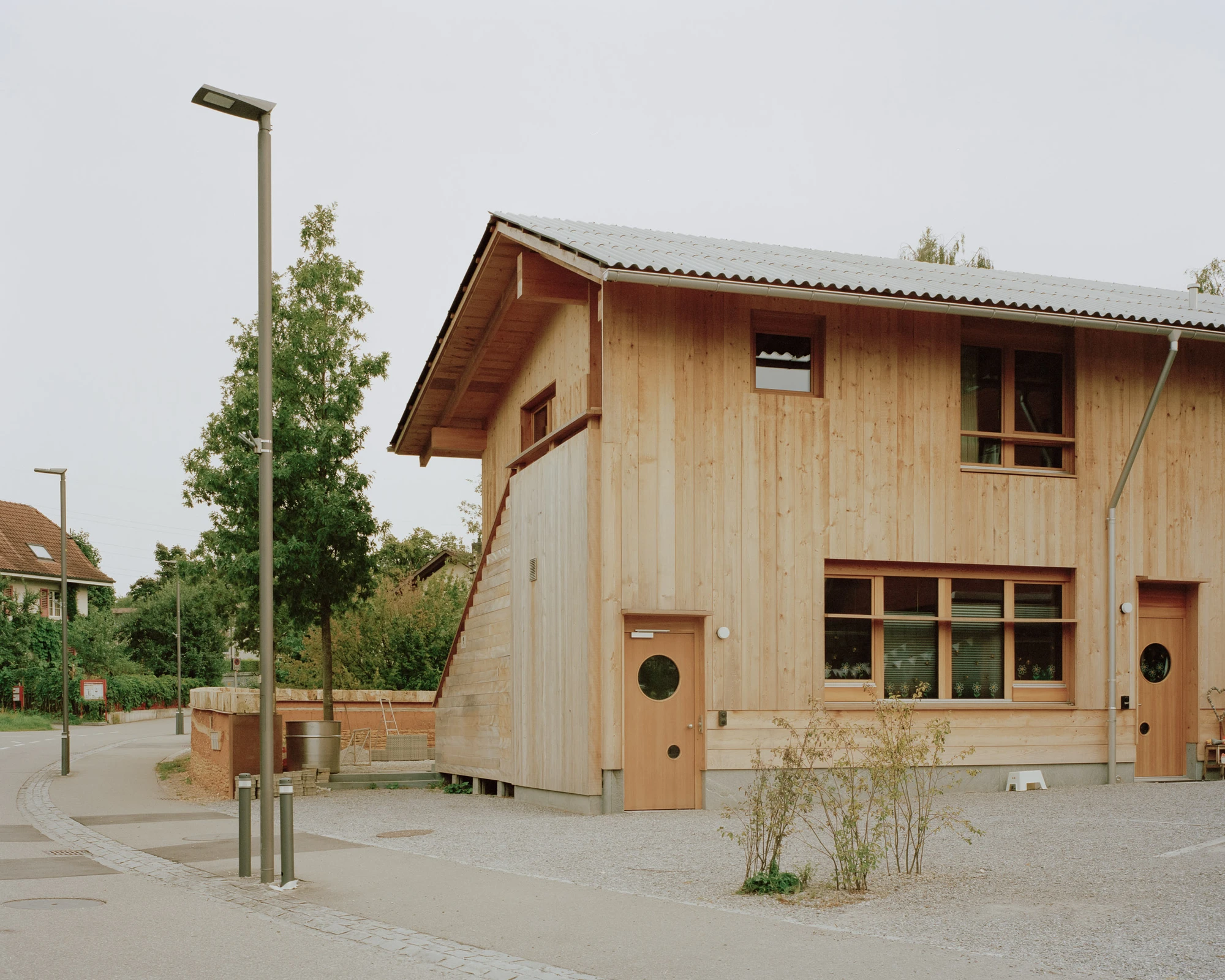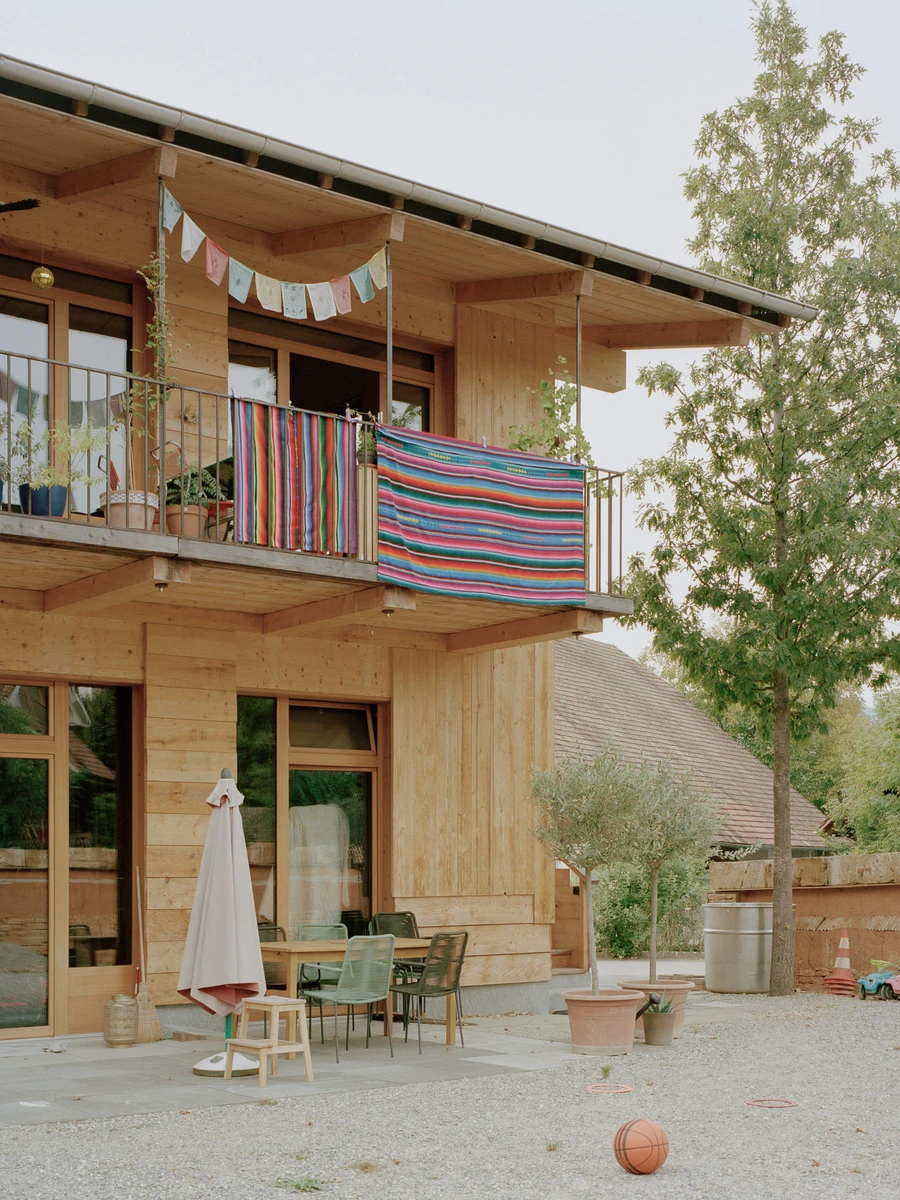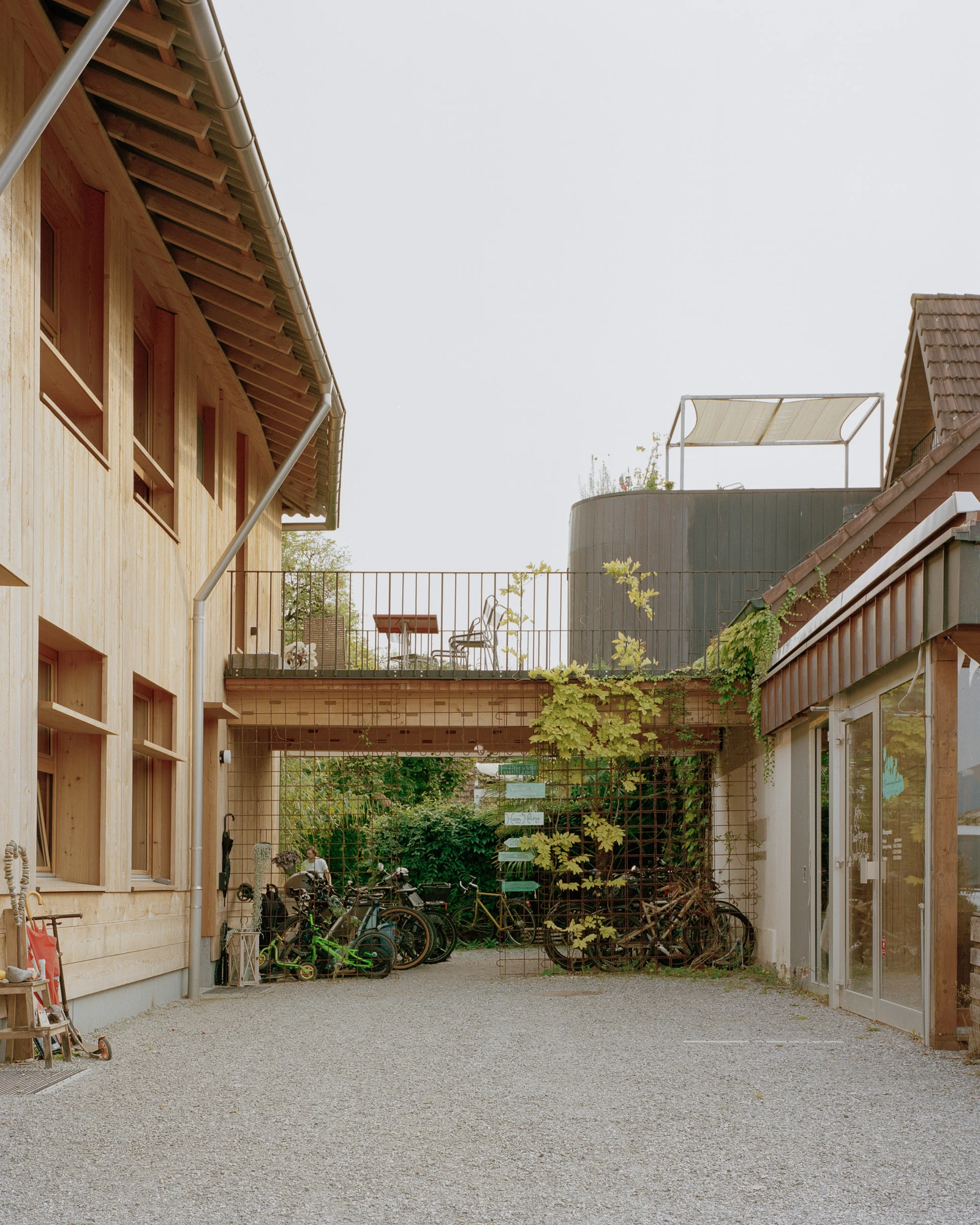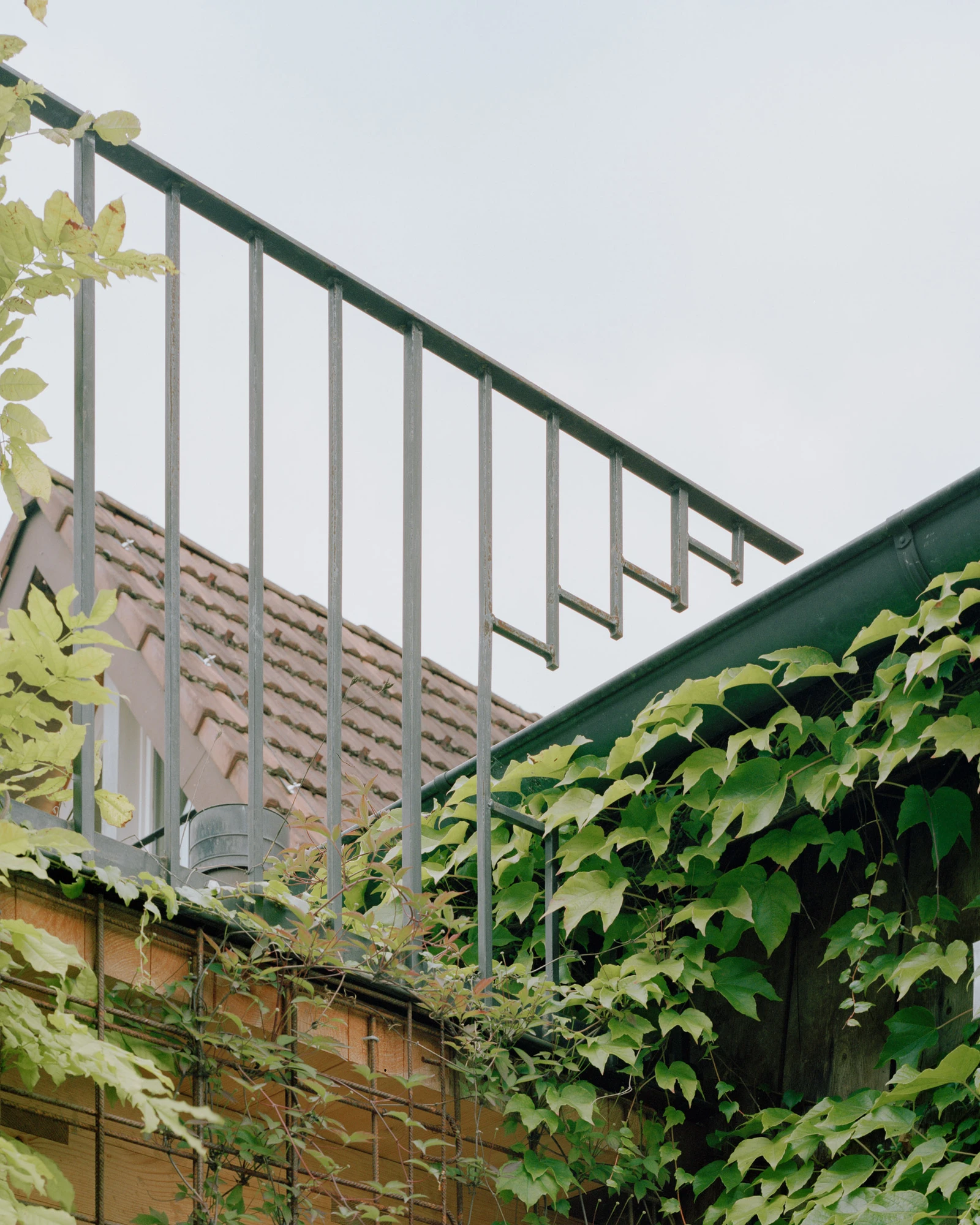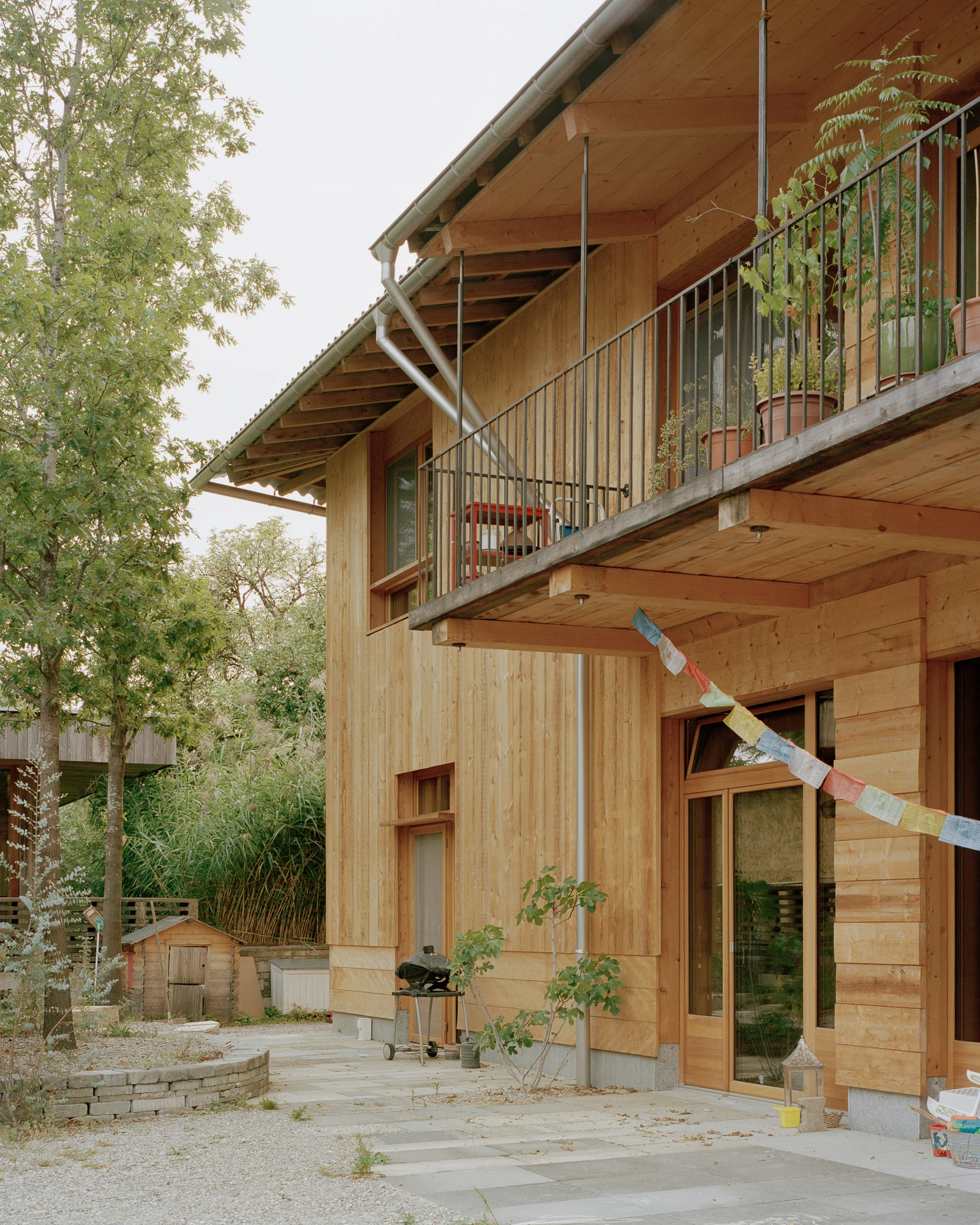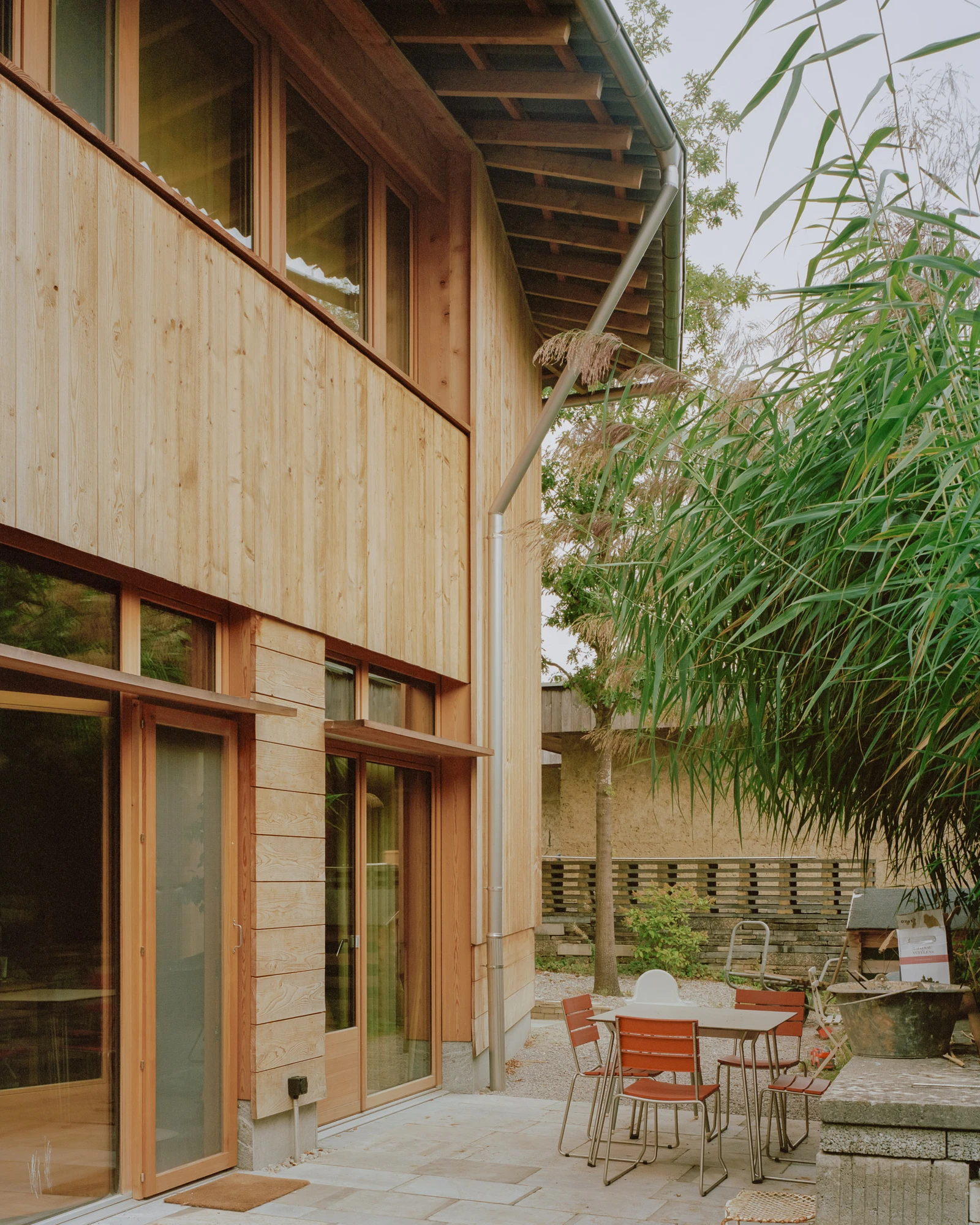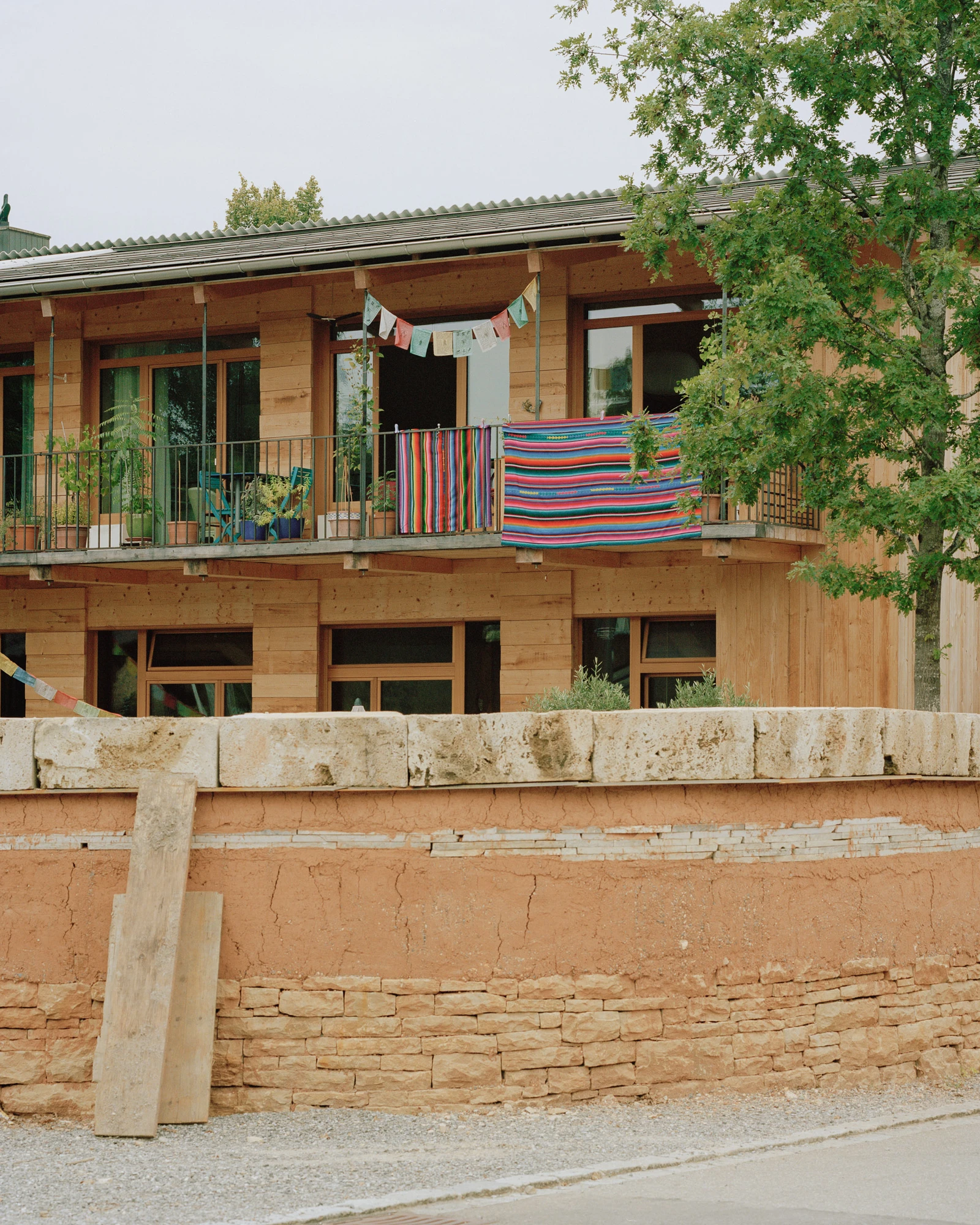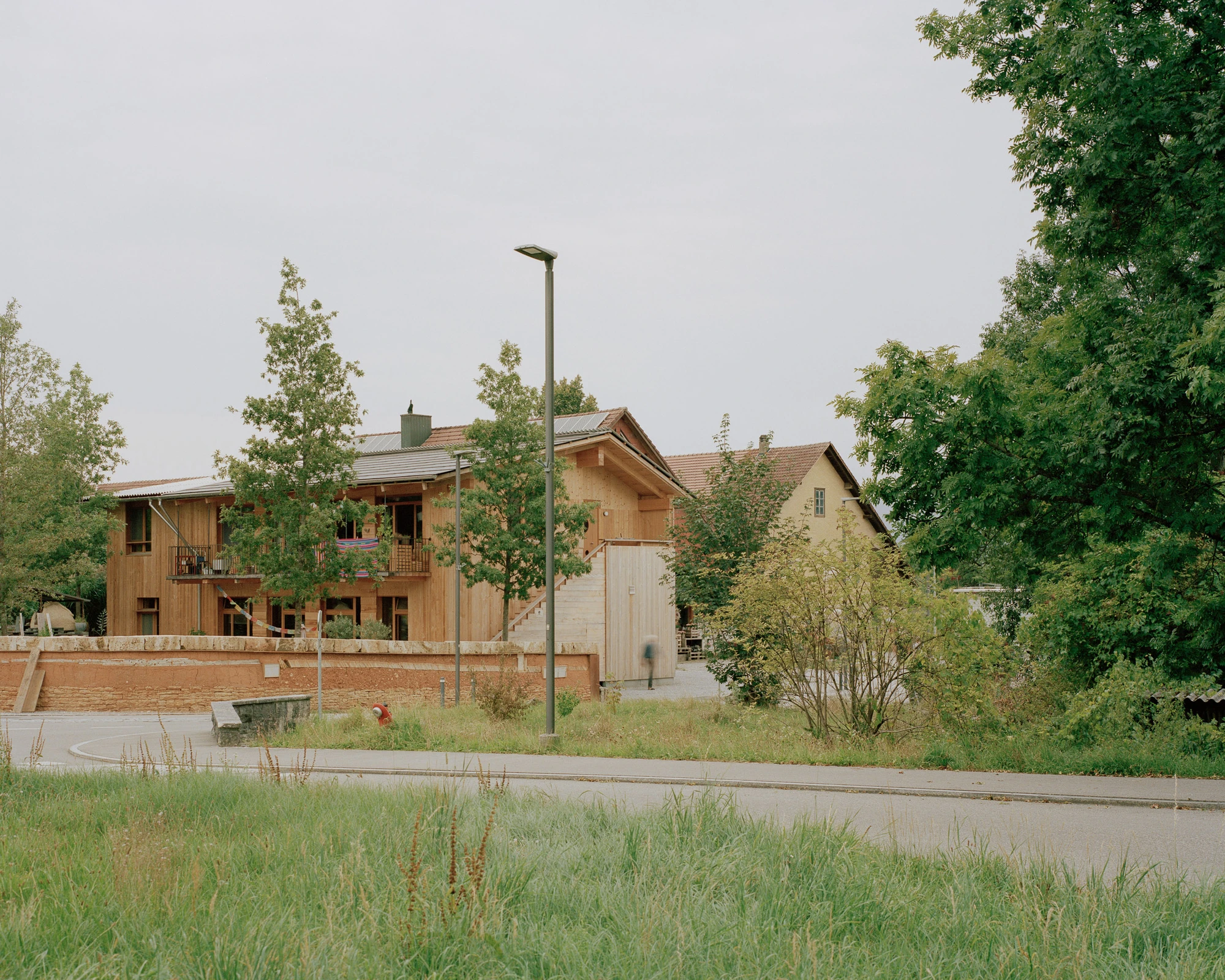
In the village core of Deitingen, Switzerland, studio ou positions a new residential building in quiet dialogue with the region's farmhouse tradition.
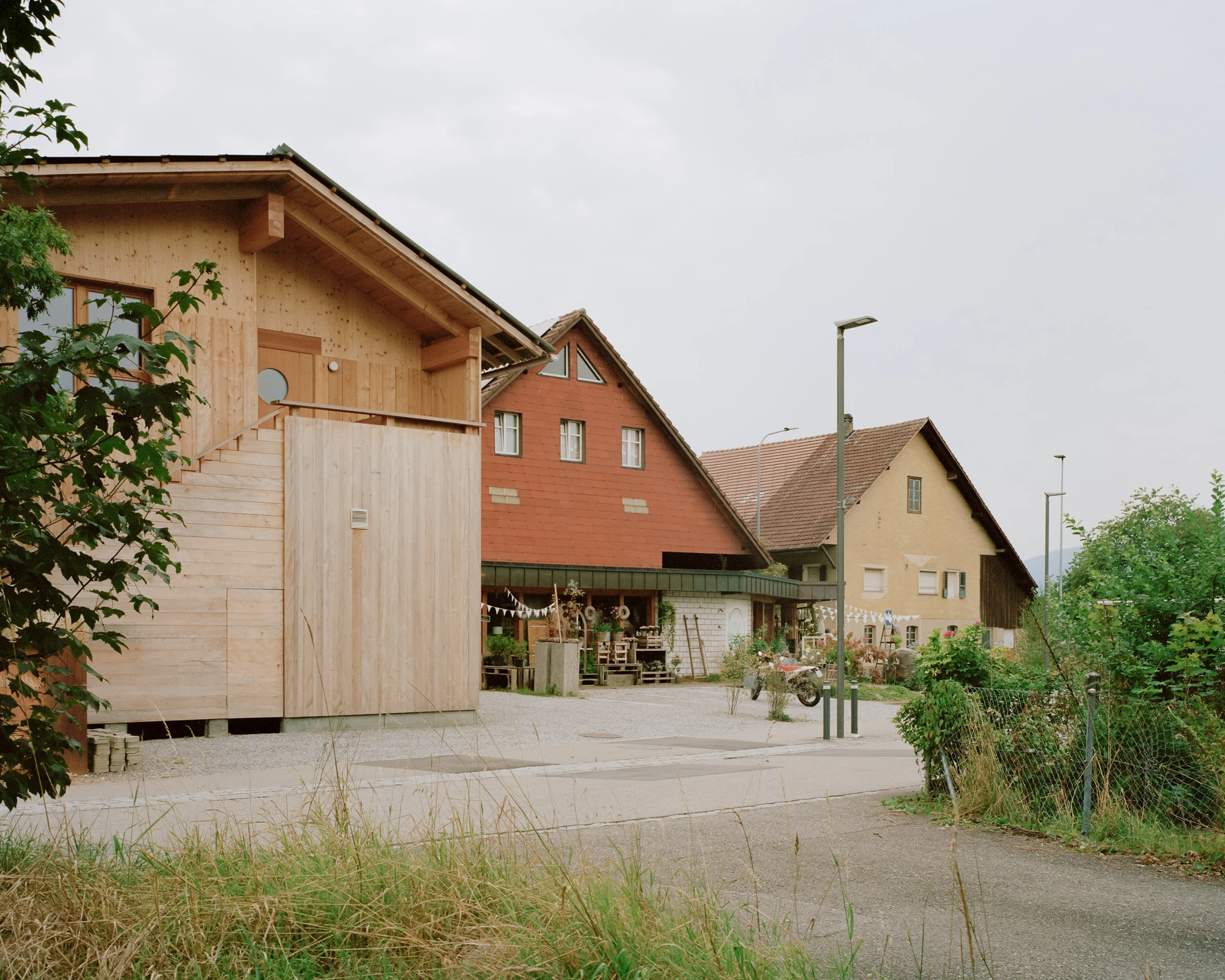
Deitingen is the kind of place whose character is easier to describe than to justify. Large farmhouses set at regular intervals along the main streets, a sense of spatial order that has become increasingly rare in the Wasseramt region. Studio ou, founded by Joel Flückiger, Simeon Muhl, Simon Kunzler, Antonio Ciullo, and Yanik Wagner, located their new residential building within the village core zone with this context as the explicit starting point.
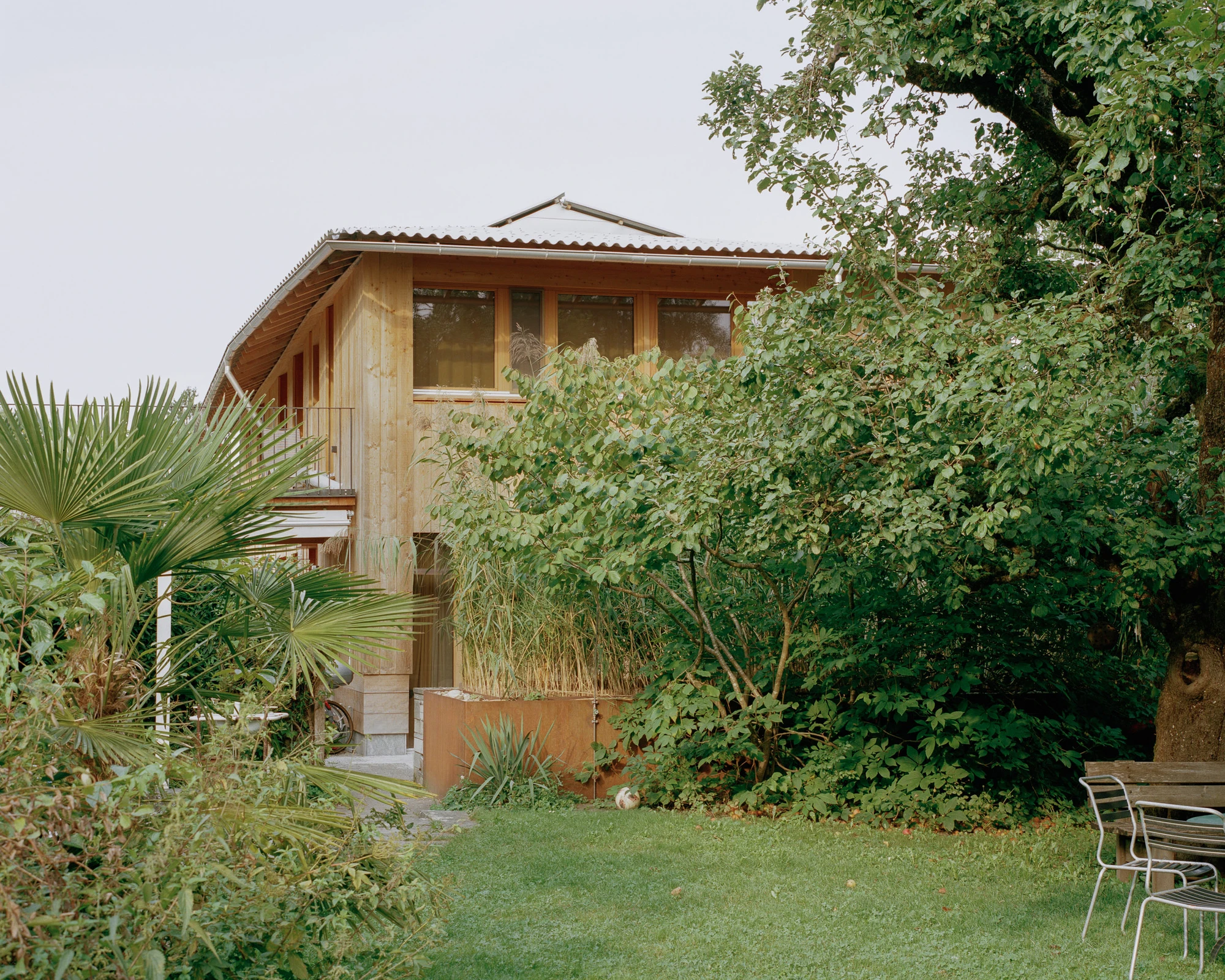
The building is conceived as a restrained volume that shifts from the center of the plot toward the street, establishing a relationship with the village without dissolving into it. The rear sides open onto gardens, an arrangement made possible by a pilot mobility concept that trades parking spaces for green area. The client, a retired master gardener, had a specific vision for that ground: generous, cultivated, belonging to the landscape of the village rather than sliced off from it.
What studio ou proposes here is less a formal innovation than a form of civic attention. The decision to position the structure toward the street, to honor the rhythm of the existing built fabric, reads as an argument about what new buildings owe their context. Not mimicry. Not contrast for its own sake. Something more patient: a volume that earns its place by knowing where it stands. Photographed by Jeremiah Schwery.
The project enters a conversation that Swiss architecture has been having quietly for decades, about how contemporary residential construction can sit inside the inherited grain of a village without either erasing it or performing deference to it. The answer here is in the shift, the measured step toward the street, the gardens opened at the rear, the gardener's land given the scale it deserves.