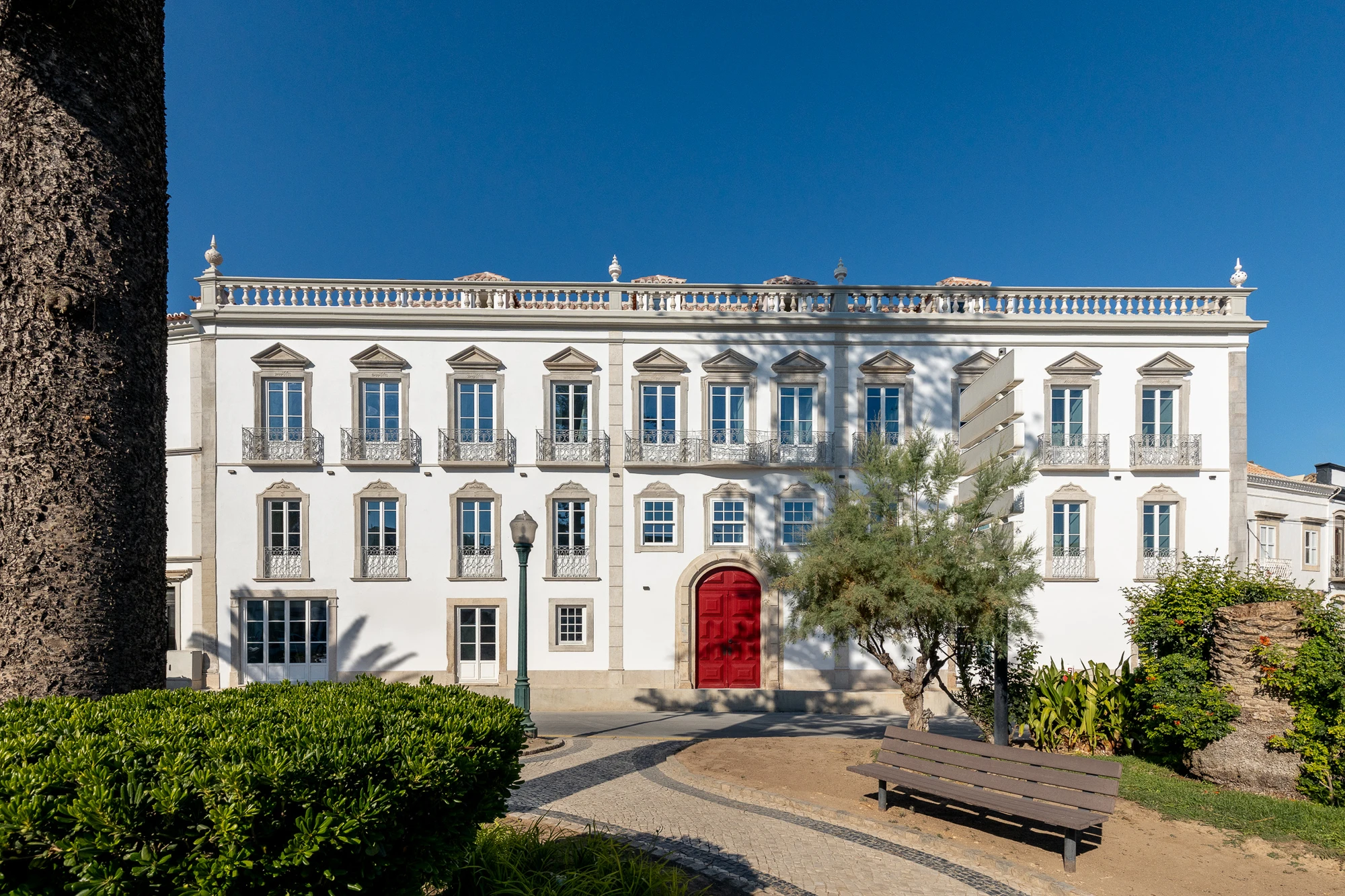
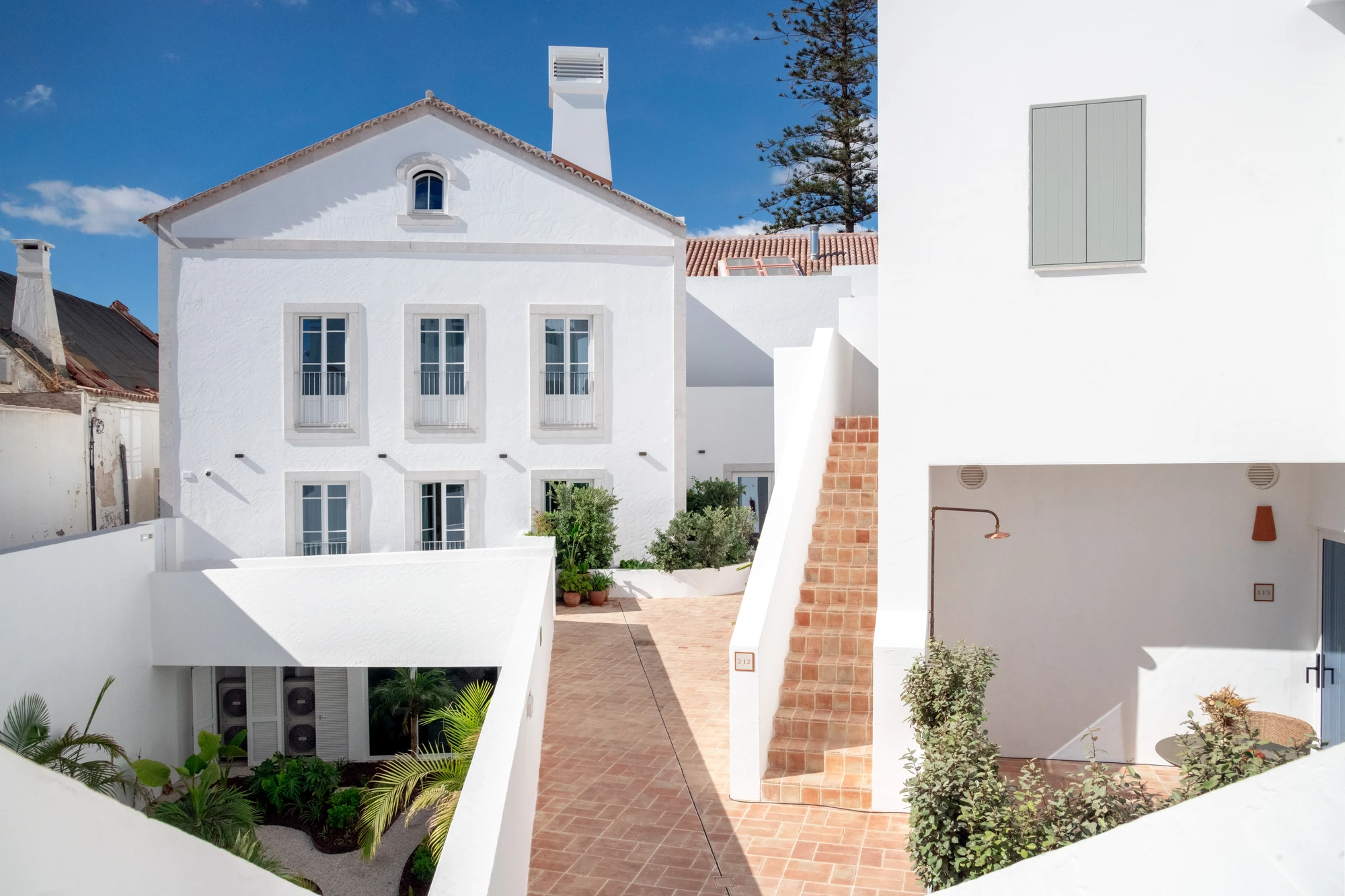
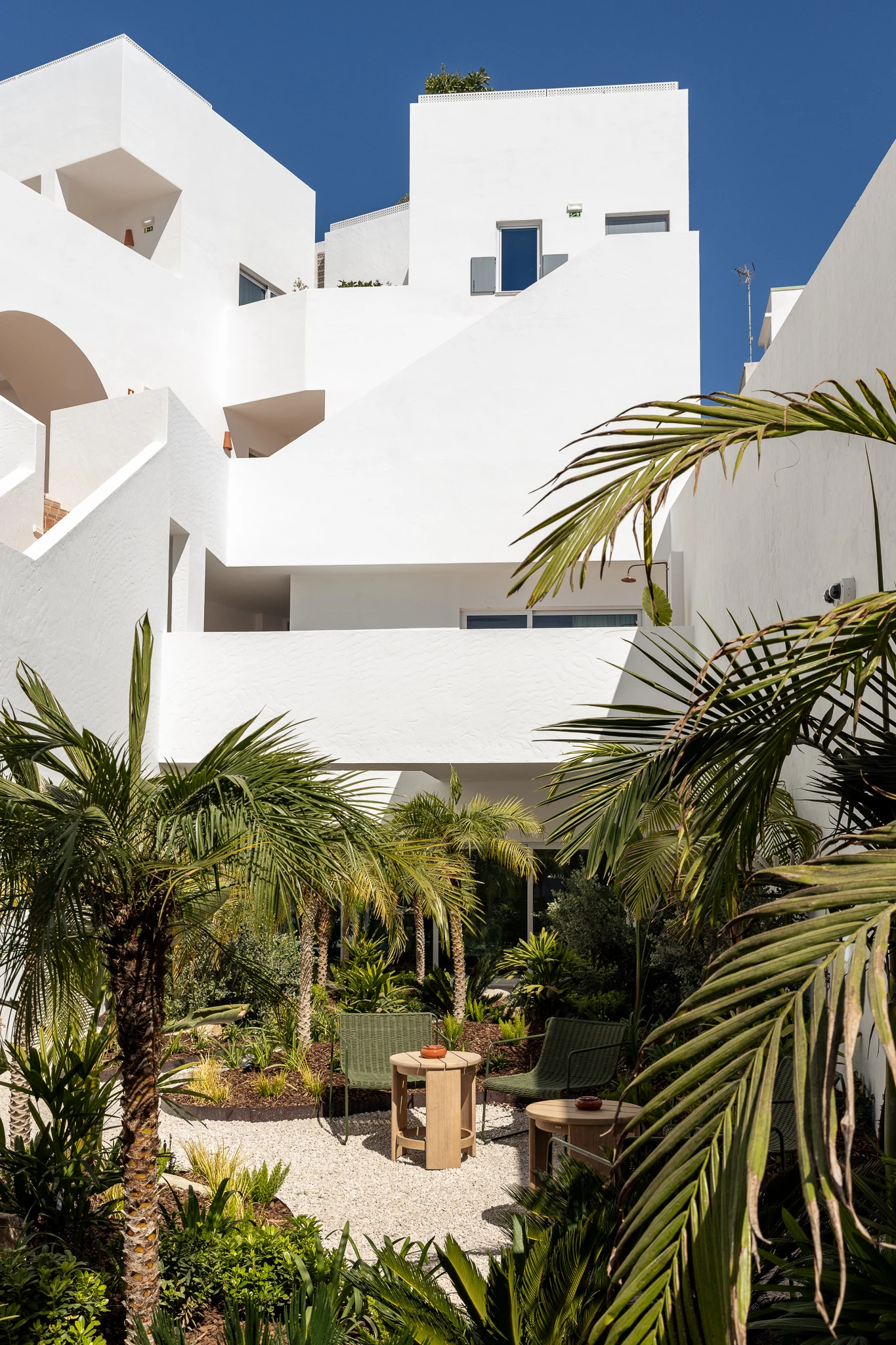
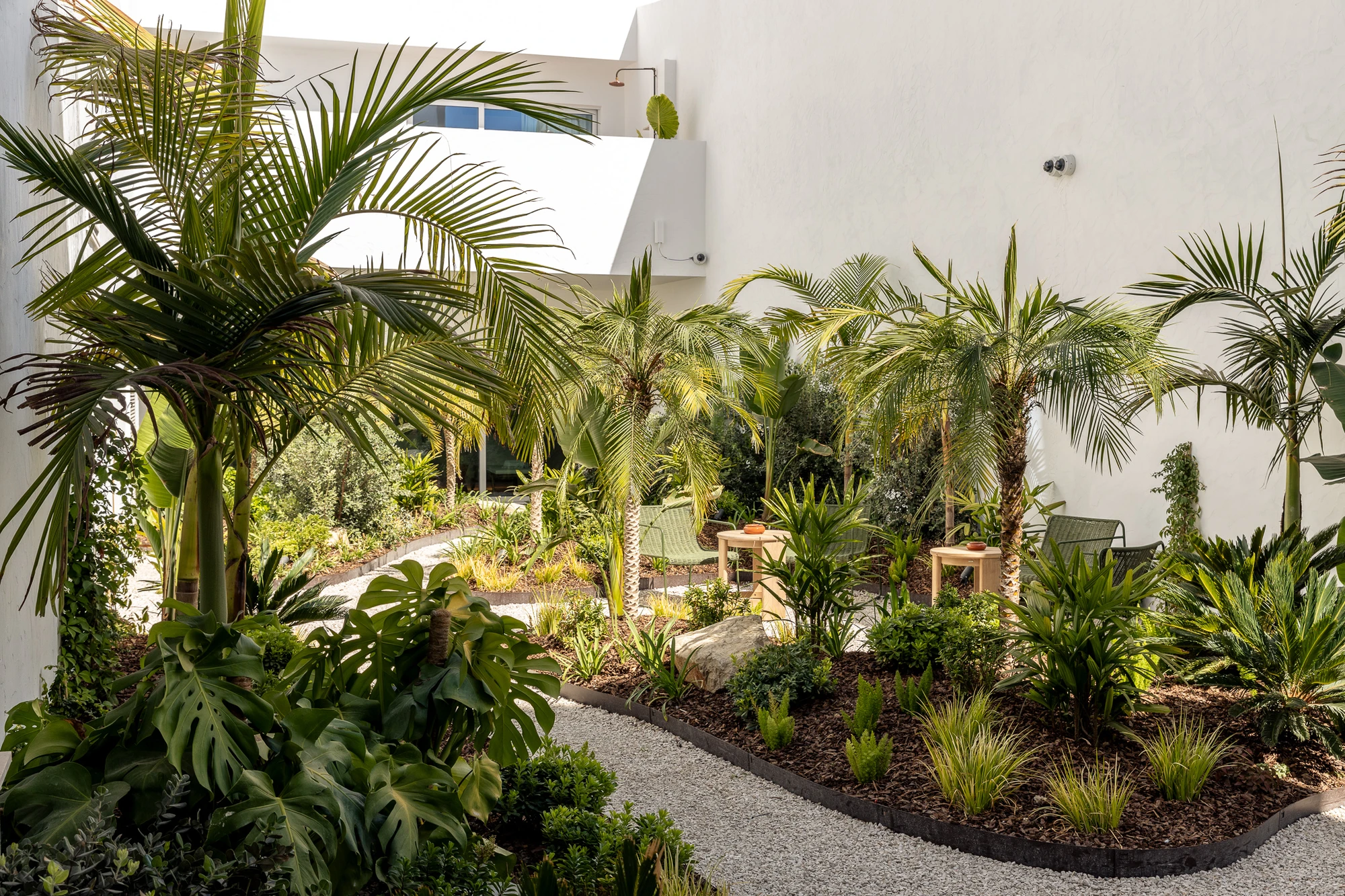
An 18th and 19th-century Tavares family residence in Tavira, Portugal reopens as Hotel Palácio de Tavira, a restoration in clay, lime and linen with a new Medina courtyard that names Moorish heritage.
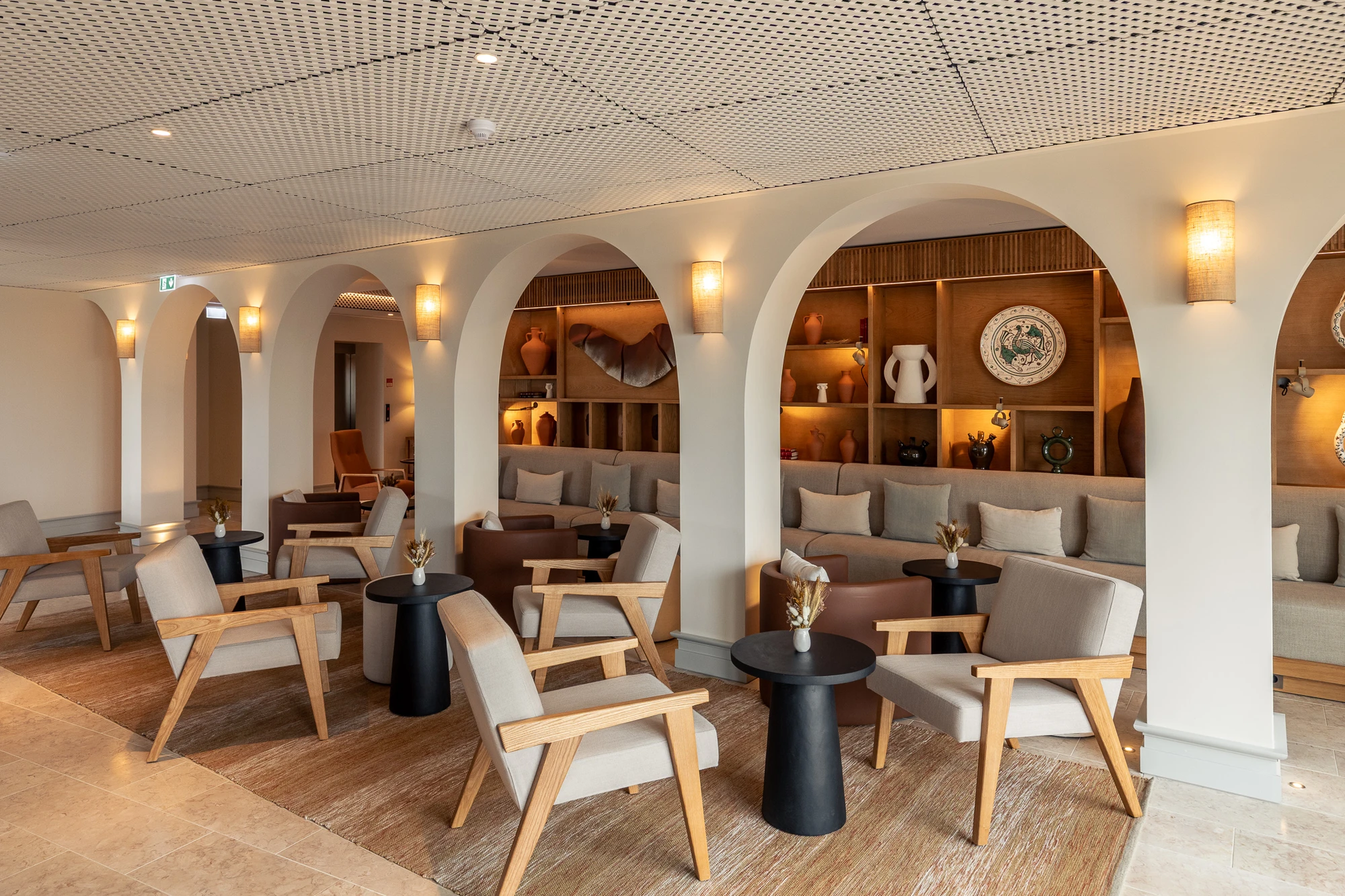
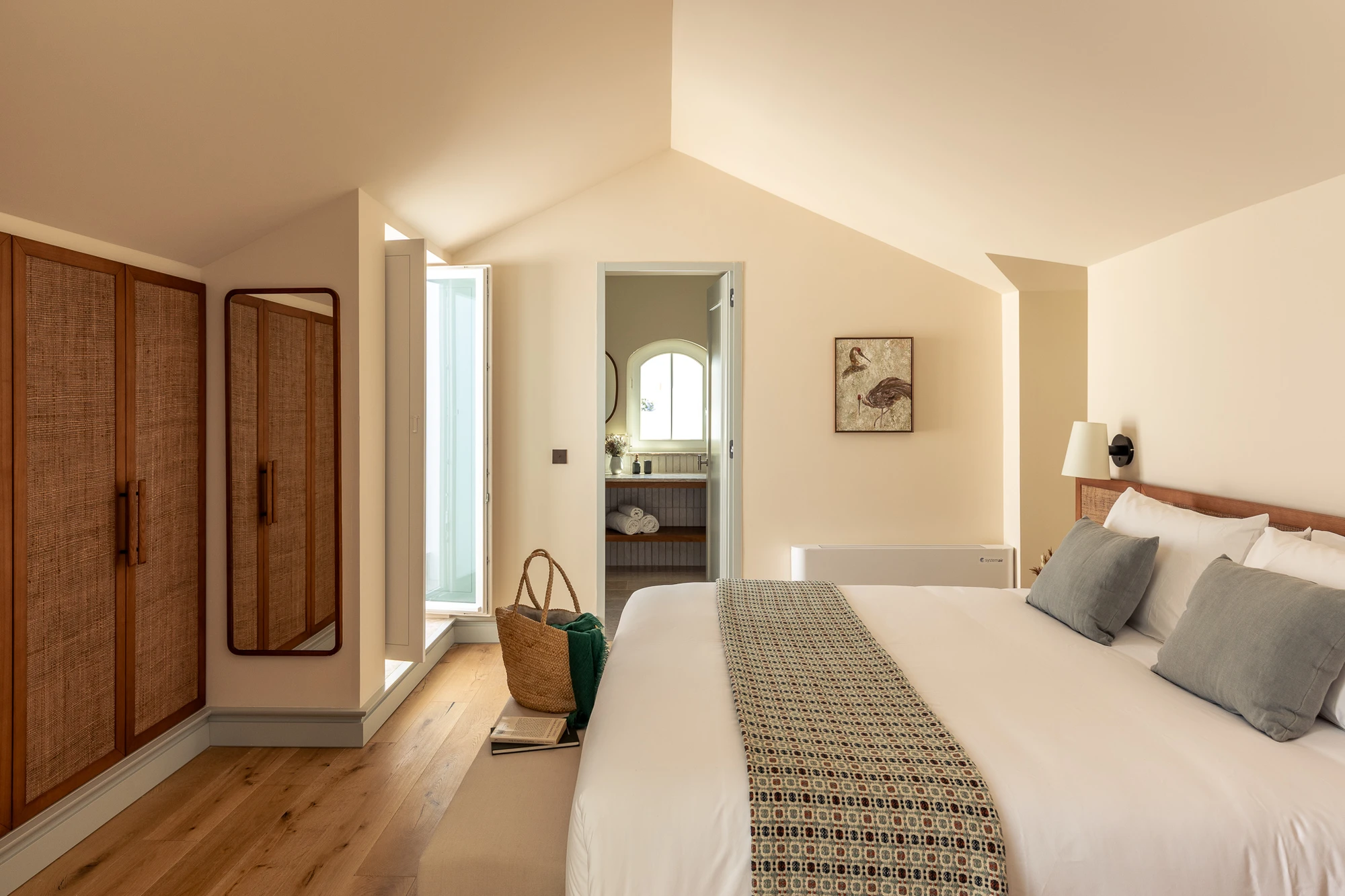
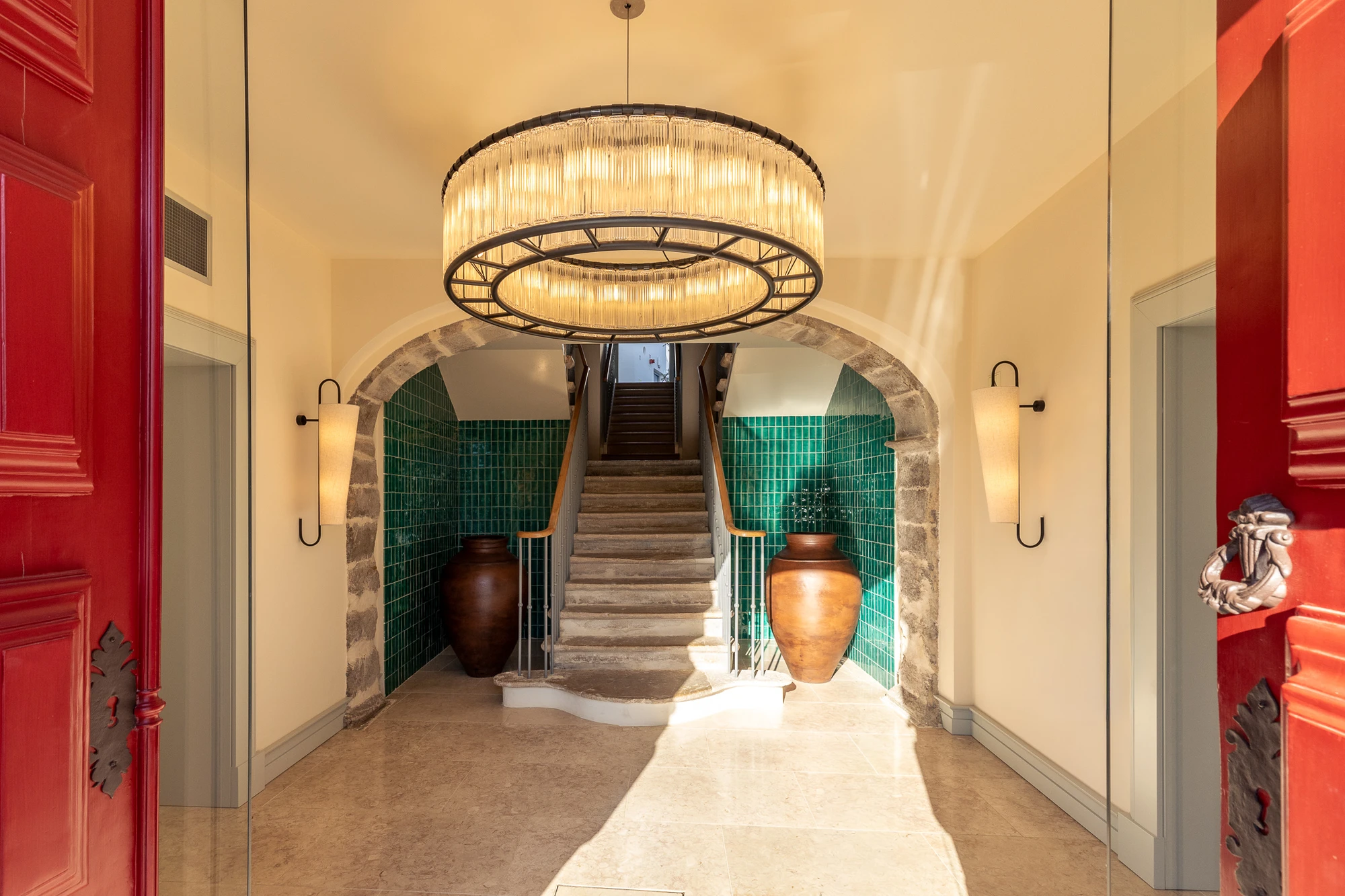
The palácio was once a centre of aristocratic life in Tavira: receptions, political debates, the social gravity of a city whose position at the meeting of land and sea had shaped its character across centuries. The thick walls and the way light entered through the windows carried the calm of a place built to outlast its first occupants. That calm is the quality the restoration chose to preserve above all. "Every room allows in light, shadow and silence," the project description notes. "The architecture does not seek to impress, but to welcome."
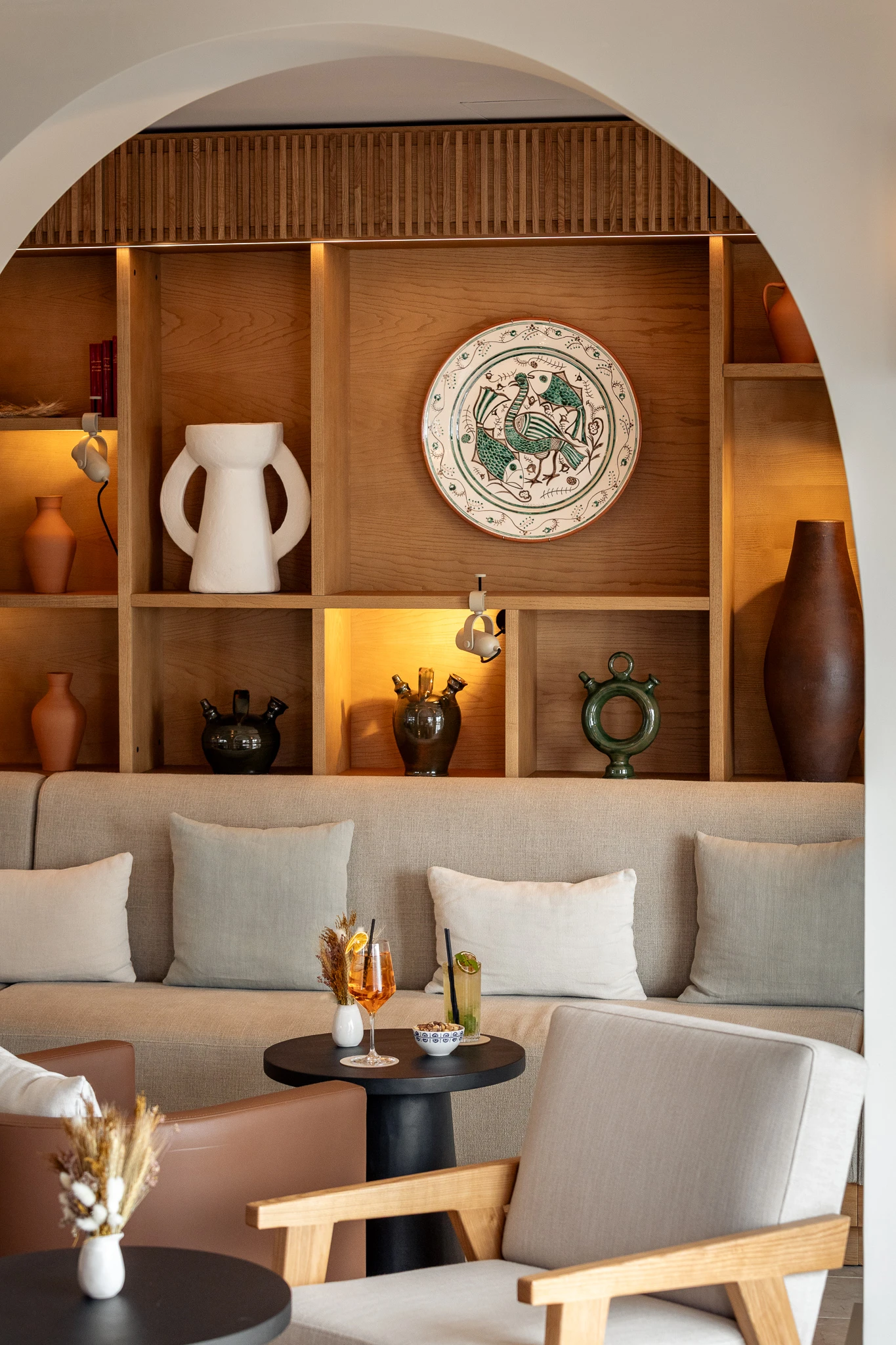
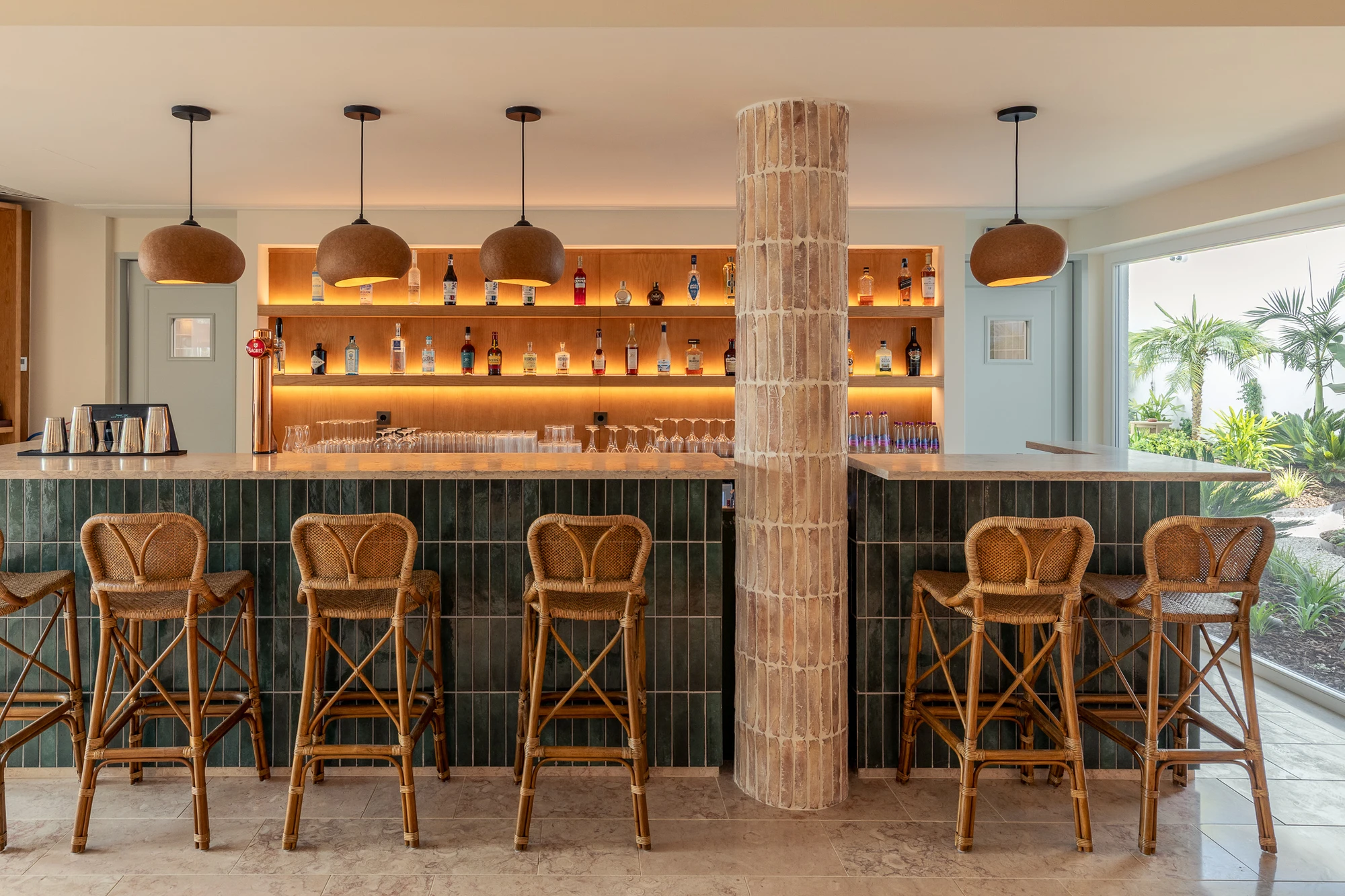
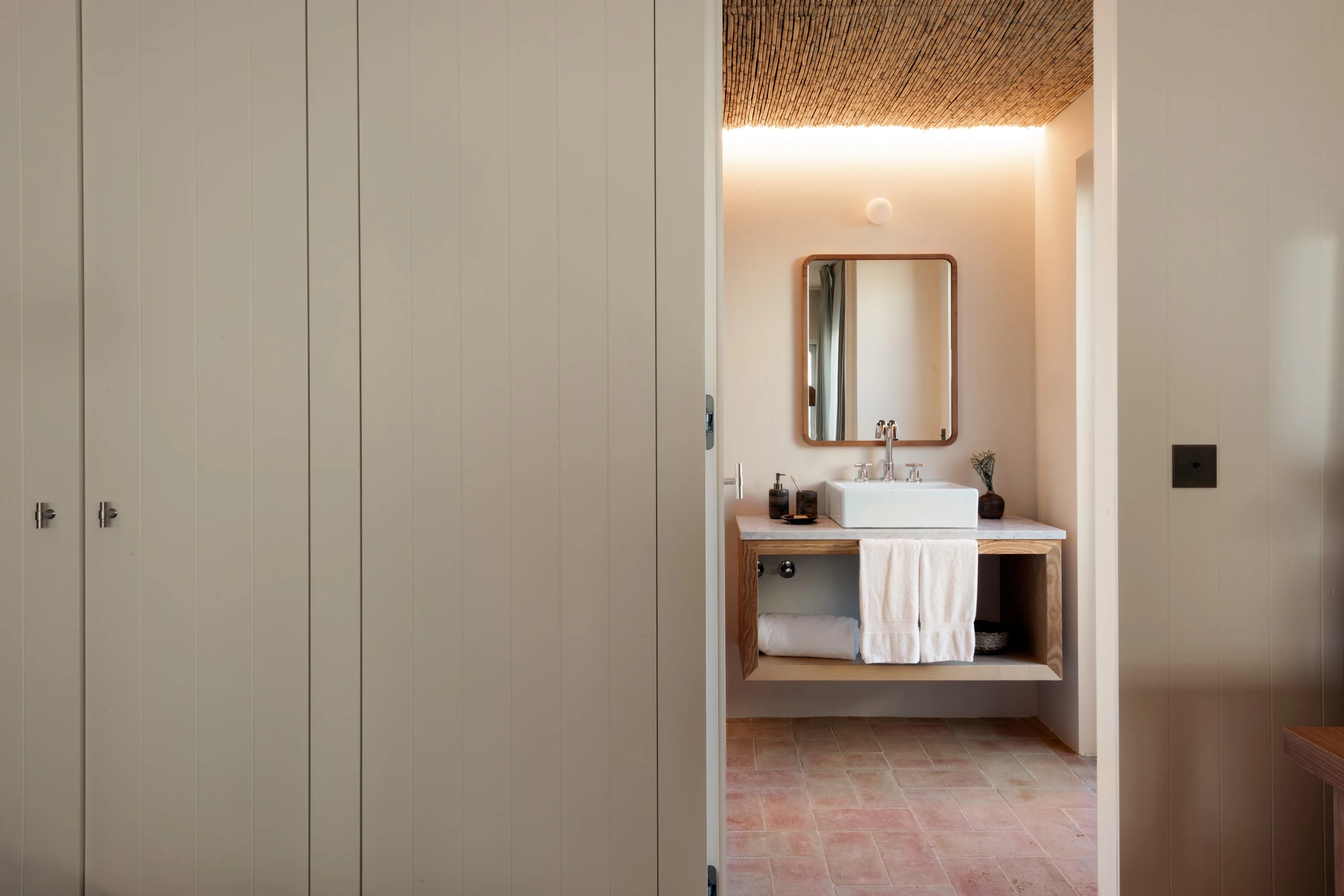
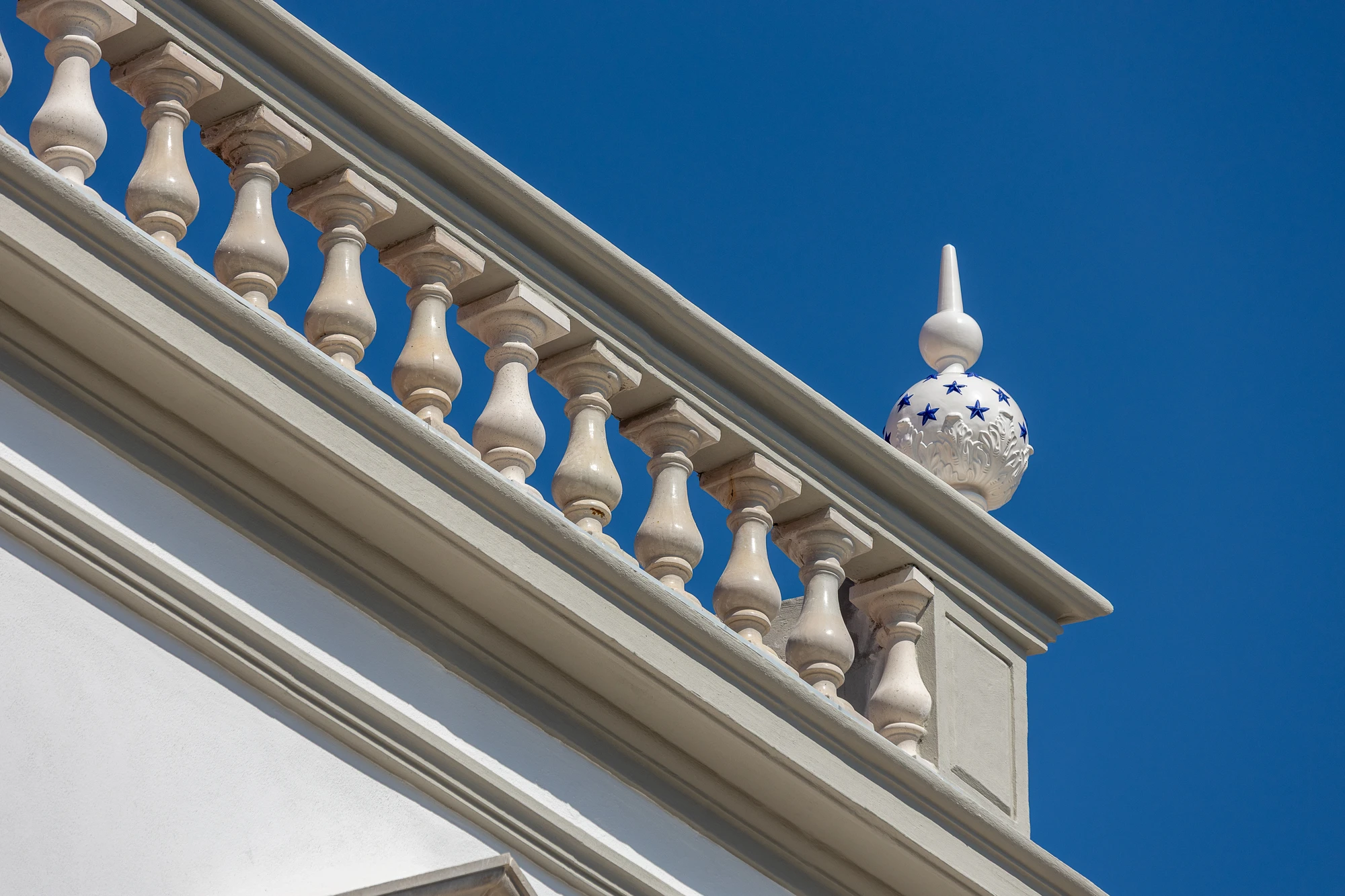
The material language of the Algarve is present throughout — clay, lime, linen; natural textures and soft tones that speak, as the hotel puts it, "the language of the Ria Formosa." These are materials that age visibly and credibly, that carry the marks of use without deteriorating into disorder. What has been preserved and what has been renewed share a single aim: to serve the spirit of the place rather than to demonstrate the work of restoration. The facade speaks quietly; the interior continues that register into its every surface.
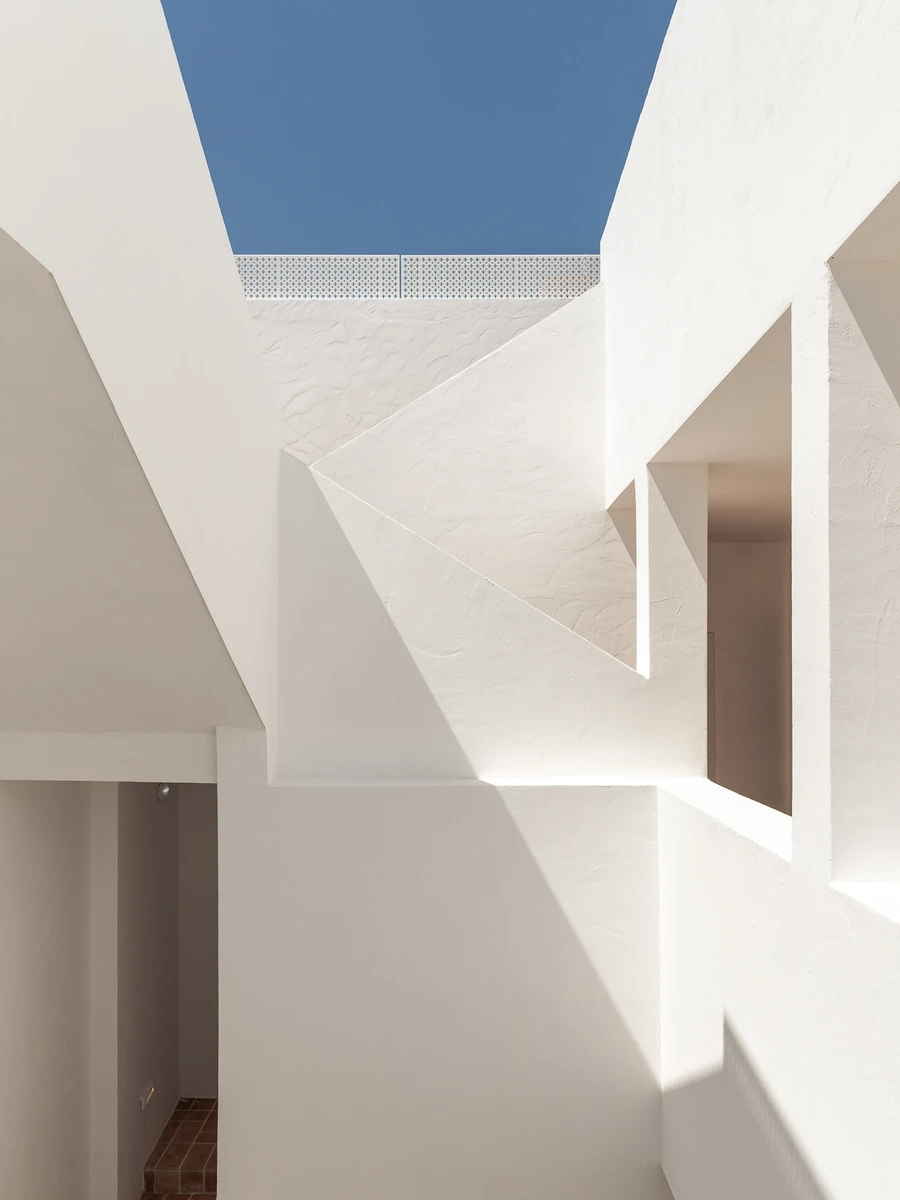
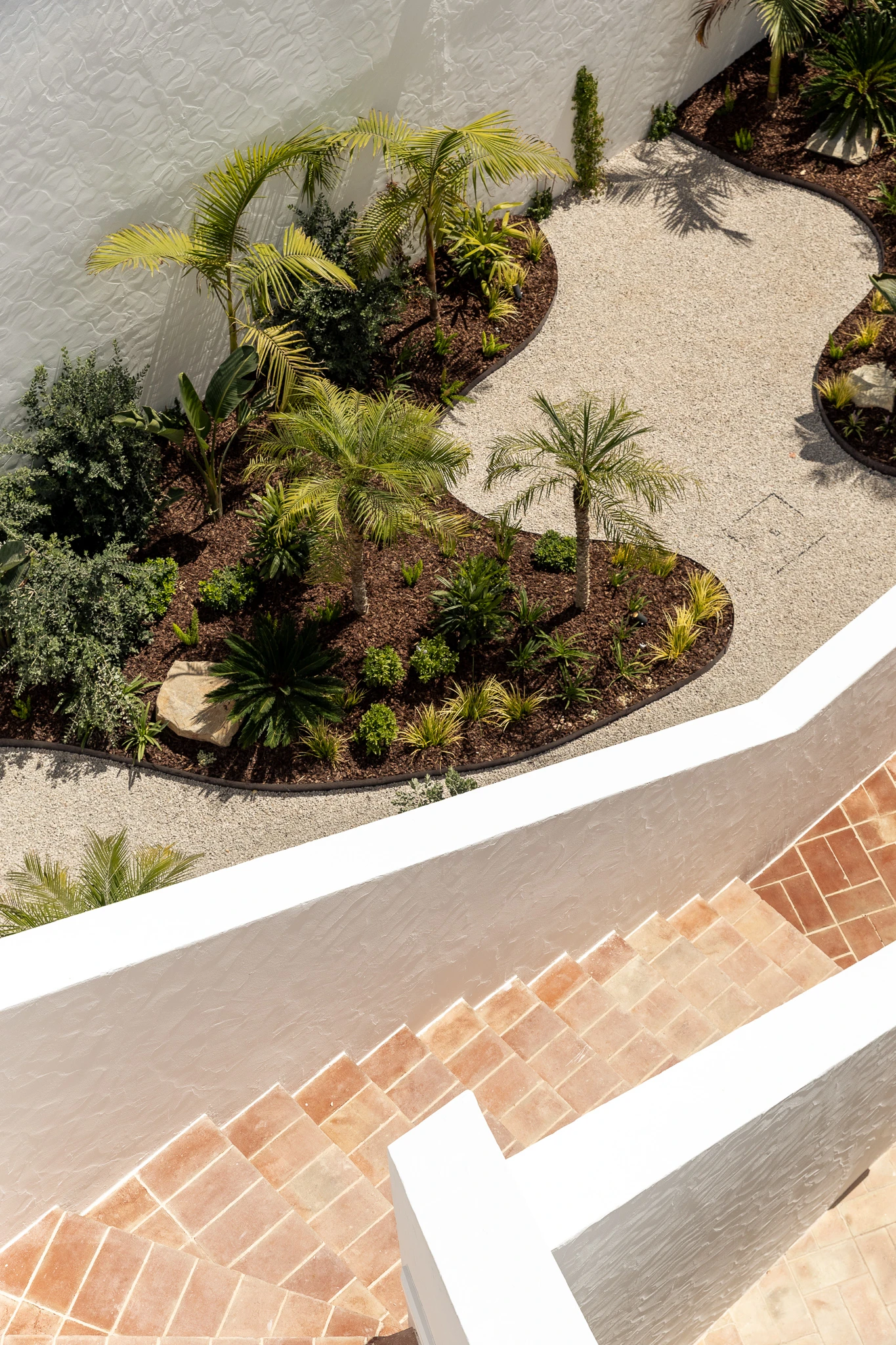
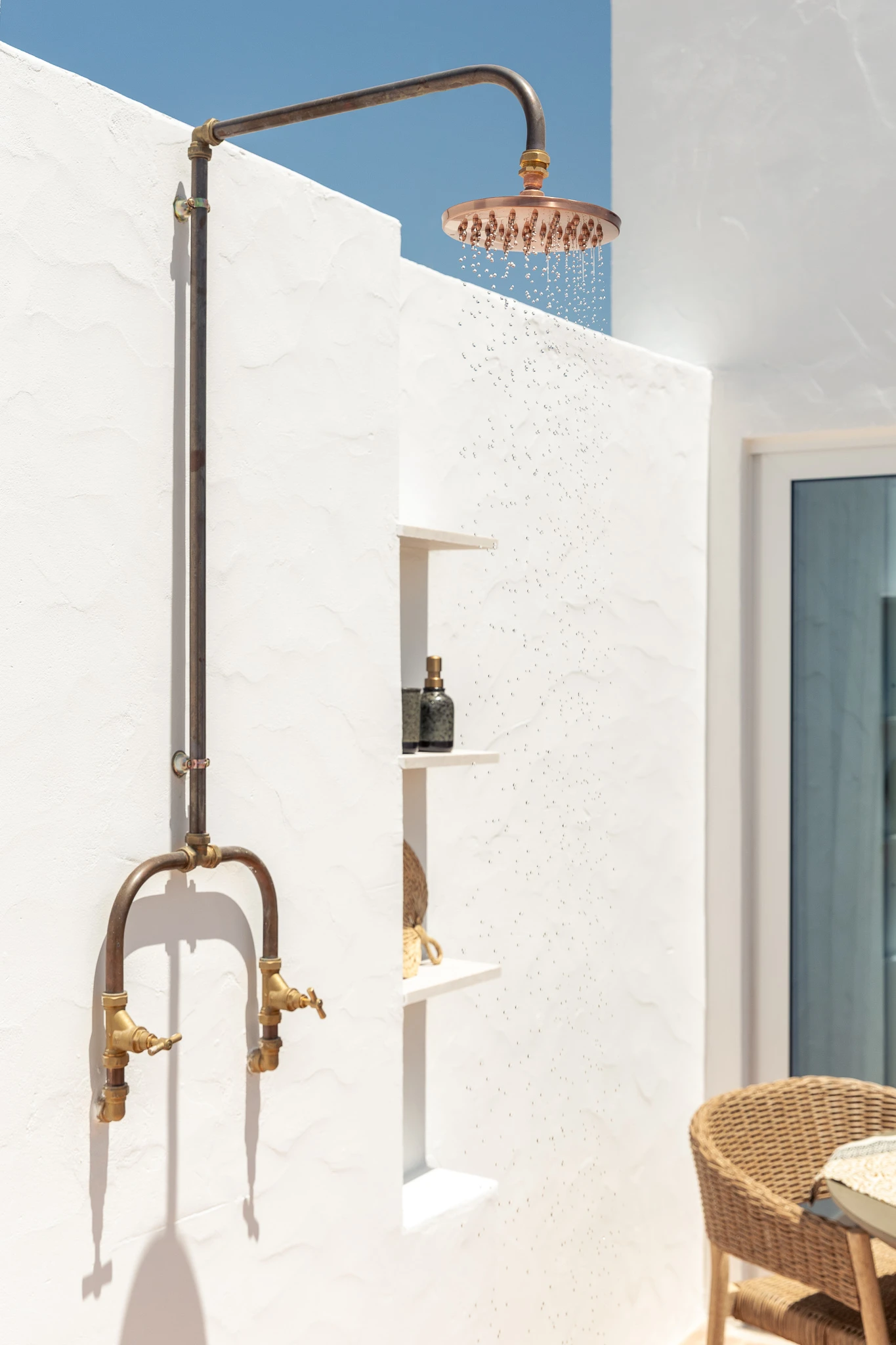
The newly built Medina, added as a new wing, pays homage to Moorish influence — the cultural layering that has shaped Tavira as much as the Portuguese grandeur that the main palácio expresses. The two cultural presences do not compete. Tavira was always both, and the hotel reads that way: the blend of nobilities that defined the Algarve's civic identity, honoured through architecture rather than through explanation.
Beyond the palácio's gates, Tavira itself opens up: centuries-old churches, lime-and-orange-blossom streets, the almost-secret beaches accessible by short boat ride from the Ria Formosa. The hotel's position — opening onto the same square the palácio always faced — makes it less a destination than a base, a place from which the city can be discovered at the pace the architecture already models. Gentler. Truer.