A slow, analog journey across the Midwest, where Francesco Aglieri Rinella uncovers quiet constellations of memory, place, and human resilience embedded in landscapes often overlooked but never devoid of meaning.
His images, rooted in the slowness of medium-format film, peel back the veneer of an often-misunderstood region to reveal a landscape where fragility and endurance coexist. The project is less a survey than an act of sustained listening, attentive to the quiet intervals where human stories fuse with the rhythms of the land.
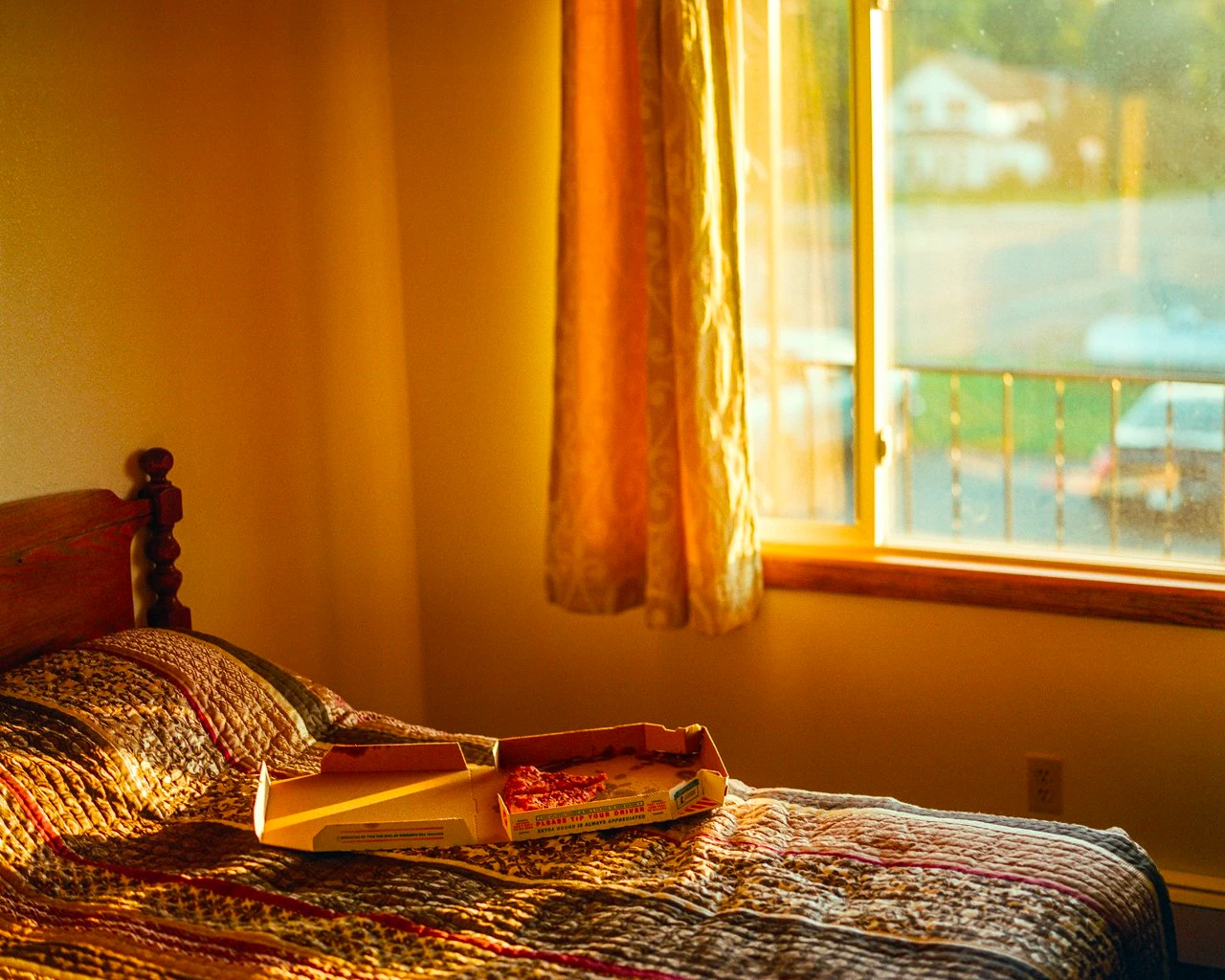
Rinella, shaped by a military past and a deep commitment to narrative, approaches the Midwest with a kind of disciplined openness. What he finds is not monotony but a horizon that refuses to be easily summarized: flat expanses that seem to dilate time, towns suspended between presence and erasure, people living in the subtle tension between rootedness and change. His portraits do not seek grand gestures; instead, they rest in the understated dignity of those who inhabit the periphery, individuals whose stories echo through the interiors they occupy and the landscapes they traverse.
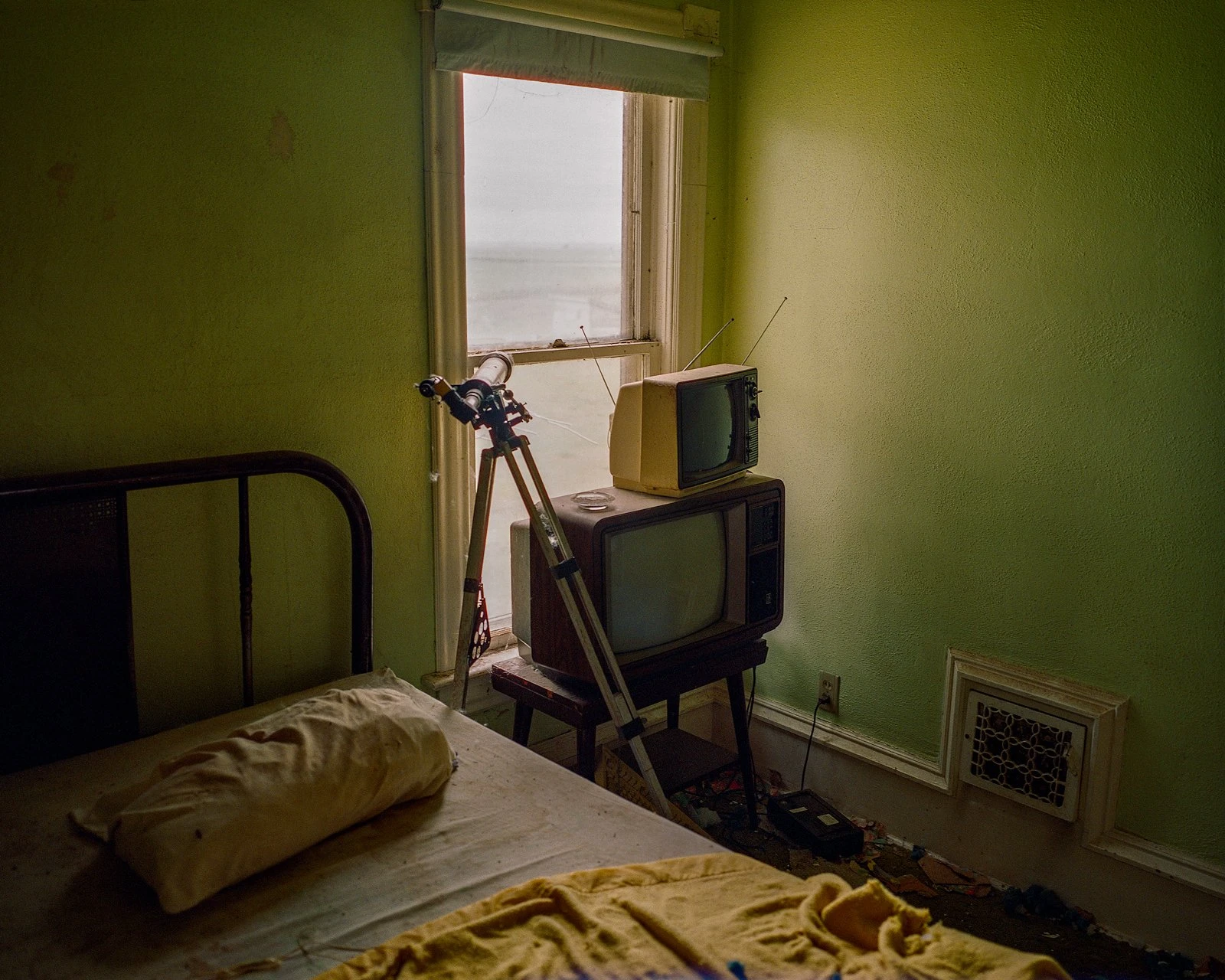
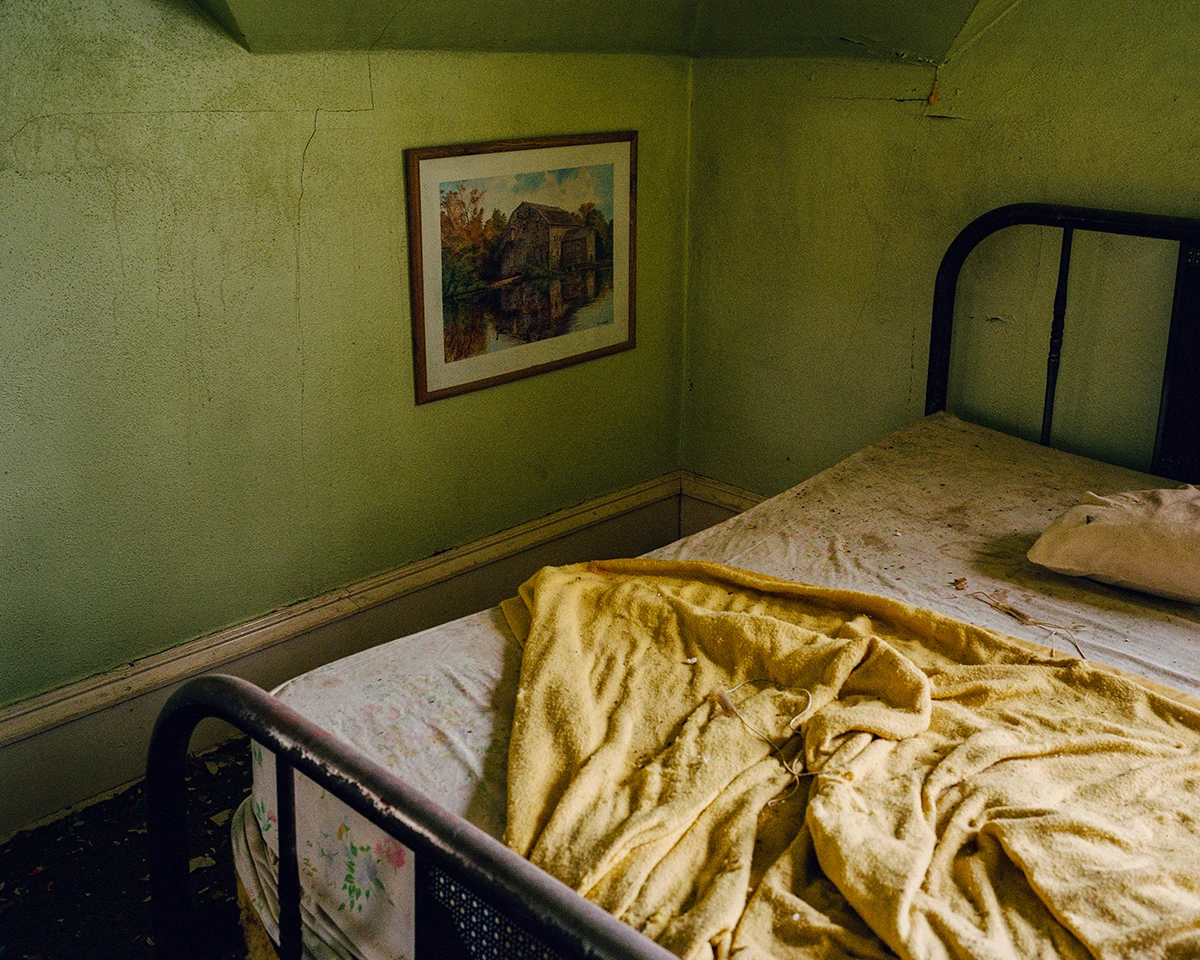
The photographer’s 28-day road trip becomes the armature for an emotional map of the region. Abandoned structures are treated not as symbols of decline but as repositories of memory; repopulated spaces reveal layers of adaptation; forgotten corners retain a hum of resilience that flickers beneath their quiet surfaces. Rinella’s images carry this resonance with a light touch, inviting viewers to consider how history seeps into the grain of wood, the tilt of a fencepost, the stillness before a storm.
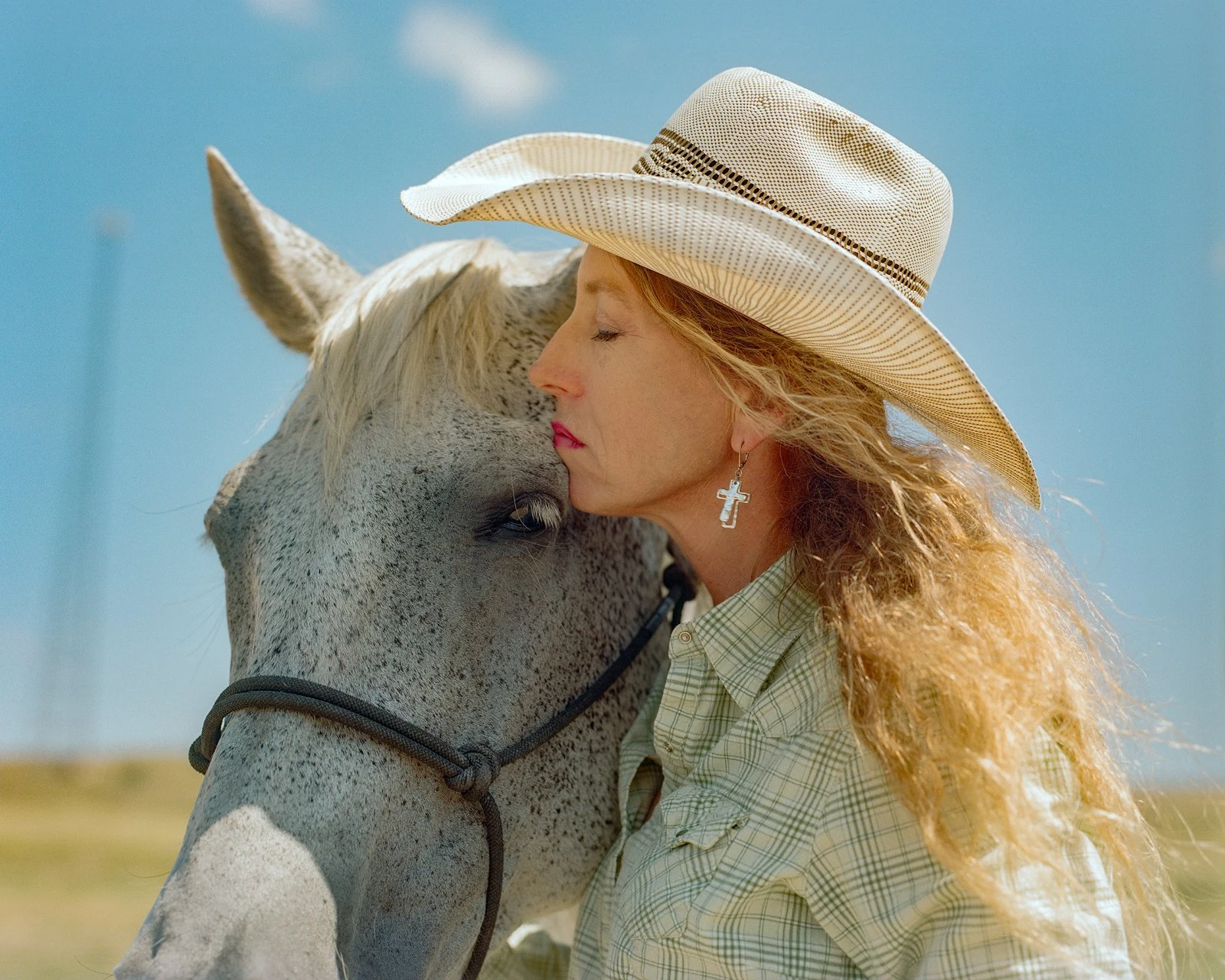
People, though initially strangers, emerge as the connective tissue of the work. Their presence offers a counterpoint to the vastness of the plains—faces, gestures, and postures that anchor the geography to lived experience. Through them, Rinella accesses a deeper understanding of the Midwest’s spirit: a constellation of small, persistent stories that resist simplification. Film, with its patience and imperfections, becomes the ideal medium for rendering these narratives visible without overwhelming them.
A poem by Diane Scrofani threads itself through the project like a soft wind, echoing the astronomical metaphor embedded in the title. Her lines imagine barns, cornfields, and towns as cosmic bodies—ordinary terrains transformed into galaxies of their own. The poem mirrors Rinella’s impulse: to recognize the extraordinary in the understated, to capture what might disappear before it dims into the breach.