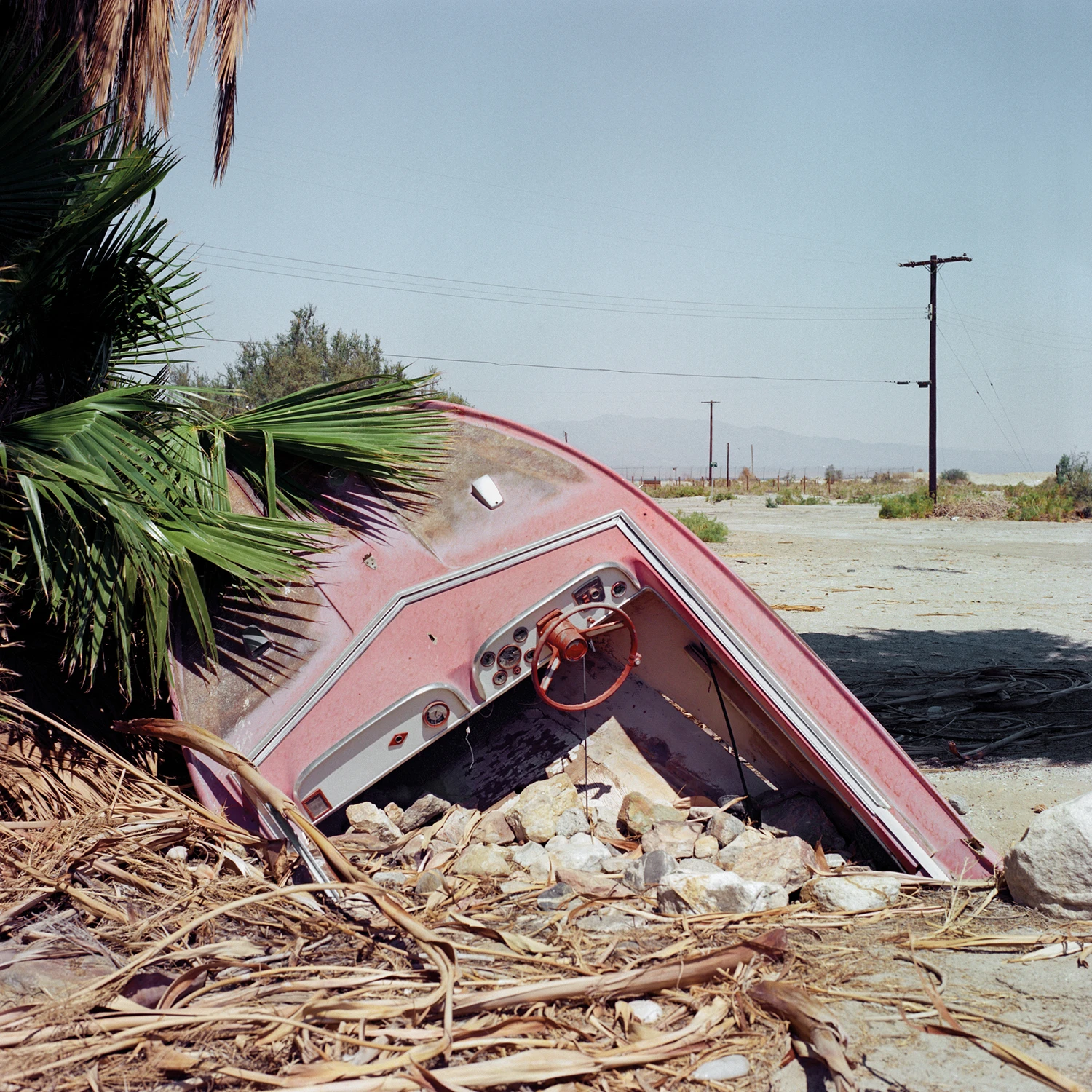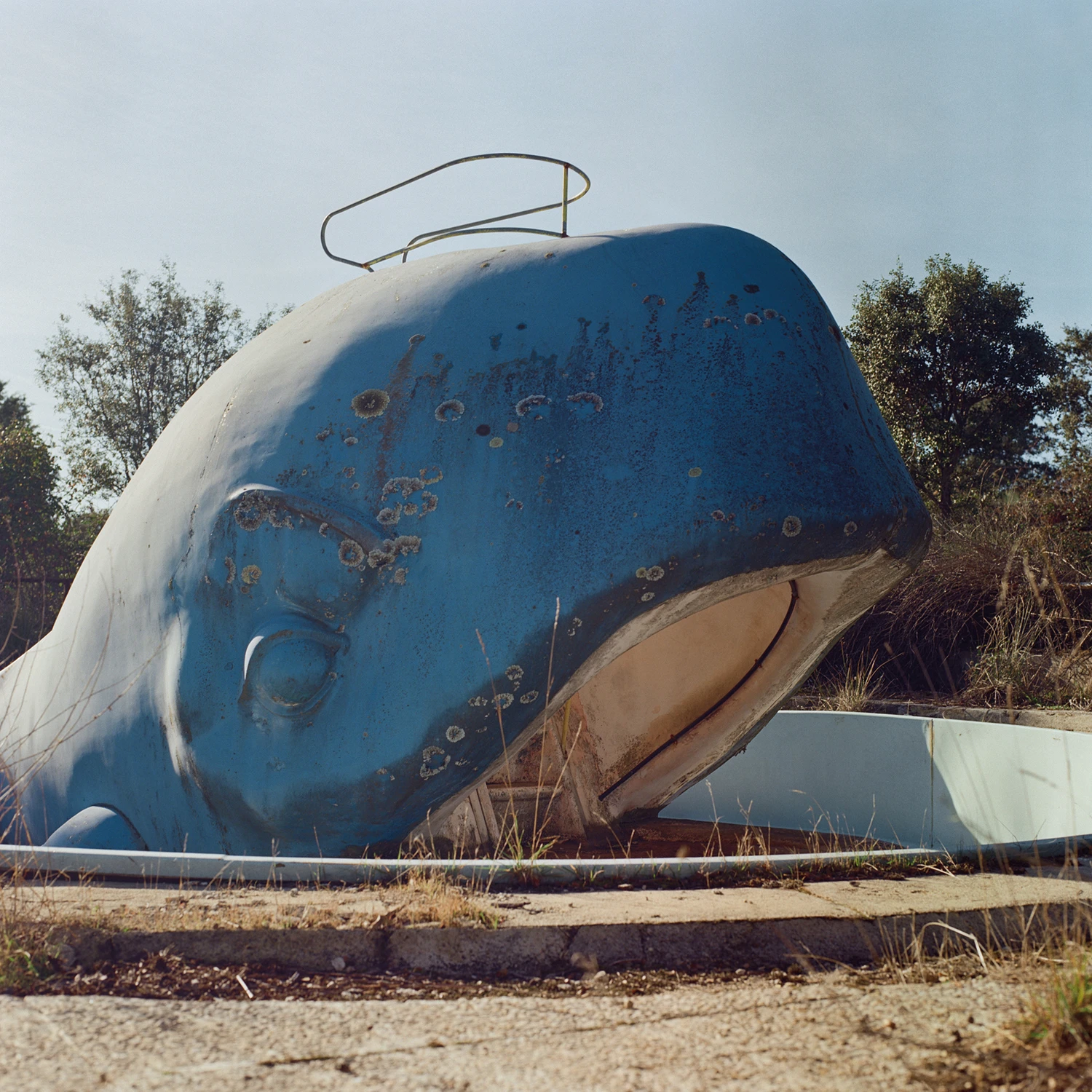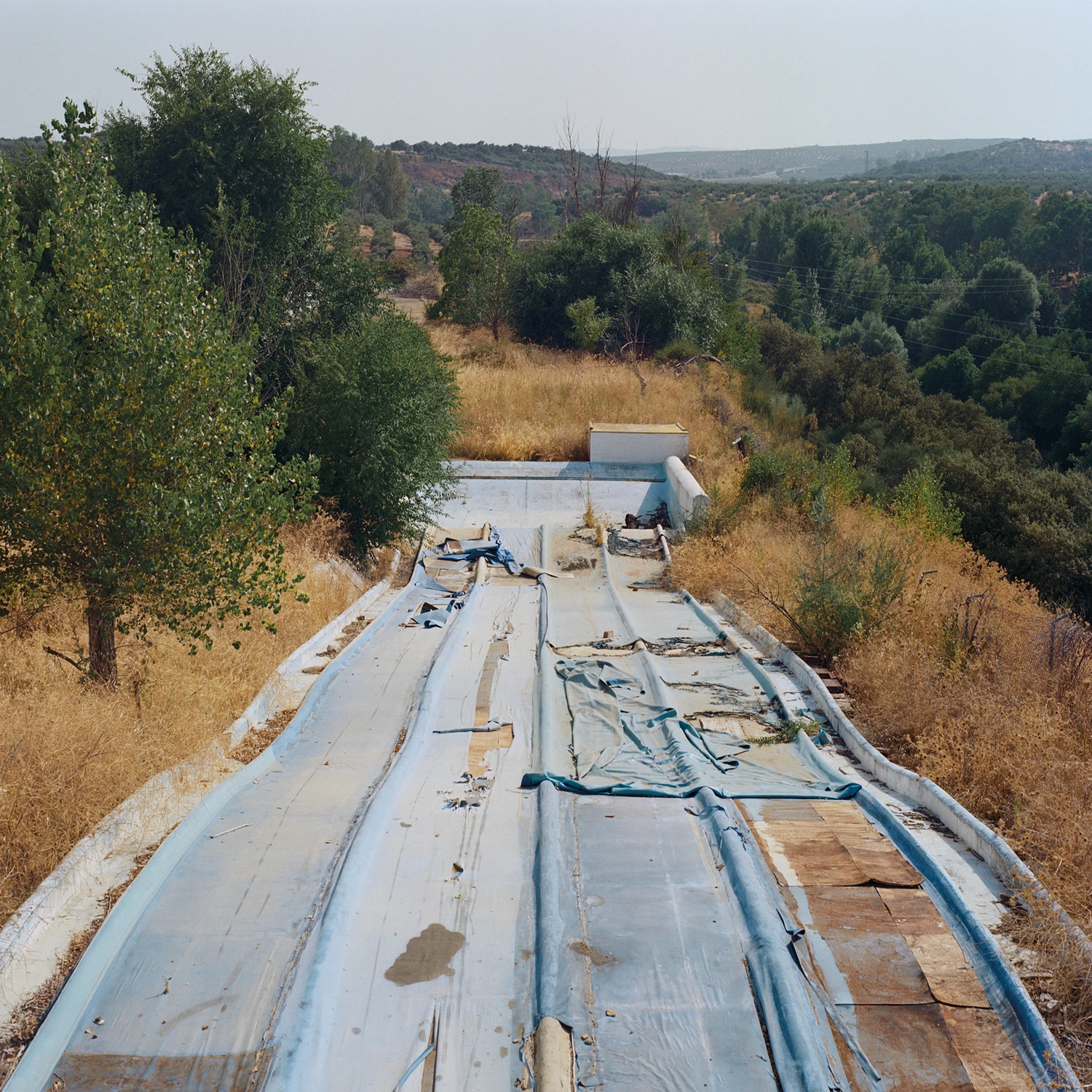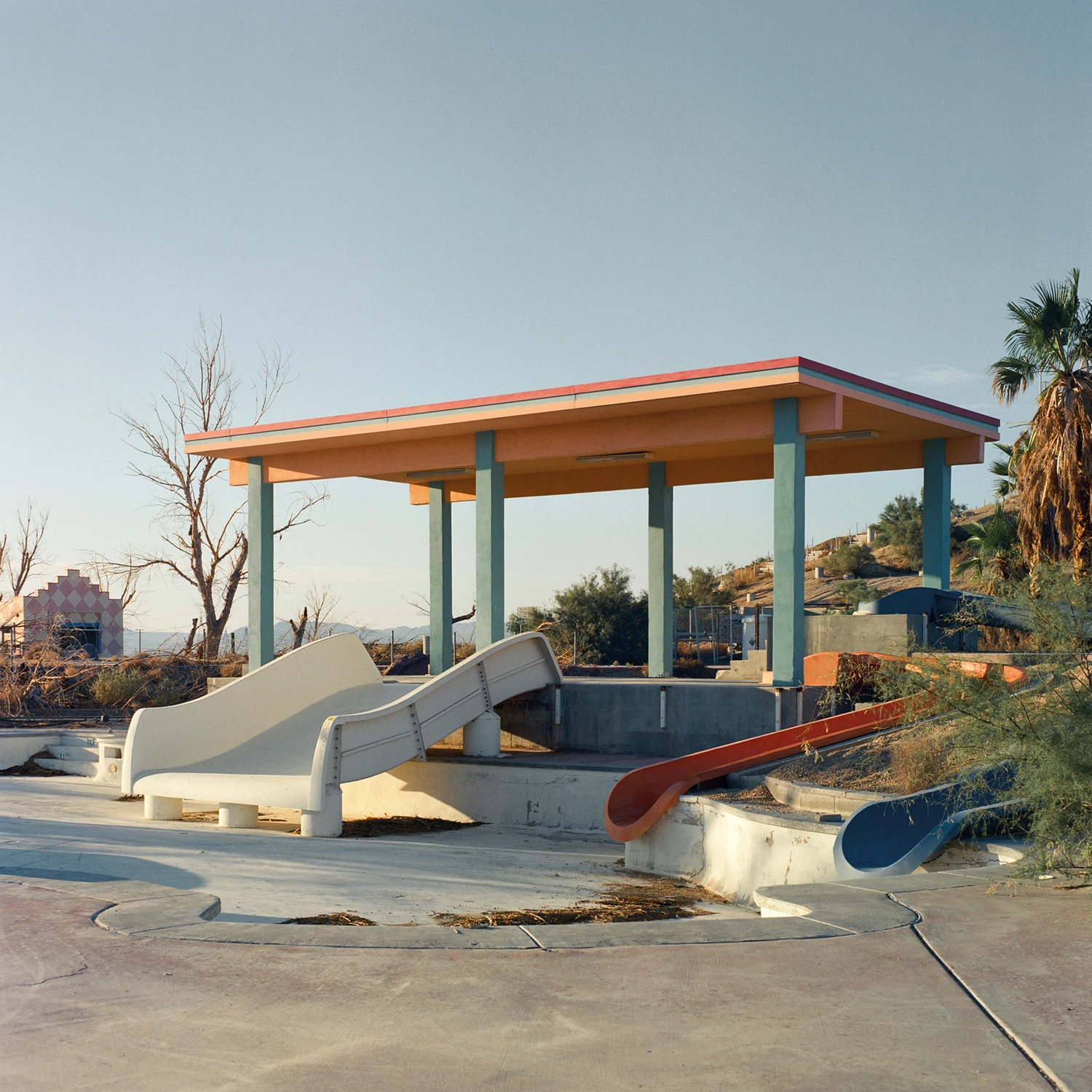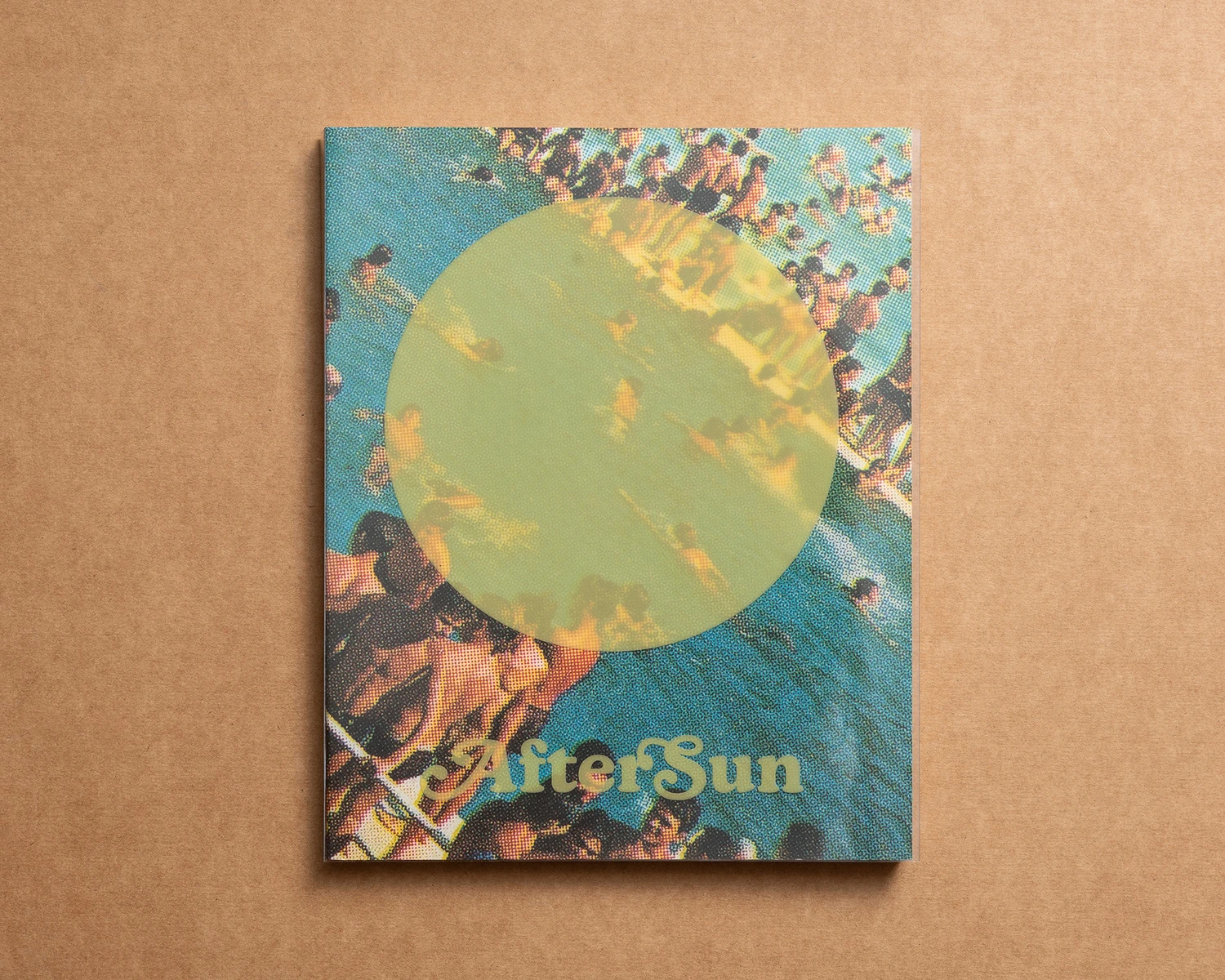
Aftersun by Pol Viladoms surveys abandoned water parks from the Mediterranean to Japan—recreational ruins stripped of function, suspended between nostalgia and the beauty of decay.
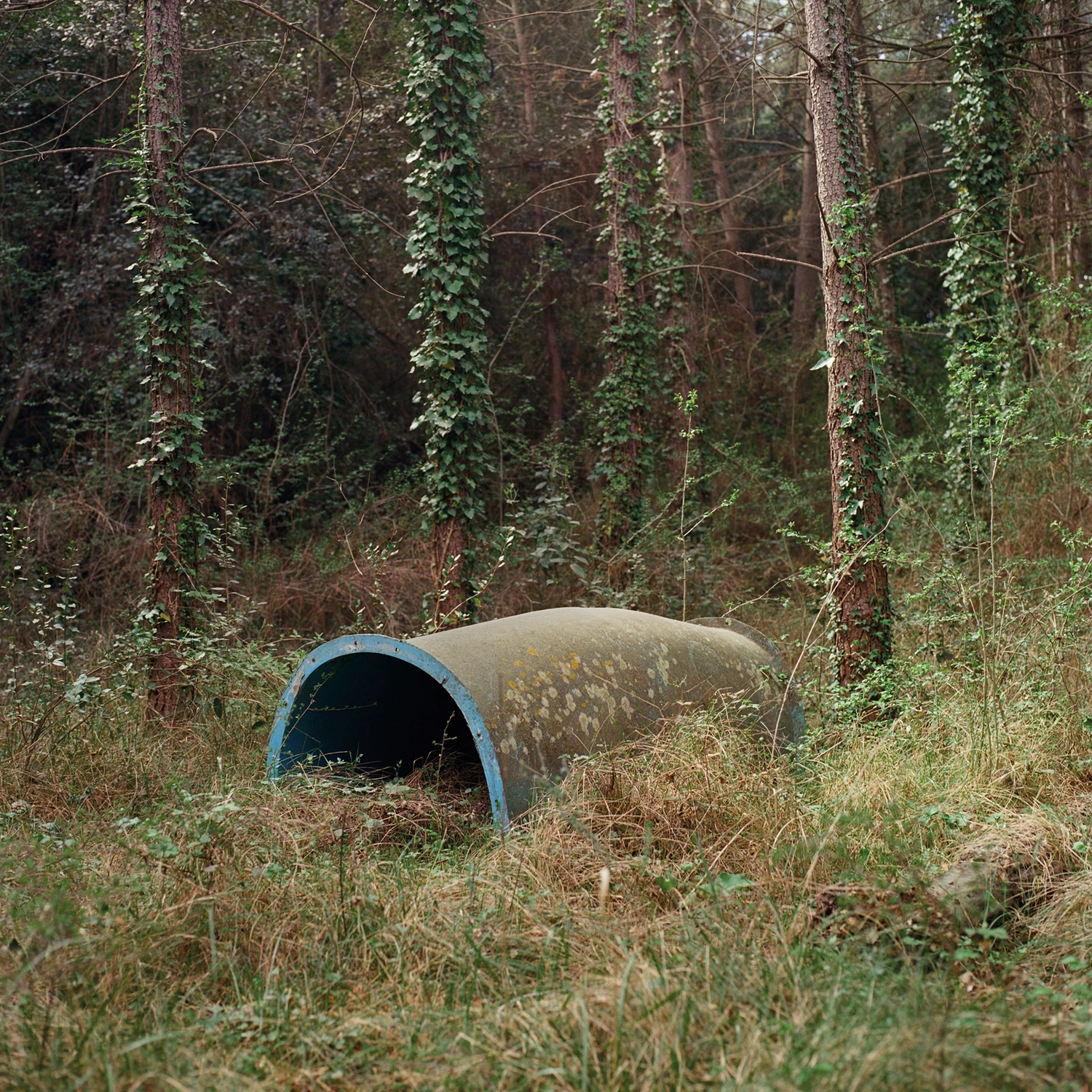
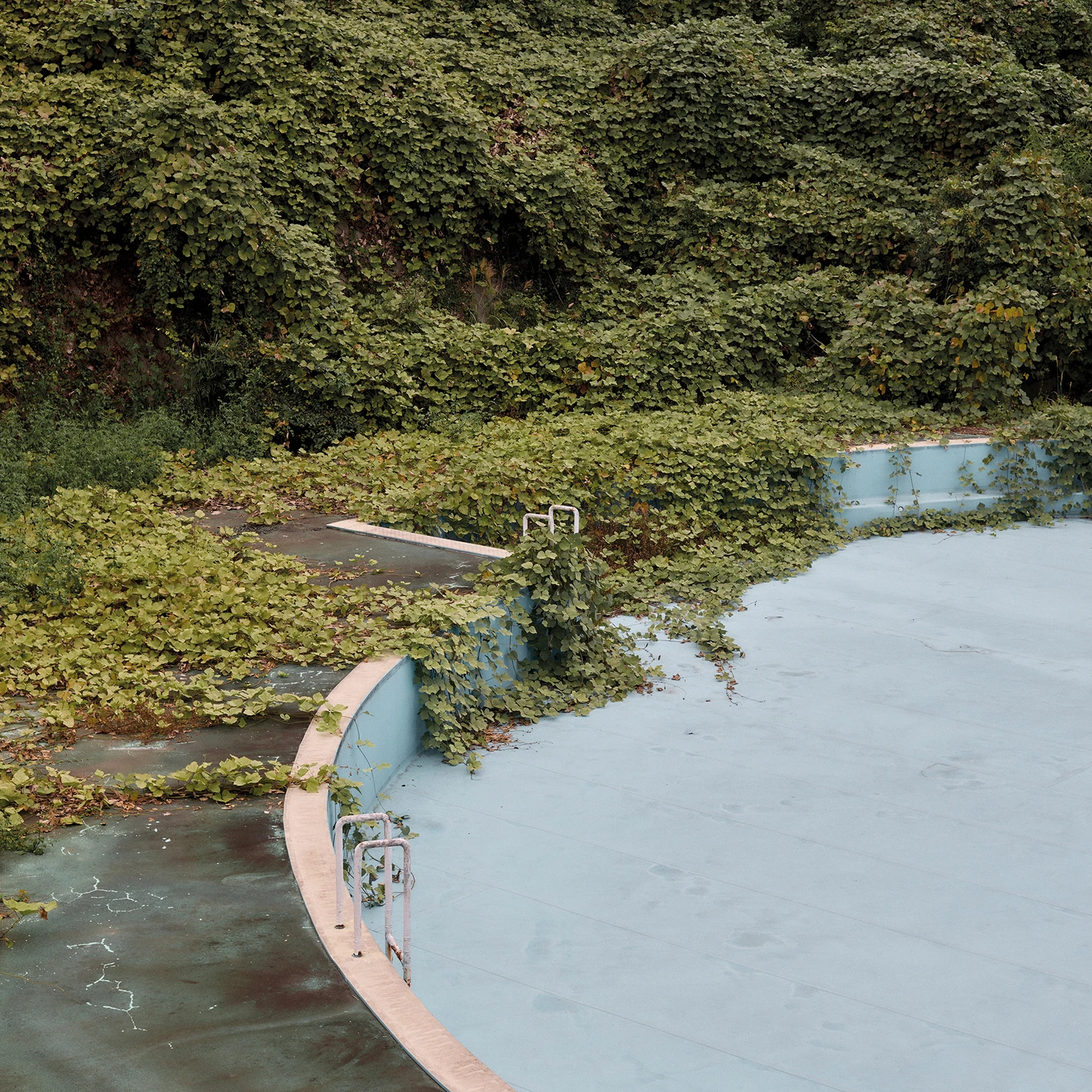
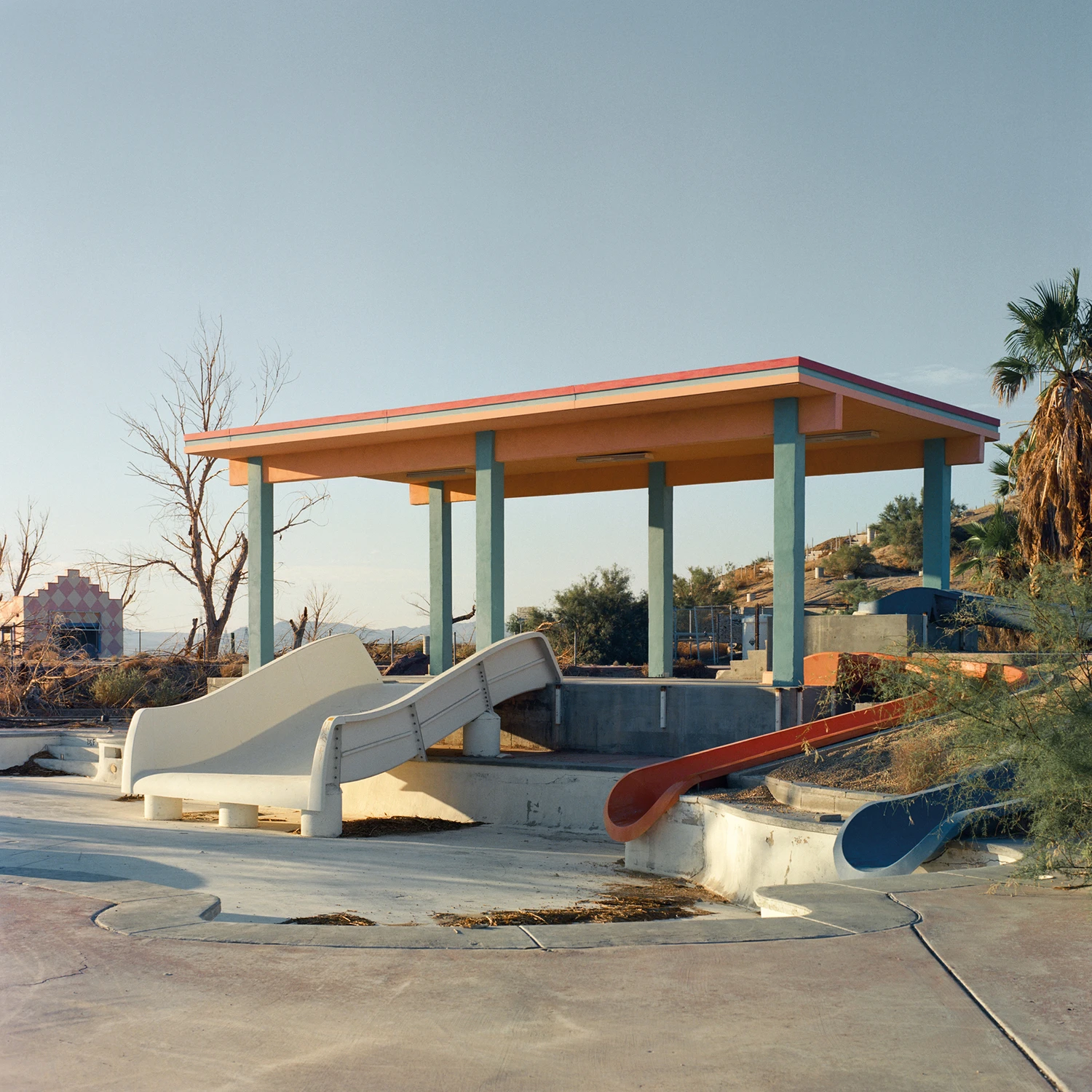
For fifteen years, Pol Viladoms has been chasing the same thing. Water parks—those hyperbolic monuments to seaside fun that erupted along the Spanish coasts during the 1980s and 1990s, promising new sources of joy by the sea—and then, just as quickly, went quiet. Poor planning, excessive competition, and a shift toward more authentic forms of tourism left dozens of them abandoned, their slides frozen mid-curve, their pools cracked open to the sky. Viladoms has visited more than fifty sites, travelling from the Mediterranean to the Adriatic, from the Sea of Crete to the coasts of Japan and California. Aftersun is the distillation of that obsession.
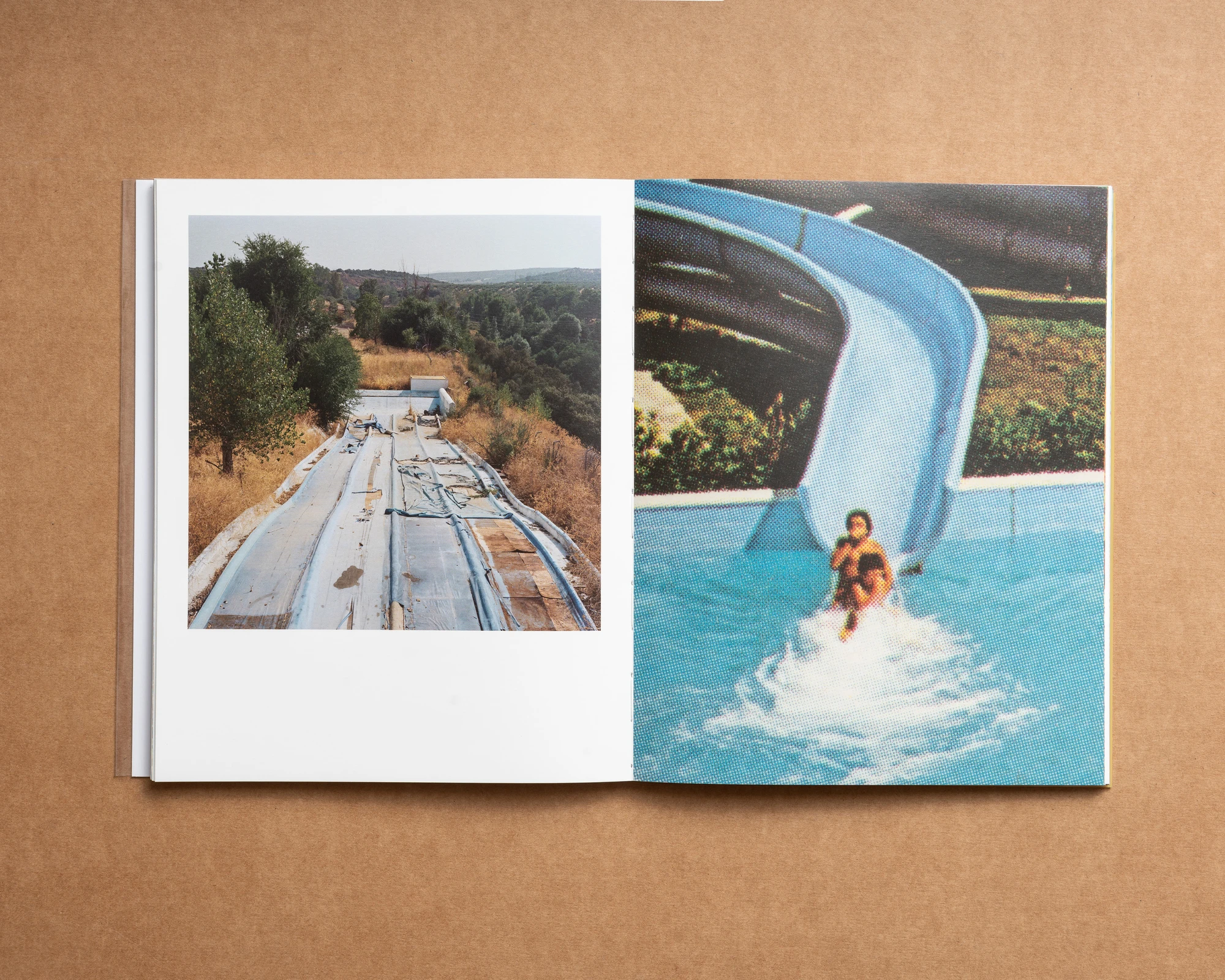
What makes the work remarkable is its refusal of ruin-porn. The framing is deliberate, guided by a clear desire to capture the beauty and contrast of these structures—the voluptuousness of their volumes, the sinuous patterns of decaying slides superimposed on the background landscape. Viladoms composes almost abstract images in which function has dissolved and only form remains. We gaze at the shapes as if carried away by the movement on diving boards and chutes, our eyes running over the surface of each photograph the way a body once moved through the space itself.
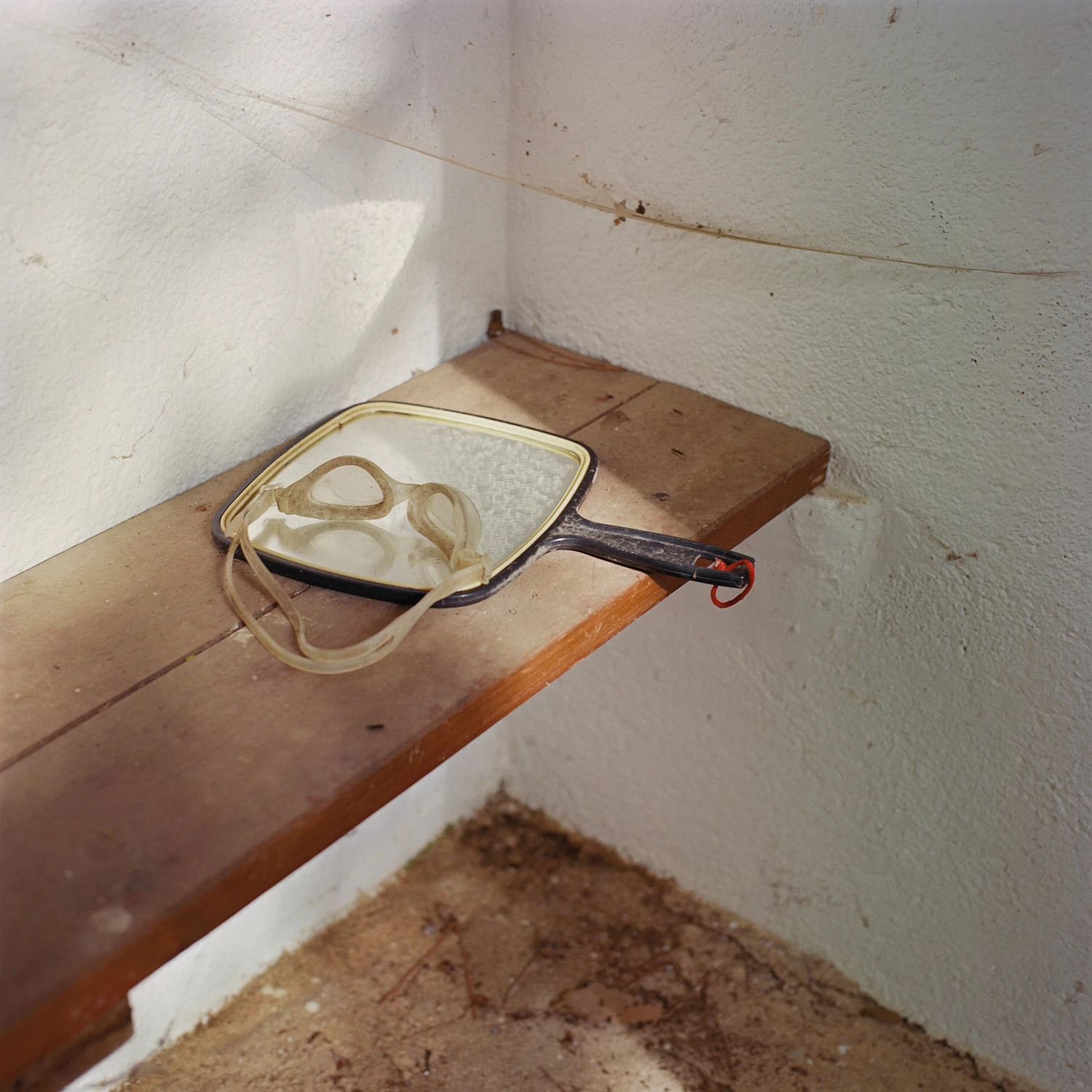
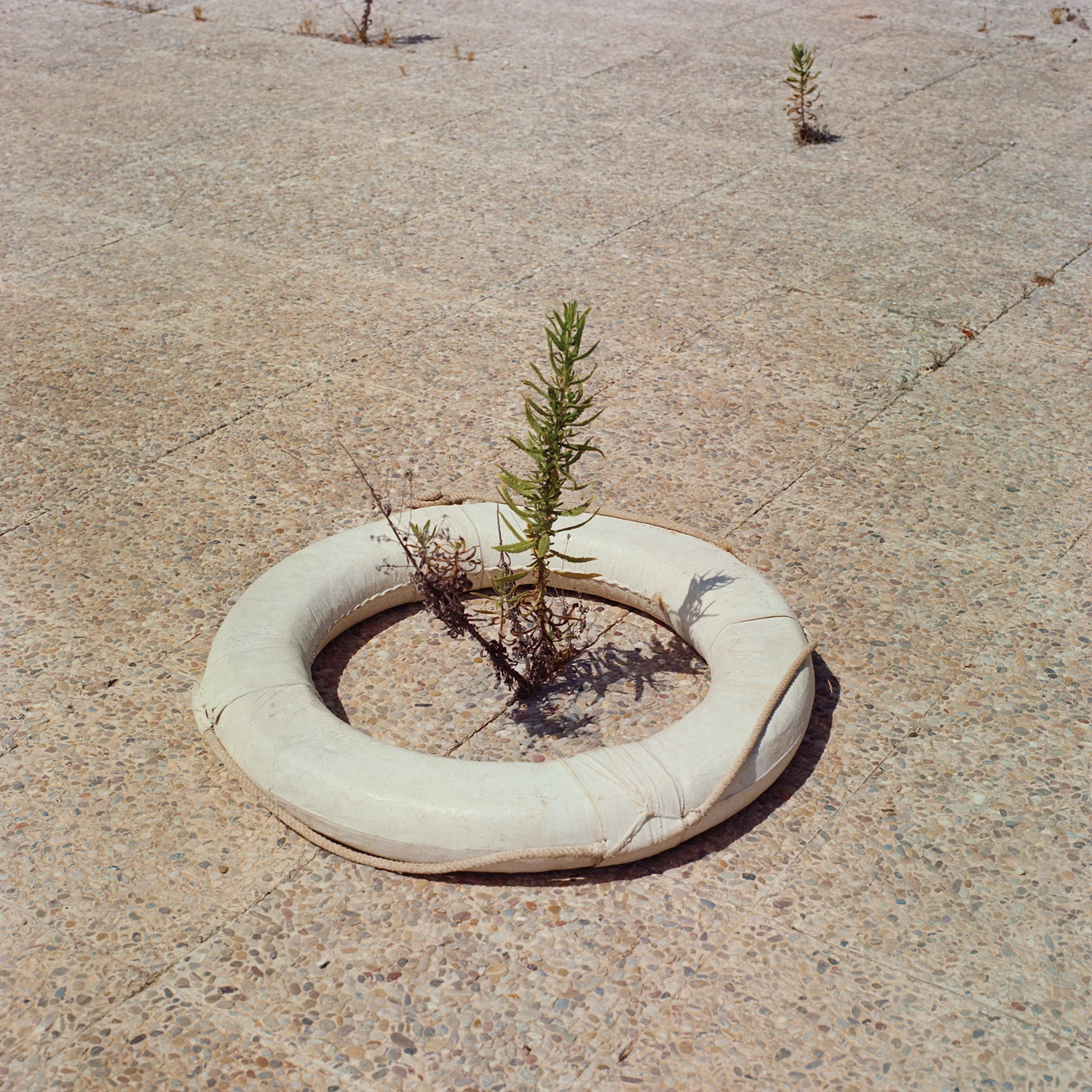
The project frames these sites as "consumable, disposable, and riddled with recreational ruins, fostering the idea of a fleeting present and a past we have lost forever—one onto which it is easy to project memories and nostalgia." This is landscape as aftermath. The water parks were, in their essence, an extractivist occupation of the coastline—an orthopaedic extension of nature designed for tourist consumption. Their abandonment is not failure but consequence, the logical end of a model that treated terrain as disposable product.
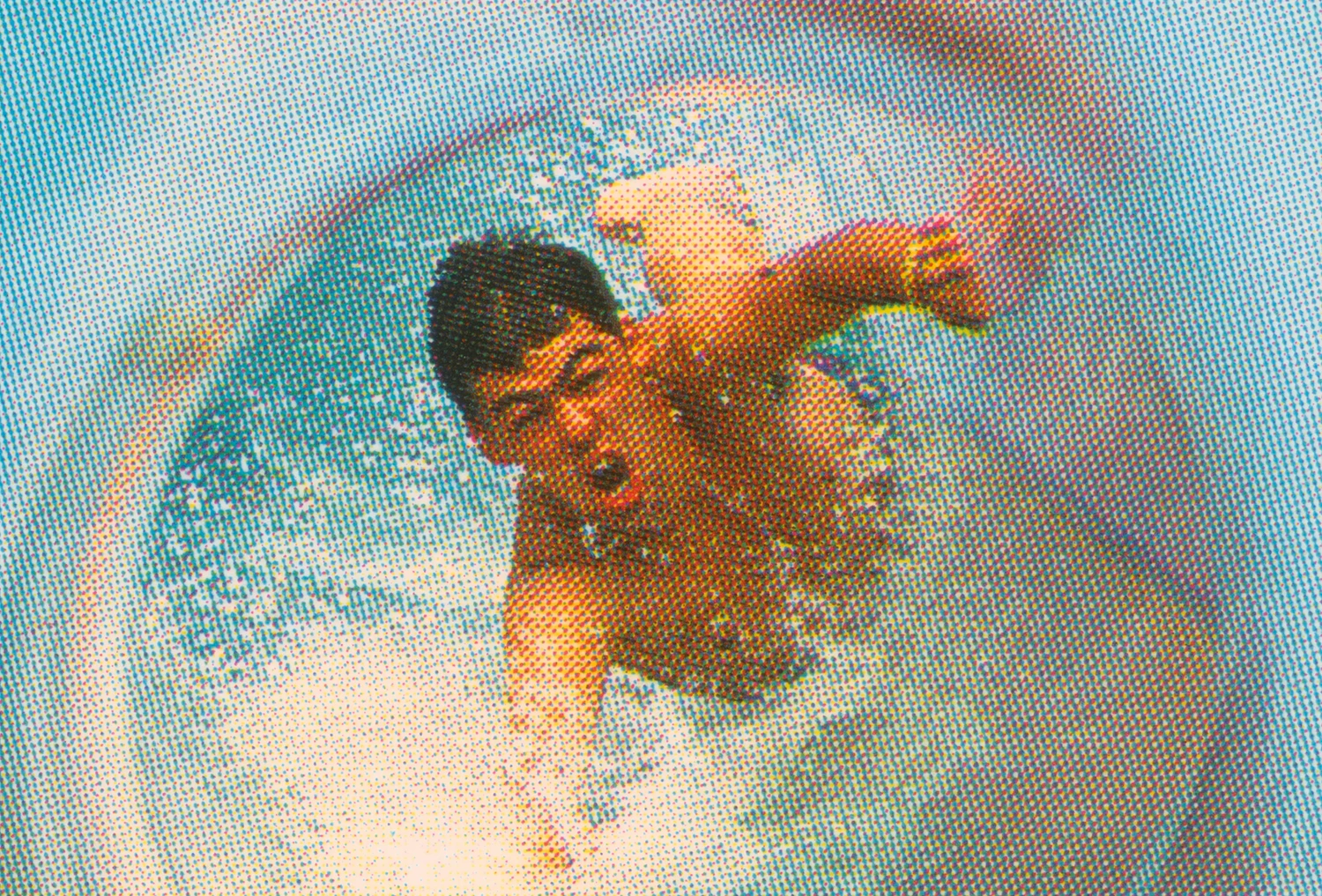
Alongside the photographs, Viladoms includes carefully selected snippets of memorabilia—blown-up clippings from souvenirs and promotional materials collected over the years. These documentary remnants establish a temporal dialogue with the photographer's own images, moving from the macro to the micro. Gestures of sliding, diving, dipping, and splashing on tanned bodies take us back to fleeting moments of shared play, now converted into relics. The echo of past music and voices seems to resonate once again in the empty spaces.
Aftersun is an invitation to wander through spaces devoid of human activity, to walk through them in their afterlife, beyond their function. Having satisfied their visitors, they become emptied resources from which Viladoms draws out a sculptural vision—proof that ruins exist, above all, through the way we choose to look at them.