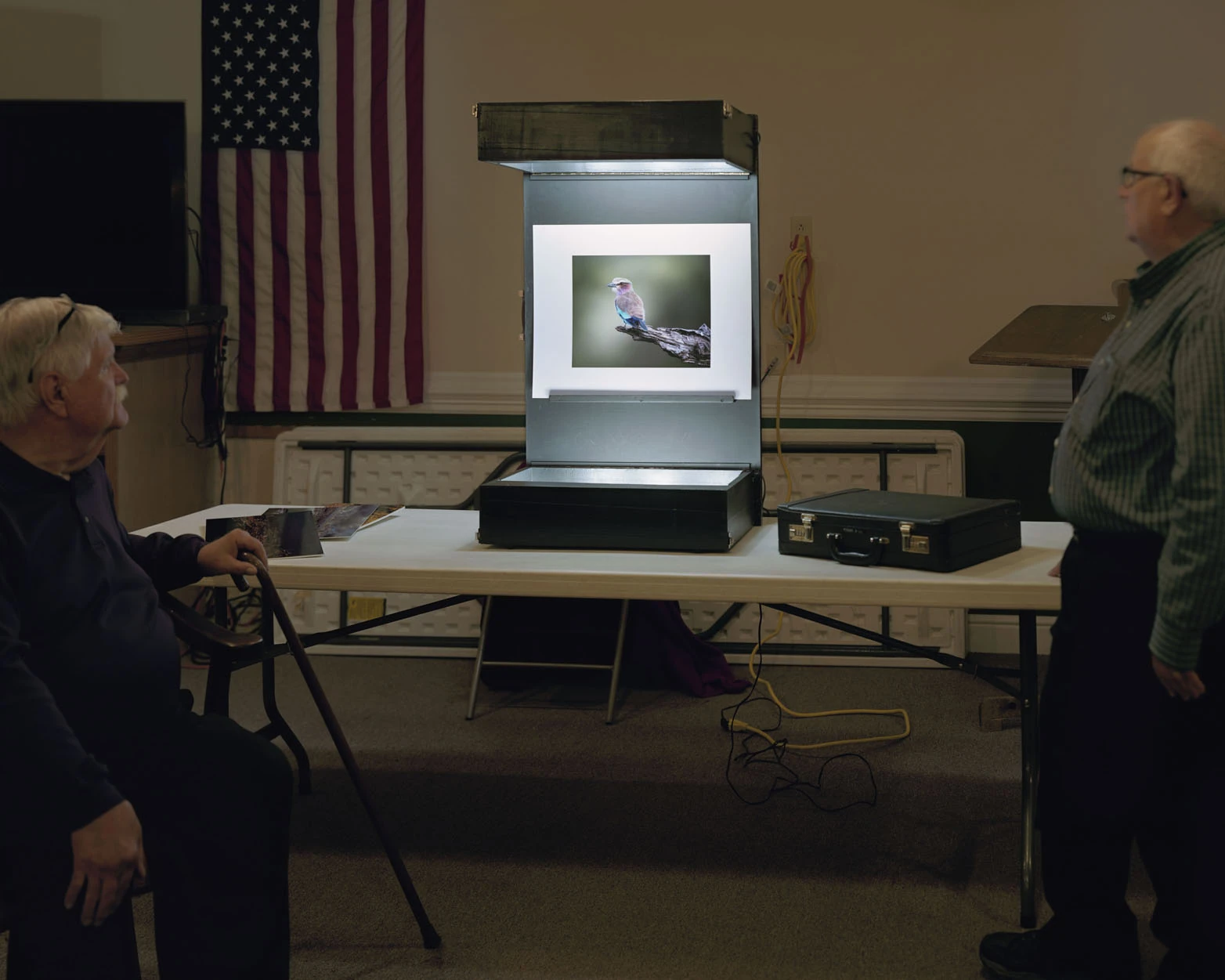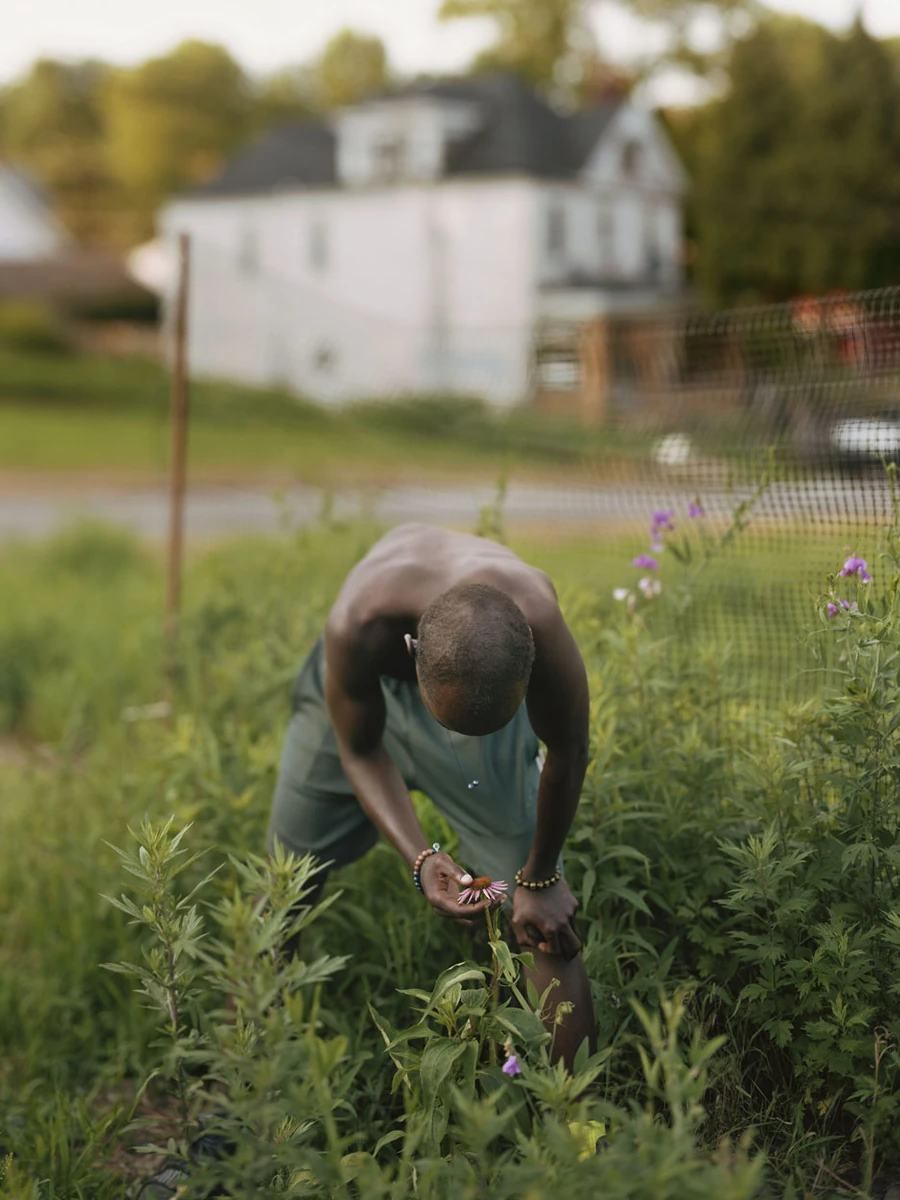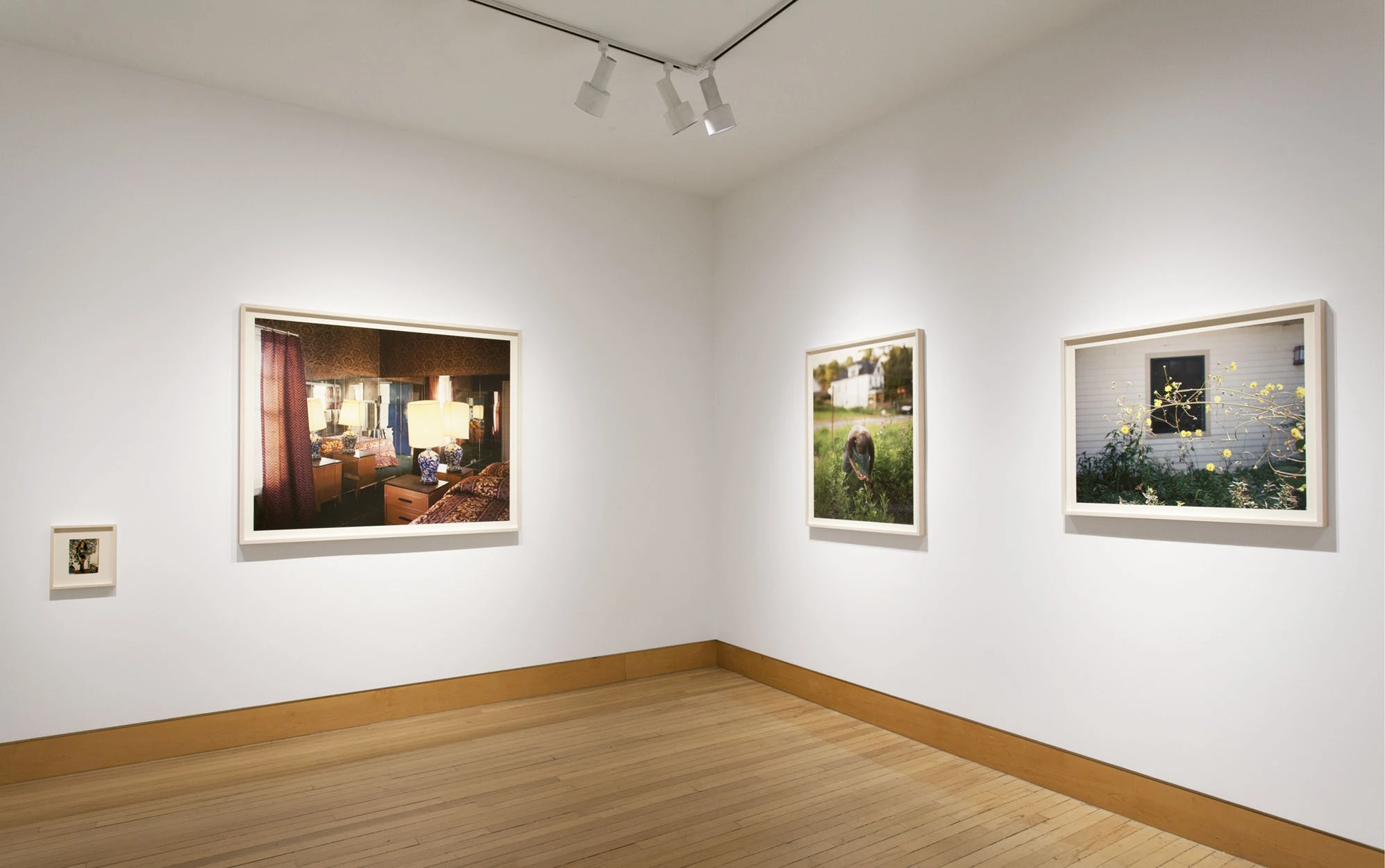
Along the route Abraham Lincoln's funeral train took from Washington DC to Springfield, Illinois in 1865, Alec Soth made A Pound of Pictures, a road trip through American image-making.
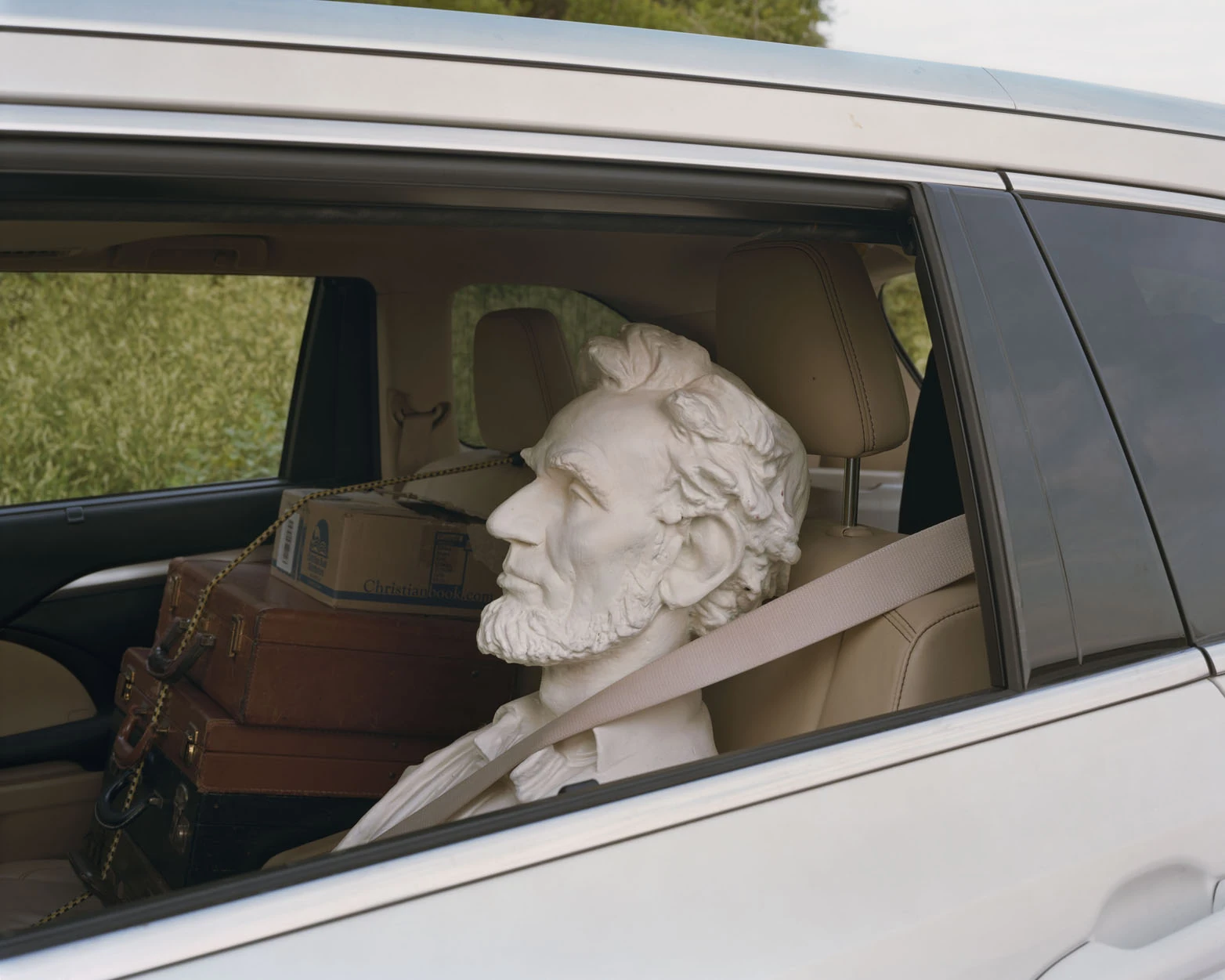
Between 2018 and 2021, Alec Soth drove the route of the train that carried Abraham Lincoln's body from Washington DC back to Springfield, Illinois, after the president's death in 1865. The route is not the subject. Lincoln turns up once, as a white plaster bust belted into the back seat of a car beside a stack of leather suitcases and a cardboard box from a Christian bookseller. The line on the map is a pretext, something to follow so that everything alongside it can be noticed.
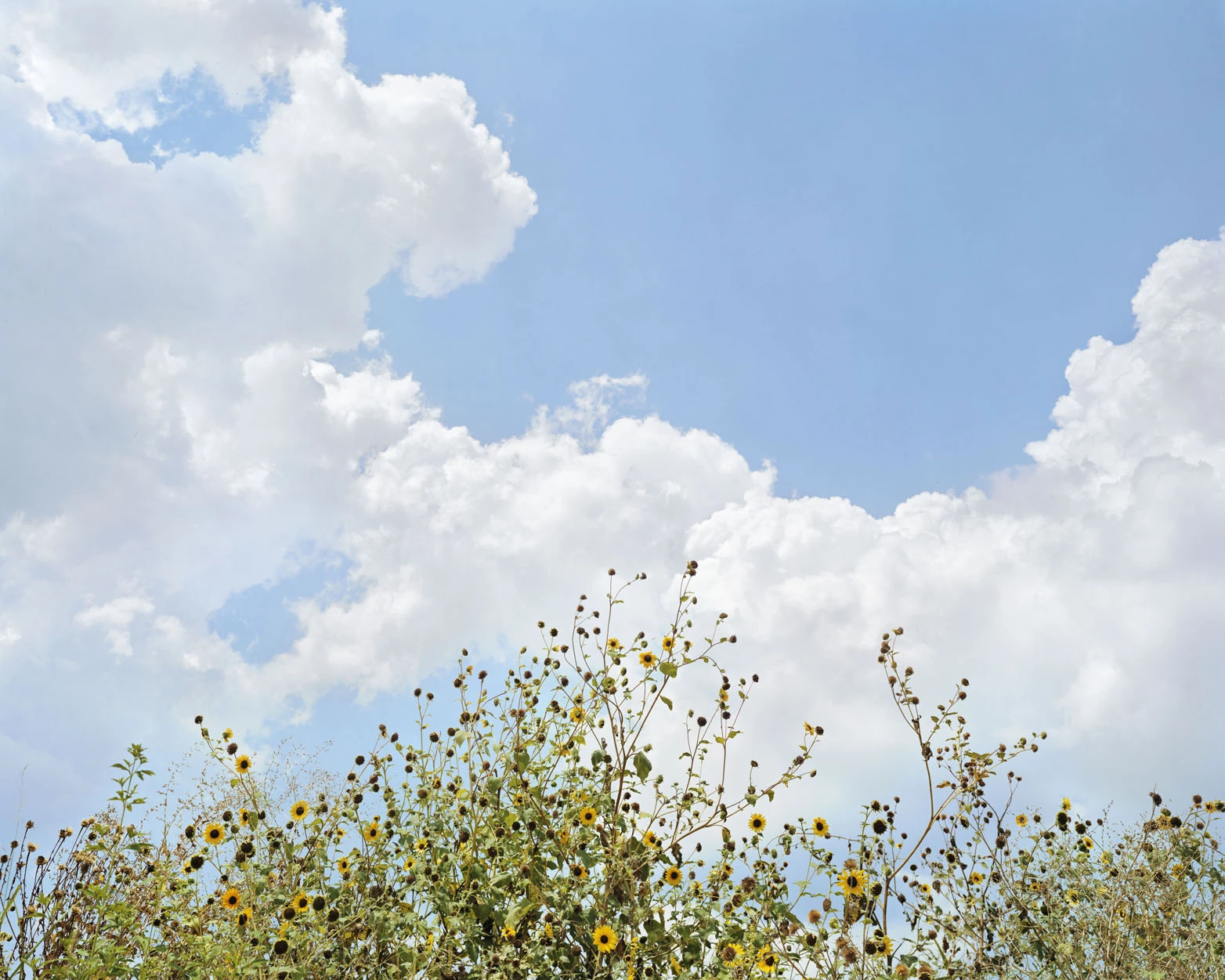
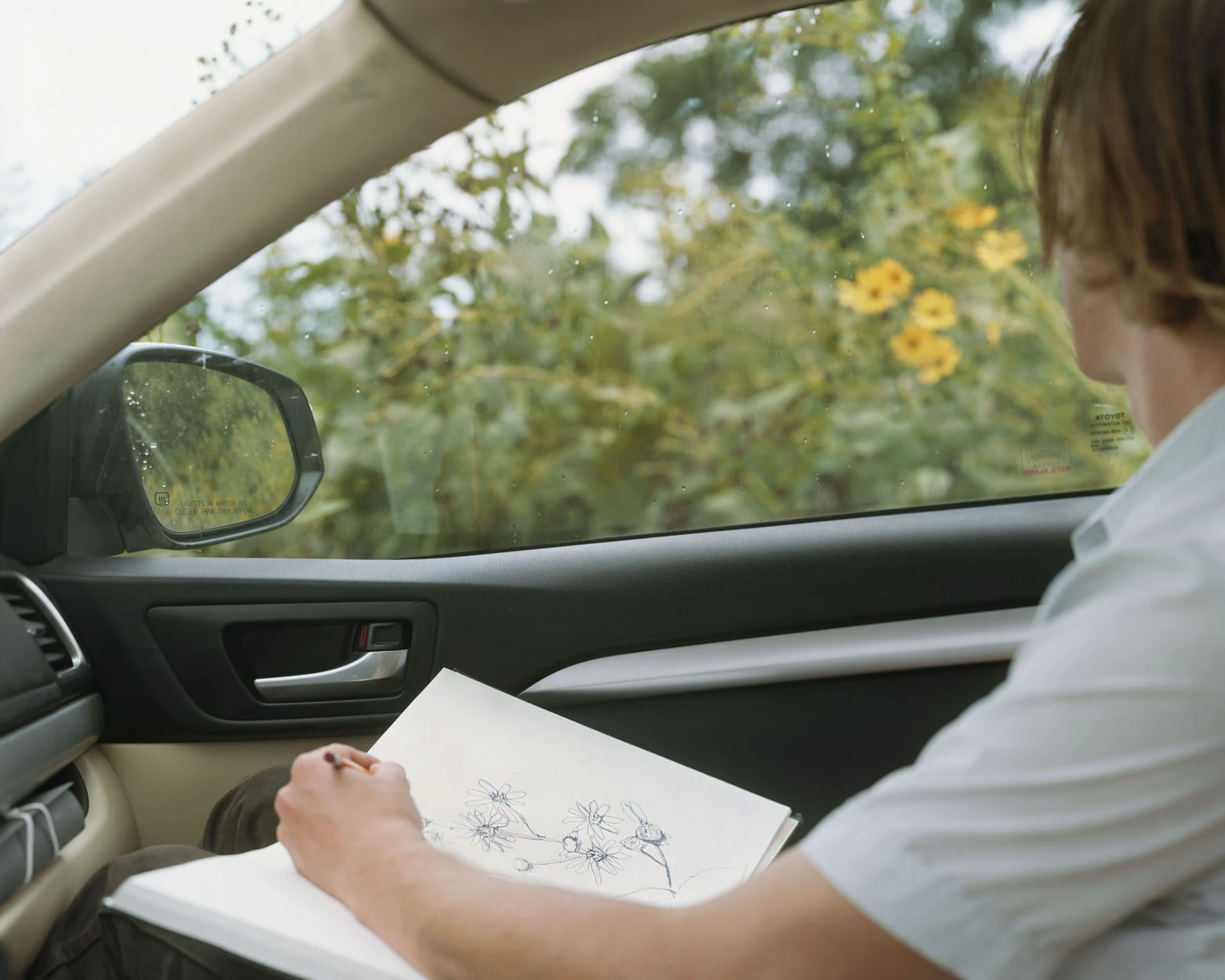
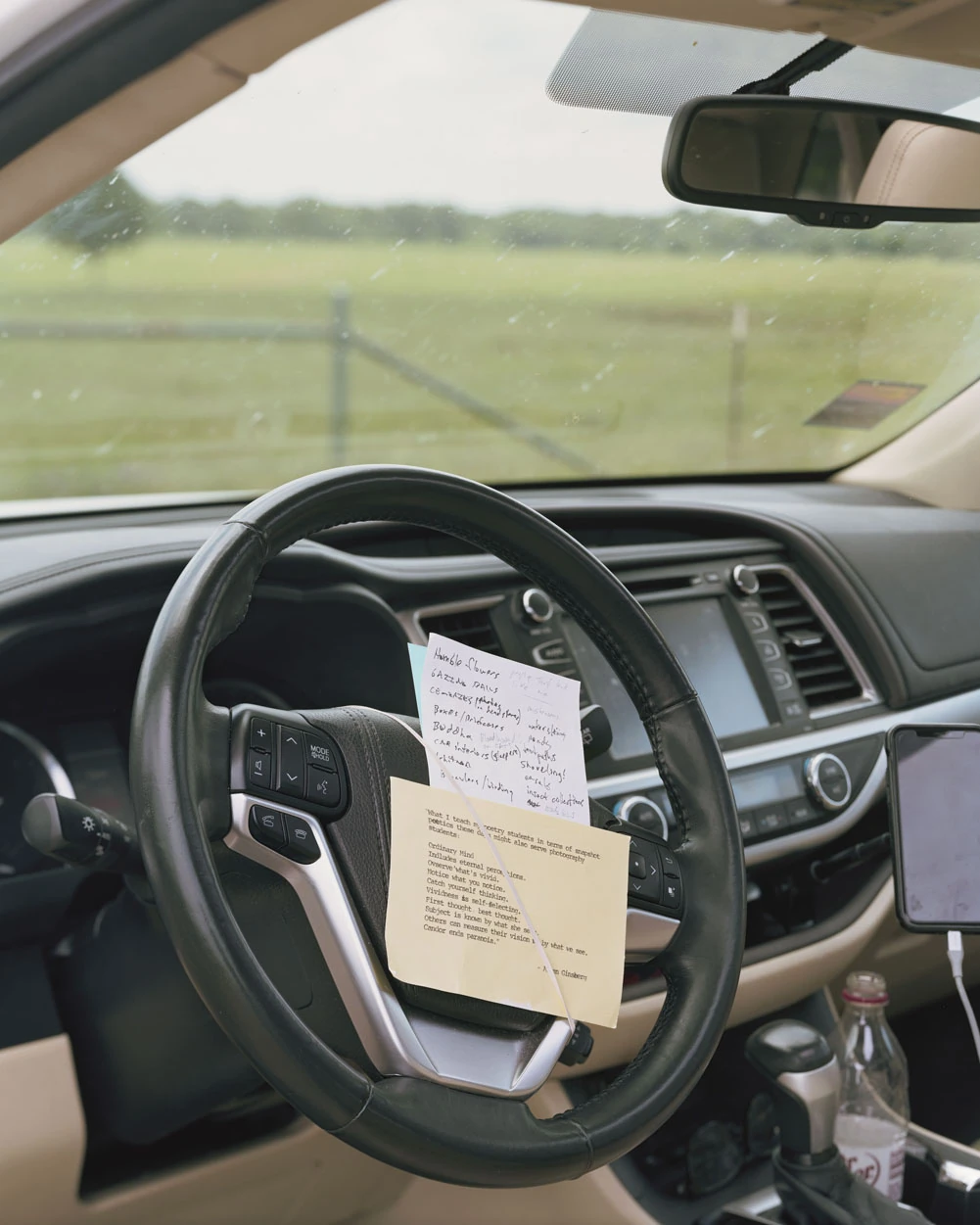
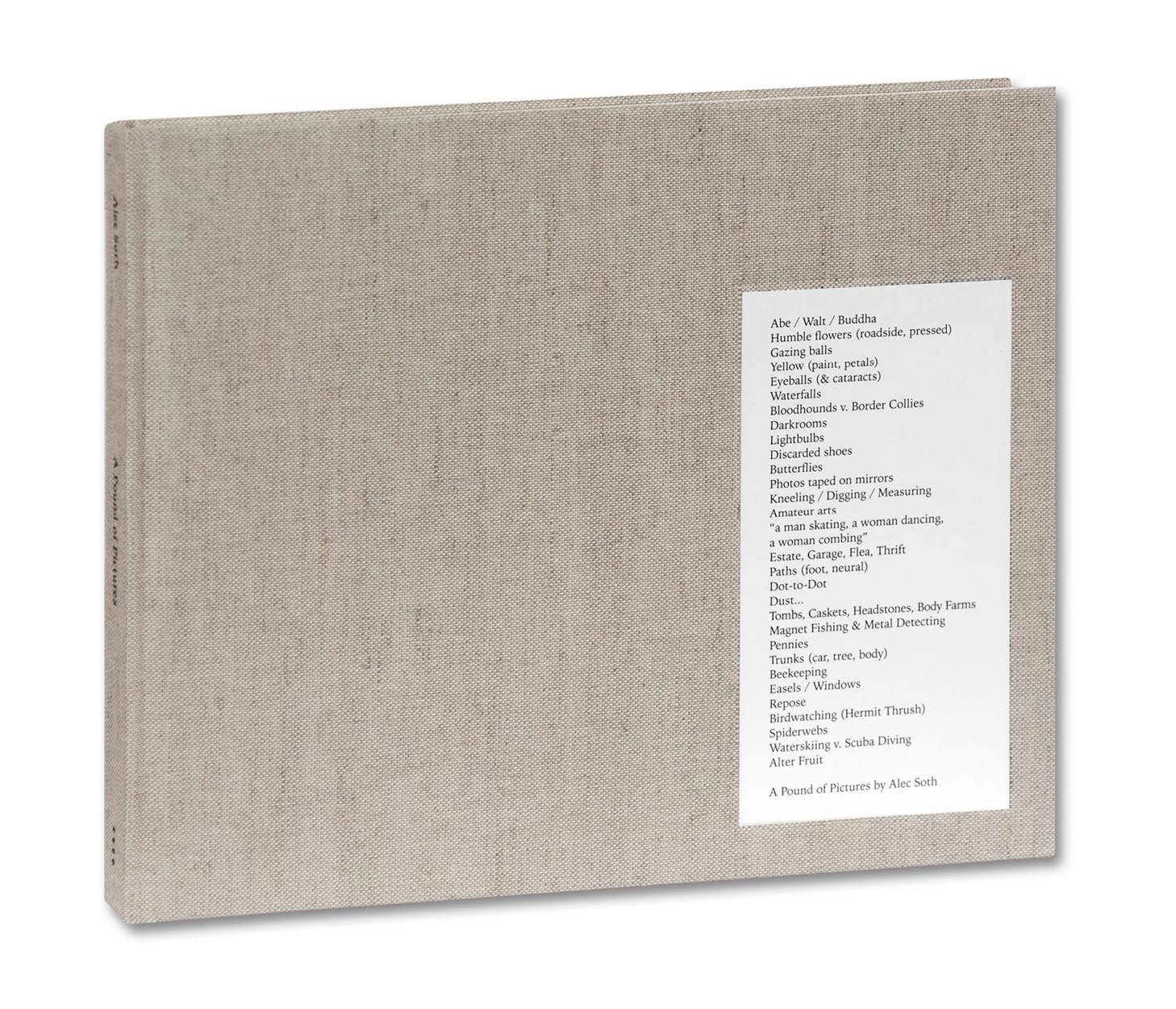
Soth has compared the working method to "websurfing in the real world," one thing leading to the next with no obligation to arrive. The book's cover prints the list he was travelling with: Abe, Walt, Buddha. Humble flowers, roadside, pressed. Gazing balls. Discarded shoes. Photos taped on mirrors. Dust. The same logic sits on the steering wheel of the car, a handwritten inventory clipped beside a typed page of Allen Ginsberg's notes on snapshot poetics.
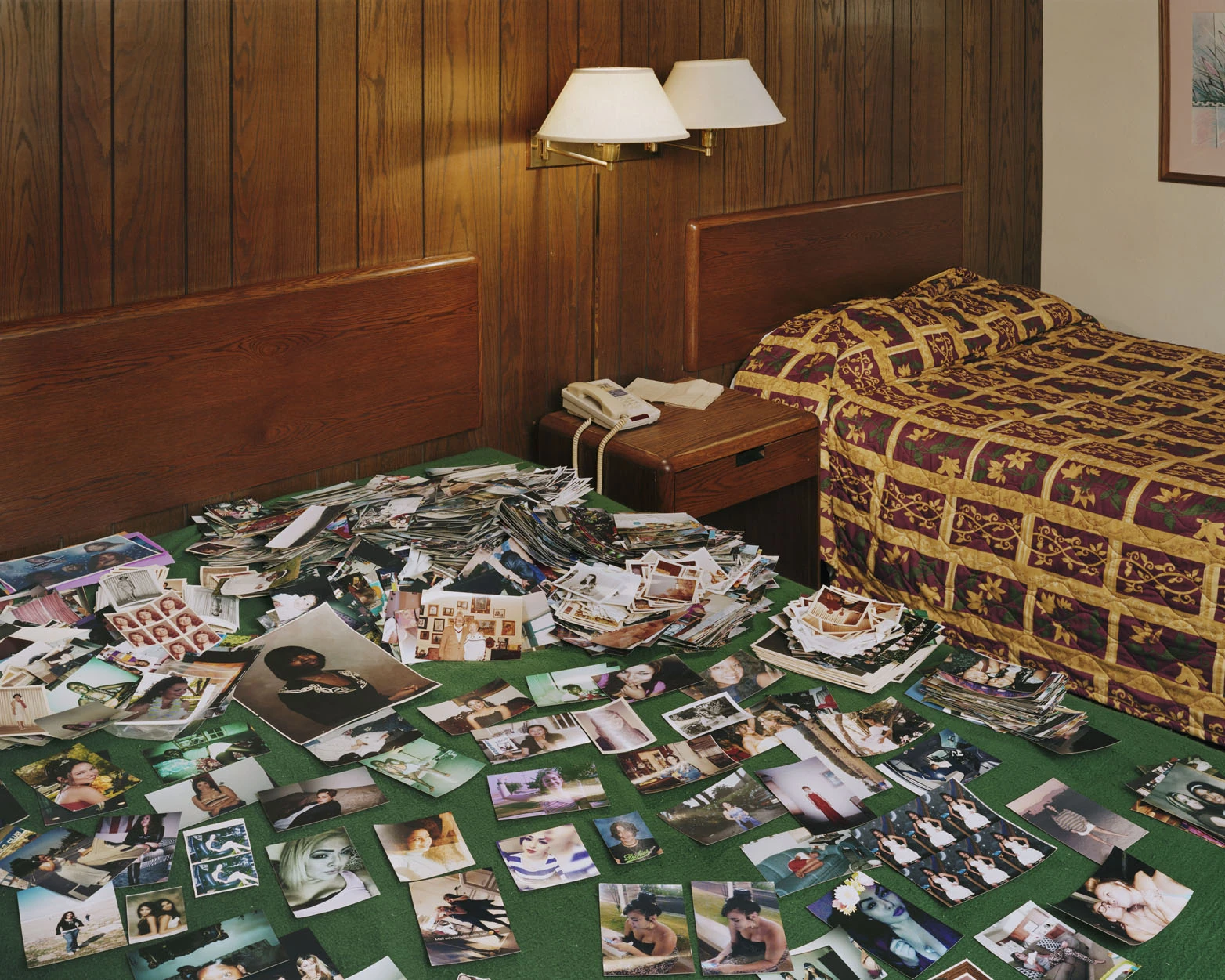
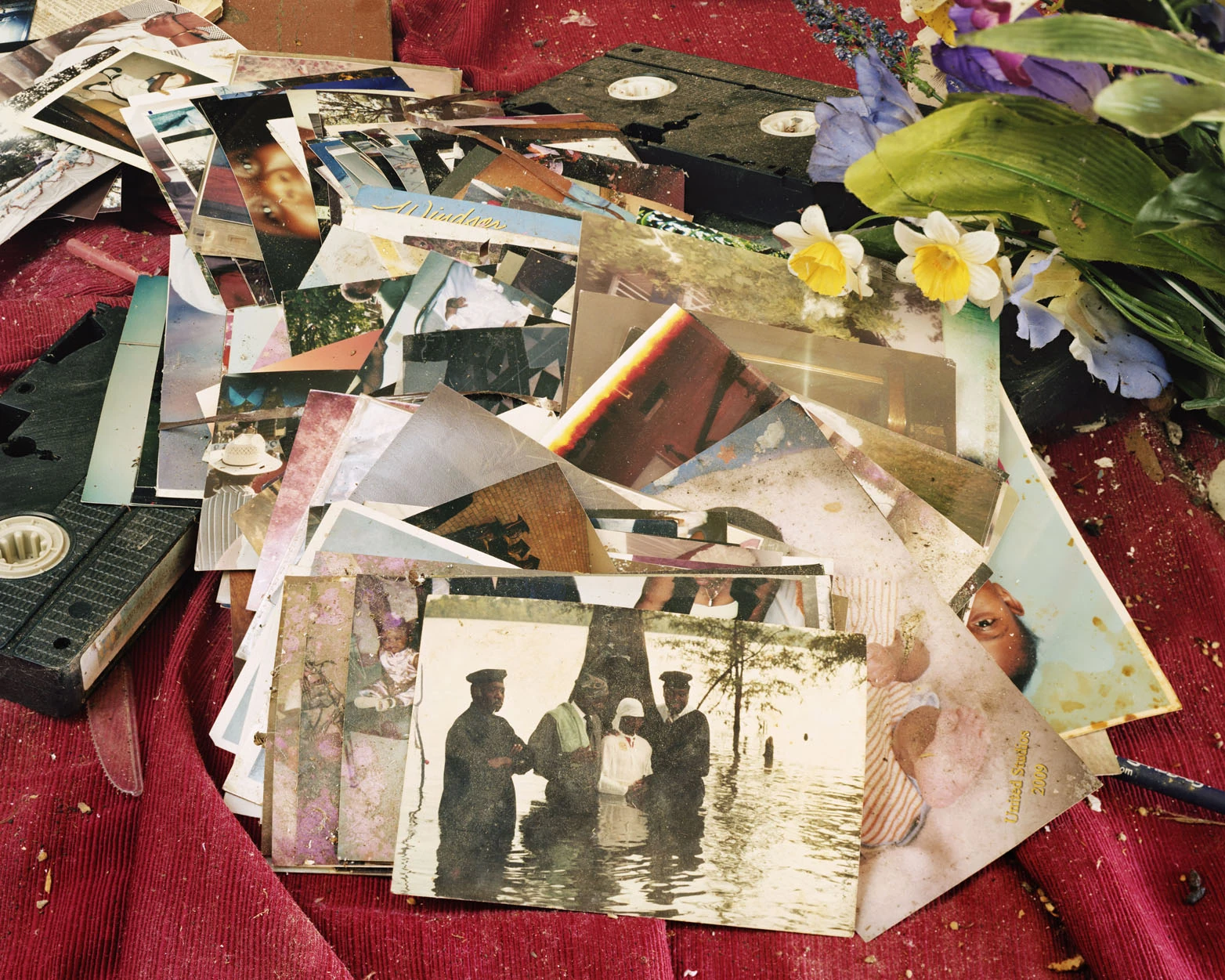
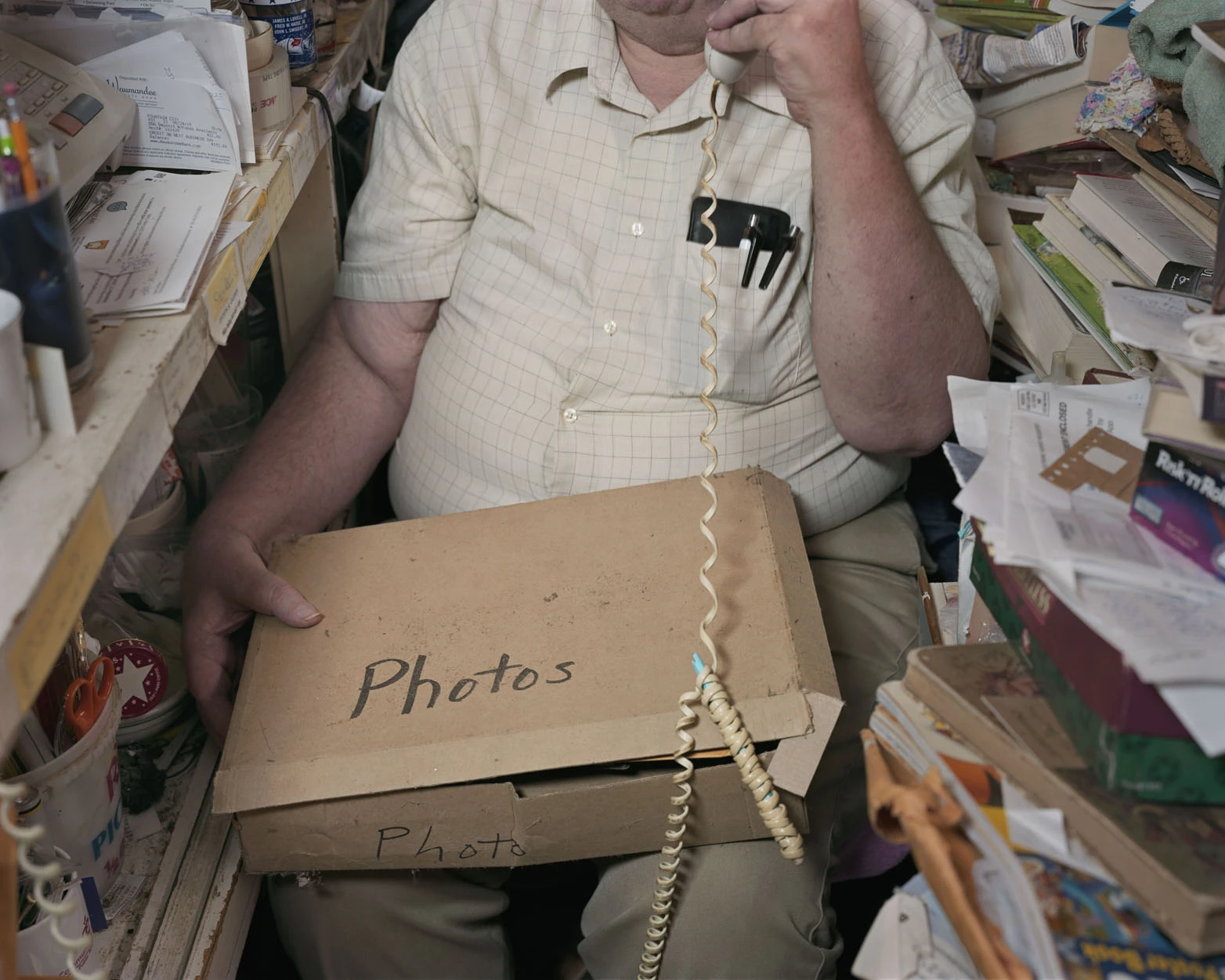
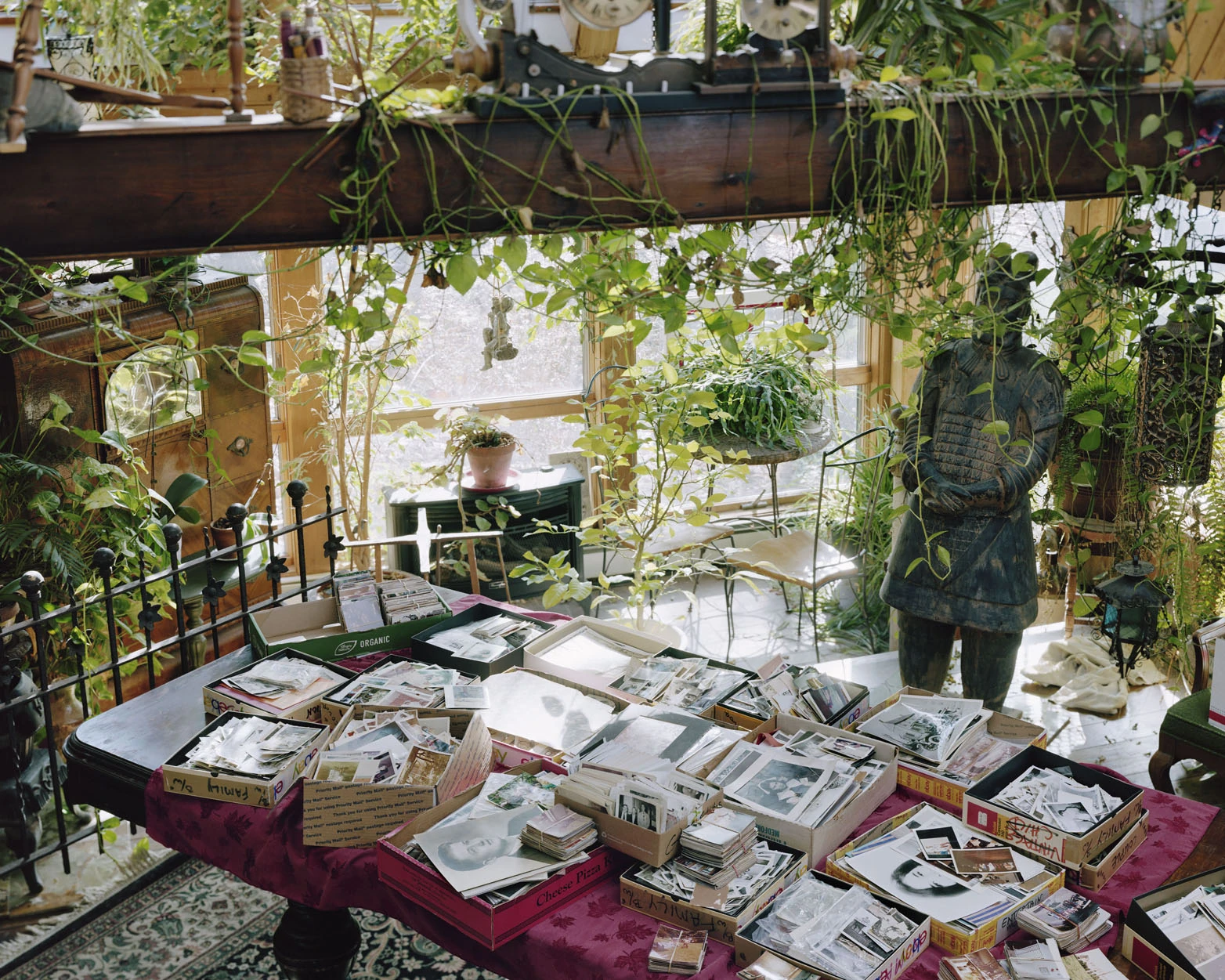
What recurs hardest is other people's photographs. A table in a plant-choked conservatory disappears under shoeboxes of loose prints, a terracotta warrior standing over the pile. A man in a checked shirt takes a call in a crowded shop with a carton marked Photos across his knees. A motel room's green carpet vanishes beneath studio portraits. On red corduroy, water-stained snapshots lie among VHS cassettes and plastic flowers, a baptism in a flooded wood surfacing near the top. Pictures are handled here as stock, stored and sold and lost by volume.
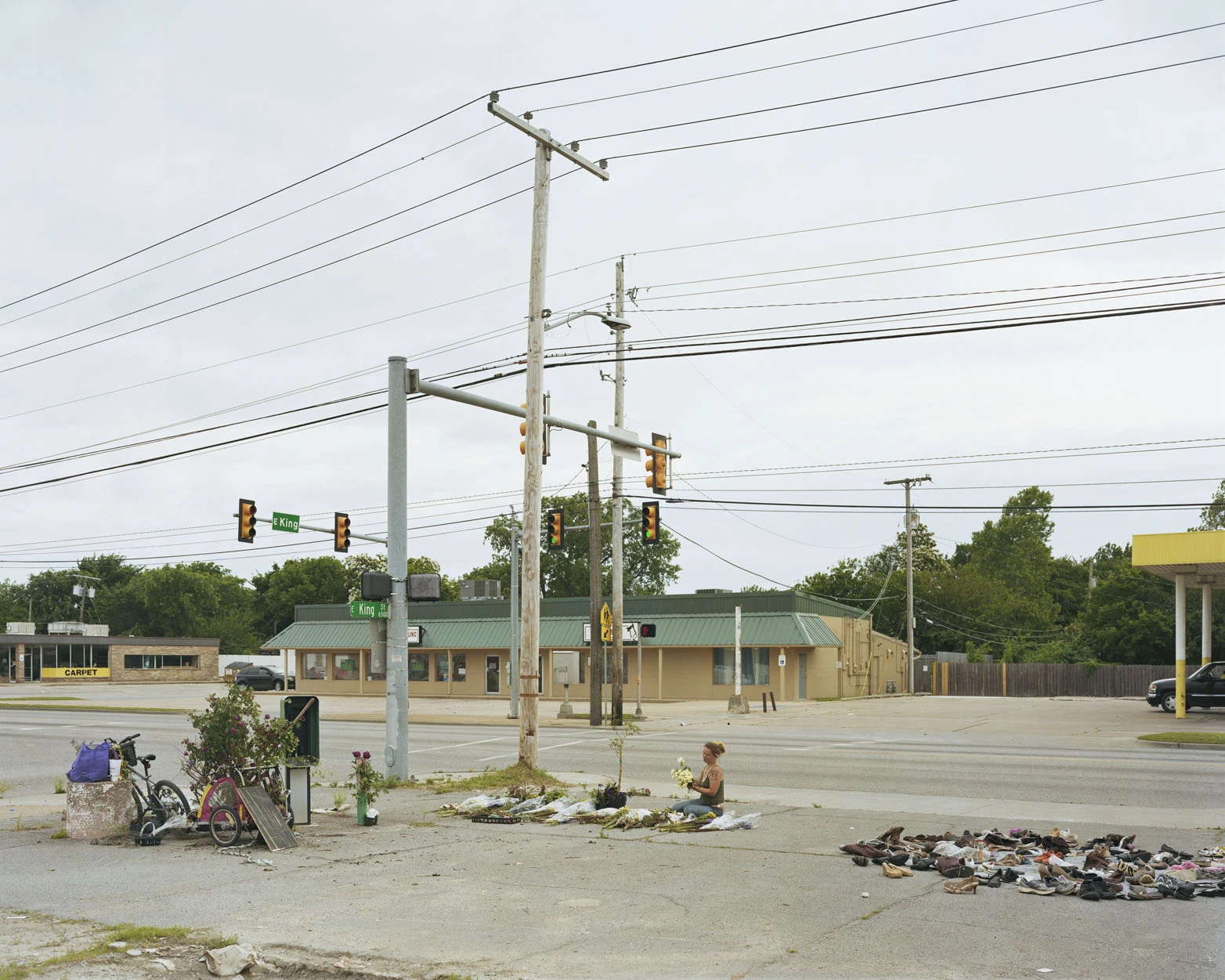
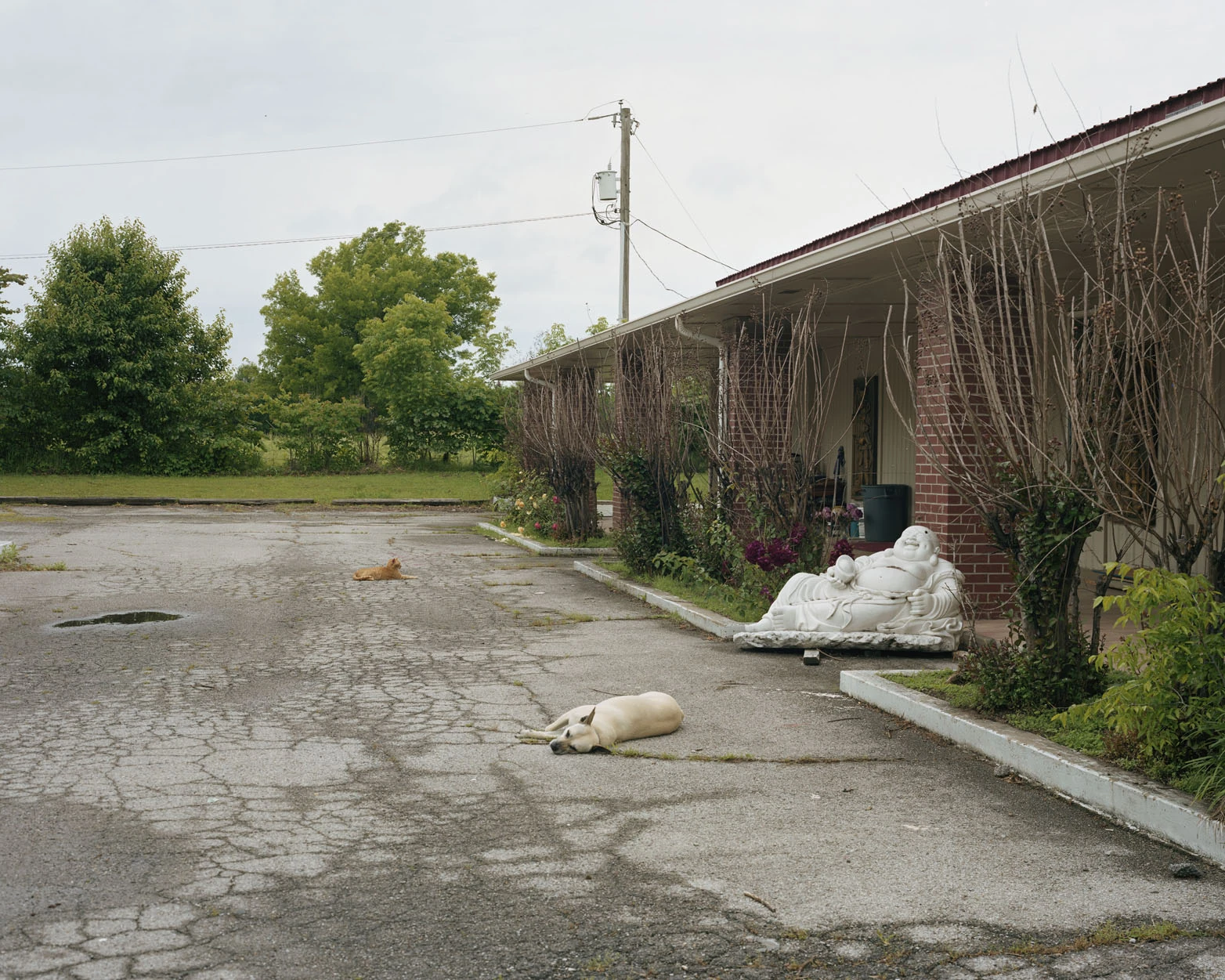
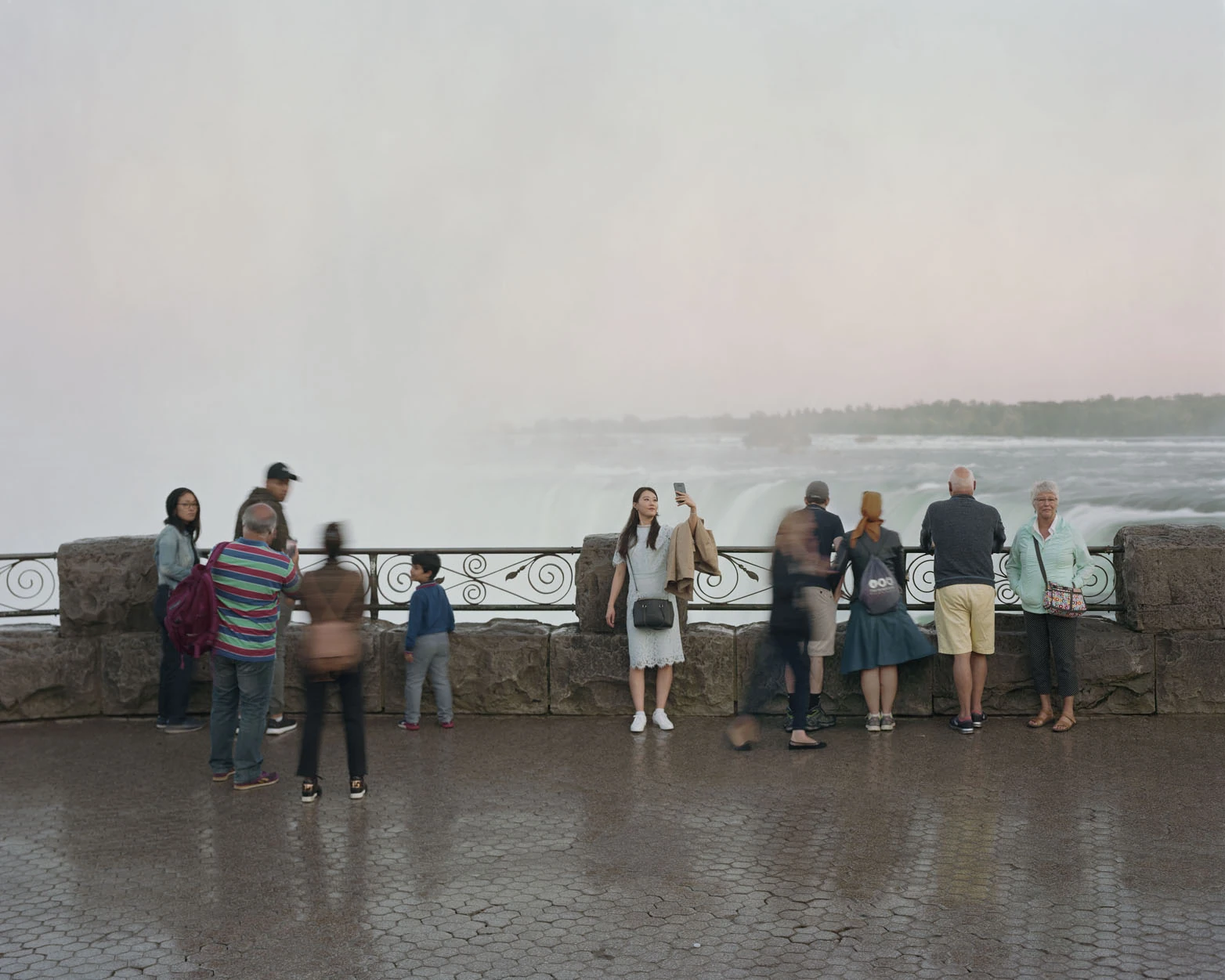
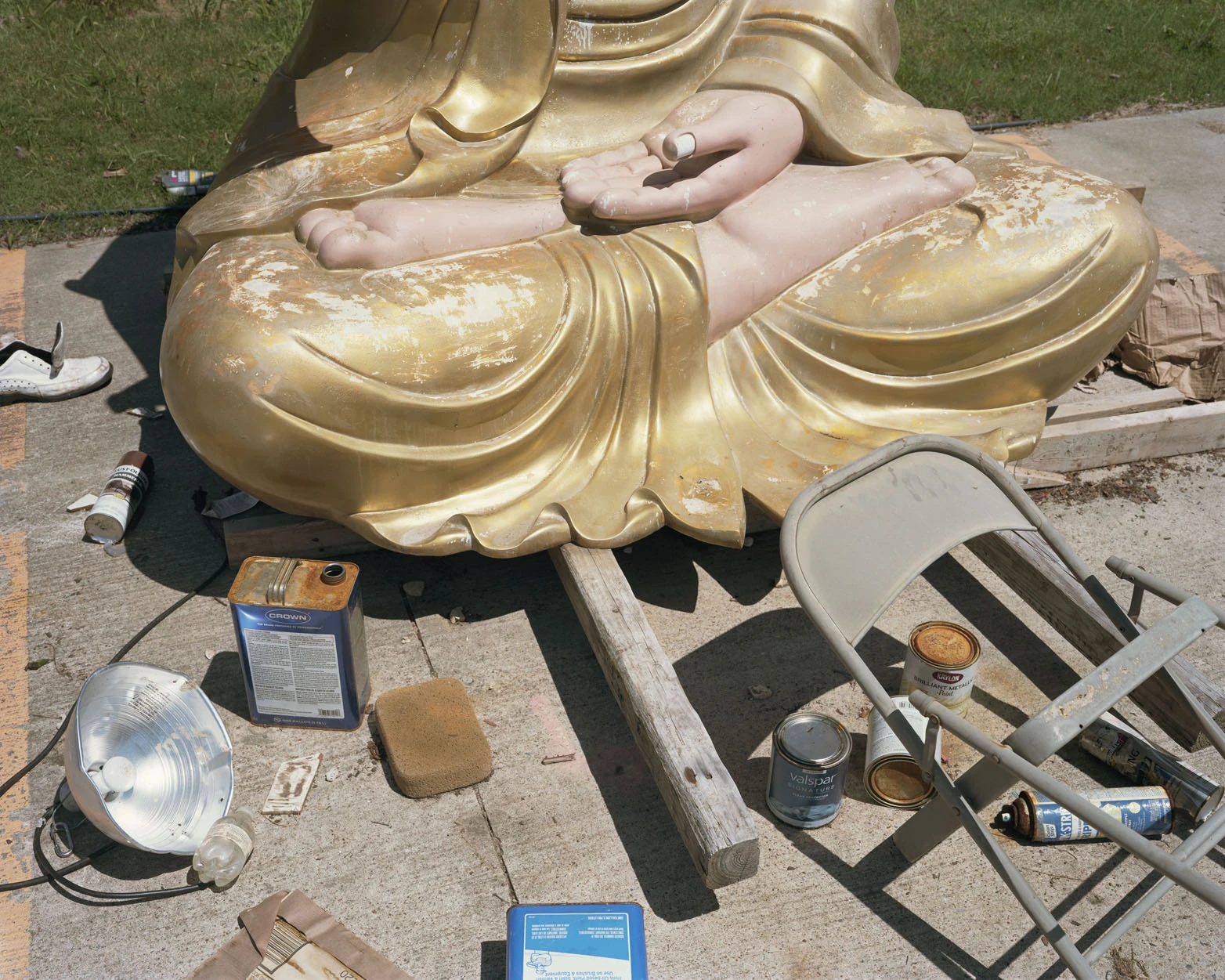
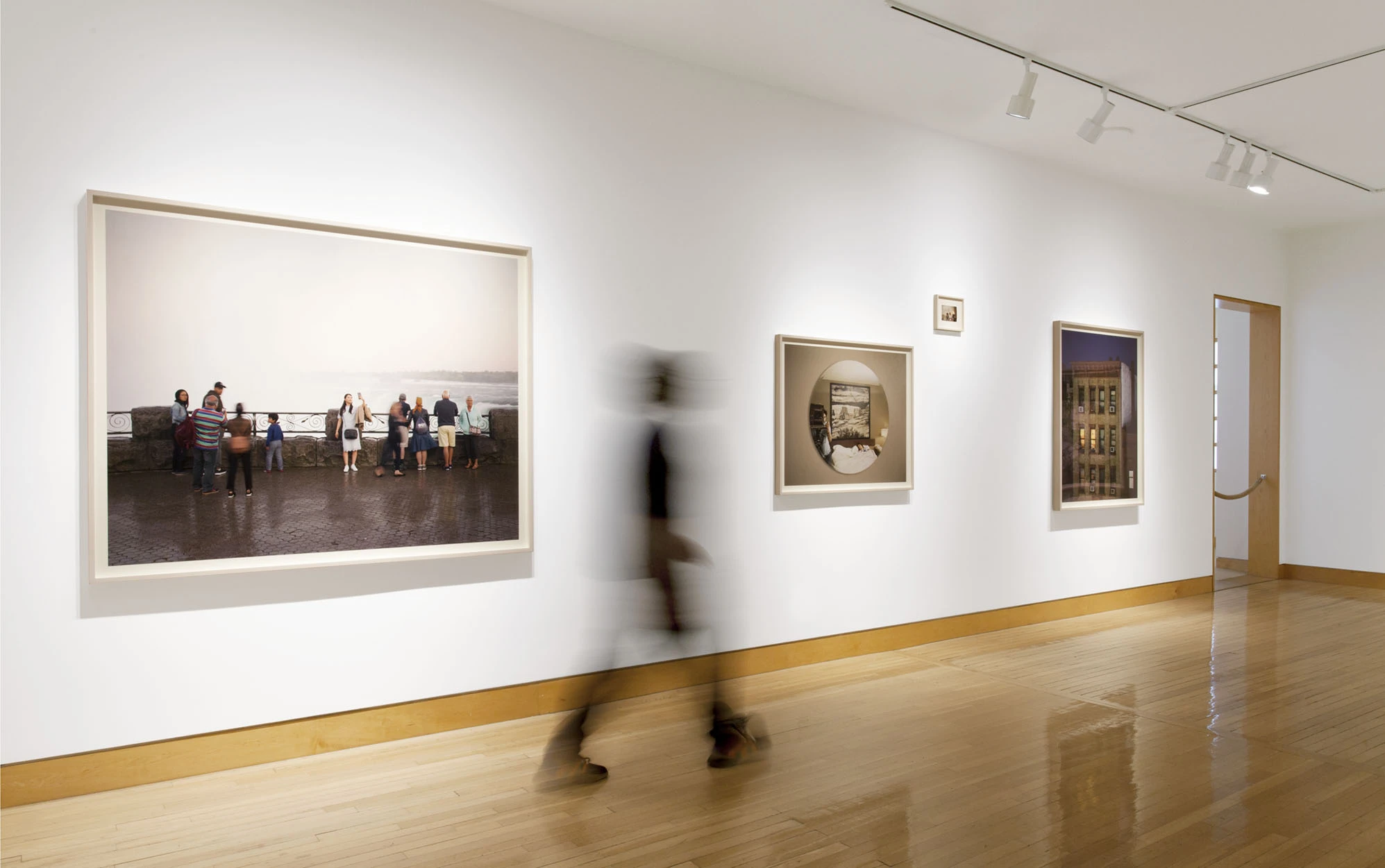
"How much does a photograph weigh?" Soth asks in the afterword, before conceding that there is "a mass to the amassing." The pictures made along the way carry that arithmetic lightly. A dog and a cat sleep on cracked asphalt beside a white reclining Buddha. A gold Buddha lies on its side on a concrete apron, ringed by paint tins and a folding chair. Tourists line a railing at Niagara while one of them turns to face her own phone. At an intersection, a woman kneels in a bank of cut flowers, and a little way off someone has emptied a life's worth of shoes onto the pavement.
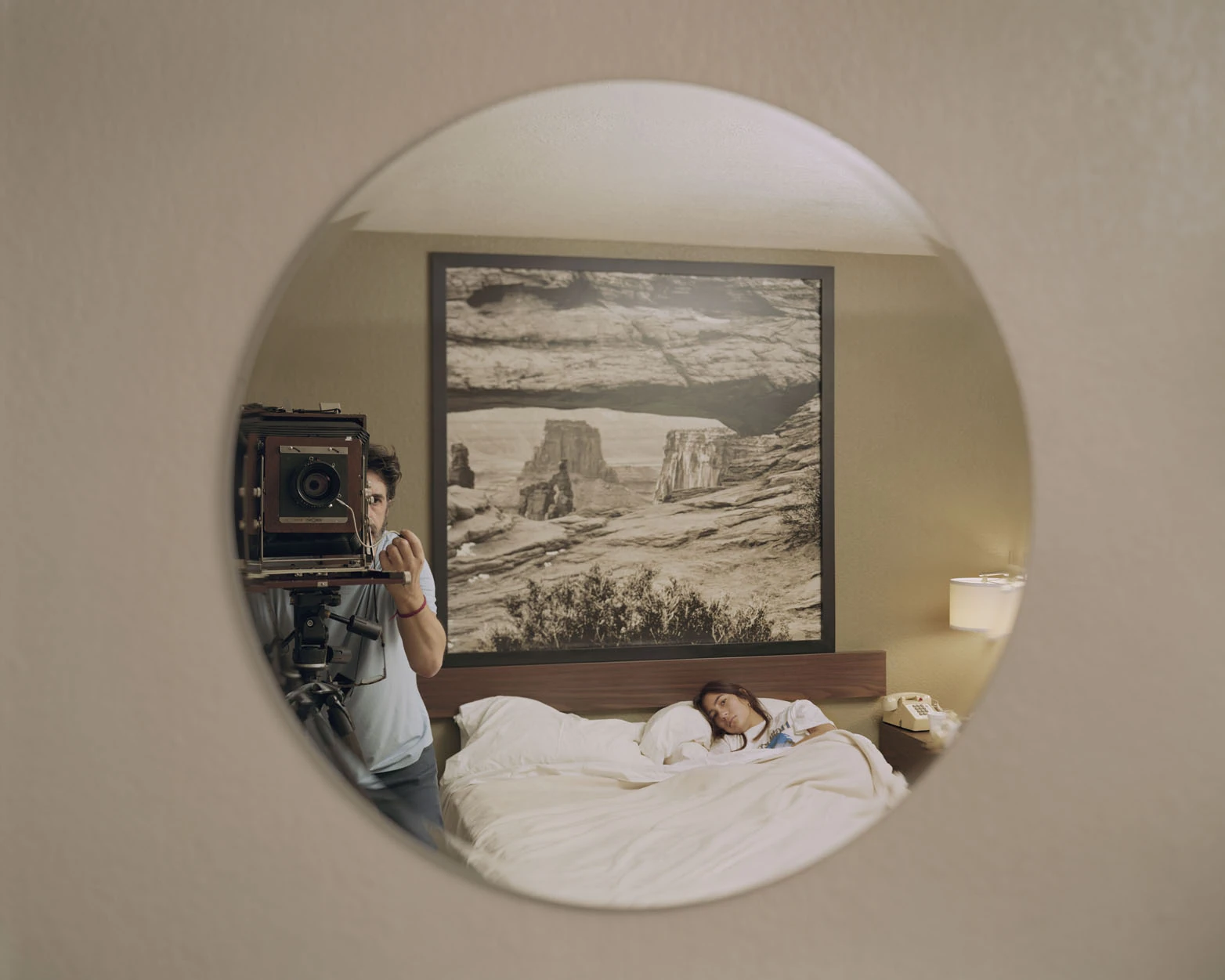
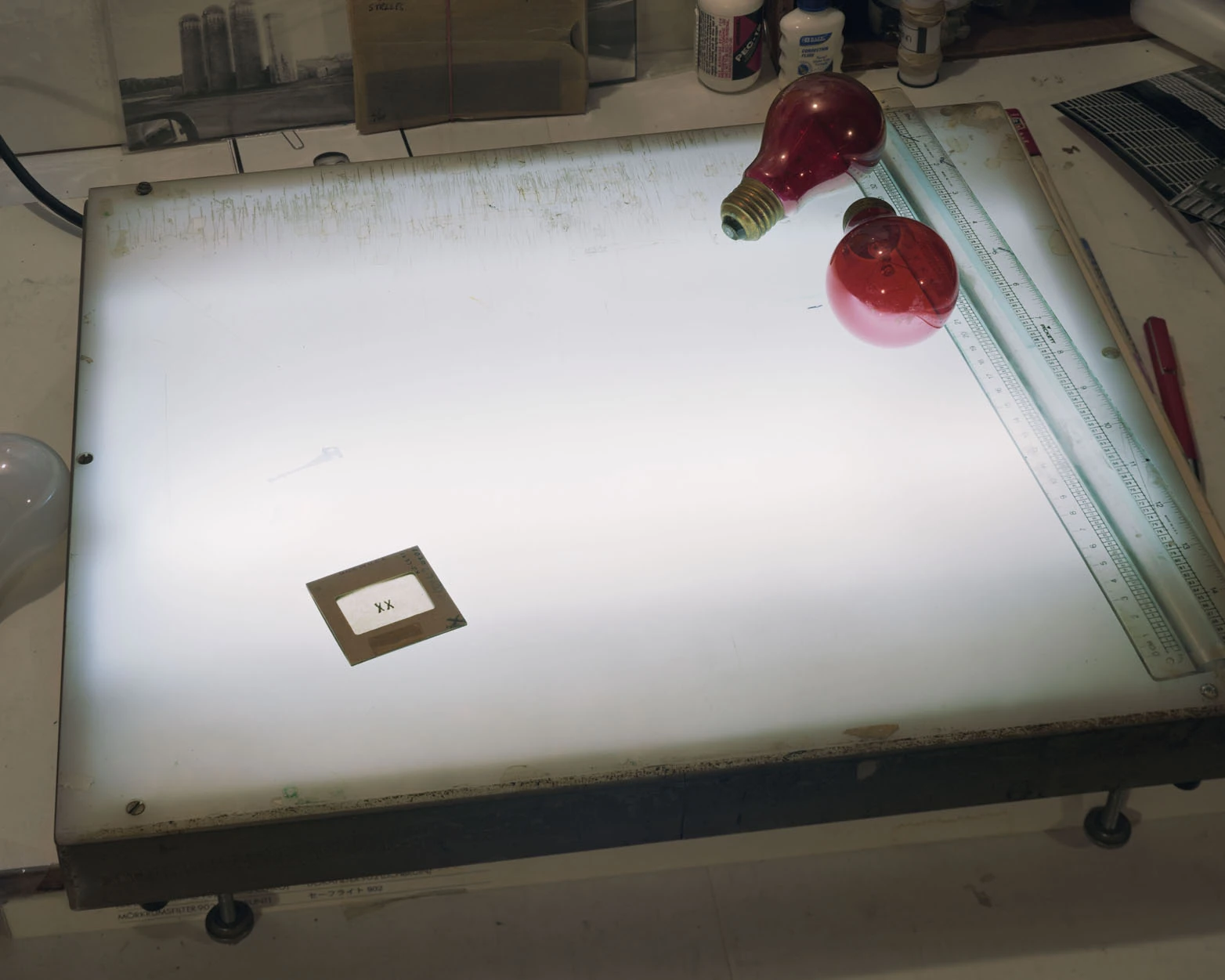
Twice the camera turns on itself. A round mirror set into a motel wall holds Soth behind a large-format camera, a framed canyon print, and a young woman lying awake in bed, the whole apparatus of the picture inside one circle. Elsewhere a darkroom light table burns white and empty except for a single mounted slide, two red bulbs resting against the ruler beside it.
"If the pictures in this book are about anything other than their shimmering surfaces," Soth writes, "they are about the process of their own making." Quotations from John Berger and others thread the sequence, and the connections accumulate the way the boxes of prints do, without a plan and without an ending. The train whose route this follows was carrying a body home. Soth is carrying film, which is also a way of moving something heavy across a country and hoping it survives the trip.